



How to Navigate UN Sanctions Compliance for Humanitarian Aid?
For over two decades in international law, I've witnessed firsthand the profound and often agonizing dilemma faced by humanitarian organizations: the imperative to deliver aid to those most in need, juxtaposed against the increasingly intricate web of international sanctions. It's a tightrope walk where a misstep can have catastrophic consequences – either denying life-saving assistance or inadvertently violating international law, leading to severe penalties, reputational damage, and even criminal charges.
The problem is stark: UN sanctions, while designed to exert pressure on regimes or individuals, frequently create unintended barriers to humanitarian action. Exemptions exist, but their application is often complex, opaque, and inconsistent, leaving aid agencies grappling with legal ambiguities, operational hurdles, and the constant fear of prosecution. This isn't just a theoretical challenge; it's a daily reality impacting millions of vulnerable lives.
This article isn't just another legal brief. Drawing on my extensive experience, I will provide you with a definitive, expert-level framework, actionable strategies, and real-world insights to demystify UN sanctions compliance for humanitarian aid. My goal is to equip you, whether you're an NGO leader, a field operations manager, or a compliance officer, with the knowledge and tools to confidently navigate this treacherous terrain, ensuring aid reaches its intended recipients without compromising your organization's integrity or legal standing.
1. Understanding the Evolving Landscape of UN Sanctions and Humanitarian Exemptions
The first step in effective compliance is a deep understanding of the regulatory environment. UN sanctions are not static; they evolve, often rapidly, in response to geopolitical shifts. These sanctions, mandated by the UN Security Council (UNSC), can include arms embargoes, travel bans, asset freezes, and sectoral restrictions. Crucially, they are legally binding on all UN member states.
The Genesis and Evolution of Humanitarian Exemptions
Historically, sanctions regimes often lacked explicit humanitarian carve-outs, leading to significant challenges. However, there's been a growing recognition of the need for such provisions. UNSC Resolution 2664 (2022) marked a significant milestone, establishing a standing humanitarian carve-out for asset freezes across all UN sanctions regimes, ensuring that aid essential for humanitarian assistance can be delivered. Prior to this, exemptions were often ad-hoc and regime-specific.
Key takeaway: While Resolution 2664 provides a broad humanitarian exemption, its practical application still requires careful interpretation and due diligence, as it doesn't negate all compliance obligations. Organizations must still ensure funds and resources are not diverted to sanctioned entities or individuals.
"Understanding the specific resolution, its scope, and any associated guidance documents is paramount. Generic compliance strategies will fail in this nuanced environment."
2. The Core Pillars of a Robust Sanctions Compliance Framework for NGOs
Building a resilient compliance framework is non-negotiable. It's not about box-ticking; it's about embedding a culture of vigilance and responsibility. In my experience, the most effective frameworks are built on three core pillars:
- Policy & Procedures: Develop clear, written policies that detail your organization's approach to sanctions compliance. These should cover risk assessment, due diligence, screening, reporting, and training. Ensure they are tailored to your specific operational contexts and donor requirements.
- Governance & Oversight: Establish clear lines of responsibility. Who is ultimately accountable for compliance? How are decisions made regarding high-risk operations? A dedicated compliance officer or committee, reporting directly to senior leadership, is often essential.
- Training & Communication: Regular, mandatory training for all relevant staff – from field workers to finance teams – is critical. Compliance is a shared responsibility. Foster open communication channels where staff feel empowered to raise concerns without fear of reprisal.
Without these foundational elements, any efforts to navigate UN sanctions compliance for humanitarian aid will be built on shaky ground. I've seen organizations with the best intentions falter simply because their internal structures weren't robust enough to support their mission.
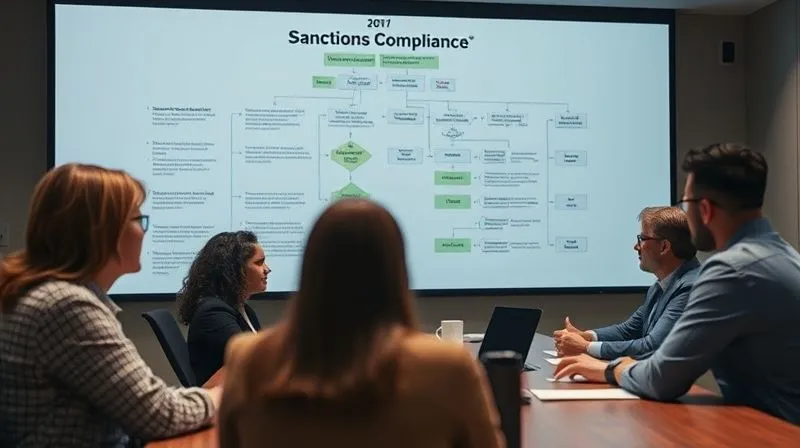
3. Due Diligence and Risk Assessment: Beyond the Surface
This is where the rubber meets the road. Effective due diligence is not a one-off task but an ongoing process. It's about understanding who you're working with, where your resources are going, and what risks you might inadvertently be exposing your organization to.
Conducting Comprehensive Risk Assessments
Your risk assessment should be dynamic and context-specific. Consider:
- Geographic Risk: Are you operating in areas known for high sanctions risk, conflict, or terrorism financing?
- Partner Risk: Who are your local implementing partners? What is their reputation? Do they have their own compliance frameworks?
- Beneficiary Risk: While direct screening of beneficiaries is often impractical and ethically problematic in humanitarian contexts, understanding the general risk profile of the communities you serve is important.
- Sectoral Risk: Are certain types of aid (e.g., cash transfers, specific equipment) more susceptible to diversion or misuse?
A layered approach is best. Start with broad assessments, then drill down into specific transactions or partnerships. The goal is not to eliminate all risk, which is impossible in humanitarian work, but to manage and mitigate it to an acceptable level.
Enhanced Due Diligence for High-Risk Engagements
For operations in high-risk environments or involving significant financial transfers, enhanced due diligence (EDD) is essential. This might include:
- Independent audits of local partners.
- Site visits and direct observation of aid distribution.
- Detailed background checks on key personnel of partner organizations.
- Monitoring media and open-source intelligence for red flags.
Case Study: Navigating Sanctions in a Fictional Conflict Zone (AidForHope)
Case Study: AidForHope's Due Diligence in 'Zemuria'
AidForHope, a mid-sized NGO, operated extensively in 'Zemuria,' a fictional country under a comprehensive UN asset freeze and arms embargo due to internal conflict. The UN had issued a humanitarian exemption, but the operational environment was fraught with risks, including the presence of designated non-state armed groups. AidForHope initially struggled with vetting local partners, leading to delays and concerns from donors.
By implementing a new EDD framework, they:
- Developed a Partner Vetting Matrix: This included criteria like registration status, financial transparency, references, and a conflict-of-interest declaration.
- Utilized Open-Source Intelligence (OSINT): They hired a consultant to conduct OSINT checks on potential partners' leadership and affiliations, cross-referencing against UN and national sanctions lists.
- Instituted a 'Know Your Vendor' Policy: For major local suppliers, they required detailed documentation, including beneficial ownership information, and conducted site visits.
This rigorous approach, while initially resource-intensive, significantly reduced their risk exposure. They successfully identified and avoided partnering with several entities linked to sanctioned individuals, allowing them to continue delivering aid safely and compliantly, building stronger trust with their international donors.
4. Operationalizing Compliance: Practical Steps for Aid Delivery
Compliance isn't just a legal department's concern; it must be integrated into every aspect of operations. This requires practical, actionable steps on the ground.
Screening and Monitoring
Regular screening against sanctions lists (UN, national, and donor-specific lists like OFAC's SDN list) is fundamental. This applies to:
- Implementing partners and their key personnel.
- Vendors and suppliers.
- Financial institutions used for transfers.
- In some cases, specific individuals receiving direct financial assistance, though this must be balanced with humanitarian principles of access and impartiality.
Important Note: Screening tools can be complex. Ensure you understand false positives and have a clear process for investigating and resolving alerts. Over-reliance on automated tools without human oversight can lead to unnecessary delays or incorrect decisions.
Financial Controls and Traceability
Robust financial controls are critical to prevent diversion. This includes:
- Segregation of Duties: Ensure no single individual has control over an entire financial transaction.
- Clear Authorization Limits: Set appropriate spending and approval thresholds.
- Proof of Delivery: For physical goods, maintain comprehensive documentation, including waybills, customs declarations, and distribution records.
- Bank Account Monitoring: Regularly review bank statements for unusual activity, especially for local partner accounts.
The goal is to demonstrate, with auditable evidence, that funds and resources were used for their intended humanitarian purpose and did not benefit sanctioned parties. According to a Deloitte study on financial crime compliance, organizations with robust internal controls significantly reduce their exposure to illicit finance risks.
| Compliance Area | Key Action | Frequency | Risk Mitigation |
|---|---|---|---|
| Partner Vetting | Regular screening against UN & national lists | Pre-engagement, Quarterly | Prevents association with sanctioned entities |
| Financial Transactions | Segregation of duties, fund tracing | Per transaction, Monthly review | Minimizes diversion, ensures accountability |
| Operational Monitoring | Site visits, proof of delivery | Ad-hoc, Per project milestone | Verifies aid reaches intended beneficiaries |
| Staff Training | Mandatory compliance workshops | Annually, New hires | Enhances organizational awareness, reduces human error |
5. Navigating Specific Sanctions Regimes: Case Studies and Best Practices
While UN Resolution 2664 offers a broad humanitarian exemption, specific regimes can still present unique challenges. It's vital to remember that national sanctions (e.g., those from the US, EU, UK) often overlay and expand upon UN sanctions.
Syria and the Challenge of Cross-Border Aid
The Syrian sanctions regime, particularly the US Caesar Act, has presented immense difficulties. Even with humanitarian carve-outs, the fear of secondary sanctions has stifled legitimate humanitarian and early recovery efforts. Organizations operating in this context often need to engage in extensive licensing processes with national authorities (like OFAC in the US) and maintain meticulous records to demonstrate compliance.
Best Practice: Develop country-specific compliance protocols. What works in one sanctioned environment may not apply in another. Invest in legal counsel with deep expertise in the specific national sanctions regimes impacting your operations.
Afghanistan and the Banking Crisis
Following the Taliban takeover in Afghanistan, a severe liquidity crisis emerged due to asset freezes on the central bank and the withdrawal of international banking services. While UN sanctions were not directly targeting humanitarian aid, the de-risking by financial institutions made it incredibly difficult to transfer funds for legitimate aid operations. This highlights that compliance isn't just about legal prohibitions, but also about the practical implications of sanctions on the financial infrastructure.
Key Lesson: Anticipate the ripple effects of sanctions. Engage with donors and financial institutions early to find compliant pathways for fund transfers, such as using specific humanitarian payment channels or advocating for general licenses.
6. Engaging with Authorities: Advocacy and Reporting
Proactive engagement with relevant authorities is a hallmark of strong UN sanctions compliance for humanitarian aid. This isn't just about problem-solving; it's about building trust and demonstrating your commitment to ethical operations.
Pre-Emptive Engagement and Licensing
Before initiating operations in a sanctioned environment, especially if there's ambiguity, consider reaching out to the relevant sanctions committees at the UN or national licensing authorities. Seek clarity, apply for specific licenses if necessary, and document all communications. This proactive approach can provide a layer of protection and demonstrate good faith.
Reporting and Transparency
If a potential sanctions violation occurs or is suspected, prompt and transparent reporting is crucial. This includes:
- Internal reporting mechanisms for staff to raise concerns.
- External reporting to donors, relevant government agencies, and potentially the UN Sanctions Committee, as required.
Transparency, even in difficult situations, builds credibility. As a veteran in this field, I can tell you that authorities are generally more amenable to organizations that self-report and demonstrate a genuine effort to rectify issues, rather than those that attempt to conceal them.
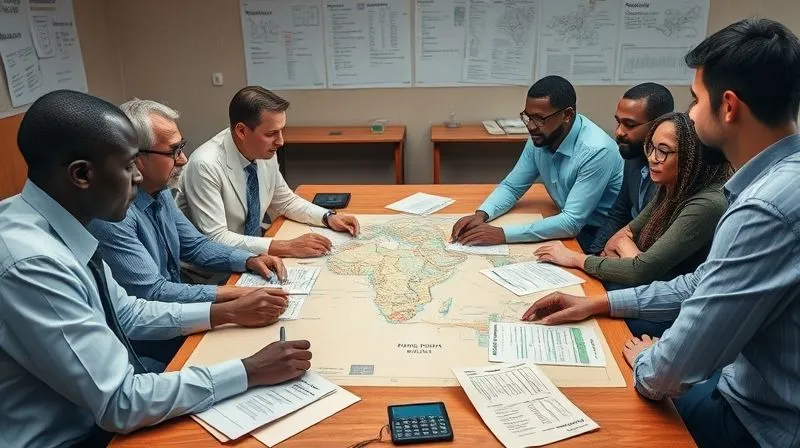
7. Building an Organizational Culture of Compliance
Ultimately, compliance is not a department; it's a culture. It needs to permeate every level of your organization, from the board of directors to the field logistics officer. Without this ingrained mindset, even the best policies will fall short.
Leadership Buy-in and Role Modeling
Senior leadership must not only endorse but actively champion compliance. They need to articulate its importance, allocate sufficient resources, and visibly adhere to the organization's policies. When leaders prioritize compliance, it sends a powerful message throughout the entire organization.
Continuous Learning and Adaptation
The sanctions landscape is constantly shifting. Your compliance framework needs to be a living document, regularly reviewed and updated. This includes:
- Monitoring changes in UN Security Council resolutions and national sanctions lists.
- Staying informed about new guidance from UN bodies like OCHA or specialized NGOs.
- Learning from your own experiences and those of peer organizations.
In my experience, organizations that foster a culture of continuous learning are far better equipped to adapt to new challenges and maintain robust UN sanctions compliance for humanitarian aid.
8. Leveraging Technology for Enhanced Sanctions Screening
In today's complex environment, manual screening and compliance checks are simply not enough. Technology offers powerful tools to enhance efficiency, accuracy, and auditability in managing sanctions risks.
Automated Screening Solutions
Utilize dedicated sanctions screening software. These platforms can automate the process of checking individuals, entities, and even transactions against multiple sanctions lists (UN, OFAC, EU, national lists, etc.) in real-time or near real-time. This significantly reduces human error and the time spent on manual checks.
- Real-time Monitoring: Many solutions offer continuous monitoring, alerting you to changes in sanctions lists that might affect your previously screened partners or vendors.
- Audit Trails: These systems typically generate detailed audit trails, providing invaluable documentation for internal reviews, donor reports, and regulatory inquiries.
- API Integration: Advanced solutions can integrate directly with your financial and procurement systems, automatically flagging potential issues at the point of transaction or onboarding.
Data Analytics and Risk Mapping
Beyond simple screening, leverage data analytics to identify patterns and map your organizational risk exposure. This could involve:
- Analyzing transaction data for anomalies or concentrations in high-risk areas.
- Visualizing your supply chains and partner networks to identify potential sanctions touchpoints.
- Using geospatial data to overlay operational areas with known conflict zones or areas of sanctioned activity.
While technology is a powerful enabler, it's crucial to remember that it's a tool, not a solution in itself. It must be paired with knowledgeable human oversight and robust internal processes. As the Council on Foreign Relations highlights, the interplay between technology and human expertise is key to effective sanctions navigation.

Frequently Asked Questions (FAQ)
Question? Does UN Resolution 2664 mean I no longer need to worry about national sanctions lists from countries like the US or EU?
Detailed answer: No, absolutely not. While Resolution 2664 provides a broad humanitarian carve-out for UN asset freezes, it does not automatically override national sanctions regimes. Member states are still required to implement UN sanctions, but they often have their own expanded sanctions lists (e.g., OFAC's SDN list, EU's consolidated list) and additional prohibitions (like the US Caesar Act on Syria). You must comply with all applicable sanctions regimes – both UN and national – that apply to your organization and its operations. Always check the specific requirements of your donors and the jurisdictions you operate in.
Question? What if I discover a potential sanctions violation after aid has been delivered? What are my immediate steps?
Detailed answer: Immediate action is crucial. First, internally, assess the scope and nature of the potential violation. Gather all relevant facts and documentation. Second, consult with legal counsel specializing in sanctions. Third, follow your organization's internal reporting protocols. Fourth, depending on the severity and specific regime, you may have reporting obligations to donors, national authorities (e.g., OFAC for US persons), and potentially the UN Sanctions Committee. Transparency and prompt, corrective action are vital to mitigating potential penalties.
Question? Is it ethical to screen beneficiaries in humanitarian contexts, given the principles of impartiality and non-discrimination?
Detailed answer: This is a highly sensitive and complex ethical dilemma. Direct screening of individual beneficiaries is often impractical, can violate privacy, and contradicts the core humanitarian principles of impartial access to aid based on need alone. The focus of sanctions compliance in humanitarian contexts is primarily on preventing diversion to designated entities or individuals through your partners, vendors, and financial channels. If beneficiary screening is deemed absolutely necessary due to extreme risk, it must be done with utmost care, proportionality, and strict adherence to data protection and humanitarian principles, prioritizing the safety and dignity of affected populations. Many organizations advocate for broader exemptions that remove the need for such invasive measures.
Question? How can small NGOs with limited resources effectively manage complex sanctions compliance?
Detailed answer: Small NGOs face significant challenges. My advice is to prioritize: start with a clear, concise written policy, identify a single point person for compliance (even if it's a shared role), and invest in basic training for all relevant staff. Leverage free resources from UN agencies like OCHA, and consider partnering with larger NGOs or consortia that may have more robust compliance infrastructure. Don't be afraid to seek pro bono legal advice or utilize cost-effective screening tools. Focus on the highest-risk areas of your operations first. Remember, even basic documented efforts demonstrate good faith.
Question? What is "de-risking" by financial institutions, and how does it impact humanitarian aid?
Detailed answer: De-risking refers to financial institutions terminating or restricting business relationships with clients or sectors perceived as high-risk for money laundering, terrorism financing, or sanctions violations. While intended to manage risk, it often disproportionately impacts humanitarian organizations operating in sanctioned or conflict-affected areas. Banks may close accounts or refuse transfers to avoid perceived compliance burdens or penalties, even for legitimate aid. This creates a severe challenge for NGOs to transfer funds, pay staff, and procure goods, often forcing reliance on less secure or transparent methods. Advocacy efforts are ongoing to encourage banks to adopt a more nuanced, risk-based approach rather than blanket de-risking.
Key Takeaways and Final Thoughts
Navigating UN sanctions compliance for humanitarian aid is undeniably one of the most demanding challenges faced by organizations committed to alleviating human suffering. It requires a blend of legal acumen, operational pragmatism, and unwavering ethical commitment. As we've explored, success hinges on:
- A deep, current understanding of specific sanctions regimes and exemptions.
- A robust, well-governed compliance framework.
- Rigorous, ongoing due diligence and risk assessment.
- Integrating compliance into every operational step.
- Proactive engagement with authorities and transparent reporting.
- Cultivating a pervasive culture of compliance throughout your organization.
- Leveraging technology wisely to enhance capabilities.
While the complexities are immense, the mission is non-negotiable. By adopting these expert-driven strategies, you can significantly enhance your organization's ability to deliver life-saving aid effectively, ethically, and compliantly, ensuring that the critical humanitarian imperative is not stifled by legal ambiguity or fear. Your commitment to both saving lives and upholding international law is a testament to the highest ideals of humanitarian action.
Recommended Reading
- Estate Tax Audit: 7 Steps to Defend Challenged Asset Valuations
- IEP Rejection? 7 Legal Steps for Parents & Schools to Resolve Disputes
- 5+ Non-Bankruptcy Routes for Overwhelming Business Tax Debt Relief
- 5 Critical Steps When an Employee Refuses Reasonable ADA Accommodation
- The Essential Guide: What is the Rational Basis Test in Equal Protection?




Comments
Leave a comment below. Your email will not be published. Required fields marked with *