



How to Recover Damages for Consumers from a Bankrupt Company?
For over 15 years in consumer law, I've witnessed the profound distress and confusion consumers face when a company they've trusted, or paid, abruptly declares bankruptcy. It's a scenario that often leaves people feeling completely helpless, as if their money and their rights have simply vanished into thin air.
The immediate reaction is usually a mix of anger, frustration, and a profound sense of loss. You might be wondering, 'Is my money gone forever?' or 'What can I possibly do against a corporate giant, especially one that's now insolvent?' This feeling of powerlessness is precisely what I aim to address.
In this definitive guide, I will share the actionable frameworks, real-world insights, and expert strategies I've developed over years of navigating these complex waters. We'll explore the often-overlooked avenues available to consumers and equip you with the knowledge to understand how to recover damages for consumers from a bankrupt company, moving from despair to informed action.
Understanding the Landscape: When a Company Declares Bankruptcy
When a company declares bankruptcy, it's not a simple disappearance; it's a formal legal process governed by federal law. As an expert, I've seen how this process, while designed to provide a fresh start for the debtor, can feel like a dead end for creditors, especially individual consumers.
There are generally two main types of corporate bankruptcy that impact consumers: Chapter 7 and Chapter 11. Chapter 7 involves liquidation, where the company's assets are sold off to pay creditors, and the business ceases to exist. Chapter 11, on the other hand, allows the company to reorganize its debts and continue operating, often under a court-approved plan.
The immediate impact on consumers can be severe: pre-paid services may cease, products might not be delivered, warranties can become void, and customer service vanishes. The bankruptcy court takes over the company's assets and liabilities, and all collection efforts against the company are typically halted by an 'automatic stay.'
In my experience, swift and informed action is paramount. The moment you hear about a company's bankruptcy, time becomes your most critical resource.
Identifying Your Claim: What Kind of Damages Did You Incur?
Before you can attempt to recover anything, you must clearly define what you've lost. This isn't always as straightforward as it seems, as consumer damages can take various forms. I've guided countless individuals through this crucial initial assessment.
Common types of consumer damages include financial loss from unfulfilled services (e.g., a contractor who took a deposit but didn't start work), defective products for which a refund or repair was promised, or pre-paid goods that were never delivered. It could also involve losses due to breaches of warranty or misrepresentation.
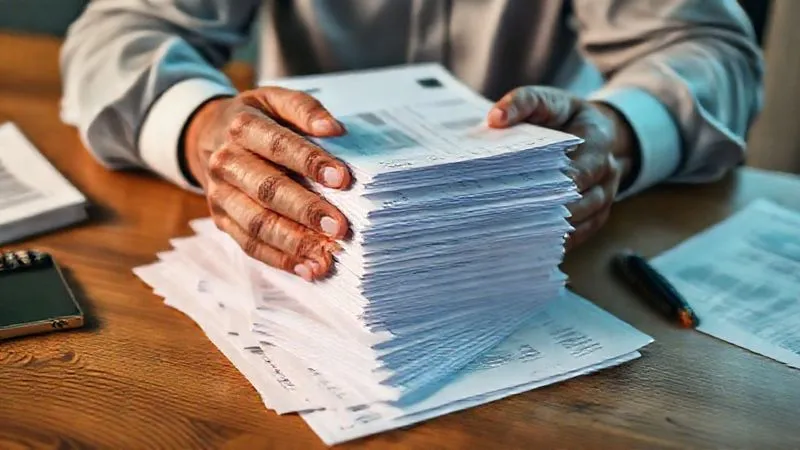
The key here is diligent documentation. Gather every piece of evidence: receipts, contracts, emails, text messages, advertisements, bank statements, and any other communication related to your transaction. This paper trail is your foundation for any claim.
Case Study: The Unfinished Home Renovation
Consider the case of Ms. Emily R., who hired 'RenovateRight Inc.' for a kitchen remodel, paying a significant deposit upfront. Two weeks later, RenovateRight filed for Chapter 7 bankruptcy, leaving her kitchen in disarray and her deposit gone. Emily meticulously collected her contract, bank transfer records, and email correspondence detailing the unfulfilled work.
This documentation became her primary tool for demonstrating her financial loss and the company's contractual obligation. Without this clear evidence, her claim would have been significantly weakened, making it much harder to argue for her position in the bankruptcy proceedings.
The Critical First Step: Filing a Proof of Claim
Once you've identified your damages and gathered your evidence, the absolute most critical step is filing a Proof of Claim. In my professional opinion, this is where most consumers either succeed or fail in their attempt to recover damages for consumers from a bankrupt company.
A Proof of Claim is a formal document filed with the bankruptcy court that informs the court and the bankruptcy trustee about your claim against the debtor company. It details the amount owed, the basis for the claim, and any supporting documentation. Without filing this, the court may not even know you exist as a creditor.
There is a strict deadline for filing a Proof of Claim, known as the 'Bar Date.' Missing this date almost invariably means you lose your right to recover anything. The Bar Date is usually published in official notices and can be found on the bankruptcy court's docket for the specific case. It’s crucial to act promptly.
You can typically obtain the official Proof of Claim form (Form B 410) from the U.S. Courts website or the bankruptcy court clerk. It must be filled out accurately and completely, attaching all relevant supporting documents. Then, it needs to be filed with the bankruptcy court or the claims agent appointed in the case, often electronically.
- Locate the Bankruptcy Case: Find the specific bankruptcy case number and court where the company filed. This information is usually public.
- Determine the Bar Date: Identify the deadline for filing claims. This is non-negotiable.
- Obtain Form B 410: Download the official Proof of Claim form from the U.S. Courts website.
- Complete the Form Accurately: Fill in your details, the debtor's details, the amount of your claim, and a brief description of how it arose. Be precise.
- Attach Supporting Documents: Include copies of contracts, invoices, receipts, emails, and any other evidence. Do not send originals.
- File the Claim: Submit the completed form and attachments to the bankruptcy court clerk or the designated claims agent, ensuring you receive confirmation of receipt.
Understanding Creditor Priority: Where Do Consumers Stand?
One of the most disheartening realities in bankruptcy is the concept of creditor priority. Not all debts are treated equally, and understanding where you, as a consumer, fit into this hierarchy is essential for setting realistic expectations. I've had to deliver this news to many clients, and it's rarely easy.
Generally, creditors are categorized as either secured or unsecured. Secured creditors (like banks with mortgages or car loans) have collateral, giving them a higher priority over the specific assets securing their debt. Unsecured creditors, on the other hand, have no collateral and are paid from any remaining assets after secured creditors and administrative expenses are satisfied.
Within unsecured creditors, there's a further ranking of priority claims. These often include administrative expenses of the bankruptcy case, certain taxes, and wages owed to employees. Consumers typically fall into the category of general unsecured creditors, which is usually at the bottom of the payment hierarchy.
However, there's a limited exception: Section 507(a)(7) of the Bankruptcy Code (formerly 507(a)(6)) grants a specific priority to consumers with claims for deposits made before the bankruptcy filing for the purchase, lease, or rental of property or services that were not delivered or provided. This priority is capped at a certain amount (currently $3,025 per individual, adjusted periodically). This specific carve-out is a small but vital protection.
For most other consumer claims, the harsh reality is that recovery can be minimal or even zero, especially in Chapter 7 liquidations where assets are often insufficient to cover even higher-priority claims. This is why managing expectations is crucial.
Exploring Avenues Beyond General Unsecured Claims
While the general unsecured creditor status can be daunting, there are specific scenarios and alternative strategies that I encourage consumers to explore. Not every path to recovery lies solely within the standard bankruptcy claim process.
Special Consumer Protections (If Applicable)
As mentioned, the Bankruptcy Code does offer a limited priority for certain consumer deposits. If your claim falls within the parameters of Section 507(a)(7) (a deposit for goods or services not delivered, up to the statutory limit), you have a better chance of recovery than a general unsecured creditor. It’s crucial to specify this on your Proof of Claim.
Additionally, some states have their own consumer protection laws that might offer avenues of recourse outside of federal bankruptcy, though these are often limited once a federal bankruptcy case is filed. Always check for state-specific provisions that might apply to your situation, especially if fraud is involved.
Secured Claims (If You Have Collateral)
While rare for individual consumers dealing with a bankrupt company for typical purchases, a consumer might hold a secured claim in specific circumstances. For example, if you loaned money to the company and took a security interest in some of its property, or if you retained title to goods delivered but not paid for, you might be a secured creditor. This significantly improves your position.
The Role of Class Action Lawsuits
When a large number of consumers have similar, relatively small claims against a bankrupt company, individual lawsuits or even individual bankruptcy claims might not be economically feasible. This is where a class action lawsuit can be incredibly powerful.
A class action aggregates many small claims into one larger case, allowing attorneys to pursue justice on behalf of a collective group. If a class action was already pending against the company before bankruptcy, or if one is certified during the bankruptcy, it can significantly enhance consumers' leverage and potential for recovery. Organizations like the Consumer Financial Protection Bureau (CFPB) often highlight the importance of collective action in consumer protection.
Seeking Recourse from Third Parties
Sometimes, the bankrupt company isn't your only potential avenue for recovery. I always advise clients to look for third-party liabilities. These can offer a lifeline when the primary debtor is insolvent.
- Credit Card Chargebacks: If you paid for goods or services with a credit card and they were never delivered, you might be able to dispute the charge with your credit card company. This is often the quickest and most effective way to recover funds, but there are strict time limits.
- Insurance Policies: Certain types of insurance might cover your loss. For example, travel insurance might cover non-refundable tickets from a bankrupt airline, or homeowner's insurance might cover losses related to a contractor's failure if it's tied to property damage.
- Surety Bonds: For certain industries, like construction or travel agencies, companies are often required to post a surety bond. This bond acts as a guarantee that they will fulfill their obligations. If the company defaults due to bankruptcy, you might be able to make a claim against the bond.
- Personal Guarantees: In some cases, especially with smaller businesses, the owners might have personally guaranteed contracts or loans. While the company is bankrupt, the individual guarantor may still be liable.
Navigating the Legal Labyrinth: When to Seek Professional Help
While I aim to empower you with knowledge, the bankruptcy process is undeniably complex. As an experienced industry specialist, I can unequivocally state that there are times when the guidance of a qualified bankruptcy attorney is not just helpful, but indispensable.
If your claim is substantial, if there are complex legal issues involved (like fraud or misrepresentation), or if you are part of a larger group of affected consumers, an attorney can be invaluable. They can ensure your Proof of Claim is filed correctly and on time, represent your interests in court, and navigate the intricacies of creditor committees and reorganization plans.
Finding the right attorney is crucial. Look for a lawyer specializing in bankruptcy law, particularly one with experience representing creditors or consumer groups. You can often find referrals through your state bar association, legal aid societies, or by searching directories like the American Bar Association's Find Legal Help tool.
Cost is always a concern, but many attorneys offer initial consultations for free or at a reduced rate. If a class action is formed, attorneys often work on a contingency basis, meaning they only get paid if they win the case. Don't let the fear of legal fees prevent you from exploring your options.
The investment in expert legal counsel, especially for significant claims, often pays for itself by maximizing your chances of recovery and shielding you from procedural pitfalls.
The Unforeseen Hurdles: Challenges and Realistic Expectations
Even with the best strategies and legal guidance, it's vital to approach the process of recovering damages for consumers from a bankrupt company with realistic expectations. I've seen too many consumers become even more frustrated by unrealistic hopes.
The primary challenge for general unsecured creditors is the often-low recovery rate. In many Chapter 7 liquidations, there simply aren't enough assets to pay everyone, and consumers at the bottom of the priority ladder often receive nothing or only a very small percentage of their claim. This is a harsh but common reality.
Another significant hurdle is the time commitment. Bankruptcy proceedings are notoriously slow. It can take months, or even years, for a case to be fully administered and for any distributions to be made to creditors. Patience is not just a virtue here; it's a necessity. You might file your claim and then wait a very long time for any updates or potential payment.
The emotional toll should also not be underestimated. Dealing with a bankrupt company can be frustrating and draining. It's important to manage your expectations, celebrate small victories, and understand that sometimes, despite your best efforts, full recovery simply isn't possible. Focus on what is within your control: diligent documentation, timely filing, and seeking expert advice.
| Effort Required | Likelihood of Recovery | Complexity | Typical Outcome |
|---|---|---|---|
| Low (e.g., Credit Card Chargeback) | High (if within time limits) | Low | Quick resolution, full refund. |
| Medium (e.g., Filing Proof of Claim for Priority Deposit) | Moderate to High (up to statutory limit) | Medium | Partial or full recovery of deposit, but lengthy wait. |
| High (e.g., General Unsecured Claim) | Low to Very Low | High | Minimal or no recovery, very lengthy wait. |
| Very High (e.g., Participating in Class Action/Litigation) | Variable (depends on case merit) | Very High | Potential for significant recovery, but extremely lengthy and uncertain. |
| Medium (e.g., Claiming against Surety Bond/Insurance) | Moderate to High (if applicable) | Medium | Potential for full or partial recovery, depending on policy/bond limits. |
Frequently Asked Questions (FAQ)
Q1: Can I still sue the company after it declares bankruptcy? Generally, no. Once a company files for bankruptcy, an 'automatic stay' goes into effect, which halts most lawsuits and collection actions against the debtor. You must pursue your claim through the bankruptcy court by filing a Proof of Claim. Exceptions are rare and require court permission.
Q2: What if the company committed fraud before bankruptcy? If you believe the company engaged in fraudulent activity, you might have additional legal avenues. You could potentially file an 'adversary proceeding' within the bankruptcy case to declare your debt non-dischargeable (if it were an individual debtor) or to assert a higher priority claim based on fraud. This is a complex area and absolutely requires legal counsel.
Q3: How long does the bankruptcy process typically take for consumers? The duration varies significantly. A Chapter 7 liquidation might conclude within 6-12 months if there are few assets. A Chapter 11 reorganization, especially for larger companies, can take several years, sometimes even a decade, before final distributions are made to creditors.
Q4: Are my warranties still valid if the company goes bankrupt? Unfortunately, in most cases, a company's bankruptcy generally voids its warranties. The bankrupt entity no longer exists to honor them. If a new company acquires the assets of the bankrupt firm, they might choose to honor existing warranties as a goodwill gesture, but they are typically not legally obligated to do so unless specifically agreed upon in the acquisition.
Q5: What's the difference between Chapter 7 and Chapter 11 for consumers? In Chapter 7, the company liquidates its assets, ceases operations, and your claim is against the proceeds of that liquidation. In Chapter 11, the company attempts to reorganize and continue operating. Your claim is against the company's future earnings or assets as outlined in a court-approved reorganization plan. Chapter 7 often means quicker, but often lower, payout; Chapter 11 can mean a longer wait but potentially a higher percentage if the company successfully reorganizes.
Key Takeaways and Final Thoughts
Navigating the aftermath of a company's bankruptcy as a consumer can feel like an insurmountable challenge, but it is not a lost cause if you act strategically and promptly. As an experienced specialist, I've seen that success hinges on meticulous preparation and understanding the legal framework.
- Document Everything: Your paper trail is your most potent weapon.
- File Your Proof of Claim Promptly: Do not miss the Bar Date; it's non-negotiable.
- Understand Creditor Priority: Set realistic expectations about potential recovery.
- Explore All Avenues: Look beyond the direct claim for third-party recourse like chargebacks or bonds.
- Seek Expert Legal Advice: For complex or substantial claims, an attorney is invaluable.
While the path to recovering damages for consumers from a bankrupt company is often fraught with complexities and potential disappointments, remaining informed and proactive significantly increases your chances. Equip yourself with the knowledge, take decisive action, and remember that even in the face of corporate insolvency, your rights as a consumer still hold weight, and there are steps you can take to reclaim what is rightfully yours.
Recommended Reading
- 7 Steps: Mitigate AI Compliance Risks in Software Development
- 7 Steps to Discharge Student Loan Debt Under Brunner Test Hardship
- 5 Strategies: Mastering Identical Product Liability Complaint Surges
- Unlock the Power: How Constitutional Amendments Shape Our Democracy Forever
- Unlock Stability: What Are the Steps in Business Financial Reorganization?





Comments
Leave a comment below. Your email will not be published. Required fields marked with *