


How to Refute Comparative Negligence Claims in Premises Injury?
For over two decades in the trenches of personal injury law, I've witnessed countless individuals suffer legitimate injuries on someone else's property, only to have their rightful claims diminished or even dismissed due to allegations of comparative negligence. It's a frustrating, often unfair, hurdle that can drastically reduce the compensation a victim desperately needs.
The sting of comparative negligence is real: it's the legal mechanism where your own perceived 'fault' contributes to your injury, thereby reducing the damages you can recover. A property owner might concede their hazard existed but argue you weren't watching your step, or that the danger was 'open and obvious,' shifting blame squarely onto your shoulders.
But here's the critical insight I want to impart: these claims are not insurmountable. This comprehensive guide will equip you with actionable strategies, frameworks, and expert insights to effectively challenge and refute comparative negligence claims in premises injury cases, ensuring your voice is heard and your compensation protected.
Understanding the Battlefield: What is Comparative Negligence?
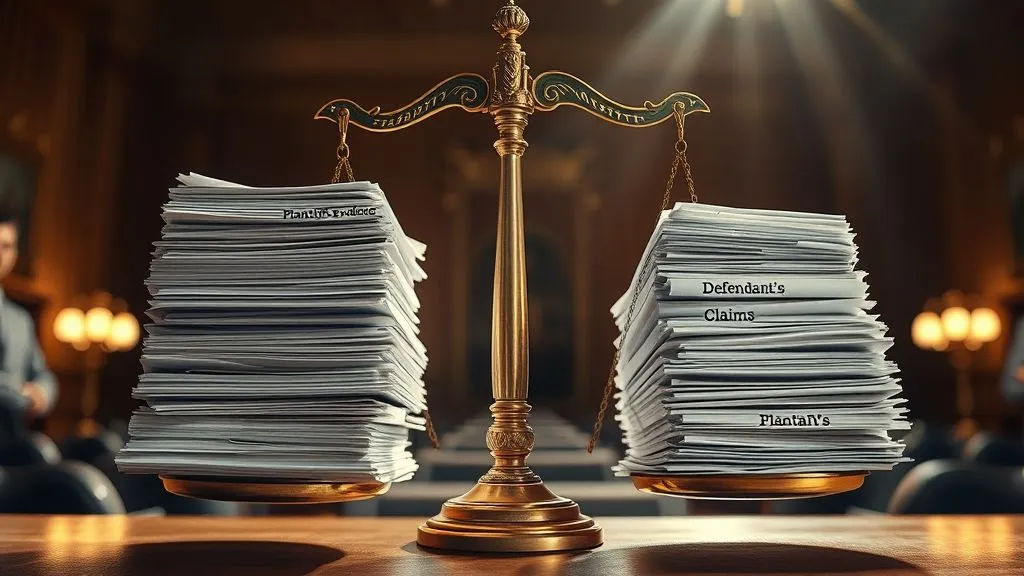
Before we can refute it, we must first understand the beast. Comparative negligence is a legal doctrine that assesses the relative fault of each party involved in an accident. Its primary purpose is to ensure that damages awarded reflect each party's contribution to the incident.
In practice, this means if a jury finds you 20% at fault for your slip and fall, your $100,000 award would be reduced by 20%, leaving you with $80,000. This is why understanding and actively refuting these claims is paramount.
Pure vs. Modified Comparative Negligence
States typically follow one of two main systems: pure comparative negligence or modified comparative negligence. In pure comparative negligence states, you can recover damages even if you are 99% at fault, though your recovery will be reduced by your percentage of fault. For example, if you are 70% at fault, you would still recover 30% of your damages.
Modified comparative negligence, however, introduces a threshold. Most commonly, this threshold is 50% or 51%. If you are found to be 50% or more at fault (in a 50% bar state) or 51% or more at fault (in a 51% bar state), you may recover nothing. This distinction is crucial for understanding the stakes in your jurisdiction. The Legal Information Institute at Cornell Law School provides an excellent overview of these state-specific variations.
Expert Insight: "Knowing your state's specific comparative negligence rules isn't just academic; it's the bedrock of your entire strategy. It dictates how aggressively you must fight every percentage point of alleged fault."
The Foundation: Establishing the Property Owner's Duty of Care
Before you can effectively refute comparative negligence claims, you must first firmly establish the property owner's primary negligence. Their duty of care is the legal obligation to ensure their premises are reasonably safe for visitors. This isn't just about general safety; it's about specific, foreseeable risks.
The type of duty owed often depends on your status as a visitor – invitee, licensee, or trespasser. Most premises liability cases involve invitees (customers, guests) to whom the highest duty of care is owed. This duty includes:
- Regularly inspecting the property for hazards.
- Promptly repairing or rectifying any discovered dangers.
- Providing adequate warnings about known, non-obvious dangers.
- Maintaining the premises in a generally safe condition.
If you can clearly demonstrate the owner breached this duty, you lay a strong foundation, making it harder for them to shift blame. For instance, a store owner who fails to clean up a spill for hours after being notified clearly breached their duty of care. The American Bar Association offers further insights into the concept of negligence in tort law.
Diligent Documentation: The Cornerstone of Your Defense
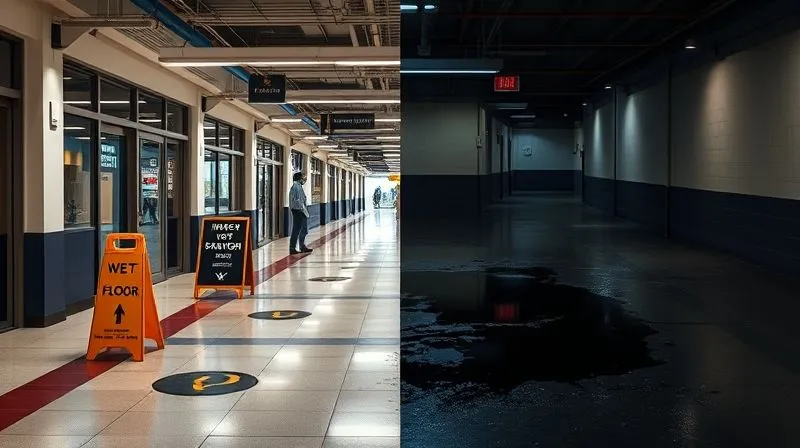
In premises liability, evidence is king. The more thoroughly you document the scene, your injuries, and the surrounding circumstances, the stronger your position to refute any claims of your own negligence. This isn't just about collecting facts; it's about building an undeniable narrative.
I've seen countless cases turn on the smallest details captured in photographs or recounted by a diligent witness. Don't underestimate the power of comprehensive evidence gathering immediately after an incident.
- Photographs and Videos: Capture the hazard from multiple angles, including close-ups and wider shots showing the surrounding area. Document lighting conditions, warning signs (or lack thereof), and any objects that might have contributed. Also, photograph your injuries immediately.
- Witness Statements: Obtain contact information for anyone who saw the incident or who can testify to the condition of the premises before or after. Their unbiased accounts can be invaluable.
- Incident Reports: If an employee or manager filled out an incident report, request a copy. Be cautious about what you say when filling one out yourself; stick to facts, not speculation about fault.
- Medical Records: Detailed medical records linking your injuries directly to the incident are crucial. Ensure your doctor notes the mechanism of injury and that you sought prompt medical attention.
- Surveillance Footage: If available, request any security camera footage. This often provides the most objective account of what transpired. Act quickly, as footage is often overwritten.
- Maintenance Logs: For commercial properties, these logs can reveal a history of neglect or demonstrate if the owner failed to address prior complaints about the hazard.
A structured approach to evidence collection can make all the difference when challenging comparative negligence. It moves your case from a 'he said, she said' scenario to one built on verifiable facts.
| Evidence Type | Key Information | Action Item |
|---|---|---|
| Photographs/Video | Hazard, lighting, warning signs, injuries | Capture immediately, multiple angles |
| Witness Statements | Contact info, unbiased accounts | Gather names & numbers, brief summary |
| Medical Records | Diagnosis, treatment, injury link to incident | Seek prompt care, ensure detailed notes |
| Surveillance Footage | Objective incident view | Request immediately, follow up |
| Incident Reports | Property owner's initial account | Obtain copy, review carefully |
Deconstructing the Defendant's Narrative: Anticipating Common Claims
Defendants in premises liability cases frequently employ a handful of common arguments to shift blame to the plaintiff. Being prepared for these tactics is half the battle. By understanding their likely claims, you can proactively build your case to dismantle them.
The 'Open and Obvious' Defense
This is arguably the most common defense. The property owner will argue that the hazard was so apparent that any reasonable person would have seen and avoided it. If successful, this can significantly reduce or eliminate your claim.
To refute this, you must demonstrate that the hazard was not, in fact, open and obvious. Factors include:
- Distractions: Was there a legitimate distraction (e.g., a display in a store, a crowd, poor signage) that diverted your attention?
- Lighting: Was the area poorly lit, obscuring the hazard?
- Nature of the Hazard: Was it a color that blended with the floor, a transparent liquid, or an unexpected change in elevation?
- Prior Knowledge: Did you have any reason to anticipate the specific hazard?
- Emergency Situation: Were you reacting to an emergency, making it difficult to perceive the hazard?
The 'Distracted Plaintiff' Argument
Defendants often try to portray plaintiffs as being distracted by their phone, looking elsewhere, or simply not paying attention. This plays directly into comparative negligence.
To counter this, you need to establish that you were exercising reasonable care under the circumstances. This doesn't mean you must walk with your eyes glued to the floor at all times. People naturally look forward, interact with their environment, and assume a reasonably safe pathway. Emphasize that your attention was reasonably directed, and the hazard was still unexpected or unavoidable given the circumstances.
Proving Lack of Foreseeability (for the Plaintiff, not the Defendant)
While the property owner's negligence hinges on the foreseeability of the hazard to them, your defense against comparative negligence often rests on the lack of foreseeability of the hazard *to you*. You need to show that you couldn't have reasonably anticipated or avoided the danger, even while exercising ordinary care.
This means highlighting factors that made the hazard unexpected. Was it a sudden spill? A broken step that looked intact? An unmarked change in elevation? The more you can emphasize the unexpected nature of the danger, the less likely a jury will find you negligent for not avoiding it.
Case Study: The Unseen Spill in Aisle 7
"Consider the case of Ms. Eleanor Vance, who slipped and fell in a grocery store. The store argued she was distracted, looking at a product on a shelf. Our investigation revealed the spill, a clear liquid, was located directly beneath a poorly stocked shelf, making it difficult to see against the light-colored tile floor. We also uncovered evidence that a store employee had been in the vicinity just minutes before but failed to notice or clean the spill.
By focusing on the subtle nature of the hazard, the poor lighting in that specific aisle, and the store's own missed opportunity to address it, we successfully argued that the spill was not 'open and obvious' to Ms. Vance, despite her looking at a product. The jury agreed, finding the store 90% at fault, significantly reducing the impact of their comparative negligence defense and securing substantial compensation for Ms. Vance's injuries."

Expert Testimony: Lending Unimpeachable Credibility
When battling complex comparative negligence claims, bringing in qualified experts can be a game-changer. Their objective analysis and specialized knowledge can provide the unimpeachable credibility needed to sway a jury or an insurance adjuster. This is where the science and objective reality of your case shine.
Types of experts frequently employed in premises liability cases include:
- Forensic Engineers/Safety Experts: They can analyze the physical conditions of the premises, identify building code violations, assess the visibility of a hazard, or reconstruct the accident to show how it occurred and why it was unavoidable.
- Medical Experts: Doctors, orthopedists, or neurologists can testify to the severity of your injuries, their direct causation by the fall, and refute any claims that pre-existing conditions were the sole cause, thereby isolating the injury to the incident.
- Human Factors Experts: These specialists can explain how human perception, attention, and decision-making are influenced by environmental factors. They can argue why a reasonable person might not have perceived or avoided a particular hazard under the circumstances.
- Economists: In cases involving significant lost wages or earning capacity, an economist can provide expert testimony on the financial impact of your injuries, further emphasizing the need for full compensation.
The right expert can transform a subjective argument into an objective, data-driven one, making it much harder for the defense to attribute fault to you. A study published in the Georgetown Law Journal highlights the pivotal role of expert witnesses in personal injury litigation.
Strategic Legal Maneuvers: Motions and Negotiations
Beyond evidence and testimony, experienced legal counsel employs strategic maneuvers throughout the litigation process to combat comparative negligence claims. These tactics are designed to either eliminate the claim before trial or position your case for a favorable settlement.
Motions for Summary Judgment
In some instances, if the evidence overwhelmingly favors your position and there are no genuine disputes of material fact regarding your fault, your attorney might file a motion for summary judgment. This asks the court to rule that, as a matter of law, you were not comparatively negligent or that the defendant cannot prove you were. While rarely granted for the entire issue of negligence, it can sometimes narrow the scope of the comparative negligence argument.
Effective Negotiation Tactics
During settlement negotiations, your attorney will leverage all the evidence, expert opinions, and legal arguments developed to counter comparative negligence. They will highlight the weaknesses in the defendant's claims of your fault and emphasize the strength of your case regarding the property owner's negligence. A strong factual and legal argument against comparative negligence gives you significant leverage in demanding fair compensation.
It's during these negotiations that your attorney's experience truly shines, as they anticipate the defense's moves and strategically present your case to maximize your recovery. Understanding the economic impact of your injury is also vital in these discussions, as outlined by resources like the National Safety Council's data on accident costs.

The Psychology of the Jury: Framing Your Story
Ultimately, if your case goes to trial, you're not just presenting facts; you're telling a story. How that story is framed, especially concerning your actions, can profoundly influence how a jury perceives comparative negligence. Juries are often swayed by empathy and a sense of fairness.
Your attorney will work to present you as a responsible individual who was simply caught unaware by an unexpected hazard created or maintained by the defendant. They will emphasize your reasonable expectations of safety on the premises and challenge any attempts by the defense to paint you as careless or reckless. This involves:
- Humanizing your experience and the impact of your injuries.
- Demonstrating the normalcy of your actions leading up to the incident.
- Highlighting the property owner's deliberate or negligent choices.
Expert Insight: "A jury wants to believe you. They want to understand why a reasonable person, like them, could have suffered this injury. Your narrative must resonate with their sense of justice, effectively countering any implicit blame the defense tries to cast."
Frequently Asked Questions (FAQ)
Q: What if I admit some fault at the scene of the accident? A: Admitting fault at the scene can significantly complicate your case, as these statements can be used against you. It's crucial to stick to the facts without speculating about blame. If you did make such a statement, an experienced attorney can help mitigate its impact by contextualizing it or arguing it was made under duress or shock, but it undeniably makes refuting comparative negligence claims harder.
Q: Can comparative negligence apply to children? A: Generally, children are held to a lower standard of care than adults. Their capacity to perceive and avoid danger is considered based on their age, intelligence, and experience. It's much harder for a defendant to successfully argue comparative negligence against a young child, though older minors might be held to a 'reasonable child' standard.
Q: How does my state's comparative negligence rule affect my strategy? A: Your state's rule (pure, 50% bar, or 51% bar) is foundational. In a pure comparative negligence state, you fight for every percentage point of fault. In a modified state, you must ensure your fault percentage remains below the threshold to recover any damages, making the fight against comparative negligence claims even more critical. Your attorney will tailor the strategy based on this specific legal landscape.
Q: Is it always worth fighting comparative negligence claims? A: Absolutely. Even a small percentage of fault can lead to a significant reduction in your compensation, especially with substantial medical bills and lost wages. Fighting these claims is about maximizing your rightful recovery and holding the negligent party fully accountable. An attorney will assess the strength of the defense's claims versus your ability to refute them.
Q: What's the role of surveillance video in these claims? A: Surveillance video can be a powerful, objective piece of evidence. It can either definitively prove the property owner's negligence and your lack of fault, or, if unfavorable, it can strengthen the defendant's comparative negligence argument. Securing and reviewing any available footage quickly is paramount, as it's often overwritten after a short period.
Key Takeaways and Final Thoughts
Successfully refuting comparative negligence claims in premises injury cases requires a meticulous, strategic, and expert-driven approach. It's not enough to simply claim you weren't at fault; you must build an unassailable case that systematically dismantles the defense's arguments.
- Understand your state's specific comparative negligence laws.
- Prioritize thorough and immediate documentation of the scene and injuries.
- Anticipate common defense tactics like the 'open and obvious' argument.
- Leverage expert testimony to provide objective, scientific backing for your claims.
- Work with an experienced personal injury attorney who can execute strategic legal maneuvers and frame a compelling narrative.
Remember, your journey to recovery shouldn't be undermined by unfair blame. With the right legal team and a commitment to these strategies, you can confidently challenge comparative negligence claims and secure the full compensation you deserve. Don't let the legal complexities deter you; empower yourself with knowledge and expert guidance.

Recommended Reading
- 7 Legal Steps to Effectively Challenge Predatory Lending
- 5 Critical Strategies: Resolve Commercial Property Title Defects Fast
- DRM Circumvention & Cyber Law: Unmasking the Hidden Legal Pitfalls
- Denied Medicare Part A Nursing Home Coverage? Uncover the Appeal Secrets!
- 5 Keys to Resolving Jurisdictional Conflicts in Online Trade



Comments
Leave a comment below. Your email will not be published. Required fields marked with *