


How to Secure Black Box Data After a Fatal Truck Crash?
For over two decades in personal injury law, specializing in the devastating aftermath of truck accidents, I've witnessed firsthand the profound impact of lost or compromised evidence. The difference between justice served and a family's prolonged struggle often hinges on one critical piece of information: the data locked within a truck's "black box."
When a fatal truck crash occurs, the emotional toll is immeasurable, but for legal professionals, a different kind of clock starts ticking. Families seek answers, accountability, and justice, yet the complex nature of commercial trucking investigations means crucial electronic data can be overwritten, destroyed, or intentionally withheld if not acted upon immediately. This immediate post-crash period is a race against time where every hour counts.
This comprehensive guide is born from countless hours in courtrooms, at accident scenes, and in negotiations. I'll walk you through the precise, actionable steps to ensure this vital black box data is not only secured but also preserved, meticulously analyzed, and effectively leveraged to build an undeniable case for your clients. Understanding how to secure black box data after a fatal truck crash is not just a legal strategy; it's a moral imperative.
Understanding the 'Black Box': What is an EDR in a Commercial Truck?
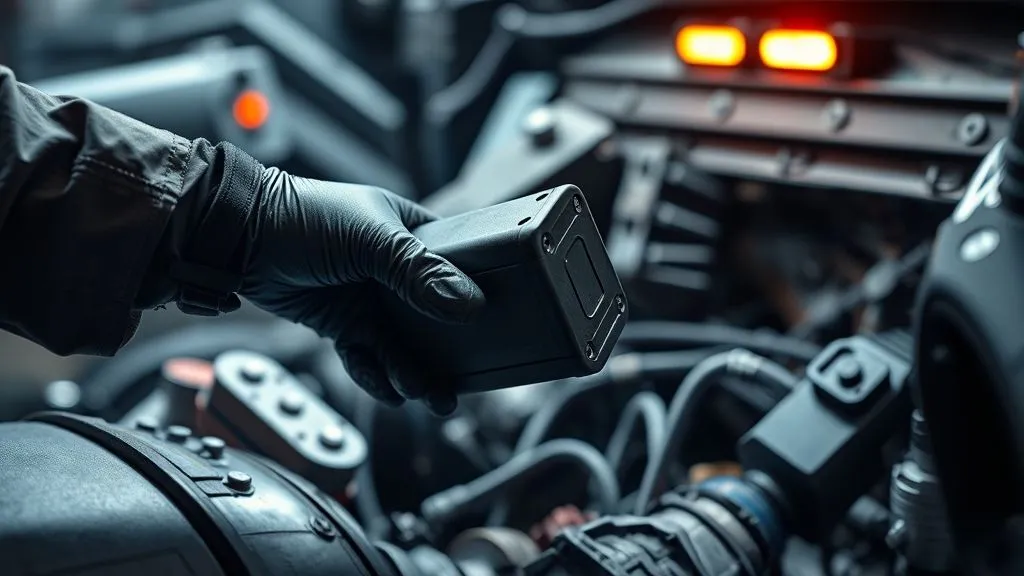
When we talk about a "black box" in a commercial truck, we're primarily referring to an Event Data Recorder (EDR). Unlike an airplane's flight recorder, which is often bright orange and records voice, truck EDRs are typically integrated into various vehicle systems and are much less conspicuous. They are, however, equally critical for understanding the moments leading up to a collision.
These sophisticated devices continuously monitor and store a vast array of operational parameters. Data points often include vehicle speed, braking activity, steering input, engine RPM, throttle position, seatbelt usage, and even crash forces. This information provides an objective, unvarnished account of vehicle performance and driver actions in the seconds before, during, and after an impact, making it invaluable for accident reconstruction.
Beyond the Cockpit: The Realities of Truck EDRs
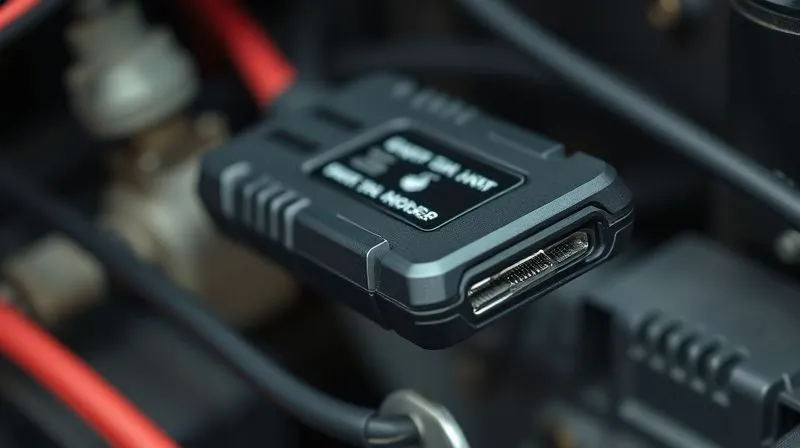
It’s important to understand that a commercial truck might have multiple data-recording units, not just one singular "black box." The primary EDR is often found within the Airbag Control Module (ACM), but other systems like the Engine Control Module (ECM), transmission control unit, anti-lock braking system (ABS), and even aftermarket telematics or GPS tracking devices can store crucial information. Each of these components can act as a mini-EDR, holding pieces of the puzzle that, when combined, paint a complete picture of the incident.
The challenge lies in knowing where to look and how to access this proprietary data. Truck manufacturers use different systems, requiring specialized tools and software for extraction. This complexity underscores why swift, expert intervention is non-negotiable for anyone asking how to secure black box data after a fatal truck crash.
The Immediate Aftermath: Why Time is Your Fiercest Enemy
In the wake of a fatal truck crash, the clock starts ticking not just for grief-stricken families, but for the preservation of evidence. Trucking companies are notorious for their rapid response teams, often dispatched to the scene within hours. Their primary objective, while ostensibly to assist, is often to protect their assets and limit liability. This swift action can inadvertently, or sometimes deliberately, lead to the loss of crucial data.
Data stored in EDRs is not always permanent. Many systems operate on a loop, overwriting older data after a certain period or number of ignition cycles. If the truck is moved, repaired, or even simply restarted multiple times, the very evidence that could prove negligence might vanish forever. This immediate threat highlights the critical need for speed and precision in your legal response.
Spoliation: The Silent Threat to Justice
The legal term for destroying or altering evidence is "spoliation," and it's a formidable adversary in truck accident litigation. Spoliation can be intentional, such as deliberately downloading and deleting data, or unintentional, like a mechanic performing routine maintenance without realizing the evidentiary value of the data they're overwriting. Regardless of intent, the effect is the same: critical evidence is lost, potentially crippling a victim's case.
As attorneys, our responsibility extends beyond filing paperwork; it includes anticipating and actively preventing spoliation. This proactive stance is the cornerstone of how to secure black box data after a fatal truck crash. Without immediate action, the opportunity to obtain irrefutable evidence can be lost forever, leaving victims and their families without answers or recourse.
Step 1: Issue a Comprehensive Spoliation Letter (Preservation Letter)
The very first and arguably most critical step in securing black box data is to immediately issue a robust and comprehensive Spoliation Letter, often called a Preservation Letter. This legal document puts all relevant parties on notice of their obligation to preserve all evidence related to the crash. Without this, a trucking company might claim ignorance if data goes missing.
I've seen countless cases where a well-drafted spoliation letter made the difference between a strong case and one riddled with evidentiary gaps. It must be sent via certified mail or other trackable means to the truck driver, the trucking company, the owner of the truck (if different), the trailer owner, and their respective insurance carriers. This ensures a clear record of your demand.
Crafting an Ironclad Demand for Evidence
A generic letter simply won't suffice. Your spoliation letter must be highly specific, detailing every piece of evidence you demand be preserved. Think broadly: not just the EDR, but all data-recording devices. Here are the key components that must be included:
- Identification of Parties & Incident: Clearly state the date, time, and location of the crash, and identify all known parties involved.
- Specific Demands for Vehicle Data: Explicitly request preservation of all EDR, ECM, ABS, and transmission control module data. Specify "all raw, unanalyzed data."
- Telematics & GPS Data: Demand all data from ELDs (Electronic Logging Devices), GPS tracking systems, dash cams, and any other telematics systems.
- Driver Records: Mandate preservation of driver logbooks (electronic and paper), training records, drug and alcohol test results, and personnel files.
- Vehicle Maintenance Records: Include all maintenance, inspection, repair, and service records for the truck and trailer involved.
- Communication Records: Demand preservation of all internal communications (emails, texts, dispatch logs) related to the incident and the driver.
- Physical Evidence: Instruct them to preserve the truck, trailer, and all debris from the scene, preventing any alterations or repairs.
- Warning Against Spoliation: Explicitly state the legal consequences of spoliation of evidence, including adverse inference instructions to a jury.
- Request for Notification: Demand notification of any plans to inspect, download data from, or move the vehicles.
Case Study: The Proactive Preservation Payoff
In a complex case involving a fatal rear-end collision, my client's loved one was killed by a distracted truck driver. Within hours of learning of the incident, my team issued a comprehensive spoliation letter to the trucking company. They initially claimed the truck's EDR was "malfunctioning" and its data "corrupted." However, because our letter specifically demanded preservation of all data, including telematics and ECM, we were able to compel them to produce the raw ECM data. This data, when analyzed by our experts, clearly showed the truck was traveling significantly above the speed limit and the driver made no braking input until milliseconds before impact, directly contradicting the company's initial claims. The early, detailed spoliation letter prevented them from successfully hiding or destroying this critical evidence, ultimately leading to a favorable settlement for our client's family.
Step 2: Assemble Your Expert Team – Accident Reconstructionists & Forensic Engineers
Securing black box data is not a DIY project for attorneys. It requires a specialized team of experts, primarily accident reconstructionists and forensic engineers, who understand the intricate mechanics of commercial vehicles and the nuances of data retrieval. Engaging these professionals immediately is paramount, often concurrently with sending your spoliation letter.
These experts bring a wealth of knowledge that is indispensable. An accident reconstructionist can assess the scene, vehicle damage, and physical evidence to corroborate or contextualize electronic data. A forensic engineer, on the other hand, possesses the technical expertise to identify, access, and forensically download data from various EDRs, ensuring the chain of custody is meticulously maintained and data integrity is preserved.
The Unsung Heroes of Data Retrieval
Your expert team will be your eyes and ears on the ground. They are trained to know where different EDRs are located in various truck models, what specialized tools are needed for extraction, and how to handle data in a forensically sound manner. This includes creating bit-for-bit copies of the data, documenting every step of the process, and safeguarding against any alteration. Their involvement from the outset is a powerful deterrent against spoliation and a cornerstone for establishing the authenticity of the data in court.
Step 3: Navigating the Scene – On-Site Data Identification and Preservation
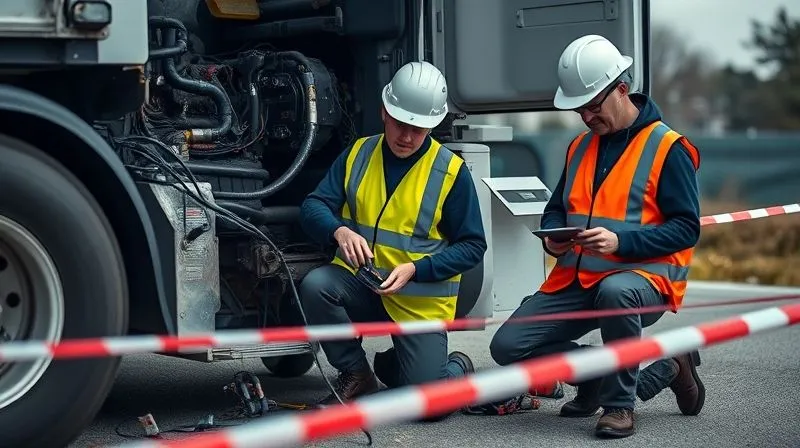
While the spoliation letter protects data that might be moved or accessed remotely, on-site presence is crucial for identifying and preserving physical evidence and potential data sources that might otherwise be overlooked. This means getting your expert team to the crash scene or the impound lot as quickly as possible, ideally before any significant movement or alteration of the vehicles.
The sheer force of a fatal truck crash can cause extensive damage, making EDRs difficult to locate or even physically compromised. Your experts will conduct a thorough examination, documenting everything with photographs, laser scans, and detailed notes. They'll look beyond the obvious, searching for all potential data-recording units, which might be spread across the truck and even the trailer.
Beyond the Obvious: Locating All Relevant EDRs
It's a common misconception that there's just one "black box." As I mentioned, modern commercial trucks are essentially rolling computers. Here’s what your team should be looking for:
- Engine Control Module (ECM): Often stores engine performance data, speed, and fault codes.
- Airbag Control Module (ACM): The primary EDR in many vehicles, recording pre-crash data, crash severity, and seatbelt usage.
- Brake Control Module (BCM/ABS): Contains data related to braking events, wheel speed, and ABS activation.
- Transmission Control Module (TCM): Records gear selection and transmission performance.
- Electronic Logging Devices (ELDs): Crucial for hours-of-service compliance, often integrated with GPS and vehicle performance data.
- GPS Tracking Units: Independent devices that log location, speed, and sometimes driver behavior.
- Dash Cameras: Both forward-facing and driver-facing cameras can provide invaluable visual evidence.
- Trailer EDRs: Some modern trailers have their own systems for tracking weight, braking, and tire pressure.
"The physical scene of a fatal truck crash is a fleeting narrative. Every piece of debris, every tire mark, and every electronic module holds a part of that story. Failing to capture it immediately is not just an oversight; it's a profound disservice to justice."
Your experts will ensure that the integrity of these devices is maintained, preventing any further damage that could hinder data extraction. This meticulous on-site preservation is a non-negotiable step in how to secure black box data after a fatal truck crash.
Step 4: The Data Download – Protocols and Pitfalls
Once identified and secured, the next crucial step is the forensic download of the data. This is where specialized tools and expertise are absolutely vital. Attempting to download data without the proper equipment or knowledge can corrupt the data, rendering it useless or even leading to accusations of tampering.
Forensic engineers use proprietary software and hardware interfaces to connect directly to the vehicle's modules. This process is highly technical and requires strict adherence to protocols to ensure the data's integrity. It's not as simple as plugging in a USB drive; it involves bypassing vehicle systems and directly accessing the memory chips.
Ensuring Integrity During Extraction
To maintain the chain of custody and ensure the data's admissibility in court, several critical steps must be followed during the download process:
- Witnessed Download: Ideally, representatives from all parties (plaintiff, defendant, law enforcement) should be present to witness the data download. This transparency helps prevent later disputes about the data's authenticity.
- Specialized Tools: Only manufacturer-approved or forensically validated tools should be used. These tools are designed to extract data without altering the original memory.
- Bit-for-Bit Copies: The goal is to create an exact, unaltered, bit-for-bit copy of the data. This "forensic image" is then used for analysis, leaving the original data on the module untouched.
- Hash Verification: Cryptographic hash values (unique digital fingerprints) are generated before and after the download. If the hash values match, it confirms that the data has not been altered during transfer.
- Detailed Documentation: Every step, from connecting the device to the final download, must be meticulously documented with photographs, video, and written logs, noting timestamps and personnel involved.
Common pitfalls include attempting a download with a low battery (which can corrupt data), using generic diagnostic tools instead of forensic ones, or failing to properly document the process. These errors can severely undermine the evidentiary value of the black box data.
| Aspect | Manual/Diagnostic Download | Forensic Download |
|---|---|---|
| Method | Uses generic OBD-II scanners or basic manufacturer tools. | Uses specialized, forensically validated hardware and software. |
| Integrity | Risk of data alteration, overwriting, or incomplete extraction. Chain of custody often compromised. | Creates bit-for-bit copies, uses hash verification, preserves original data. Strict chain of custody. |
| Admissibility | Often challenged in court due to lack of integrity proof. | Highly admissible due to rigorous protocols and verified integrity. |
| Expertise Required | Basic mechanical or diagnostic knowledge. | Specialized forensic engineering expertise. |
Step 5: Analyzing the Data – What the Black Box Reveals
Once the black box data has been forensically downloaded and verified, the real detective work begins. Raw data, in its unanalyzed form, is just a series of numbers and codes. It's the skilled interpretation by forensic engineers and accident reconstructionists that transforms this data into compelling evidence, shedding light on the crash dynamics and driver behavior.
The analysis phase involves correlating the EDR data with other evidence, such as scene photographs, witness statements, vehicle damage, and medical reports. This holistic approach ensures that the black box data is understood within the full context of the accident, providing a robust narrative of what truly transpired. It's not just about what the data says, but what it *means* in the context of the collision.
Translating Raw Data into Actionable Insights
The insights gleaned from black box data can be incredibly powerful in establishing negligence or refuting false claims:
- Speed Verification: EDRs often record speed leading up to impact, directly challenging or confirming speed limits and driver claims.
- Braking Activity: Data on brake application, duration, and intensity can reveal if a driver braked too late, too hard, or not at all.
- Steering Input: Information on steering wheel angle can indicate evasive maneuvers, loss of control, or even driver distraction.
- Seatbelt Usage: EDRs can record if the driver's seatbelt was buckled, impacting arguments about driver negligence or injury causation.
- Engine Diagnostics: Fault codes or engine performance data can indicate pre-existing mechanical issues or driver actions that overloaded the engine.
- Hours of Service: ELD data provides irrefutable proof of compliance (or non-compliance) with federal hours-of-service regulations, a critical factor in driver fatigue cases.
According to a study by the National Highway Traffic Safety Administration (NHTSA), EDR data is instrumental in determining fault and understanding crash dynamics in a significant percentage of serious vehicle accidents. This objective evidence often cuts through conflicting testimonies and provides a clear picture for juries.
Step 6: Leveraging Black Box Data in Litigation
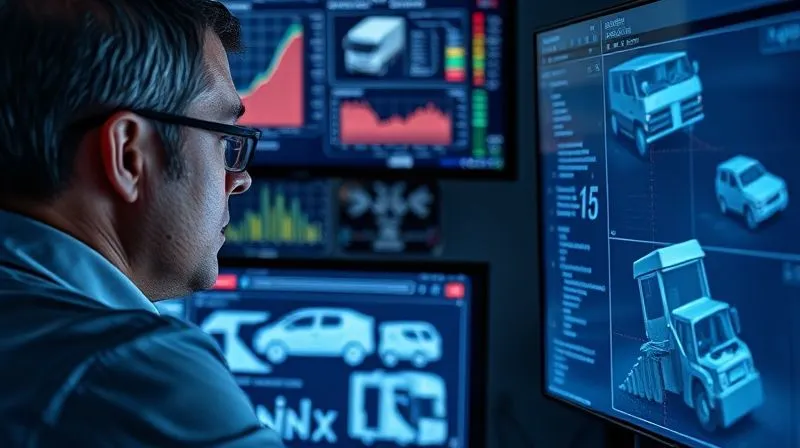
Securing and analyzing black box data is only half the battle. The ultimate goal is to effectively leverage this evidence in settlement negotiations and, if necessary, in court. Black box data, due to its objective and scientific nature, carries significant weight and can dramatically influence the outcome of a personal injury case arising from a fatal truck crash.
In my experience, presenting clear, verifiable data derived from the truck's own systems makes it incredibly difficult for the defense to deny liability. It removes subjective arguments and replaces them with hard facts, shifting the burden of proof firmly onto the trucking company to explain why their own data contradicts their claims.
From Evidence to Argument: Building Your Case
Here’s how black box data becomes a powerful tool in litigation:
- Expert Testimony: Your forensic engineers and accident reconstructionists will testify as expert witnesses, explaining the data, its meaning, and how it leads to their conclusions about causation and fault. Their testimony, backed by irrefutable data, is highly persuasive.
- Settlement Negotiations: Armed with compelling black box data, you enter negotiations from a position of strength. The defense knows that this evidence will be devastating at trial, often leading to more favorable settlement offers.
- Cross-Examination: EDR data can be used to effectively cross-examine defense witnesses, especially the truck driver, by highlighting inconsistencies between their testimony and the objective vehicle data.
- Visual Aids: Experts can create visual aids, such as animations or graphs based on the EDR data, to help a jury understand complex technical information in an easily digestible format.
- Motions for Summary Judgment: In some cases, the data may be so conclusive that it can support a motion for summary judgment on liability, significantly streamlining the legal process.
The Federal Motor Carrier Safety Administration (FMCSA) has extensive regulations governing commercial truck operations, and black box data often provides direct evidence of violations of these critical safety rules. This helps solidify a negligence claim, proving the trucking company failed to adhere to federal standards.
| Data Point | Legal Implication | Impact on Case |
|---|---|---|
| Speed at Impact | Direct evidence of speeding, excessive speed for conditions, or failure to reduce speed. Supports negligence. | Strongly favors plaintiff, increases liability. |
| Brake Application | Indicates driver reaction time, failure to brake, or improper braking. Crucial for causation. | Can establish driver negligence or refute claims of sudden stop by other vehicles. |
| Hours of Service (ELD) | Proof of driver fatigue, violation of FMCSA regulations. Establishes carrier negligence. | Opens avenues for punitive damages against the trucking company. |
| Throttle Position | Shows driver acceleration/deceleration input. Can refute claims of mechanical failure. | Supports driver error over vehicle malfunction. |
Step 7: Continuous Vigilance – Monitoring for Tampering and Data Loss
Even after the initial download, your responsibility to protect the integrity of the black box data doesn't end. Vigilance must be continuous throughout the litigation process. The stakes are incredibly high in fatal truck crash cases, and unfortunately, the temptation to tamper with or lose evidence can persist.
I've seen instances where defense counsel attempts to challenge the chain of custody months after the initial download, or where subsequent vehicle inspections raise new questions about data integrity. Your expert team must remain available to address these challenges and reaffirm the authenticity of the evidence.
Protecting the Integrity of Your Evidence
Here’s what ongoing vigilance entails:
- Secure Storage: Ensure all forensic copies of the data are stored securely, ideally on encrypted drives with restricted access, following strict chain of custody protocols.
- Regular Review: Periodically review the data and the expert's analysis to ensure consistency and identify any potential vulnerabilities in your presentation.
- Monitoring Vehicle Status: If the truck is still in possession of the defense, continue to monitor its status, ensuring no unauthorized repairs or alterations occur that could impact other physical evidence.
- Responding to Challenges: Be prepared to swiftly and decisively respond to any defense challenges regarding the data's authenticity, using your meticulous documentation and expert testimony.
- Legal Ramifications for Spoliation: Reinforce the serious legal consequences of spoliation. Courts can impose severe sanctions, including adverse inference instructions to the jury (telling them to assume the lost evidence would have been unfavorable to the spoliating party), striking pleadings, or even default judgment. This serves as a powerful deterrent.
Maintaining this level of scrutiny ensures that the invaluable evidence you worked so hard to secure remains unimpeachable, providing the strongest possible foundation for your client's pursuit of justice. For more insights on evidence preservation, articles like those found on the American Bar Association website often provide valuable legal perspectives.
Frequently Asked Questions (FAQ)
Can black box data be tampered with or altered? Absolutely. While forensic downloads employ robust protocols to prevent alteration during extraction, the data on the vehicle's modules can be manipulated or overwritten if not properly secured immediately after a crash. This is precisely why issuing a spoliation letter and deploying a forensic expert team is so critical. Intentional tampering can lead to severe legal penalties for the responsible party.
How long is EDR data typically stored in a commercial truck? The storage duration varies significantly by manufacturer, module, and data type. Some EDRs operate on a continuous loop, overwriting older data after a certain number of ignition cycles or hours of operation (e.g., 250-500 hours). Crash event data, however, is often stored more persistently but can still be overwritten by subsequent "severe" events. This variability is why immediate preservation is non-negotiable; waiting even a few days can mean critical data is lost.
What if the truck is completely destroyed or burned in the crash? Can data still be retrieved? Even in cases of severe destruction, there's often hope. EDRs are designed to be rugged. While heat, water, and impact can damage them, forensic engineers possess specialized techniques to retrieve data from damaged or partially destroyed modules. This might involve disassembling the module and directly accessing memory chips. It's never safe to assume data is unrecoverable without a thorough expert assessment.
Is black box data admissible as evidence in court? Yes, generally. Black box data, when properly secured, forensically downloaded, and authenticated by qualified expert witnesses, is highly admissible in court. It's considered objective, scientific evidence that can provide crucial insights into vehicle dynamics and driver behavior. The key is demonstrating a clear chain of custody and proving the data's integrity from the moment of extraction to its presentation in court.
How much does it typically cost to retrieve and analyze EDR data? The cost can vary widely depending on the complexity of the case, the number of modules involved, the extent of vehicle damage, and the expert's fees. Initial retention fees for an accident reconstructionist and forensic engineer might range from a few thousand dollars, with overall costs for full data retrieval, analysis, and expert testimony potentially reaching tens of thousands. While an investment, the value of this evidence in securing a favorable outcome for a fatal truck crash case often far outweighs the expense. For broader legal insights on litigation costs, resources like Forbes Advisor can offer general context.
Key Takeaways and Final Thoughts
The aftermath of a fatal truck crash is a harrowing experience for everyone involved, especially the victims' families. As legal professionals, our role is to navigate this complex landscape with precision, empathy, and an unwavering commitment to justice. Securing black box data is not merely a technical step; it is the cornerstone of building an irrefutable case and holding negligent parties accountable.
- Act Immediately: Time is your most critical resource. Issue a detailed spoliation letter within hours, not days.
- Engage Experts: Retain qualified accident reconstructionists and forensic engineers from the outset. Their expertise is indispensable.
- Preserve Everything: Identify all potential data sources and ensure their physical and digital integrity is maintained.
- Follow Protocols: Adhere strictly to forensic data download and analysis protocols to ensure admissibility.
- Be Vigilant: Continuously monitor for any attempts at spoliation or challenges to evidence integrity.
I've seen the power of this evidence transform cases, providing closure and justice for families who have lost so much. By meticulously following these steps, you not only fulfill your professional duty but also honor the memory of those tragically lost. Remember, understanding how to secure black box data after a fatal truck crash is not just about evidence; it's about advocating for truth and accountability, ensuring that the objective facts speak for themselves.
Recommended Reading
- Unveiling the Truth: What Are the Limits of Consent Searches by Police?
- Unearth the Truth: Navigating Legal Challenges of Brownfield Redevelopment
- How to Successfully Contest a Guardianship Petition in Court: Your Ultimate Guide
- 7 Legal Safeguards: Mitigating Faculty Research Misconduct Risks
- Losing Parental Rights: Can Unpaid Child Support Trigger It?




Comments
Leave a comment below. Your email will not be published. Required fields marked with *