



How to Secure Black Box Data from a Commercial Truck Crash?
For over two decades in the personal injury legal field, particularly focusing on commercial truck accidents, I've witnessed firsthand the devastating impact these collisions have. More importantly, I've seen countless cases hinge on a single, often overlooked, piece of evidence: the 'black box' data. Many victims and even some legal professionals underestimate the immediate, critical steps required to secure this vital information, leading to lost opportunities for justice.
The problem is profound. Commercial trucking companies are sophisticated entities with immediate response teams whose primary goal is to minimize their liability. Without swift, decisive action, crucial electronic data can be overwritten, destroyed, or simply 'disappear.' This loss of evidence can severely cripple a victim's ability to prove negligence, leaving them without the compensation they desperately need for medical bills, lost wages, and pain and suffering.
This guide isn't just a collection of facts; it's a roadmap born from years of navigating these complex scenarios. I'll walk you through the essential, actionable steps—from the immediate aftermath of a crash to the legal strategies required—to ensure you can effectively secure and utilize black box data. You'll gain expert insights, understand the critical timelines, and learn how to protect this indispensable evidence, fundamentally strengthening your truck accident claim.
Understanding the Commercial Truck's "Black Box": The Event Data Recorder (EDR)
When we talk about a commercial truck's 'black box,' we're typically referring to its Event Data Recorder (EDR). Unlike the bright orange flight recorders in airplanes, a truck's EDR isn't a standalone unit designed solely for crash recording. Instead, it's often an integrated component of the truck's Engine Control Module (ECM) or a separate module connected to the vehicle's electronic systems.
This EDR is an invaluable digital witness, recording a wealth of pre-crash and crash-related data. It's essentially the truck's memory, capturing critical parameters that paint a detailed picture of what happened in the moments leading up to and during a collision. Without this data, reconstructing the accident and proving negligence becomes significantly more challenging.
"In my experience, the EDR is often the most objective and irrefutable evidence available in a truck accident case. It speaks volumes where human testimony might falter or be biased."
What kind of data does an EDR typically record? Here's a quick overview:
- Vehicle Speed: Crucial for determining if the truck was exceeding the speed limit or driving too fast for conditions.
- Brake Application: Records when and how forcefully the brakes were applied, indicating driver reaction time.
- Engine RPM: Provides insight into engine load and power output.
- Steering Input: Some advanced systems record steering wheel angle.
- Seatbelt Usage: Often records whether the driver was buckled up.
- Fault Codes: Diagnostic trouble codes that could indicate mechanical issues.
- Impact Data: Deceleration rates and forces experienced during the crash.
This data, when properly retrieved and analyzed by experts, can be the linchering pin in proving negligence, driver fatigue, or even mechanical failure. It transforms speculative arguments into evidence-backed facts, which is precisely why securing it promptly is paramount.
The Critical Window: Why Time is Your Enemy
I cannot stress this enough: in commercial truck accident cases, time is not on your side, especially when it comes to EDR data. The moments, hours, and days immediately following a crash are a critical window of opportunity that, if missed, can lead to the permanent loss of vital evidence.
The concept of 'spoliation of evidence' is a grave concern here. Spoliation refers to the intentional or negligent destruction, alteration, or concealment of evidence relevant to a legal proceeding. While outright intentional destruction is rare (and carries severe penalties), unintentional spoliation is a far more common threat. This often occurs through routine fleet maintenance or, more insidiously, through the EDR's own data overwrite mechanisms.
Many EDRs operate on a 'loop' system, constantly recording and then overwriting older data after a certain number of ignition cycles or operating hours. This means that if the truck is started and driven even a few times after an accident, the critical pre-crash data could be permanently erased. Trucking companies, whether through their internal policies or simply by moving the vehicle for repairs, can inadvertently (or conveniently) trigger these overwrite cycles.

Furthermore, trucking companies often have rapid response teams that will dispatch immediately to an accident scene. Their primary objective, while appearing cooperative, is to protect their client's interests, which often involves securing the truck and its data before opposing counsel can intervene. This is a business, and they are masters of damage control. Delaying your own action gives them a significant advantage.
"Every minute that passes after a commercial truck crash increases the risk of critical black box data being lost forever. Procrastination is the silent killer of strong personal injury claims."
Understanding this critical timeline underscores why immediate, informed action is not just beneficial, but absolutely essential.
Immediate Post-Crash Actions: Laying the Groundwork
In the chaotic aftermath of a commercial truck accident, your immediate priority should always be safety and medical attention. However, once those critical needs are addressed, a series of rapid, strategic actions are essential to preserve potential evidence, including the black box data. This is where the groundwork for a strong case is laid.
- Prioritize Safety and Medical Attention: First and foremost, ensure everyone's safety. Seek immediate medical attention for any injuries, even if they seem minor. Your health is paramount.
- Call the Police and File a Report: Always call 911. A police report creates an official record of the incident, documenting basic facts, involved parties, and initial observations. This report can be crucial for later investigations.
- Gather Initial Evidence at the Scene: If you are able and it is safe, take extensive photographs and videos. Document vehicle positions, road conditions, skid marks, damage to both vehicles, and any visible injuries. Get contact information from witnesses.
- Crucial: Contact an Experienced Personal Injury Attorney *Immediately*: This is perhaps the most vital step after ensuring safety. An attorney specializing in commercial truck accidents understands the urgency and legal nuances involved in securing black box data. They can act swiftly on your behalf to prevent spoliation.
"The decision to contact a specialized attorney is not just about legal representation; it's about deploying an immediate, experienced defense against sophisticated trucking company tactics designed to minimize their liability."
I've seen countless cases where victims, overwhelmed by the trauma, delayed contacting legal counsel, only to find that critical data had been lost. An attorney can initiate the legal process to protect evidence before it's too late, a step you simply cannot afford to overlook.
Legal Strategies for Data Preservation: The Demand Letter
Once you've engaged an attorney, one of their first and most critical actions will be to issue what's commonly known as a 'Spoliation Letter' or 'Preservation Letter.' This isn't just a formality; it's a powerful legal tool designed to put all parties on notice that evidence, specifically the black box data, must be preserved.
A well-crafted preservation letter is sent to the trucking company, the truck driver, their insurance carrier, and any other potentially responsible parties. Its purpose is clear: to formally demand that they take all necessary steps to prevent the destruction, alteration, or loss of any evidence related to the accident, including the truck's EDR/ECM data, dashcam footage, ELD records, and maintenance logs.
What must this letter include to be effective?
- Specific Identification: Clearly identify the involved truck, driver, and accident details.
- Explicit Demand for Preservation: Explicitly state the demand to preserve *all* evidence, with a particular focus on electronic data.
- Detailing Specific Data: Itemize the types of data to be preserved, such as EDR data (speed, braking, throttle), ECM data, GPS logs, Electronic Logging Device (ELD) data, driver qualification files, drug/alcohol test results, and maintenance records.
- Warning Against Spoliation: Clearly articulate the legal consequences of spoliation, including adverse inference instructions to the jury or even sanctions.
- Method of Delivery: Always send via certified mail with a return receipt requested, or through a process server, to ensure irrefutable proof of delivery and receipt.
This letter creates a legal obligation. If, after receiving such a letter, the trucking company allows the data to be destroyed, they face significant legal repercussions. As a legal professional, I can tell you that a strong preservation letter is often the first line of defense against the strategic 'disappearance' of evidence. For more detailed information on spoliation laws, you can consult resources like Cornell Law School's Legal Information Institute on Spoliation.
Here's a look at some key elements typically included in a robust preservation letter:
| Element | Description |
|---|---|
| Identification of Parties | Full names, addresses, and contact info of all involved. |
| Date & Location of Accident | Precise details to avoid ambiguity. |
| List of Evidence to Preserve | EDR, ECM, ELD, Dashcam, GPS, Maintenance Logs, Driver Files. |
| Specific Data Points Requested | Speed, braking, steering, engine RPM, fault codes, etc. |
| Warning of Legal Consequences | Spoliation inference, sanctions, adverse judgment. |
| Demand for No Alteration | Explicit instruction not to modify or destroy any data or physical evidence. |
Issuing this letter promptly is a non-negotiable step in safeguarding your claim.
Engaging the Experts: Accident Reconstructionists and Forensic Engineers
Securing the black box data is one thing; understanding and leveraging it is another entirely. This is where the specialized knowledge of an accident reconstructionist and/or a forensic engineer becomes indispensable. These experts are the detectives of the digital age, capable of extracting, interpreting, and presenting complex data in a clear, compelling manner.
Their role begins with the retrieval of the data. Commercial truck EDRs often require proprietary software and specialized hardware, such as the Bosch Crash Data Retrieval (CDR) tool, to download the information from the ECM. This isn't a task for the uninitiated; improper retrieval can corrupt the data or even damage the unit itself, rendering the evidence useless.
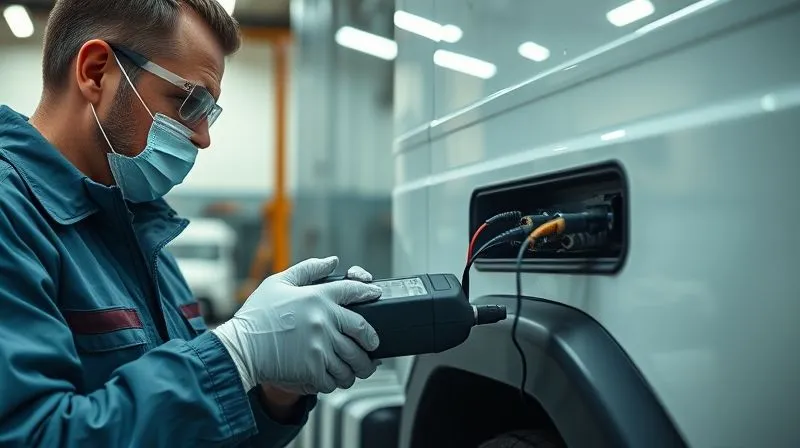
Once retrieved, the raw data is often a series of hexadecimal codes or technical readouts that are meaningless to the average person. The expert's job is to translate this raw data into understandable insights, reconstructing the sequence of events. They can determine:
- The truck's speed at various points before impact.
- When and for how long the brakes were applied.
- If the driver was accelerating or decelerating.
- Whether the seatbelt was buckled.
- Any system malfunctions or fault codes present.
Maintaining a strict chain of custody for the data is also paramount. This ensures the integrity of the evidence, proving that it hasn't been tampered with from the moment it was retrieved until it's presented in court. An independent expert, hired by your legal team, provides an unbiased perspective, countering any analysis presented by the trucking company's own experts.
"An accident reconstructionist transforms raw EDR data into a compelling narrative of what transpired, often revealing truths that human memory or biased accounts might obscure."
Their expertise is not just in data retrieval, but in its meticulous interpretation and presentation, making them crucial allies in your pursuit of justice.
Navigating Data Retrieval: The Process and Challenges
The actual process of retrieving black box data from a commercial truck can be intricate, fraught with challenges, and highly dependent on the specific make, model, and year of the truck. It's rarely as simple as plugging in a USB drive.
Accessing the ECM/EDR
The first hurdle is physically accessing the ECM or EDR module. While some are relatively accessible, others may be deeply embedded within the truck's chassis, requiring specialized tools and knowledge to reach without causing further damage. Truck manufacturers place these modules in various locations, from under the dashboard to within the engine compartment or even under the cab itself.
Downloading the Data
Once located, proprietary diagnostic software and hardware are required to interface with the module and download the data. As mentioned, the Bosch CDR tool is common for many heavy vehicles, but other manufacturers may have their own systems. This software extracts the raw data, which then needs to be processed and interpreted. The National Highway Traffic Safety Administration (NHTSA) provides valuable resources on EDR capabilities and retrieval, which you can explore further on their website: NHTSA EDR Information.
Interpreting the Data
Raw EDR data is not a user-friendly report. It's a technical readout that requires expert interpretation. An accident reconstructionist will use specialized training and software to translate this data into a timeline of events, vehicle dynamics, and driver actions before, during, and immediately after the crash.
Challenges in Retrieval
Despite best efforts, several challenges can arise:
- Damaged EDR: In severe crashes, the EDR module itself can be damaged, making data retrieval difficult or impossible without advanced forensic techniques.
- Encrypted Data: Some newer systems may employ encryption, requiring specific keys or decryption methods.
- Uncooperative Parties: Trucking companies may resist access to the vehicle or data, necessitating court orders.
- Data Overwrite: If the preservation letter wasn't sent quickly enough, the data might have already been overwritten due to subsequent ignition cycles.
Case Study: How a Timely Preservation Letter Saved a Case
I recall a case involving the Rodriguez family, whose minivan was T-boned by a commercial semi-truck. The trucking company immediately claimed their driver was not at fault, alleging the minivan ran a red light. The Rodriguez's attorney, however, sent a preservation letter within hours of being retained. Days later, the trucking company's representatives arrived to move the truck, but because the letter had been received, they were legally bound to preserve all data. An independent forensic engineer was dispatched and retrieved the EDR data. The data conclusively showed the truck was traveling 15 mph over the speed limit and failed to apply brakes until 0.5 seconds before impact, directly contradicting the company's claims. This critical evidence led to a favorable settlement for the Rodriguez family, covering extensive medical bills and their long-term care needs. Had that letter been delayed, the data would likely have been overwritten, and their path to justice significantly harder.
Beyond the Black Box: Other Sources of Digital Evidence
While the EDR is a cornerstone of evidence in commercial truck accidents, it's crucial to remember that it's often just one piece of a larger digital puzzle. Modern commercial vehicles are veritable data hubs, and a comprehensive investigation will seek to secure information from multiple sources. These additional digital clues can corroborate EDR data, fill in gaps, or provide entirely new insights into negligence.
Here are other key sources of digital evidence that your legal team and forensic experts will pursue:
- Electronic Logging Devices (ELDs): Mandated by the FMCSA, ELDs record a driver's Hours of Service (HOS), ensuring compliance with federal regulations. This data can reveal if a driver was operating beyond legal limits, indicating fatigue. It also often includes GPS tracking, showing routes, speeds, and stop times. For more on ELD regulations, refer to the FMCSA website.
- Dashcam Footage: Many commercial trucks are equipped with dash cameras, both road-facing and driver-facing. This video evidence is incredibly powerful, capturing the actual events of the crash, driver behavior (e.g., distraction, fatigue), and road conditions.
- GPS Tracking Systems: Beyond ELDs, many fleet companies use separate GPS tracking systems for logistics. These can provide detailed speed logs, route histories, and information on hard braking or acceleration events.
- Cell Phone Data: If there's reason to suspect distracted driving, cell phone records (call logs, text messages, data usage) can be subpoenaed. This requires a strong legal basis and is handled with strict privacy protocols.
- In-Cab Telematics Systems: These systems monitor various aspects of driver performance, such as harsh braking, rapid acceleration, lane departure warnings, and even seatbelt use. They provide a continuous stream of data on driver habits.
- Toll Road Transponder Data: Records from electronic toll collection systems can confirm a truck's presence at specific locations and times, helping to establish its route and timeline.
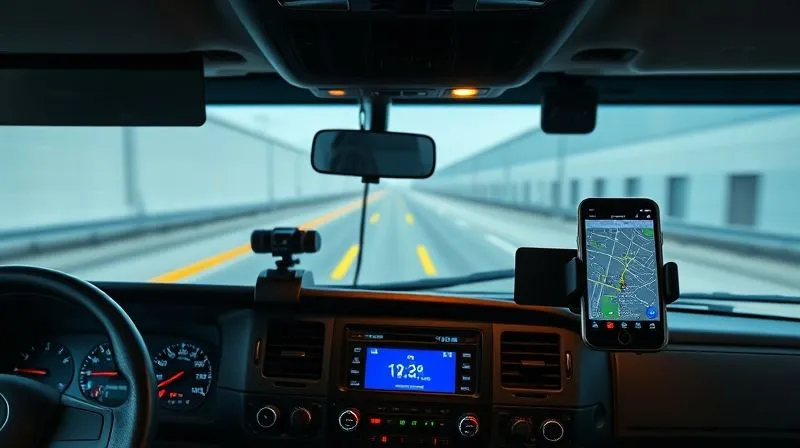
Collecting and correlating data from these diverse sources creates an undeniable narrative, bolstering the evidence found in the black box and making your case significantly stronger. It's a testament to the fact that in modern litigation, digital footprints are everywhere, and a thorough investigation leaves no stone unturned.
Legal Implications and Leveraging EDR Data in Court
The ultimate goal of securing black box data is to use it effectively in court to prove negligence and secure fair compensation. EDR data is not merely technical information; it's a powerful evidentiary tool with significant legal implications.
How does EDR data prove negligence?
- Speeding: If the EDR shows the truck was traveling above the posted speed limit or at an unsafe speed for conditions, it's direct evidence of negligence.
- Braking Failure/Delay: Data indicating a delayed reaction to braking, or insufficient braking, can pinpoint driver inattention or fatigue.
- Driver Behavior: Information like seatbelt non-use or aggressive driving patterns (sudden acceleration/deceleration) can demonstrate a disregard for safety.
- Compliance with Regulations: When combined with ELD data, EDR information can show violations of Hours of Service regulations, indicating a fatigued driver.
EDR data is particularly effective at countering common defense claims. For example, if a trucking company claims their driver was not speeding, the EDR provides objective, electronic proof to the contrary. If they argue the plaintiff was at fault, the EDR can often demonstrate the truck driver's contribution to the accident.
"EDR data, when presented by a qualified expert, can be the 'smoking gun' that dismantles a defense and unequivocally establishes liability."
For the data to be admissible in court, a strict chain of custody must be maintained, and a qualified expert witness must be able to explain its relevance and interpretation to a jury. This expert will transform complex technical readouts into understandable testimony, often using visual aids to illustrate their findings. The admissibility of EDR data in legal proceedings is well-established, as discussed in various legal journals and court precedents. For example, articles in publications like the American Bar Association Journal often delve into its legal standing.
Leveraging EDR data isn't just about proving fault; it's about establishing the full extent of the truck driver's negligence, which directly impacts the value of your personal injury claim.
Protecting Your Rights: The Role of an Attorney
After a commercial truck accident, the sheer complexity of the legal, technical, and evidentiary landscape can be overwhelming. This is precisely why the role of an experienced personal injury attorney specializing in truck accidents is not just beneficial, but absolutely non-negotiable. They are your shield, your sword, and your guide through this daunting process.

Here's why legal representation is paramount:
- Expertise in Evidence Preservation: As I've detailed, the window for securing black box data is incredibly narrow. An attorney knows precisely how and when to issue preservation letters, ensuring all parties are legally bound to protect evidence. They understand the nuances of federal regulations (like those from the FMCSA) that govern commercial trucking.
- Dealing with Sophisticated Trucking Companies: You're not just facing an individual; you're up against large corporations with extensive legal and insurance teams. An attorney levels the playing field, preventing you from being pressured into unfair settlements or having your rights trampled.
- Access to a Network of Experts: Reputable truck accident attorneys have established relationships with top accident reconstructionists, forensic engineers, medical specialists, and other experts needed to build an ironclad case. They know who to call to retrieve and interpret EDR data effectively.
- Understanding of Regulations: The commercial trucking industry is heavily regulated. An attorney understands these complex federal and state laws, which often dictate liability in ways a layperson would never comprehend.
- Litigation Preparedness: If a fair settlement cannot be reached, your attorney will be prepared to take your case to trial. They know how to present EDR data and expert testimony in a compelling manner to a jury, maximizing your chances of a favorable verdict.
Trying to navigate these waters alone is like trying to fix a complex engine without specialized tools or training. You risk not only losing critical evidence but also jeopardizing your entire claim. The peace of mind and strategic advantage that an experienced attorney provides are invaluable.
Frequently Asked Questions (FAQ)
Question: Can the trucking company destroy or alter the black box data after an accident?
Answer: While outright destruction after a formal preservation notice is illegal and carries severe penalties (known as spoliation of evidence), data can be inadvertently overwritten if not secured quickly. This is why an immediate preservation letter from an attorney is crucial. If data is deliberately destroyed, courts can impose sanctions, including instructing a jury to assume the lost evidence would have been unfavorable to the trucking company.
Question: How long is black box data typically stored, and can it be recovered if the truck is driven after the crash?
Answer: The storage duration varies by manufacturer and system, but most EDRs operate on a continuous loop, overwriting older data after a certain number of ignition cycles (e.g., 5-20 cycles) or operating hours. This means that if the truck is driven even a few times after an accident, the critical pre-crash data could be permanently lost. This emphasizes the extreme urgency of data preservation.
Question: Is black box data admissible as evidence in court?
Answer: Yes, absolutely. With proper retrieval protocols, a documented chain of custody, and expert interpretation by a qualified accident reconstructionist or forensic engineer, EDR data is widely accepted as admissible evidence in personal injury lawsuits involving commercial trucks. It's often considered highly objective and persuasive.
Question: What if the truck's black box (EDR) is severely damaged in the crash?
Answer: Even if the EDR module appears severely damaged, specialized forensic experts often possess techniques and tools to extract data from damaged components. While not always guaranteed, they can frequently recover partial or complete datasets that would otherwise be considered lost. This is another reason why engaging experienced experts is vital.
Question: How much does it cost to retrieve and analyze black box data?
Answer: The costs associated with expert retrieval and analysis of black box data can be substantial, often ranging from several thousand to tens of thousands of dollars, depending on the complexity. However, reputable personal injury attorneys typically work on a contingency fee basis, meaning they advance these costs and are only reimbursed if they win your case. This ensures victims can access top-tier experts without upfront financial burden.
Key Takeaways and Final Thoughts
Navigating the aftermath of a commercial truck accident is a profoundly challenging experience, both personally and legally. However, understanding the critical role of black box data and taking decisive action to secure it can fundamentally alter the trajectory of your claim. It's not merely about collecting facts; it's about preserving the truth of what happened.
- Act Immediately: The window for securing EDR data is incredibly short. Delay can mean permanent loss.
- Engage Expert Legal Counsel: A specialized personal injury attorney is your most valuable asset, capable of issuing preservation letters and coordinating expert retrieval.
- Understand the EDR: Know what data the 'black box' records and why it's crucial for proving negligence.
- Utilize Experts: Accident reconstructionists and forensic engineers are essential for proper data retrieval, interpretation, and presentation.
- Look Beyond the EDR: Other digital sources like ELDs, dashcams, and GPS data can provide complementary evidence.
Remember, you don't have to face the complexities of a commercial truck accident alone. By understanding these vital steps and partnering with experienced professionals, you empower yourself to seek the justice and compensation you rightfully deserve. Your immediate action today can make all the difference tomorrow.
Recommended Reading
- Overturning an Arbitrary License Denial: Your 7-Step Administrative Appeal Guide
- Patent Eligibility for AI Inventions: 6 Keys to Success
- Can Schools Legally Search Student Phones Without Consent? 5 Key Scenarios
- The Grave Truth: What Are the Consequences of Overstaying a US Visa?
- Navigating Asymmetric Warfare: 5 Legal Justifications for Targeting Decisions




Comments
Leave a comment below. Your email will not be published. Required fields marked with *