



How to Successfully Handle a Department of Labor Wage Audit?
For over fifteen years specializing exclusively in employment law, I've witnessed firsthand the sheer panic and operational paralysis that a Department of Labor (DOL) wage audit notice can inflict upon businesses. It’s a moment that sends shivers down the spine of even the most diligent employers, often because the complexities of wage and hour laws are vast and unforgiving.
The fear isn't unfounded. A DOL audit isn't just a review; it's a deep dive into your payroll practices, timekeeping records, and employee classification, with the potential for substantial back wages, liquidated damages, and civil money penalties. Many employers, caught off guard, make critical mistakes in the initial stages that can escalate their liability significantly.
But here's the crucial insight: an audit, while daunting, is manageable with the right strategy, preparation, and expert guidance. This comprehensive guide draws from my extensive experience representing employers through countless audits, providing you with actionable frameworks, real-world analogies, and expert insights to navigate the process successfully, minimize your exposure, and emerge stronger and more compliant.
Understanding the DOL's Scope and Authority
Before you can effectively respond to a DOL wage audit, you must understand the agency's mandate and the laws it enforces. The Wage and Hour Division (WHD) of the DOL is responsible for enforcing some of the nation's most fundamental labor laws.
What Triggers an Audit?
DOL audits rarely happen without cause. They are often triggered by employee complaints, referrals from other agencies, or even targeted enforcement initiatives in specific industries known for non-compliance. While you might not always know the exact trigger, assume there's a reason for their scrutiny.
Key Wage and Hour Laws
The primary statute governing wage and hour compliance is the Fair Labor Standards Act (FLSA). This federal law establishes minimum wage, overtime pay, recordkeeping, and youth employment standards affecting full-time and part-time workers in the private sector and in federal, state, and local governments.
Beyond FLSA, the DOL also enforces other critical laws such as the Family and Medical Leave Act (FMLA), the Migrant and Seasonal Agricultural Worker Protection Act (MSPA), and various government contract acts. For the purposes of a wage audit, the FLSA will almost certainly be the central focus, scrutinizing how you classify employees, calculate hours worked, and pay overtime.
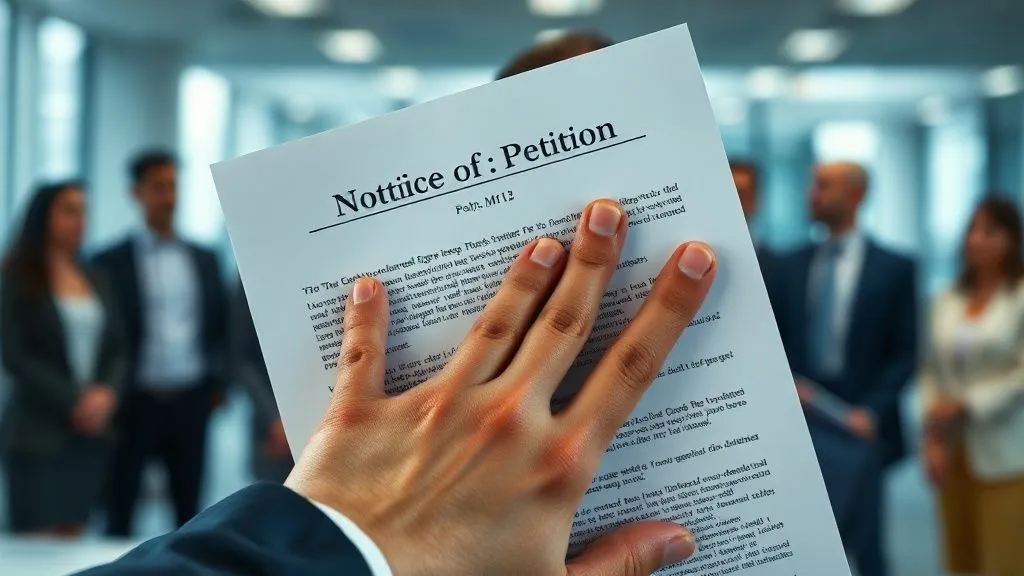
Immediate Steps Upon Receiving a Notice
The moment that official letter arrives, your immediate reaction can set the tone for the entire audit. Panic is natural, but strategic action is essential.
Do Not Panic: Your First Move
My first piece of advice is always: take a deep breath. Do not immediately contact the DOL auditor or start altering records. Rash decisions made in haste can complicate matters significantly. Your initial goal is to understand the notice, its scope, and the requested information.
Engage Legal Counsel Immediately
This is not optional; it's imperative. As an employment law specialist, I cannot stress enough the importance of retaining experienced legal counsel immediately. An attorney who specializes in wage and hour defense can act as a crucial intermediary, manage communications with the DOL, and protect your interests. They understand the nuances of the law and the audit process, helping to shield your company from inadvertent disclosures.
"Engaging legal counsel immediately upon receiving a DOL audit notice is the single most critical step an employer can take to protect their interests and navigate the complexities of the investigation effectively."
Designate an Internal Point Person
Once legal counsel is on board, designate a single, knowledgeable internal point person within your organization to coordinate all communications and document gathering. This centralizes control, ensures consistency, and prevents multiple individuals from inadvertently providing conflicting information to the auditor or your legal team.
Comprehensive Internal Audit & Documentation Preparation
With legal counsel engaged, the next critical phase involves a thorough internal audit of your own records. This proactive step allows you to identify potential issues and rectify them where possible, or at least understand your vulnerabilities before the DOL does.
Reviewing Your Payroll and Timekeeping Records
This is where the rubber meets the road. Every single minute, every paycheck, every deduction will be under scrutiny. Here’s an actionable framework:
- Gather All Relevant Documents: Collect timecards, payroll registers, pay stubs, employment contracts, offer letters, employee handbooks, and any policies related to wages, hours, and benefits for the audit period (typically two to three years).
- Cross-Reference Data: Compare time records against payroll records to ensure consistency. Look for discrepancies in hours worked, rates of pay, and overtime calculations.
- Identify Missing Records: Note any missing or incomplete records. The absence of proper documentation is often as problematic as incorrect data.
- Calculate Potential Exposures: Work with your legal counsel to estimate potential back wages or damages for any identified non-compliance issues. This helps you prepare for negotiations.
The goal is to present a narrative of meticulous record-keeping and a genuine commitment to compliance.

Classification of Employees (Exempt vs. Non-Exempt)
Misclassification of employees as exempt (not eligible for overtime) when they should be non-exempt (eligible for overtime) is one of the most common and costly violations. The FLSA's "duties tests" for executive, administrative, professional, computer, and outside sales exemptions are complex and strictly interpreted.
In my practice, I've seen this mistake countless times. A job title alone doesn't determine exemption; it's the actual job duties and salary level that matter. Review each exempt position carefully against the DOL's criteria.
Wage Calculation Accuracy
Ensure all wages, including commissions, bonuses, and other forms of compensation, are correctly included in the regular rate of pay for overtime calculations. Mistakes here can lead to significant underpayment of overtime.
Overtime and Minimum Wage Compliance
Verify that all non-exempt employees are paid at least the federal (and state, if higher) minimum wage for all hours worked and time-and-a-half their regular rate for all hours worked over 40 in a workweek. Pay close attention to travel time, training time, and 'off-the-clock' work.
| Common Violation | Risk Level | Corrective Action | Prevention Strategy |
|---|---|---|---|
| Misclassification of Exempt Employees | High | Review job duties against FLSA exemption tests; reclassify as needed; provide back pay. | Regular audits of job descriptions and duties; legal review of new positions. |
| Incorrect Overtime Calculations | High | Recalculate regular rate to include all non-discretionary pay; issue back pay. | Automated payroll systems; supervisor training on 'hours worked'; clear overtime policies. |
| Failure to Pay Minimum Wage | Medium | Issue back pay for all hours worked below minimum wage. | Ensure all hours are recorded; periodic checks against current minimum wage laws. |
| Inaccurate Timekeeping Records | High | Implement robust timekeeping system; train employees/supervisors. | Biometric time clocks; clear policy on recording all time worked; supervisor oversight. |
Managing the DOL's Information Request
The DOL auditor will typically issue a formal request for documents and information. How you respond to this request is critical to managing the audit's trajectory.
Understanding the Scope of the Request
Your legal counsel will help you meticulously review the DOL's request. It's crucial to understand precisely what information is being sought and for what period. Do not provide more than what is requested, but ensure you provide everything that is. Over-sharing can open new avenues of inquiry for the auditor.
Producing Documents: What and How
All documents provided to the DOL should be reviewed by your legal counsel first. Ensure that sensitive or privileged information is not inadvertently disclosed. Present documents in an organized, clear manner that directly addresses their request. Providing a chaotic stack of papers can frustrate the auditor and prolong the process.
As marketing guru Seth Godin often says about communication, "Clarity is king." This applies directly to document production in an audit.
Employee Interviews: Preparation is Key
DOL auditors often seek to interview employees. While employees are generally not obligated to speak with the DOL without a subpoena, many will. Your legal counsel can advise you on the legality of being present during these interviews, though typically, the DOL prefers to interview employees privately.
However, it is permissible and highly advisable to inform your employees of their rights, including their right to have an attorney present if they choose, and their right to decline an interview. Your legal counsel can provide a neutral, factual statement to employees regarding their rights without interfering with the investigation. This is a delicate balance, and expert legal advice is indispensable to ensure you adhere to guidelines on attorney-client privilege and non-coercion.
Navigating the On-Site Audit and Examiner Interactions
If the DOL decides to conduct an on-site visit, managing this interaction professionally and strategically is paramount. This is where your designated point person, working closely with legal counsel, truly earns their stripes.
Professionalism and Cooperation
Always be professional and cooperative with the auditor. While you must protect your company's interests, an adversarial stance can backfire. Answer questions directly and truthfully, but avoid speculating or offering unsolicited information.
Controlling the Environment
Your legal counsel should be present during all on-site interactions with the auditor. Ensure the auditor is provided with a private, comfortable workspace away from other employees. Control access to company personnel and documents. Do not allow the auditor to "roam" freely through your facility or speak to employees without proper protocols in place.
"During an on-site DOL audit, your primary objective is to facilitate the auditor's legitimate requests while meticulously controlling the flow of information and maintaining a professional, structured environment."
Responding to Preliminary Findings
The auditor may present preliminary findings during the audit. This is an opportunity for your legal counsel to review the findings, provide additional context, or correct any factual inaccuracies. It's not a negotiation session, but a chance to ensure the auditor has a complete and accurate picture.

Negotiation and Resolution Strategies
Once the audit concludes and the DOL issues its findings, the next phase involves negotiation to resolve any identified violations. This is often where the real financial impact is determined.
Understanding Potential Liabilities
The DOL can seek back wages, liquidated damages (often double the back wages), and civil money penalties. Your legal counsel will help you understand the full extent of your potential liability based on the findings, considering factors like the nature of the violation, the number of affected employees, and the duration of the non-compliance.
Negotiating Back Wages and Penalties
This is a critical stage where skilled negotiation can significantly reduce your financial exposure. Your attorney will leverage the information gathered during your internal audit, any corrective actions already taken, and legal precedents to argue for a favorable settlement. The goal is to reach a resolution that is acceptable to both parties, ideally avoiding litigation.
Compliance Agreements and Future Protections
As part of a settlement, the DOL may require a compliance agreement outlining specific steps your company will take to prevent future violations. Embracing these agreements proactively can demonstrate good faith and a commitment to long-term compliance, which can be beneficial in negotiations. According to a study published by the Journal of Business Ethics, companies that demonstrate a strong commitment to ethical compliance during regulatory actions often achieve more favorable outcomes and enhance their long-term business resilience.
Case Study: Phoenix Manufacturing's Proactive Audit Defense
Phoenix Manufacturing, a mid-sized firm with 200 employees, received a DOL audit notice stemming from an anonymous complaint about unpaid overtime. Their initial reaction was fear, but they quickly engaged experienced employment law counsel. The legal team immediately initiated a comprehensive internal audit, uncovering several instances of misclassified employees and minor timekeeping errors over the past two years.
Rather than waiting for the DOL to find these issues, Phoenix, guided by their attorneys, proactively corrected the errors, calculated potential back wages, and presented a detailed remediation plan to the auditor. This proactive approach allowed them to present a well-documented defense, demonstrating their commitment to compliance. Their initial exposure, as estimated by the DOL, was over $300,000 in back wages and liquidated damages. However, with expert navigation and their proactive remediation, they successfully negotiated a settlement for just under $70,000, avoiding litigation, severe penalties, and significant reputational damage. This case clearly illustrates the power of preparedness and expert legal counsel in mitigating audit risks.
Post-Audit Compliance and Prevention
An audit, regardless of its outcome, should be a catalyst for strengthening your compliance posture. It's an opportunity to learn and implement robust preventative measures.
Implementing Corrective Actions
Any deficiencies identified during the audit, whether formal violations or areas for improvement, must be addressed comprehensively. This might involve updating job descriptions, revising payroll practices, implementing new timekeeping systems, or retraining managers. A comprehensive post-audit action plan is crucial.
Ongoing Training and Internal Audits
Compliance is not a one-time event. Regular training for HR staff, managers, and employees on wage and hour laws is essential. Furthermore, conducting periodic internal wage and hour audits – perhaps annually – can help identify and correct issues before they escalate. This proactive approach aligns with best practices for HR compliance.
Leveraging Technology for Compliance
Modern payroll and HRIS (Human Resources Information System) technologies can significantly aid compliance. Automated timekeeping, integrated payroll processing, and robust reporting features can minimize human error and ensure adherence to complex regulations.

| Compliance Area | Action Item | Responsible Party | Frequency |
|---|---|---|---|
| Employee Classification | Review all exempt positions annually. | HR/Legal | Annually |
| Timekeeping | Implement biometric time clocks and verify daily entries. | Operations/Payroll | Ongoing |
| Overtime Calculation | Automate overtime calculations and audit against manual checks. | Payroll | Bi-weekly/Monthly |
| Policy Updates | Monitor federal and state wage hour law changes. | HR/Legal | Quarterly |
The Importance of Proactive Wage Hour Compliance
Ultimately, the best way to successfully handle a Department of Labor wage audit is to avoid significant issues in the first place. Proactive compliance is not merely about avoiding penalties; it's about fostering a fair workplace, protecting your reputation, and ensuring long-term business sustainability.
Regular Self-Audits
Treat internal compliance as an ongoing process, not a reaction. Regular self-audits, even on a smaller scale, can uncover issues before they become major liabilities. Think of it as preventative maintenance for your business's legal health.
Staying Updated on Legislation
Wage and hour laws are dynamic, with federal, state, and local regulations constantly evolving. Subscribing to legal updates, attending industry seminars, and maintaining a relationship with employment law counsel are all vital for staying ahead of legislative changes.

Frequently Asked Questions (FAQ)
Q: How long does a typical DOL wage audit last? A: The duration of a DOL wage audit can vary significantly depending on the complexity of your operations, the scope of the alleged violations, and the responsiveness of your documentation. It can range from a few weeks for minor issues to several months, or even over a year, for extensive investigations involving multiple locations or complex pay structures. Engaging legal counsel early can often help streamline the process.
Q: Can I refuse to cooperate with a DOL auditor? A: While you have rights, outright refusal to cooperate without a valid legal basis can escalate the situation and potentially lead to a subpoena or even legal action by the DOL to compel compliance. It is always advisable to cooperate through your legal counsel, who can manage the information flow and ensure your rights are protected without appearing obstructive.
Q: What are liquidated damages in a DOL wage audit? A: Liquidated damages under the FLSA are typically an amount equal to the back wages found due, effectively doubling the monetary penalty. They are generally awarded in cases where the employer failed to pay minimum wage or overtime and cannot prove that the failure was in good faith and that the employer had reasonable grounds for believing that their act or omission was not a violation of the FLSA. Your attorney can argue against their imposition.
Q: If I find violations during my internal audit, should I fix them immediately and inform the DOL? A: Discovering violations during an internal audit, especially before the DOL does, provides a strategic advantage. While immediate correction is often advisable, how and when you communicate these findings to the DOL must be carefully strategized with your legal counsel. Sometimes, presenting a comprehensive remediation plan as part of your defense is more effective than unilateral disclosure. This is a nuanced decision that depends heavily on the specific circumstances.
Q: Does a DOL audit mean my company is being targeted? A: Not necessarily. While some audits are triggered by specific complaints, many are part of broader enforcement initiatives targeting certain industries or types of violations. It's more productive to focus on demonstrating compliance and addressing any issues rather than speculating on the motivations behind the audit.
Key Takeaways and Final Thoughts
Successfully handling a Department of Labor wage audit is less about luck and more about preparation, strategic action, and expert guidance. It's a challenging process, but one that can be navigated effectively with the right approach.
- Proactive Compliance is Paramount: Regular internal audits and staying updated on wage laws are your best defense.
- Engage Legal Counsel Immediately: An experienced employment attorney is your most valuable asset from day one.
- Meticulous Documentation is Key: Accurate and organized records are your evidence of compliance.
- Control Information Flow: Manage interactions with the DOL carefully, providing only what is requested, through your counsel.
- Embrace the Opportunity: Use the audit as a catalyst to strengthen your HR and payroll practices for long-term resilience.
In my experience, employers who approach a DOL wage audit with a clear strategy, a commitment to transparency (within legal bounds), and the support of seasoned legal professionals not only minimize their immediate risks but also emerge with a more robust, compliant, and ultimately, more successful business operation. Don't let fear paralyze you; empower yourself with knowledge and action.
Recommended Reading
- Vessel Arrested Abroad? 7 Immediate Steps for Owners & Operators
- EIA Process: What Happens After Public Comment? The Ultimate Guide
- 5 Critical Steps: How Businesses Navigate DACA Work Permit Delays
- 7 Proven Strategies: How to Prevent Trade Secret Theft by Departing Employees
- 7 Steps to Slash Business Liability for Juvenile Offenses On-Premises



Comments
Leave a comment below. Your email will not be published. Required fields marked with *