


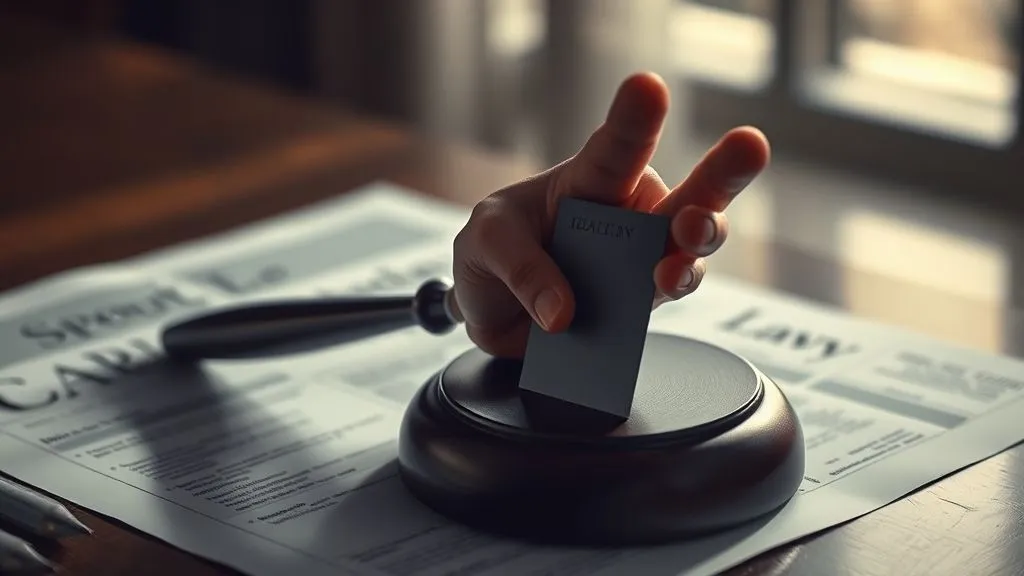
How to Suppress Illegally Obtained Evidence in a Misdemeanor Trial?
For over two decades practicing criminal law, specializing in misdemeanor defense, I've witnessed firsthand the profound impact that illegally obtained evidence can have on a person's life. I recall a client, a young professional facing a minor drug possession charge, whose case seemed insurmountable due to what appeared to be compelling evidence. However, a closer look revealed a clear violation of his Fourth Amendment rights during the initial stop. This wasn't just a technicality; it was a fundamental breach of his constitutional protection, and it became the cornerstone of his successful defense.
The thought of facing a misdemeanor trial, knowing the prosecution might rely on evidence obtained through unlawful means, is incredibly daunting. It can feel like the system is rigged against you, eroding your trust in justice and potentially leading to unfair convictions, fines, and even jail time. The pain point here is not just the charge itself, but the injustice of being prosecuted with tainted information.
This comprehensive guide is designed to empower you with the knowledge and strategies necessary to challenge and, ultimately, suppress illegally obtained evidence in a misdemeanor trial. I'll walk you through the legal frameworks, the actionable steps, and the expert insights I've gathered over my career to help you protect your rights and secure the best possible outcome for your case.
Understanding the Cornerstone: The Fourth Amendment and Exclusionary Rule
At the heart of suppressing illegally obtained evidence lies a fundamental principle of American jurisprudence: the Fourth Amendment to the U.S. Constitution. It states, 'The right of the people to be secure in their persons, houses, papers, and effects, against unreasonable searches and seizures, shall not be violated, and no Warrants shall issue, but upon probable cause, supported by Oath or affirmation, and particularly describing the place to be searched, and the persons or things to be seized.'
What Constitutes an Unlawful Search and Seizure?
An unlawful search or seizure occurs when law enforcement infringes upon an individual's reasonable expectation of privacy without proper legal justification. This usually means a warrant based on probable cause, or a recognized exception to the warrant requirement. Without these, any evidence found is generally considered illegally obtained.
"In my experience, the line between a legal and illegal stop or search is often blurred, and officers sometimes push the boundaries of their authority. It's crucial for defense attorneys to meticulously examine every detail of an interaction with law enforcement."
Common scenarios include searches without a warrant or consent, stops without reasonable suspicion, or arrests without probable cause. Each of these can lead to a constitutional violation, making any subsequent evidence vulnerable to suppression.
The Exclusionary Rule: Your Shield in Court
To enforce the Fourth Amendment, courts developed the 'Exclusionary Rule.' This rule dictates that any evidence obtained in violation of an individual's constitutional rights cannot be used against them in a criminal trial. It acts as a deterrent against police misconduct, ensuring that law enforcement adheres to constitutional standards.
A key extension of this rule is the 'fruit of the poisonous tree' doctrine. This means that not only is the illegally obtained evidence itself inadmissible, but also any other evidence subsequently derived from or discovered as a result of the initial illegal act. For example, if an illegal search leads to the discovery of a witness, that witness's testimony might also be suppressed.

Identifying Illegally Obtained Evidence: What to Look For
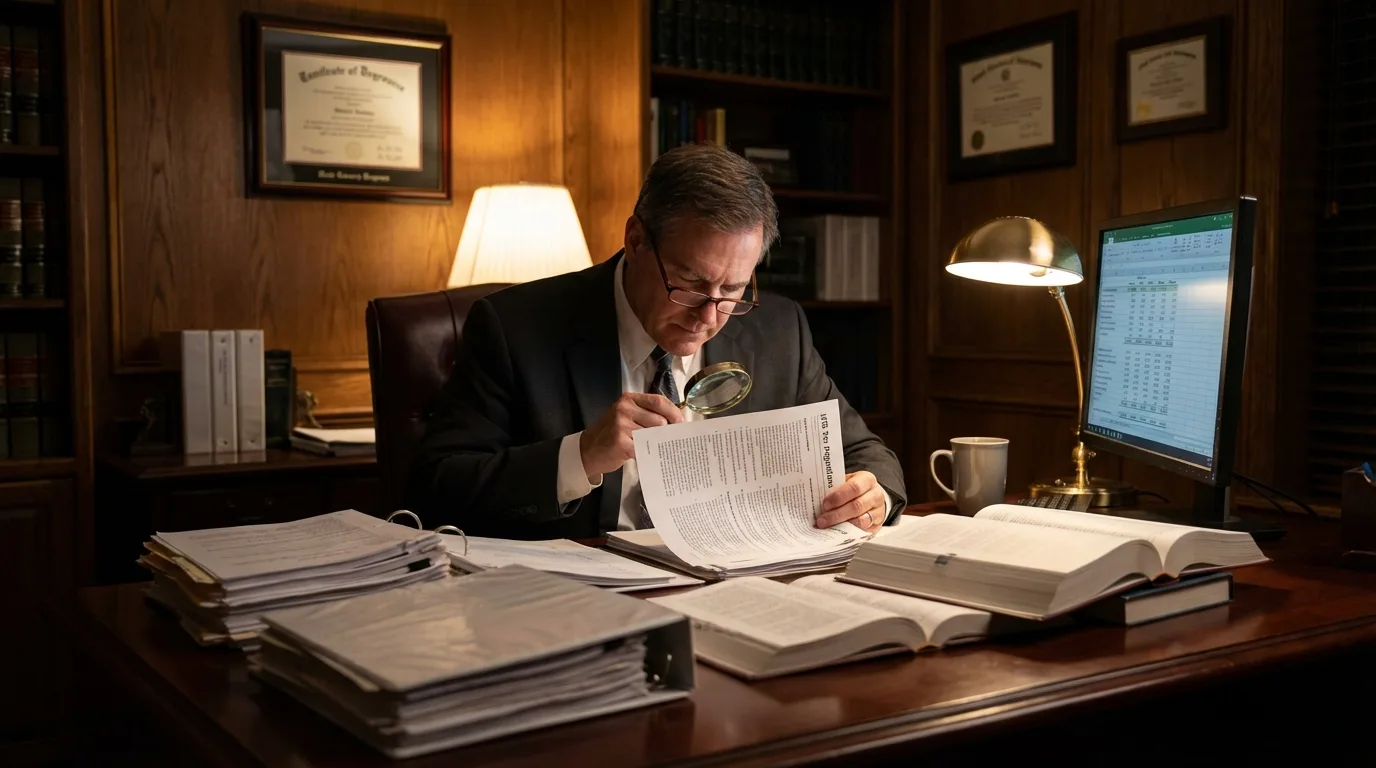
Identifying illegally obtained evidence requires a keen eye for detail and a thorough understanding of constitutional law. It's not always obvious, and often requires reviewing police reports, body camera footage, and witness statements with a critical lens.
Common Scenarios of Unlawful Evidence Collection
As an experienced criminal defense attorney, I've seen a variety of ways evidence can be collected unlawfully in misdemeanor cases. Here are some of the most common:
- Warrantless Searches Without Consent or Exigent Circumstances: Police generally need a warrant to search your person, vehicle, or home. If they search without one, and you didn't consent, and there wasn't an emergency (exigent circumstances), the search is likely illegal.
- Lack of Probable Cause for Stop or Arrest: Officers must have a reasonable suspicion to stop you and probable cause to arrest you. If these thresholds aren't met, any evidence collected as a result of that stop or arrest could be suppressed.
- Coerced Confessions or Statements: If police use threats, promises, or oppressive tactics to elicit a confession, that statement is inadmissible.
- Miranda Violations: If you were in custody and interrogated without being read your Miranda rights (right to remain silent, right to an attorney), any statements made might be suppressed.
- Improper Chain of Custody: Evidence must be carefully handled and documented from the moment it's collected until it's presented in court. If there are breaks or inconsistencies in this 'chain of custody,' the evidence's integrity can be challenged.
- Unlawful Use of Force: While less common for evidence suppression, excessive force during an arrest can sometimes lead to questions about the legality of the arrest and subsequent evidence collection.
The Crucial Role of Your Attorney
This is where an experienced criminal defense attorney becomes invaluable. They know the nuances of search and seizure law, stay updated on recent court decisions, and can spot constitutional violations that an untrained eye might miss. I always advise clients to withhold judgment and let me review every aspect of their case for potential issues.
| Scenario | Legal | Illegal |
|---|---|---|
| Traffic Stop without Cause | Officer observed traffic violation | Officer stopped car based on a 'hunch' |
| Home Search | Search warrant issued by judge | Officer entered home without warrant or consent |
| Interrogation | Miranda rights read, suspect waives rights | Suspect interrogated in custody without Miranda advisement |
| Evidence Seizure | Contraband in plain view | Officer moved items to discover contraband |
Building Your Case: The Motion to Suppress Evidence
Once illegally obtained evidence is identified, the next step is to formally ask the court to prevent its use. This is done through a 'Motion to Suppress Evidence.'
What is a Motion to Suppress?
A motion to suppress is a formal, written request filed with the court, asking a judge to exclude certain evidence from being presented at trial because it was obtained in violation of the defendant's constitutional rights. It's a critical pre-trial maneuver that can significantly impact the outcome of a misdemeanor case.
Steps to Filing a Robust Motion to Suppress:
Filing an effective motion to suppress is a multi-step process that demands meticulous attention to detail and a deep understanding of legal procedure. Here's how I typically approach it:
- Gathering All Available Evidence: This is the foundational step. I request and review all police reports, arrest affidavits, witness statements, body camera footage, dash cam recordings, 911 calls, and any other relevant documentation. This helps to reconstruct the events leading to the evidence collection.
- Identifying Specific Constitutional Violations: With all the evidence in hand, I meticulously analyze the facts against established legal precedents. Was there a lack of probable cause for the stop? Was the search conducted without a warrant or valid consent? Were Miranda warnings properly given and understood? Pinpointing the exact constitutional right violated is crucial.
- Drafting the Motion: This involves writing a formal legal document that clearly states the facts, identifies the specific evidence to be suppressed, and presents the legal arguments for suppression. This includes citing relevant case law (precedent) and constitutional provisions that support our position. The motion must be persuasive and legally sound.
- Filing with the Court: The drafted motion is then filed with the court within the prescribed deadlines. These deadlines are strict and vary by jurisdiction, so timely filing is essential.
- Notifying the Prosecution: Once filed, a copy of the motion is served upon the prosecuting attorney. They will then have an opportunity to respond, often by filing their own brief arguing against suppression.
A well-drafted motion isn't just a formality; it's the opening salvo in challenging the prosecution's case. It sets the stage for the suppression hearing, where these arguments will be debated before a judge.
Navigating the Suppression Hearing: Strategies for Success
The suppression hearing is your opportunity to present your arguments and evidence to a judge, demonstrating why the illegally obtained evidence should be excluded from your trial. This is often the most critical stage in challenging tainted evidence.
The Purpose and Procedure of a Suppression Hearing
A suppression hearing is essentially a mini-trial focused solely on the legality of how evidence was obtained. The judge acts as the fact-finder, listening to testimony and reviewing evidence presented by both the defense and the prosecution. It's not about whether you are guilty or innocent of the underlying misdemeanor charge; it's about whether the police followed the rules.
During the hearing, your attorney will call witnesses (which can include the arresting officers) and present arguments. The prosecution will do the same, attempting to justify the legality of their evidence collection. The burden of proof often lies with the prosecution to show that the evidence was obtained lawfully, especially if a warrantless search was conducted.
Expert Testimony and Cross-Examination
One of the most powerful tools in a suppression hearing is the cross-examination of the officers involved. A skilled defense attorney will meticulously question officers about their actions, looking for inconsistencies, deviations from protocol, or outright constitutional violations. I've often found that body camera footage can be invaluable here, either corroborating an officer's testimony or, more often, exposing discrepancies.
According to a study published by the Bureau of Justice Statistics, the presence of body-worn cameras can significantly impact how evidence is perceived and challenged in court, often leading to more objective accounts of interactions.

Case Study: How a Meticulous Defense Overturned a DUI Misdemeanor
Fictional Case: The State vs. Mr. Thompson
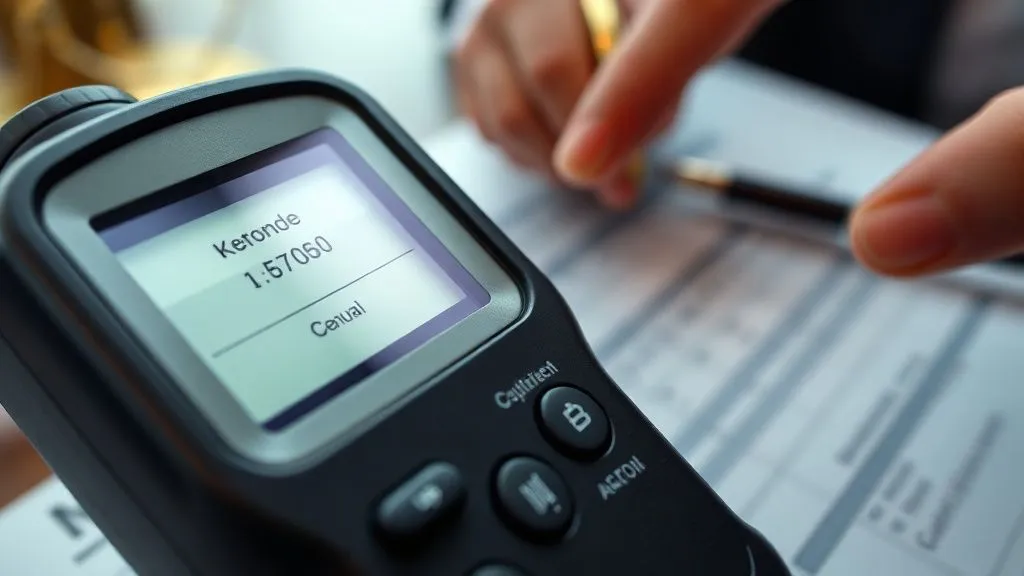
Mr. Thompson, a 45-year-old marketing manager, was pulled over late one Friday night. The officer claimed Mr. Thompson had swerved slightly, constituting a traffic violation. After pulling him over, the officer immediately began questioning him about alcohol consumption, noticed a faint smell of alcohol, and proceeded to administer field sobriety tests (FSTs). Mr. Thompson, feeling intimidated, complied. He performed poorly on the FSTs, was arrested for DUI, and subsequently provided a breath sample above the legal limit at the station.
Upon reviewing the dash cam footage and police report, I identified several critical issues. First, the initial 'swerving' was barely perceptible and could have been attributed to a minor road imperfection, not necessarily impaired driving. More importantly, the officer's administration of the FSTs deviated significantly from the National Highway Traffic Safety Administration (NHTSA) guidelines. He failed to properly instruct Mr. Thompson, and the testing environment was poorly lit and on an uneven surface.
I filed a motion to suppress, arguing that the initial stop lacked reasonable suspicion, and even if it was valid, the FSTs were administered improperly, rendering their results unreliable and unlawfully obtained. At the suppression hearing, I cross-examined the officer, highlighting his deviations from NHTSA protocol using his own dash cam footage. I also presented expert testimony on the proper administration of FSTs.
The judge, after hearing the evidence, agreed that the FSTs were improperly administered and therefore unreliable. While the breathalyzer evidence was legally obtained post-arrest, the judge ruled that the improper FSTs, which formed the primary basis for probable cause for the arrest, tainted the subsequent breathalyzer. The judge granted the motion to suppress all evidence derived from the FSTs and the arrest. With virtually no evidence left, the prosecution was forced to dismiss the DUI charge against Mr. Thompson, saving his career and preventing a criminal record.
Advanced Tactics and Common Pitfalls to Avoid
While the core principles of evidence suppression remain constant, there are advanced tactics that can strengthen your defense and common pitfalls that can weaken it.
Leveraging Body Camera Footage and Dash Cams
In today's legal landscape, body cameras and dash cams are invaluable. They provide an objective, real-time record of interactions between law enforcement and citizens. I make it a point to demand all available footage. This footage can:
- Corroborate your client's account of events.
- Expose inconsistencies in officer testimony.
- Show improper administration of field sobriety tests.
- Reveal lack of probable cause for a stop or search.
Reviewing this footage frame-by-frame can often uncover details crucial for a successful motion to suppress. It's a powerful tool that helps ensure police accountability.
Understanding 'Good Faith' Exceptions
It's important to understand that the exclusionary rule isn't absolute. There are exceptions, the most significant being the 'good faith' exception. This applies when officers act in reasonable reliance on a search warrant that is later found to be invalid, or on a law that is later declared unconstitutional. The Supreme Court case of United States v. Leon established this exception, arguing that if officers genuinely believed their actions were lawful, the deterrent purpose of the exclusionary rule isn't served by suppressing the evidence.
However, this exception has its own limitations. It doesn't apply if the warrant was based on false information, if the magistrate was misled, or if the warrant was so facially deficient that no officer could reasonably presume it to be valid.
Don't Waive Your Rights: The Perils of Self-Incrimination
One of the biggest pitfalls I see is individuals inadvertently waiving their rights. This can happen in several ways:
- Consenting to a Search: If you consent to a search, even if officers don't have probable cause or a warrant, the evidence found is generally admissible. Always remember you have the right to refuse a search.
- Making Incriminating Statements: Anything you say can and will be used against you. Exercising your right to remain silent until you've consulted with an attorney is paramount.
- Failing to Assert Rights: While you don't need to be aggressive, clearly stating 'I do not consent to a search' or 'I wish to speak with an attorney' can protect your rights.
"Your silence is your most potent defense in the immediate aftermath of an interaction with law enforcement. Never feel pressured to explain or justify yourself without legal counsel present."
| Pitfall | Expert Solution |
|---|---|
| Consenting to Search | Clearly state 'I do not consent to a search' |
| Answering Interrogations | Invoke your right to remain silent and request an attorney |
| Not Documenting Incident | Note down all details, officer names, badge numbers ASAP |
| Assuming Guilt | Believe in your rights and seek expert legal counsel immediately |
The Long-Term Impact of Suppressing Evidence
Successfully suppressing illegally obtained evidence in a misdemeanor trial is not just a win in court; it has profound long-term implications for your case and your life.
Strengthening Your Bargaining Position
When key evidence is suppressed, the prosecution's case is significantly weakened, sometimes to the point of collapse. This gives your attorney a much stronger bargaining position for plea negotiations. Without the tainted evidence, the prosecutor might be willing to:
- Offer a plea to a lesser charge.
- Reduce the penalties (fines, community service).
- Even dismiss the case entirely, especially if the suppressed evidence was central to their prosecution.
This strategic advantage can save you from a conviction and the associated repercussions. The impact of such a ruling is often the turning point in a misdemeanor defense, as detailed in various legal analyses, including those found in the American Bar Association's Criminal Justice Magazine.
Protecting Your Future and Record
A misdemeanor conviction, even for a seemingly minor offense, can have lasting consequences. It can affect your employment prospects, housing applications, professional licenses, and even your ability to travel. By suppressing illegally obtained evidence and potentially getting your case dismissed or reduced, you protect your clean record and your future opportunities. This preservation of your record is a core benefit of a robust defense.
Understanding your Fourth Amendment rights is crucial for every citizen. The ACLU provides excellent resources on knowing your rights when interacting with law enforcement, which can be foundational in preventing unlawful evidence collection from the outset.
Frequently Asked Questions (FAQ)
Question 1: What if the police say they had probable cause, but I disagree? This is a common scenario. 'Probable cause' is a legal standard, not just an officer's feeling. Your attorney will meticulously review all evidence (police reports, body cam, witness statements) to challenge the officer's claim of probable cause. It's often a key battleground in suppression hearings.
Question 2: Can illegally obtained evidence still be used against me in civil court? Generally, the exclusionary rule applies to criminal proceedings. In civil cases, the rules of evidence are different, and illegally obtained evidence might sometimes be admissible, though there are limitations depending on the specific circumstances and jurisdiction. This distinction is important and highlights the specific protections afforded in criminal law.
Question 3: How long does the suppression process typically take? The timeline can vary significantly based on the complexity of the case, court schedules, and the specific jurisdiction. It can range from a few weeks to several months from the filing of the motion to the judge's decision after a hearing. Your attorney can provide a more accurate estimate for your specific situation.
Question 4: What's the difference between a misdemeanor and a felony regarding evidence suppression? The legal principles for suppressing evidence (Fourth Amendment, Exclusionary Rule) are the same for both misdemeanors and felonies. The difference lies in the potential penalties and the complexity of the cases. Misdemeanors often involve less extensive investigations, but the constitutional protections remain equally vital.
Question 5: Is it possible to suppress evidence if I initially consented to a search? It's more challenging, but not impossible. If your consent was not freely and voluntarily given (e.g., you were coerced, threatened, or believed you had no choice), then the consent might be deemed invalid, and the evidence could still be suppressed. This is a highly fact-specific inquiry that requires careful legal analysis. You can learn more about the complexities of consent searches from resources like Cornell Law School's Legal Information Institute.
Key Takeaways and Final Thoughts
Navigating a misdemeanor trial where evidence may have been obtained illegally can feel like an uphill battle, but it's a fight you don't have to face alone. Understanding your constitutional rights and the mechanisms available to enforce them is paramount.
- Be Vigilant: Always question the legality of police actions and evidence collection.
- Know Your Rights: Remember your right to remain silent and your right to refuse a search.
- Document Everything: Details matter. Note down everything you remember about an incident.
- Act Decisively: The sooner you engage a skilled attorney, the better your chances of identifying and challenging illegal evidence.
- Leverage Expert Counsel: A seasoned criminal defense lawyer is your best ally in identifying violations and constructing a compelling motion to suppress.
My career has taught me that justice often hinges on the smallest details and the most determined advocacy. If you suspect that evidence against you in a misdemeanor trial was obtained unlawfully, do not hesitate. Your rights are worth fighting for, and a skilled legal professional can be the difference between an unjust conviction and a successful defense. Protecting your future begins with protecting your rights, and that often means challenging the very evidence brought against you. For further assistance in finding legal representation, consider reaching out to organizations like the National Legal Aid & Defender Association, or consult an attorney specializing in criminal defense in your jurisdiction.
Recommended Reading
- Maximize Your Settlement: How to Prove Pain and Suffering
- Unlock Your Future: How to Prepare for Chapter 7 Bankruptcy Filing Effectively
- Losing Parental Rights: Can Unpaid Child Support Trigger It?
- AI Cyber Attacks: Who Pays? Assigning Legal Liability for Damages
- 7 Critical Steps: Navigating Board Member Duties in Corporate Insolvency

Comments
Leave a comment below. Your email will not be published. Required fields marked with *