



Navigating Ethical Dilemmas in Green Card Fraud Allegations?
For over two decades in immigration law, I’ve witnessed the profound human impact of green card processes — the hopes, the anxieties, and unfortunately, the devastating consequences when allegations of fraud arise. I’ve seen well-meaning individuals caught in complex situations, and I’ve also encountered outright deception. It’s a landscape fraught with moral and legal complexities, not just for the applicants, but crucially, for the legal professionals tasked with guiding them.
The pain point for many isn’t just the legal battle itself, but the ethical quagmire that often accompanies it. How do you represent a client when you suspect misrepresentation? What are your duties when confronted with conflicting information? These aren't just academic questions; they are real-world challenges that demand a clear ethical compass, a deep understanding of the law, and unwavering integrity. The stakes are incredibly high, impacting lives, families, and futures.
In this definitive guide, I will share my accumulated experience and insights into
The Insidious Nature of Green Card Fraud Allegations
Allegations of green card fraud are not merely administrative hurdles; they are grave accusations that can lead to severe penalties, including deportation, permanent bars from re-entry, criminal charges, and lasting damage to an individual’s reputation. These allegations can stem from various sources: an anonymous tip, a suspicious interview, inconsistent documentation, or even a disgruntled ex-spouse.
What makes these situations particularly insidious is the presumption of guilt that often accompanies them in the immigration context. Unlike criminal proceedings where “innocent until proven guilty” is paramount, immigration proceedings often place the burden of proof on the applicant to demonstrate eligibility and the absence of fraud. This dynamic immediately creates an uphill battle, demanding a meticulous and ethically sound approach from legal counsel.
“In the realm of immigration law, an allegation of fraud is a direct assault on an individual's credibility and their future in the United States. It requires not just legal acumen, but profound ethical judgment.”
My experience has taught me that early intervention and a thorough understanding of the specific allegations are paramount. Rushing into a defense without a complete picture can exacerbate the problem. It’s about peeling back the layers, understanding the client’s story, and critically evaluating all available evidence — both favorable and unfavorable.
Understanding the Legal Framework: What Constitutes Fraud?
Before we can navigate the ethical landscape, we must first firmly grasp the legal definition of fraud within the context of immigration law. Generally, immigration fraud involves a material misrepresentation of fact made to obtain an immigration benefit. The key elements typically include:
- Misrepresentation: A false statement or omission of a material fact.
- Materiality: The misrepresentation was important to the decision-making process of the immigration officer. If the true facts had been known, the benefit would likely have been denied.
- Scienter/Knowledge: The applicant knew the statement was false or acted with reckless disregard for its truth.
- Reliance: The immigration authorities relied on the misrepresentation.
- Intent: The applicant intended to deceive the government to obtain a benefit.
Common examples include fraudulent marriages, misrepresenting employment history, submitting false documents, or concealing prior immigration violations. However, the nuances are critical. A simple mistake or misunderstanding, while problematic, does not necessarily equate to fraud. As an attorney, distinguishing between genuine error and deliberate deception is your first ethical challenge.
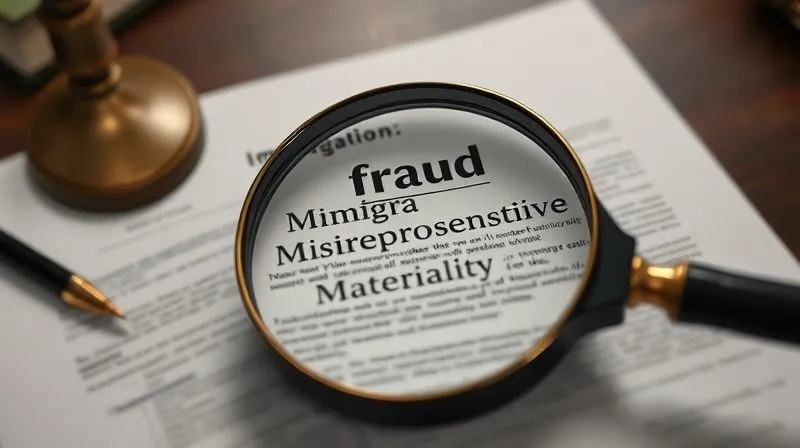
According to a report by the U.S. Citizenship and Immigration Services (USCIS), fraud detection and national security are core missions, emphasizing the government's rigorous approach to these cases. This highlights the importance of thorough preparation and an ethical defense strategy.
The Attorney's Ethical Compass: Duty to Client vs. Duty to System
Here lies the core of the ethical dilemma: as an attorney, you owe a paramount duty of zealous advocacy to your client. However, you also have duties as an officer of the court and to the integrity of the legal system. When these duties appear to conflict, the ethical compass becomes essential.
Duty to Client: Confidentiality and Competence
Your duty to your client includes maintaining confidentiality, providing competent representation, and pursuing their best interests within the bounds of the law. This means thoroughly investigating their case, explaining the law, and advising them on their options.
Duty to the System: Candor and Avoiding Fraud
You cannot knowingly present false evidence, make false statements of law or fact to a tribunal, or assist a client in criminal or fraudulent conduct. If a client insists on pursuing a fraudulent course of action, you have an ethical obligation to withdraw from representation.
The tension arises when a client reveals information that, if disclosed, would harm their case, but if concealed, could be seen as assisting in fraud. My approach has always been to engage in candid and direct conversations with clients about the severe consequences of fraud and the attorney’s ethical limitations. Transparency is key, both with the client and, where ethically permissible, with the immigration authorities.
Practical Strategies for Ethical Representation
How do you operationalize these ethical principles in day-to-day practice? It requires a structured, diligent approach.
- Thorough Client Intake and Interviewing: Beyond the standard questions, delve deep. Ask open-ended questions, listen for inconsistencies, and explain the gravity of any misrepresentation. Use a comprehensive questionnaire.
- Educate Your Client: Clearly explain what constitutes fraud, the severe penalties, and your ethical obligations. Make it clear that you cannot and will not participate in any fraudulent activity. Document these conversations.
- Independent Verification of Facts: Don't solely rely on client statements. Where possible and appropriate, verify documents, dates, and relationships. This might involve obtaining public records, cross-referencing information, or conducting site visits for employment-based cases.
- Documentation, Documentation, Documentation: Keep meticulous records of all communications, advice given, and evidence gathered. This protects both you and your client.
- Address Inconsistencies Promptly: If you uncover inconsistencies, confront them directly with your client. Seek clarification. If the client insists on maintaining a false narrative, you must advise them of the impossibility of proceeding ethically.
These steps are not just about compliance; they are about building a robust, ethical defense that can withstand scrutiny. As legal ethics expert Professor Deborah Rhode notes, “Ethical dilemmas are not resolved by intuition alone but by careful analysis of professional rules and obligations.” (Stanford Law Review).
When the Lines Blur: Identifying and Addressing Client Misinformation
It's not always black and white. Often, clients may not deliberately commit fraud but provide misinformation due to fear, misunderstanding, cultural barriers, or simply forgetting details. This is where your skills as an empathetic yet discerning professional are tested.
Recognizing Red Flags:
- Inconsistent Narratives: Stories change over time or when asked by different people.
- Lack of Supporting Documentation: Crucial documents are “lost” or unavailable without a credible explanation.
- Evasive Answers: Clients avoid direct answers, deflect, or become agitated when pressed for details.
- Pressure to Expedite without Justification: Unreasonable demands to rush the process without proper preparation.
- Unusual Financial Arrangements: Offers to pay exorbitant fees or cash payments without clear invoicing.

Addressing Misinformation Ethically:
- Non-Judgmental Inquiry: Approach discrepancies with curiosity, not accusation. Ask, “Can you help me understand why these two pieces of information don’t align?”
- Explain the “Why”: Educate clients on *why* certain facts are crucial and the negative consequences of even unintentional misstatements.
- Offer Solutions for Correction: If misinformation is discovered, advise the client on the proper procedures for correction, which often involves submitting an amended application or providing a sworn statement explaining the error. This demonstrates good faith.
- Withdrawal as a Last Resort: If, after all efforts, the client insists on a course of action you believe to be fraudulent or unethical, you must withdraw. Explain the reasons clearly but professionally, ensuring you don't breach confidentiality.
Protecting the Vulnerable: Ethical Responsibilities in Fraud Prevention
Our ethical obligations extend beyond individual cases to the broader community, particularly in protecting vulnerable immigrant populations from becoming victims of fraud. This often involves unscrupulous “notarios” or consultants who exploit trust.
Ethical Responsibilities:
- Public Education: Participate in community outreach, workshops, and informational sessions to educate immigrants about their rights and the dangers of immigration fraud.
- Reporting Unlicensed Practice: Report individuals or entities engaging in the unauthorized practice of law to the appropriate bar associations or law enforcement. This is a crucial step in maintaining the integrity of the profession.
- Clear Fee Structures: Ensure your fees are transparent, reasonable, and clearly communicated in writing to avoid any perception of exploitation.
“An ethical immigration lawyer is not merely a defender of clients, but a guardian of the system’s integrity and a protector of the community’s most vulnerable.”
The American Immigration Lawyers Association (AILA) consistently advocates for ethical practice and provides resources for members to uphold these standards, underscoring the collective responsibility of the legal community (AILA Official Website).
Case Study: The Perils of Undisclosed Information
Case Study: Maria's Undisclosed Marriage
Maria approached my firm seeking assistance with her green card application through her U.S. citizen husband. During the initial consultation, she presented as a straightforward case. However, as we began preparing the application, my paralegal noticed a discrepancy in her prior immigration history — an old asylum application from years ago that mentioned a previous marriage which Maria had not disclosed. When I confronted Maria, she initially became defensive, explaining that the prior marriage was brief, ended amicably, and she didn't think it was “important” since she never received any benefit from it.
The Ethical Dilemma: Proceeding without disclosing the prior marriage would constitute a material misrepresentation, potentially leading to a fraud allegation against Maria and an ethical violation for my firm. Disclosing it, however, meant a more complex application, potential delays, and the need to thoroughly explain the circumstances of the first marriage and its dissolution.
My Approach: I patiently explained to Maria the legal definition of materiality and the severe consequences of concealing information from USCIS, emphasizing that even unintentional omissions could be interpreted as fraud. I presented her with two clear paths: either withdraw from representation if she insisted on concealing the information, or proceed with full disclosure, providing all documentation related to the first marriage, including the divorce decree and a detailed sworn statement explaining the oversight. I also advised her that the asylum application itself would need to be addressed, as it was part of her immigration record.
The Outcome: Maria, realizing the gravity of the situation and trusting my counsel, chose full disclosure. We meticulously gathered all relevant documents, including her divorce decree and a detailed affidavit explaining why she initially omitted the information. The process was longer and involved additional scrutiny from USCIS, including a more intensive interview. However, by proactively addressing the issue, demonstrating good faith, and providing a comprehensive explanation, Maria eventually received her green card. This case underscored the critical importance of early, honest disclosure and the attorney’s role in guiding clients through complex truths, not away from them.
The Role of Due Diligence and Comprehensive Documentation
In the context of green card fraud allegations, your due diligence as an attorney is your strongest shield. It's not just about defending your client; it's about safeguarding your professional reputation and the integrity of the immigration system.
Consider the following framework for enhanced due diligence:
| Aspect of Due Diligence | Actionable Steps | Ethical Justification |
|---|---|---|
| Client Background Check | Review all prior immigration filings, criminal records, and public information. Use reliable third-party services if necessary. | Uncover hidden issues early; prevent unwitting participation in fraud. |
| Document Verification | Cross-reference official documents (birth certificates, marriage licenses, divorce decrees) with client statements. Authenticate suspicious documents. | Ensure accuracy of submissions; fulfill duty of candor to the tribunal. |
| Relationship Verification (Marriage Cases) | Gather extensive joint evidence (bank accounts, leases, photos, affidavits from friends/family). Conduct separate interviews if inconsistencies arise. | Establish bona fide nature of marriage; avoid facilitating marriage fraud. |
| Employment Verification (EB Cases) | Verify employer's legitimacy, job offer, and client's qualifications with independent sources where possible. | Confirm validity of employment basis; prevent misrepresentation. |
| Continuous Communication | Regular check-ins with client; advise on changes in circumstances; update on case progress and potential issues. | Maintain transparency; address new information ethically. |
| Ethical Review Checkpoint | Before submission, conduct a final review of all documents and statements for consistency and truthfulness. Re-interview client on critical facts. | Last chance to catch and rectify issues; uphold professional integrity. |
This rigorous approach not only helps in
Frequently Asked Questions (FAQ)
Question? What if I discover client fraud *after* filing the green card application?
Detailed answer: This is a very challenging situation. Your immediate ethical obligation is to advise your client of the fraud and its severe consequences, including potential criminal charges and permanent immigration bars. You must also explain that you cannot continue to represent them if they insist on maintaining the fraudulent information. Depending on the stage of the proceedings and the specific rules of professional conduct in your jurisdiction, you may have an obligation to withdraw. In some extreme cases, you might even need to consider whether an ethical obligation to disclose the fraud to the tribunal exists, though client confidentiality generally takes precedence unless the fraud is ongoing and presents a threat of serious harm. It is crucial to consult your state bar's ethics hotline or seek advice from an experienced ethics counsel.
Question? Can I represent a client if I *suspect* fraud but don’t have definitive proof?
Detailed answer: Yes, you can and should represent a client even if you have suspicions, as long as you do not *knowingly* present false information. Your duty is to conduct thorough due diligence to either confirm or dispel those suspicions. This means asking probing questions, seeking corroborating evidence, and explaining the consequences of misrepresentation to your client. If your investigation leads you to believe that the client's statements are false and they refuse to correct them, then you face the same ethical dilemma as if you had definitive proof, and withdrawal might be necessary. But initial suspicion alone does not preclude representation; it mandates heightened diligence.
Question? What are the potential consequences for an attorney who unknowingly submits a fraudulent green card application?
Detailed answer: If an attorney unknowingly submits a fraudulent application, and it is later discovered, the consequences largely depend on whether the attorney acted with reasonable diligence. If the fraud was undetectable through reasonable investigation, the attorney is generally not held ethically liable. However, if the attorney was negligent in their due diligence — for example, by failing to verify obvious discrepancies — they could face professional discipline, including reprimand, suspension, or even disbarment. Furthermore, USCIS could refer the attorney to the Department of Justice for potential criminal investigation if there's evidence of willful blindness or complicity. This underscores why proactive due diligence and ethical vigilance are paramount.
Question? How does the concept of “materiality” affect my ethical obligations?
Detailed answer: Materiality is central to fraud allegations. An ethical attorney must understand that concealing or misrepresenting a fact that *could* influence USCIS’s decision is material, regardless of whether the client believes it to be important. Your ethical obligation is to advise your client to disclose all material facts, even if they seem minor to the client, and to ensure that all information submitted is truthful and complete. If a client insists on concealing a material fact, you cannot ethically proceed, as doing so would be assisting in a fraud. It’s about protecting the integrity of the process and your professional license.
Question? Are there any specific ethical guidelines for immigration attorneys regarding fraud?
Detailed answer: Yes, immigration attorneys are bound by the same Rules of Professional Conduct that govern all attorneys in their respective jurisdictions (e.g., ABA Model Rules of Professional Conduct). Key rules relevant to fraud include Rule 1.2(d) (Scope of Representation - prohibiting assistance in criminal or fraudulent conduct), Rule 1.6 (Confidentiality of Information), Rule 3.3 (Candor Toward the Tribunal), and Rule 4.1 (Truthfulness in Statements to Others). Additionally, immigration practitioners must adhere to specific regulations from the Executive Office for Immigration Review (EOIR) regarding attorney conduct before immigration courts and the Board of Immigration Appeals. Familiarity with these rules is essential for
Key Takeaways and Final Thoughts
Navigating the treacherous waters of green card fraud allegations demands more than just legal skill; it requires an unwavering ethical compass and a commitment to integrity. My years in this field have reinforced the belief that the most effective and sustainable representation is always built on a foundation of truth and transparency.
- Prioritize Diligence: Thorough client intake, independent verification, and meticulous documentation are your best defenses against ethical pitfalls.
- Educate and Empower Clients: Ensure your clients fully understand the gravity of fraud and your ethical boundaries. Honesty is not just the best policy; it's the only policy.
- Confront Inconsistencies Head-On: Address discrepancies with a non-judgmental yet firm approach, guiding clients toward full and truthful disclosure.
- Withdraw When Necessary: Your professional integrity is non-negotiable. Be prepared to ethically withdraw from representation if a client insists on a fraudulent course of action.
- Protect the Vulnerable: Extend your ethical duties to the broader community by educating against fraud and reporting unethical practitioners.

Remember, your role as an immigration attorney is not just to secure benefits, but to uphold the law and protect the system’s integrity. By adhering to these principles, you not only safeguard your professional standing but also contribute to a more just and trustworthy immigration process for everyone involved. The path is challenging, but with a clear ethical framework, you can navigate these dilemmas with confidence and competence, ensuring the best possible outcome for your clients within the bounds of justice.
Recommended Reading
- 7 Strategies: Mediate Child Custody When a Parent Sabotages Agreements
- Executive Family Visa Denied? 7 Steps to Reverse Course
- Modern Firearms & the Second Amendment: 7 Pillars for Effective Argumentation
- 7 Steps: What to Do When Executive Misconduct Threatens Reputation
- 6 Essential Legal Steps: What to Do When Player Agent Misconduct Occurs




Comments
Leave a comment below. Your email will not be published. Required fields marked with *