


Proving New Injury Causation with Prior Bodily Injury Conditions? Navigating the Complexities
For over two decades in personal injury law, I've witnessed firsthand the profound challenges individuals face when a new accident exacerbates or directly causes a new injury in the presence of prior bodily conditions. It's a scenario that often turns a seemingly straightforward claim into a labyrinth of medical records, legal precedents, and skeptical insurance adjusters. The initial shock of an accident is quickly compounded by the daunting question: "How do I prove this new pain isn't just my old problem acting up?"
This isn't merely a legal hurdle; it's a deeply personal one. Victims often feel invalidated, as if their suffering is dismissed because of their medical history. The pain is real, the limitations are new, but the path to securing fair compensation becomes obscured by a pre-existing condition. This struggle for recognition and justice is precisely why understanding the nuances of causation is paramount.
In this definitive guide, I will pull back the curtain on the strategies and insights I've honed over years of practice. We'll explore actionable frameworks, delve into crucial medical and legal distinctions, and arm you with the knowledge to confidently navigate the complex task of proving new injury causation with prior bodily injury conditions? My goal is to empower you with the expert understanding necessary to protect your rights and ensure your new injuries are properly attributed and compensated.
The Fundamental Challenge: Differentiating New Injuries from Pre-existing Conditions
The core of the problem lies in the human body's intricate nature and the often-subtle ways injuries manifest. When an individual has a history of back pain, a previous knee injury, or a degenerative disc disease, any new trauma to that area immediately raises questions of causality. Insurance companies, driven by profit motives, are quick to attribute new symptoms to old conditions, effectively denying or minimizing claims.
This isn't always malicious; sometimes, the medical picture is genuinely complex. However, the onus is almost always on the claimant to demonstrate a clear link between the new incident and the new or worsened condition. Without a robust strategy, your claim can falter, leaving you to bear the financial and physical burden alone. My experience has shown that success hinges on a proactive, meticulous approach from day one.
Strategy 1: Meticulous Medical Documentation – Your Foundation of Proof
In personal injury law, medical records are the bedrock of your claim. When pre-existing conditions are involved, their importance skyrockets. You must establish a clear "before and after" picture, painting an undeniable narrative of how the new incident altered your physical state. This isn't just about collecting records; it's about understanding what information is crucial and how to present it effectively.
Pre-Injury Medical Records: A Baseline is Crucial
To prove a new injury or the aggravation of a prior one, you must first define your baseline health. This means gathering comprehensive records from before the incident. What was your condition like? What were your limitations, if any? What was your pain level? This documentation provides the essential contrast needed to highlight the impact of the new event.
- Historical Treatment Records: Collect all relevant records pertaining to the pre-existing condition. This includes doctor's notes, diagnostic imaging (X-rays, MRIs, CT scans), physical therapy reports, and prescription histories.
- Physician's Statements: Obtain statements from your treating physicians detailing the stable nature of your condition prior to the new injury, or confirming that you had reached Maximum Medical Improvement (MMI).
- Activity Levels: Document your pre-accident activity levels. If you were active, working, or engaging in hobbies despite a pre-existing condition, this demonstrates your functional baseline.
- Pain Scales: If you regularly reported pain levels for your pre-existing condition, these can be invaluable in showing an increase post-accident.
Post-Injury Documentation: The Immediate and Comprehensive Approach
The moments, days, and weeks following a new injury are critical. Every medical visit, every symptom reported, and every diagnostic test ordered contributes to building your case. Delaying treatment or failing to report all symptoms can severely undermine your ability to prove new injury causation with prior bodily injury conditions?
- Seek Immediate Medical Attention: Even if symptoms seem minor at first, prompt evaluation establishes a clear timeline. Explain your full medical history, but emphasize new symptoms.
- Detailed Symptom Reporting: Be explicit with your doctors about new pains, increased intensity of old pains, new areas of discomfort, and any changes in function or sensation. Do not assume your doctor will connect the dots; articulate them clearly.
- Consistent Follow-Up: Adhere strictly to all recommended treatments, referrals to specialists, and follow-up appointments. Gaps in treatment can be interpreted as a lack of injury or severity.
- Diagnostic Imaging: Ensure new imaging studies are performed to compare with your old ones. A radiologist’s report noting new findings or significant changes is powerful evidence.
- Medical Journal/Diary: Keep a detailed personal journal documenting your daily pain levels, new symptoms, functional limitations, and the impact on your daily life. This provides a qualitative narrative that complements medical records.
"The most compelling personal injury claims involving pre-existing conditions aren't built on assumptions, but on a mountain of precise, consistent, and meticulously organized medical documentation. It's the story told by your body, verified by medical professionals."

Strategy 2: Leveraging Medical Expert Testimony for Causation Analysis
While your treating physicians provide crucial factual information, a medical expert takes it a step further. These are doctors who can offer an informed opinion on causation – specifically, whether the new incident caused your new injury or aggravated a pre-existing one. Their testimony is often indispensable, especially in complex cases where insurance companies dispute the link.
The Role of Independent Medical Examinations (IMEs)
An Independent Medical Examination (IME) is often requested by the defense or insurance company, but your legal team may also recommend one with an expert of your choosing. The goal is for an unbiased medical professional to review all your records, examine you, and provide an opinion on the nature, extent, and causation of your injuries. For cases involving prior conditions, a well-chosen IME can be a game-changer.
The expert will analyze:
- The exact nature of your pre-existing condition prior to the incident.
- The specific injuries sustained in the new incident.
- How the new incident impacted or altered the pre-existing condition.
- The prognosis for your recovery, considering both the new and old conditions.
Specialists Who Can Make the Difference
Not all doctors are equally suited to provide causation testimony. You need specialists whose expertise directly aligns with your injury. For example:
- Orthopedic Surgeons for bone, joint, and muscle injuries.
- Neurologists for brain, spinal cord, and nerve injuries.
- Pain Management Specialists for chronic pain conditions.
- Radiologists for interpreting diagnostic imaging and comparing old vs. new scans.
- Neuropsychologists for cognitive impairments following head trauma.
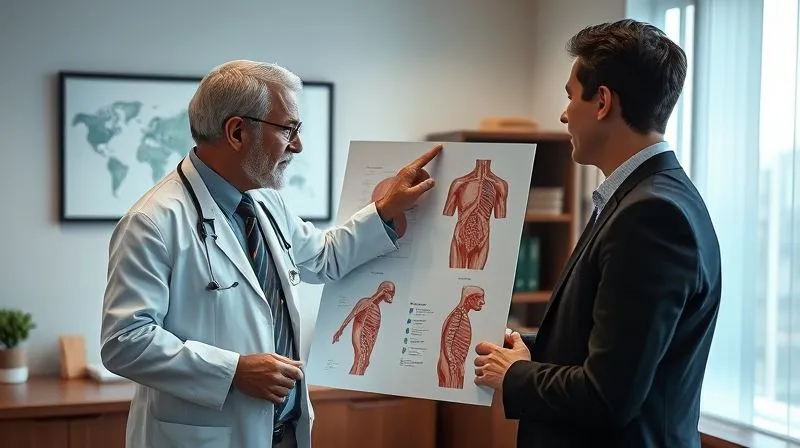
Strategy 3: The 'Eggshell Skull' Rule and Aggravation of Pre-existing Conditions
One of the most fundamental principles in personal injury law is the "eggshell skull" rule, sometimes referred to as the "thin skull" rule. This doctrine states that a defendant must take their victim as they find them. In simpler terms, if a plaintiff has a pre-existing vulnerability, like a fragile skull, and suffers a more severe injury than an average person would from the same impact, the defendant is still liable for the full extent of the plaintiff's injuries.
This rule is incredibly powerful when dealing with prior bodily injury conditions. It means that if an accident aggravates a pre-existing condition, making it worse, more painful, or more debilitating, the at-fault party is responsible for that aggravation. They cannot argue that you were "more susceptible" to injury because of your medical history.
How to Prove Aggravation: The Key Distinctions
Proving aggravation requires demonstrating a measurable change in your condition directly attributable to the new incident. This isn't just about feeling worse; it's about objective evidence.
- Increased Pain Levels: A significant and sustained increase in your typical pain scale ratings.
- New Symptoms: The emergence of symptoms not previously experienced, such as radiating pain, numbness, weakness, or new functional limitations.
- Worsened Objective Findings: New diagnostic imaging showing increased inflammation, disc herniation, nerve impingement, or other structural changes not present or stable before the incident.
- Loss of Function: A reduction in your ability to perform daily activities, work, or engage in hobbies that you could manage before the accident, despite your pre-existing condition.
- Need for New Treatments: Requiring new or more aggressive medical interventions (e.g., surgery, injections, higher dose medications) that were not necessary prior to the new injury.
Case Study: Maria's Chronic Back Pain and the Fender Bender
Maria, a 45-year-old accountant, had a history of chronic lower back pain due to degenerative disc disease. For years, she managed her condition with occasional physical therapy and over-the-counter pain relievers, maintaining an active lifestyle, including daily walks and light gardening. Her pain typically hovered at a 2-3 on a 10-point scale.
One afternoon, Maria was rear-ended at a stop light. While the impact seemed minor, she immediately felt a sharp, new pain in her lower back, radiating down her leg – a symptom she had never experienced before. Post-accident, her pain escalated to a consistent 7-8, making it impossible to sit for extended periods, walk without a cane, or continue her hobbies.
Her attorney, leveraging her meticulous pre-accident medical records showing her stable condition, along with new MRI scans revealing a new disc herniation at a different level and increased nerve compression, built a strong case. A pain management specialist provided expert testimony, confirming that while Maria had pre-existing degeneration, the new trauma directly caused the acute herniation and the debilitating radicular pain. The "eggshell skull" rule ensured the at-fault driver was held responsible for the full extent of Maria's aggravated condition, despite her prior medical history.
Strategy 4: Demonstrating a Change in Condition – Before vs. After
The most compelling way to prove a new injury or aggravation is to clearly illustrate the stark difference in your physical and functional state before and after the incident. This "before and after" narrative is not just anecdotal; it must be supported by objective and subjective evidence that shows a quantifiable and qualitative change.
Quantifying the Impact: Pain Scales, Functional Limitations, and Quality of Life
This is where the detailed documentation discussed earlier becomes invaluable. You need to provide concrete examples and data points that highlight the deterioration in your condition.
- Pain Scale Comparisons: As mentioned, if you have a history of reporting pain, show how the numbers have dramatically increased and remained elevated.
- Functional Capacity: Document what activities you could perform before (e.g., lifting 20 lbs, walking 2 miles, sitting for 4 hours) versus what you can do now. This often requires input from physical therapists or occupational therapists.
- Medication Changes: A shift from over-the-counter pain relief to prescription narcotics, or an increase in dosage, is a strong indicator of worsening pain.
- Sleep Disturbances: New or significantly worsened sleep problems due to pain.
- Impact on Hobbies and Social Life: The inability to participate in activities you once enjoyed, leading to social isolation or depression.
- Work Limitations: Needing to take time off work, switch to light duty, or being unable to return to your previous occupation.
| Condition | Pre-Accident Severity (0-10) | Post-Accident Severity (0-10) | Functional Impact | Post-Accident Functional Impact |
|---|---|---|---|---|
| Chronic Lower Back Pain | 3-4 (manageable) | 7-8 (debilitating) | Mild occasional discomfort, active lifestyle | Severe daily limitation, unable to lift, requires cane, ceased hobbies |
| Neck Stiffness/Headaches | 0-1 (rare) | 5-6 (daily, persistent) | None | Difficulty turning head, impaired concentration, reduced work capacity |
The table above illustrates how quantitative data can highlight the significant change. This kind of evidence is powerful in demonstrating that the new accident genuinely impacted your life, going beyond mere subjective complaints.
Strategy 5: Understanding the Legal Standard of Causation
While medical evidence establishes the scientific link, it must also satisfy the legal standard of causation. In personal injury cases, there are typically two main components to proving causation: "but-for" causation and proximate causation. Understanding these concepts is crucial for your legal team to effectively argue your case.
"But-For" Causation vs. Proximate Causation
- "But-For" Causation (Cause-in-Fact): This is the most straightforward aspect. It asks: "But for the defendant's actions (e.g., the car accident), would the injury have occurred?" If the answer is no, then "but-for" causation is established. When dealing with pre-existing conditions, the question becomes: "But for the new accident, would my pre-existing condition have worsened, or would I have developed this new injury?" This is where your "before and after" medical documentation is critical.
- Proximate Causation (Legal Cause): This is a more complex legal concept. It asks whether the injury was a reasonably foreseeable consequence of the defendant's actions. It serves to limit liability to injuries that are not too remote or attenuated from the original act. In cases with prior injuries, the "eggshell skull" rule often helps satisfy proximate causation, as the defendant is liable for the direct consequences of their actions, even if those consequences are more severe due to a pre-existing vulnerability.
Both "but-for" and proximate causation must generally be proven to succeed in a personal injury claim. Your attorney will work closely with medical experts to bridge the gap between medical certainty and legal proof. For a deeper dive into legal causation principles, you might refer to legal resources like those provided by Cornell Law School's Legal Information Institute on causation in tort law.
Strategy 6: Corroborating Evidence – Beyond Medical Records
While medical records are paramount, a strong claim often benefits from additional corroborating evidence. This external validation strengthens your narrative and can help sway adjusters or juries who might be skeptical of self-reported symptoms, especially when trying to prove new injury causation with prior bodily injury conditions.
Witness Testimonies and Lay Evidence
People who know you well can provide invaluable "lay witness" testimony about the changes they've observed in you since the accident.
- Family and Friends: They can testify about your pre-accident activity levels, your demeanor, your ability to perform daily tasks, and the noticeable decline in these areas post-accident.
- Co-workers: They can provide insights into your work performance, attendance, and physical capabilities before and after the injury.
- Neighbors: If you were active in your community or maintained your home/yard, they can speak to your previous abilities.
- Employer Records: Documentation of missed work, requests for accommodation, or changes in job duties can support your claim.
Diagnostic Imaging and Objective Findings
Objective findings from diagnostic tests are crucial because they provide concrete, measurable evidence that isn't reliant on subjective reporting.
- X-rays, MRIs, CT Scans: Comparing pre-accident scans with post-accident scans can reveal new fractures, herniations, or aggravations of existing conditions. A radiologist's comparison report is particularly powerful.
- Nerve Conduction Studies (NCS) / Electromyography (EMG): These tests can objectively measure nerve damage or dysfunction, which might be new or worsened.
- Range of Motion (ROM) Measurements: Physical therapists can document objective limitations in your movement.
- Functional Capacity Evaluations (FCEs): These comprehensive tests objectively assess your physical abilities and limitations, directly comparing them to pre-injury capabilities.
"In the legal arena, objectivity is king. While your pain is real, insurance companies often demand tangible proof. Diagnostic imaging and independent witness accounts provide the irrefutable evidence needed to cut through skepticism."

Strategy 7: The Role of a Skilled Personal Injury Attorney
While this guide empowers you with knowledge, navigating the complexities of personal injury law, especially when pre-existing conditions are involved, is best done with an experienced attorney by your side. A skilled personal injury lawyer acts as your advocate, strategist, and protector against the tactics of insurance companies.
An attorney specializing in personal injury with a deep understanding of medical causation can:
- Gather and Organize Evidence: They know precisely what medical records, bills, and other documents are needed and how to obtain them efficiently.
- Identify and Retain Experts: They have networks of medical professionals who are not only skilled clinicians but also experienced and credible expert witnesses in legal proceedings.
- Negotiate with Insurance Companies: They understand insurance company tactics and valuation methods, ensuring you don't settle for less than your claim is worth. They are adept at countering arguments that blame pre-existing conditions.
- Litigate Your Case: If a fair settlement cannot be reached, they are prepared to take your case to court, presenting compelling arguments and evidence to a judge or jury.
- Understand Legal Precedent: They know how similar cases have been handled and can apply relevant legal principles, like the "eggshell skull" rule, to your specific situation.
Hiring an attorney levels the playing field, allowing you to focus on your recovery while they handle the legal and administrative burdens. For more information on finding the right legal representation, resources like the American Bar Association can offer guidance on how to find legal help.
Common Pitfalls to Avoid When Proving Causation
Even with a strong case, certain missteps can jeopardize your ability to prove new injury causation with prior bodily injury conditions. Being aware of these common pitfalls can help you avoid them:
- Delaying Medical Treatment: Any significant gap between the accident and seeking medical care can be used by the defense to argue your injuries weren't caused by the incident.
- Inconsistent Reporting: Telling different versions of the accident or your symptoms to different medical providers or to your attorney. Consistency is key.
- Failing to Disclose Pre-existing Conditions: Attempting to hide a prior condition will severely damage your credibility if discovered. Transparency, coupled with strong evidence of new injury/aggravation, is the best approach.
- Not Following Medical Advice: Failing to attend appointments, complete physical therapy, or take prescribed medication can be interpreted as a lack of commitment to recovery or that your injuries aren't severe.
- Posting on Social Media: Any posts about your activities, travel, or perceived recovery can be used by the defense to contradict your injury claims, regardless of context. Be extremely cautious.
- Not Getting Legal Counsel Early: Waiting too long to consult an attorney can mean crucial evidence is lost or opportunities to build a strong case are missed.
Understanding the impact of these pitfalls is not just theoretical. For example, a study published in the Spine Journal highlighted that delays in medical care after a low back injury can correlate with poorer outcomes and higher costs, which indirectly impacts the perception of causation in a legal context.
Frequently Asked Questions (FAQ)
Q: What if my prior injury was fully resolved before the new accident? A: If your prior injury was fully resolved, with no ongoing symptoms or limitations, then the new injury would be considered entirely new. Your medical records demonstrating the resolution and your return to baseline health are crucial here. The challenge is proving the "full resolution" to the satisfaction of the court or insurance company.
Q: Can I still claim if the accident only worsened my pre-existing condition? A: Absolutely. This is a classic application of the "eggshell skull" rule. The at-fault party is responsible for the aggravation of your pre-existing condition, meaning they are liable for the extent to which your condition worsened due to their negligence. You must demonstrate a measurable increase in pain, new symptoms, or increased functional limitations directly attributable to the new incident.
Q: How long do I have to prove causation? A: The timeline for proving causation is tied to your state's statute of limitations for personal injury claims, which varies but is typically 1-3 years from the date of the accident. However, from a practical standpoint, the sooner you begin gathering evidence and seeking legal counsel, the stronger your case will be, especially concerning the freshness and availability of medical and lay witness testimony.
Q: What if the insurance company denies my claim due to pre-existing conditions? A: This is a common tactic. A denial is not the end of your claim. This is precisely when a skilled personal injury attorney becomes indispensable. They will review the denial, gather counter-evidence, potentially engage medical experts for stronger causation opinions, and negotiate directly with the insurance company, or prepare for litigation if necessary.
Q: Is there a difference between "aggravation" and "activation" of a latent condition? A: Yes, and it's an important distinction. "Aggravation" means a pre-existing condition that was already symptomatic or known became worse. "Activation" refers to a dormant or asymptomatic condition (e.g., a silent degenerative disc) that was made symptomatic or clinically significant by the trauma. Both can be compensable, but proving activation often requires even more compelling medical expert testimony to establish the direct link between the trauma and the sudden onset of symptoms from a previously silent condition.
Key Takeaways and Final Thoughts
Proving new injury causation with prior bodily injury conditions? is undeniably one of the most complex facets of personal injury law. It demands a rigorous, strategic approach, combining meticulous documentation, expert medical opinions, and astute legal representation. My experience has shown time and again that success in these cases hinges on proactive measures and an unwavering commitment to detail.
- Documentation is King: Maintain exhaustive medical records, both pre- and post-accident, to establish a clear "before and after" picture.
- Leverage Medical Experts: Independent medical examinations and specialist testimony are often crucial for establishing causation scientifically.
- Understand Legal Principles: The "eggshell skull" rule is your ally when an accident aggravates a pre-existing condition.
- Demonstrate Change: Quantify the impact of the new injury through pain scales, functional limitations, and quality of life changes.
- Corroborate Your Story: Use witness testimonies and objective diagnostic findings to strengthen your claim.
- Seek Expert Legal Counsel: A skilled personal injury attorney is invaluable in navigating these complexities and advocating for your rights.
While the journey may seem daunting, remember that your injuries are real, and you deserve fair compensation for the impact they've had on your life. By applying these expert strategies, you can confidently build a compelling case, overcome skepticism, and ensure that justice prevails. Don't let your past medical history invalidate your present suffering; empower yourself with knowledge and the right team to secure the future you deserve.

Recommended Reading
- The Grave Truth: What Are the Consequences of Overstaying a US Visa?
- Maximize Home Office Tax Deductions: 7 Legal Strategies for Professionals
- When Is a Property Owner Liable for Dog Bite Injuries? The Ultimate Guide
- Navigating New Carbon Mandates: 7 Legal Strategies for Corporate Resilience
- Development at Risk? 5 Ways to Defend Against Implied Easement Claims





Comments
Leave a comment below. Your email will not be published. Required fields marked with *