



What Are the Immediate Legal Risks of New PFAS Regulations?
For over two decades in real estate environmental law, I've witnessed countless regulatory shifts, but few present the immediate, multifaceted challenges that the evolving PFAS landscape does. The term "forever chemicals" barely scratches the surface of the enduring legal and financial liabilities property owners, developers, and investors now face.
The problem is stark: PFAS (per- and polyfluoroalkyl substances) are ubiquitous, found in everything from non-stick coatings to firefighting foams, and their health impacts are driving an urgent, yet often inconsistent, regulatory response. This creates a minefield of uncertainty for real estate transactions and property management, where legacy contamination can suddenly trigger massive liabilities, even for properties previously deemed "clean."
In this article, I'll draw upon my extensive experience to dissect the immediate legal risks posed by new PFAS regulations. We'll explore critical areas of exposure, from heightened due diligence to unforeseen litigation, and I'll provide actionable frameworks, drawing on real-world scenarios, to help you navigate this complex, high-stakes environment effectively and proactively.
Understanding the Evolving PFAS Regulatory Landscape
The regulatory environment surrounding PFAS is a rapidly moving target, making it incredibly difficult for businesses to keep pace. What was permissible yesterday might be a significant liability today, and the lack of a unified federal approach complicates matters immensely.
Federal Initiatives: EPA and CERCLA
At the federal level, the U.S. Environmental Protection Agency (EPA) is at the forefront of establishing new standards. I've seen the EPA's focus intensify, particularly with the proposed designation of PFOA and PFOS as hazardous substances under the Comprehensive Environmental Response, Compensation, and Liability Act (CERCLA), often known as Superfund. This designation is a game-changer, as it opens the door to significant federal enforcement actions and cost recovery demands, fundamentally altering liability for past and present property owners.
Beyond CERCLA, the EPA is also setting Maximum Contaminant Levels (MCLs) for various PFAS compounds in drinking water, which will have ripple effects on municipal water systems and, by extension, properties reliant on those systems or private wells. This isn't just about water utilities; it's about the potential for property value diminution and remediation costs for any property contributing to or impacted by contaminated water sources.
State-Level Divergence and Enforcement
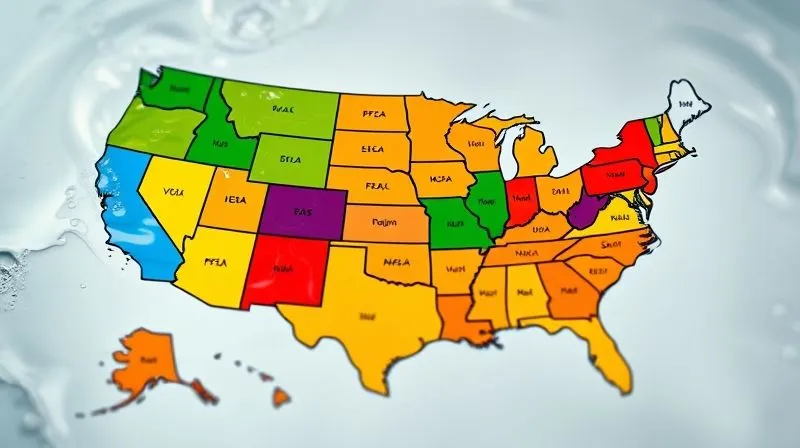
While federal action is crucial, many states have not waited for the EPA. I regularly advise clients grappling with a patchwork of state-specific regulations, often more stringent than federal guidelines. States like Michigan, New York, and California have enacted their own MCLs, cleanup standards, and disclosure requirements, creating a complex compliance puzzle for multi-state operators or investors.
This divergence means that a property transaction that sails smoothly in one state could become mired in PFAS-related complications in another. Understanding the specific state and even local regulations applicable to a property is paramount. Ignoring these localized rules is, in my experience, one of the quickest ways to incur unforeseen legal exposure.
"The regulatory landscape for PFAS is less a clear path and more a shifting labyrinth. Proactive monitoring of federal and state developments isn't just good practice; it's essential for survival in real estate dealings."
Navigating this complex web requires constant vigilance and expert legal counsel. The financial implications of non-compliance or unexpected contamination can be staggering, underscoring the need for a robust environmental strategy.
Increased Due Diligence Requirements and Transactional Risks
The days of a standard Phase I Environmental Site Assessment (ESA) being sufficient for all environmental risks are, in the age of PFAS, rapidly receding. The immediate legal risk here is acquiring a property with undisclosed or undiscovered PFAS contamination, leading to substantial post-acquisition liabilities.
Phase I ESAs and Emerging Contaminants
In my practice, I've seen firsthand how the ASTM E1527-21 standard for Phase I ESAs, which now explicitly mentions "emerging contaminants" like PFAS, is changing the game. While PFAS isn't yet a "recognized environmental condition" (REC) by default, the standard encourages environmental professionals to consider it. This means buyers and lenders can no longer afford to overlook PFAS during due diligence.
A thorough Phase I ESA should now explicitly address potential PFAS sources, such as former industrial operations, military bases, airports (due to firefighting foam use), or even certain agricultural practices. If potential sources are identified, a Phase II ESA, involving sampling and analysis, becomes critical. Failing to conduct this deeper dive can leave a buyer open to later discovery of contamination and associated cleanup costs.
Buyer and Lender Liability Concerns
For buyers, the risk is direct: inheriting a contaminated property and becoming responsible for its remediation under CERCLA or state equivalents. This can significantly devalue the asset and incur enormous cleanup expenses. For lenders, the risk lies in the diminished value of their collateral and the potential for becoming entangled in environmental liability themselves if they foreclose on a contaminated property.
I often advise my clients that the "innocent landowner" defense under CERCLA is becoming increasingly difficult to invoke without robust pre-acquisition due diligence specifically targeting emerging contaminants like PFAS. The standard of inquiry is rising, and what was once considered "all appropriate inquiry" may no longer be enough.
- Review Historical Property Use: Identify any past industrial operations, military installations, or firefighting training facilities.
- Consult Local/State Databases: Check for known PFAS sites, spills, or permitted discharges in the vicinity.
- Engage Qualified Environmental Consultants: Ensure your ESA consultant is knowledgeable about PFAS and its potential presence.
- Consider Targeted Sampling (Phase II): If potential sources are identified, invest in soil and groundwater sampling for PFAS.
- Assess Water Sources: Evaluate public water system reports or conduct private well testing for PFAS.
The financial implications of inadequate due diligence can be devastating. A small investment upfront in comprehensive PFAS assessment can prevent multi-million dollar liabilities down the line.
| Aspect | Focus | PFAS Consideration | Liability Risk | Cost Impact |
|---|---|---|---|---|
| Pre-PFAS Awareness Due Diligence | Traditional RECs (petroleum, solvents) | Rarely explicit, often overlooked | Lower perceived, higher hidden | Standard ESA cost |
| Post-PFAS Regulatory Era Due Diligence | Traditional RECs + Emerging Contaminants (PFAS) | Mandatory consideration, potential for Phase II | Higher perceived, lower hidden if thorough | Standard ESA + potential for PFAS-specific assessment/sampling |
Owner and Operator Liability: The "Deep Pockets" Principle
Once a property is acquired, the legal risks don't cease. In fact, they can intensify, particularly for owners and operators of facilities where PFAS was historically used or disposed of. The "deep pockets" principle often comes into play, making current owners attractive targets for cleanup cost recovery.
CERCLA, RCRA, and State Superfund Equivalents
The proposed CERCLA designation of PFOA and PFOS as hazardous substances is perhaps the most significant immediate risk for current property owners. Under CERCLA, liability is strict, joint and several, and retroactive. This means that if PFAS contamination is found on your property, you could be held liable for the entire cleanup cost, regardless of fault, even if the contamination occurred before you owned the land.
Furthermore, the Resource Conservation and Recovery Act (RCRA) can also be a tool for addressing PFAS, particularly for ongoing releases or facilities that generate PFAS-containing waste. Many states have their own "mini-Superfund" laws, which often mirror CERCLA's strict liability framework, broadening the scope of potential enforcement actions beyond federal reach.
The Challenge of "Forever Chemicals"
The moniker "forever chemicals" isn't just a catchy phrase; it highlights a critical legal and scientific challenge. PFAS compounds are incredibly persistent in the environment and resistant to degradation. This persistence means that once contamination occurs, remediation is often complex, expensive, and protracted, leading to long-term legal and financial burdens for responsible parties.
I've advised numerous clients facing the daunting prospect of remediating sites with PFAS contamination. The technologies are still evolving, and the costs can quickly escalate into the millions, impacting property values and operational viability. This makes understanding your historical property uses and potential PFAS sources absolutely critical.
"Under CERCLA, a property owner can be held fully responsible for PFAS cleanup costs, even if they didn't cause the contamination. This 'joint and several' liability means the government often pursues the party with the deepest pockets, making proactive risk management non-negotiable."
Case Study: How Greenfields Development Navigated PFAS Discovery
Greenfields Development, a client of mine, acquired a former industrial site in 2018 for a mixed-use project. Their Phase I ESA at the time did not specifically flag PFAS, as regulations were less mature. During initial site grading in 2022, soil sampling for a different permit revealed significant PFAS contamination in a localized area, traced back to historical firefighting foam use by a previous owner in the 1970s.
The state environmental agency issued a notice of violation, demanding remediation. Greenfields faced millions in potential cleanup costs and project delays. Through strategic legal action, including leveraging their robust acquisition agreement and pursuing the prior owner, and engaging with state regulators to negotiate a phased remediation plan, we were able to significantly mitigate their financial exposure. This case underscored the importance of not just identifying PFAS, but having clear contractual protections and a proactive legal strategy in place.
Contractual Implications and Indemnification Clauses
In the face of escalating PFAS risks, the boilerplate language in real estate transaction documents is no longer adequate. The immediate legal risk here lies in poorly drafted contracts that fail to adequately allocate PFAS-related liabilities, leaving buyers, sellers, or even tenants exposed to unforeseen financial burdens.
Rethinking Representations and Warranties
Sellers must now be extremely cautious about the environmental representations and warranties they provide. What was once a standard "no known contamination" clause could now be interpreted to include PFAS, even if the seller was genuinely unaware. I counsel sellers to carefully qualify their representations, often limiting them to their actual knowledge after specific due diligence, rather than providing broad, unqualified assurances.
Conversely, buyers should push for stronger representations from sellers regarding PFAS, including specific disclosures about past site uses, known releases, and any prior PFAS testing. The absence of such specific clauses should be a red flag, prompting more intensive buyer-side due diligence. The goal is to ensure that the risk allocation aligns with the parties' understanding and assessment of potential PFAS issues.
Crafting Robust Indemnification Agreements
Indemnification clauses are your primary shield against future PFAS liabilities. In my experience, a generic environmental indemnity is often insufficient. These agreements must be meticulously drafted to specifically address PFAS, outlining who bears the responsibility for investigation, remediation, and potential third-party claims arising from PFAS contamination, both pre- and post-closing.
Key elements to consider include:
- Scope of Indemnity: Clearly define what types of PFAS-related liabilities are covered (e.g., remediation costs, regulatory fines, litigation expenses).
- Time Limitations: While sellers often seek to limit the indemnity period, buyers should push for longer terms, given the "forever chemical" nature of PFAS.
- Baskets and Caps: Negotiate thresholds (baskets) before indemnity kicks in and maximum liability limits (caps) to manage exposure.
- Survival Clauses: Ensure the environmental indemnity survives the closing of the transaction for a sufficient period.

For further insights into drafting effective environmental indemnities, I recommend reviewing resources from the American Bar Association on environmental indemnification agreements in M&A, which often share principles applicable to real estate.
Remediation Costs and Insurance Challenges
Perhaps the most tangible and immediate legal risk associated with new PFAS regulations is the financial burden of remediation and the increasing difficulty in securing adequate insurance coverage. The costs can be astronomical, and traditional insurance policies may offer little solace.
Estimating the Unpredictable: Remediation Costs
Unlike some other contaminants with well-established remediation technologies, PFAS remediation is still evolving and often highly site-specific. This makes cost estimation incredibly challenging. I've seen initial estimates for PFAS cleanup quickly double or triple as the full extent of contamination is uncovered or as regulatory standards become stricter.
Factors influencing these costs include:
- Concentration and Type of PFAS: Higher concentrations and certain compounds are more difficult/costly to treat.
- Affected Media: Soil, groundwater, surface water, sediment, air – each requires different treatment approaches.
- Site Geology and Hydrogeology: Complex subsurface conditions can make contaminant plumes harder to contain and treat.
- Regulatory Requirements: Stringent cleanup levels mandated by state or federal agencies drive up costs.
- Remediation Technology: Advanced technologies (e.g., GAC, ion exchange, thermal treatment) are effective but expensive.
- Conduct Comprehensive Site Investigation: Fully delineate the extent and concentration of PFAS contamination.
- Evaluate Remediation Technologies: Research and assess the feasibility and cost-effectiveness of various treatment options for your specific site conditions.
- Engage Expert Cost Estimators: Work with environmental consultants specializing in PFAS remediation costing.
- Factor in Regulatory Evolution: Build in contingencies for potential changes in cleanup standards.
- Plan for Long-Term Monitoring: PFAS often requires ongoing monitoring and potential long-term treatment, adding to overall costs.
Environmental Insurance: A Shifting Landscape
The insurance market for environmental risks, particularly concerning PFAS, is hardening. While historically, environmental liability insurance (ELI) policies could offer some protection, carriers are increasingly adding PFAS exclusions or offering very limited coverage. I've observed a significant tightening, with underwriters demanding more detailed information and charging higher premiums for any PFAS coverage.
Property owners and developers must carefully review existing and new policies to understand the extent of PFAS coverage, if any. Retroactive coverage for historical contamination is particularly difficult to secure. For forward-looking risks, policies may cover new releases but often exclude pre-existing conditions. This means a proactive risk management strategy, rather than relying solely on insurance, is more critical than ever.
For more detailed analysis on how emerging contaminants impact insurance, a report from a major insurance broker like Marsh McLennan on PFAS risk can provide valuable context.
Disclosure Obligations and Professional Responsibility
The rising awareness and regulation of PFAS bring with them significant disclosure obligations for sellers and professional responsibility concerns for environmental consultants and legal counsel. The immediate legal risk is non-disclosure or negligent advice leading to lawsuits or regulatory penalties.
Seller Disclosure Duties
In many jurisdictions, sellers are legally obligated to disclose known material defects or environmental conditions affecting a property. With PFAS moving to the forefront of environmental concerns, what constitutes a "material defect" is expanding. I routinely advise sellers that if they have any knowledge or reasonable suspicion of PFAS contamination, or if their property has a history suggesting potential PFAS presence (e.g., industrial use, proximity to a landfill), they must disclose it.
Failure to disclose can lead to claims of misrepresentation, fraud, or breach of contract, resulting in significant damages for the buyer, including remediation costs and diminution in property value. The "as-is" clause in a purchase agreement, while offering some protection, is rarely a complete shield against knowing non-disclosure, especially in consumer-facing transactions.
The Role of Environmental Consultants and Legal Counsel
Environmental consultants conducting ESAs and legal counsel advising on transactions bear a heightened professional responsibility. Consultants must be diligent in identifying potential PFAS sources and recommending appropriate investigations. Their failure to do so could expose them to professional negligence claims if a buyer later discovers significant, previously undetected PFAS contamination.
Similarly, legal counsel must be adept at advising clients on the complexities of PFAS regulations, drafting robust contractual protections, and guiding them through due diligence. I've seen this firsthand; the specialized knowledge required for PFAS issues means that general environmental law experience may not be enough. Clients expect, and deserve, counsel who are truly experts in this evolving niche.
"Transparency is not just an ethical imperative; it's a legal defense. For sellers, proactively disclosing known PFAS issues, even if challenging, is almost always preferable to facing litigation for non-disclosure."

Litigation Trends and Emerging Torts
The escalating regulatory scrutiny and scientific understanding of PFAS are inevitably fueling a surge in litigation. The immediate legal risk for property owners and operators includes becoming targets in complex toxic tort claims, class actions, and natural resource damage lawsuits.
Toxic Tort Claims and Class Actions
I've observed a clear trend towards an increase in toxic tort litigation related to PFAS. These lawsuits are typically brought by individuals or communities alleging personal injury (e.g., cancer, developmental issues) or property damage (e.g., diminished property value, contaminated water sources) due to exposure to PFAS. Defendants often include manufacturers of PFAS, industrial users, and even property owners whose land is a source of contamination.
Class action lawsuits are particularly potent in the PFAS context, as widespread contamination can affect numerous individuals and properties. The sheer scale of potential damages and the complexity of proving causation in environmental health cases make these suits incredibly challenging and costly to defend. Early identification of potential exposure pathways and proactive community engagement can sometimes mitigate the risk, but the threat remains significant.
Natural Resource Damages (NRD)
Beyond private litigation, governmental entities (federal, state, and tribal) are increasingly pursuing Natural Resource Damages (NRD) claims for PFAS contamination. NRD claims seek compensation for injury to natural resources like groundwater, surface water, soil, and wildlife due to hazardous substance releases. These claims are distinct from cleanup costs and can add another layer of significant financial liability.
The concept is that the public holds these natural resources in trust, and if they are harmed, the responsible party must compensate the public for the loss of use, ecological services, and restoration. PFAS, with its persistence and widespread impact on ecosystems, is a prime candidate for NRD claims, adding another dimension to the potential legal risks for those found responsible for releases.
For a detailed perspective on federal enforcement, the EPA's PFAS enforcement initiative provides insight into their strategy and priorities.

Frequently Asked Questions (FAQ)
Q: How does the "innocent landowner" defense apply to PFAS contamination? The innocent landowner defense under CERCLA is becoming increasingly difficult to invoke for PFAS. To qualify, a party must demonstrate that they conducted "all appropriate inquiries" prior to acquisition and had no reason to know of the contamination. With the increasing awareness and regulatory focus on PFAS, what constitutes "all appropriate inquiries" now almost certainly includes consideration of potential PFAS risks, often requiring specific investigation beyond a standard Phase I ESA. Failing to investigate potential PFAS sources during due diligence could jeopardize this defense.
Q: Can a seller be held liable for PFAS contamination discovered years after a property sale? Yes, absolutely. Seller liability can arise from several avenues. If the seller actively caused the contamination, they remain liable under environmental statutes like CERCLA. Additionally, if the seller had knowledge of PFAS contamination and failed to disclose it, they could face claims of misrepresentation or fraud, often surviving the closing of the transaction. The terms of the purchase agreement, particularly representations, warranties, and indemnities, are crucial in defining post-closing liabilities.
Q: What are the key differences between federal and state PFAS regulations that real estate professionals should be aware of? The primary difference lies in stringency and scope. Federal regulations (primarily EPA-led) often set baseline standards (e.g., proposed MCLs, CERCLA hazardous substance designation). However, many states have moved faster and implemented more stringent standards for drinking water, soil cleanup, and discharge limits. This creates a complex patchwork where state laws can impose greater liabilities and stricter compliance requirements than federal law, meaning compliance in one state does not guarantee compliance in another.
Q: How can I assess the potential for PFAS contamination on a property I'm considering acquiring? Begin with a thorough review of the property's historical uses, particularly looking for operations associated with PFAS (e.g., manufacturing, metal plating, airports, fire training facilities, landfills). Engage an environmental consultant experienced in PFAS to conduct a Phase I ESA that specifically considers emerging contaminants. If potential sources are identified, proceed with a Phase II ESA involving targeted soil and groundwater sampling for PFAS compounds. Also, investigate local public water reports or test private wells.
Q: Is environmental insurance still a viable option for mitigating PFAS risks? Environmental liability insurance (ELI) can still be a valuable tool, but the landscape is rapidly changing. Insurers are increasingly adding PFAS exclusions or offering very limited, highly specific coverage for new releases, often with higher premiums and deductibles. It's crucial to review policies carefully with an experienced broker and legal counsel to understand exactly what is covered and, more importantly, what is excluded. Relying solely on insurance without a robust proactive risk management strategy is becoming increasingly risky.
Key Takeaways and Final Thoughts
The immediate legal risks of new PFAS regulations are profound and demand an urgent, strategic response from anyone involved in real estate. As an industry veteran, I cannot overstate the importance of proactive engagement with this evolving challenge. Ignoring PFAS is no longer an option; it's a direct path to significant legal and financial exposure.
- Due Diligence is Paramount: Elevate your environmental due diligence beyond traditional contaminants to specifically address PFAS risks in every transaction.
- Contractual Protections are Critical: Meticulously draft and negotiate representations, warranties, and indemnification clauses to explicitly allocate PFAS liabilities.
- Understand Your Property's History: Investigate past uses of any property to identify potential PFAS sources and assess existing contamination.
- Stay Ahead of Regulations: Continuously monitor the rapidly evolving federal and state regulatory landscape for PFAS to ensure ongoing compliance.
- Build an Expert Team: Partner with environmental consultants and legal counsel who possess deep, specialized expertise in PFAS law and science.
The journey through the PFAS regulatory maze will undoubtedly be complex, but with foresight, expert guidance, and a commitment to proactive risk management, you can transform potential liabilities into opportunities for resilient and responsible real estate development and investment. The time to act is now, safeguarding your assets and securing your future in an increasingly environmentally conscious world.
Recommended Reading
- Creditor's Shield: Objecting to a Chapter 13 Plan Confirming Lien Strip
- 7 Expert Steps: Advising Clients on Complex Corporate Compliance Audits
- Command Responsibility in the ICL: The Ultimate Guide You Need
- Unmasking Negligence: How to Prove Your Product Liability Claim & Win Justice
- Can Unions Help Me Fight Wrongful Termination? Your Ultimate Guide





Comments
Leave a comment below. Your email will not be published. Required fields marked with *