



What Expert Testimony is Crucial for Proving Subtle SCI Causation?
For over two decades in personal injury law, I've witnessed firsthand the profound challenges victims face when their spinal cord injuries are subtle, often invisible to conventional diagnostics. These aren't the dramatic, catastrophic injuries that leave no doubt; these are the insidious, life-altering conditions that demand meticulous proof.
The reader’s pain point is palpable: how do you convince a jury, or even an insurance adjuster, of an injury that doesn't scream from a standard MRI? The defense often argues that if it's not overtly visible, it must not exist, or certainly isn't causally linked to the incident. This skepticism is a formidable barrier for those suffering genuine, debilitating symptoms.
In this definitive guide, I will share the actionable frameworks, crucial expert insights, and strategic approaches I've honed over years of navigating these complex cases. You will learn precisely what expert testimony is crucial for proving subtle SCI causation, transforming an invisible injury into undeniable legal truth.
The Elusive Nature of Subtle Spinal Cord Injuries
Understanding the 'Subtle' in SCI
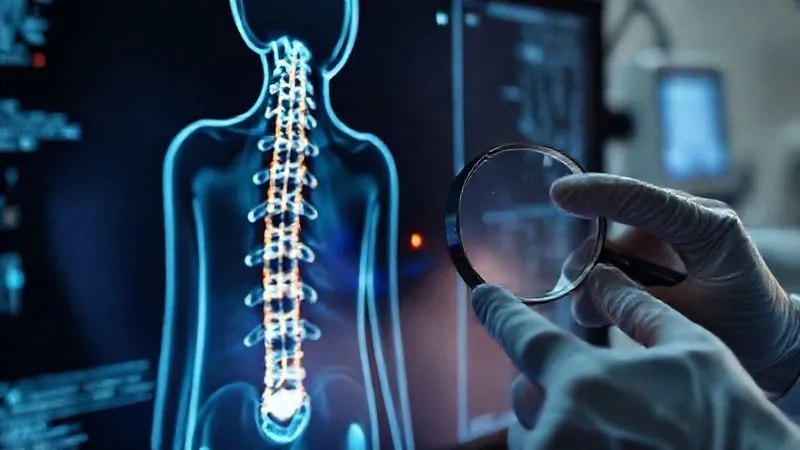
When we talk about 'subtle' spinal cord injuries (SCI), we're often referring to conditions like mild traumatic spinal cord injury (mTSCI) or spinal cord concussion, where there might be microscopic damage to nerve fibers or transient physiological disruption without overt structural changes visible on routine imaging. These injuries can cause significant neurological deficits, pain, sensory issues, and functional limitations, yet appear 'normal' on a standard MRI or X-ray.
Why Subtle SCIs Pose Unique Legal Challenges
The primary hurdle in subtle SCI cases is the lack of obvious objective findings. Jurors are accustomed to seeing broken bones or herniated discs. When medical reports state 'no acute findings,' it creates an immediate credibility gap. My experience has shown that bridging this gap requires more than just a patient's testimony; it demands a sophisticated, multi-pronged expert strategy that can unveil the invisible and connect it unequivocally to the traumatic event.
The defense will inevitably highlight the absence of gross pathology, attempting to dismiss the injury as psychosomatic or pre-existing. This makes understanding what expert testimony is crucial for proving subtle SCI causation not just important, but absolutely essential for any successful claim.
Foundation of Proof: Medical Causation and Legal Standards
Before diving into specific experts, it's vital to grasp the legal bedrock of causation. In personal injury, you generally need to prove both general and specific causation. General causation asks if the type of incident *can* cause the type of injury. Specific causation asks if *this specific incident* caused *this specific injury* in *this specific plaintiff*.
Establishing General vs. Specific Causation
For subtle SCIs, general causation often involves demonstrating that even seemingly minor trauma can result in microscopic neurological damage. This frequently relies on biomechanical principles and neuroscientific understanding. Specific causation then requires experts to link the plaintiff's symptoms and objective findings (even if subtle) directly to the forces experienced during the incident, ruling out alternative causes.
The Daubert Standard and Expert Admissibility
In federal courts, and many state courts, expert testimony must meet the Daubert standard (or Frye in others) to be admissible. This means the expert's methodology and scientific principles must be reliable and generally accepted within the relevant scientific community. For subtle SCIs, this often means relying on cutting-edge diagnostic techniques and established neurophysiological principles, ensuring your experts aren't presenting 'junk science' but rather well-validated, albeit advanced, medical understanding. The Daubert standard emphasizes the trial judge's role as a gatekeeper.
Key Expert Witness Categories for Subtle SCI Cases
Proving subtle SCI causation demands a multidisciplinary approach. No single expert typically holds all the answers. Instead, it’s about building a cohesive narrative through the combined weight of several specialized testimonies.
1. The Neurological and Neurophysiological Expert
This expert is paramount. A neurologist or neurophysiologist can interpret the often-complex results of advanced diagnostic tests. They can explain how subtle changes in nerve conduction, evoked potentials, or even brain activity, indicate an injury that traditional imaging misses. They are crucial for explaining the mechanism of injury at a cellular or molecular level.
In my experience, a skilled neurologist can articulate how axonal shearing, demyelination, or microhemorrhages – invisible on a standard MRI – can lead to profound, persistent symptoms. They bridge the gap between microscopic damage and macroscopic disability.
They might utilize tests like quantitative sensory testing (QST), electromyography (EMG), nerve conduction studies (NCS), or somatosensory evoked potentials (SSEPs) to objectively demonstrate nerve damage or dysfunction, even in the absence of gross structural changes. They are vital in establishing what expert testimony is crucial for proving subtle SCI causation.
2. The Biomechanical Engineering Expert
Often overlooked, the biomechanical engineer is critical for establishing the mechanism of injury, especially when the impact seems 'minor.' They can analyze the forces involved in an accident and explain how those forces translated into specific stresses on the spinal cord, even if the resulting damage is subtle. Johns Hopkins Medicine highlights the wide range of causes for SCI, many of which involve complex biomechanical forces.
A good biomechanical engineer can demonstrate, with scientific precision, that the energy transfer during the incident was sufficient to cause the type of micro-trauma observed or inferred in the plaintiff’s spinal cord, directly countering defense arguments of 'low-impact, no injury.'
3. The Neuroradiologist and Advanced Imaging Specialist
While standard MRIs might be 'normal,' advanced neuroimaging techniques can often reveal subtle pathology. A neuroradiologist specializing in advanced sequences, such as Diffusion Tensor Imaging (DTI), Susceptibility Weighted Imaging (SWI), or functional MRI (fMRI), can detect changes in white matter integrity, microhemorrhages, or altered brain activity patterns indicative of SCI or associated brain injury.
These advanced imaging techniques are often the 'smoking gun' in subtle SCI cases, providing objective, visual evidence where traditional methods fail. A neuroradiologist who can clearly interpret and present these findings is invaluable.
They can explain how a reduction in fractional anisotropy (FA) on DTI, for example, indicates damage to axonal tracts within the spinal cord, even if no obvious lesion is present. This is a powerful form of what expert testimony is crucial for proving subtle SCI causation.
4. The Neuropsychologist and Cognitive Expert
Subtle SCIs often come with a constellation of cognitive and psychological symptoms, especially when there's a concurrent mild traumatic brain injury (mTBI) or post-concussion syndrome. A neuropsychologist can conduct comprehensive evaluations to objectively document cognitive deficits (memory, attention, processing speed) and emotional changes (depression, anxiety, PTSD) that directly result from the injury.
Case Study: Proving Post-Concussion Syndrome & Subtle SCI Link
I recall a case involving 'Sarah,' a vibrant 35-year-old marketing executive who was rear-ended at a moderate speed. Initial ER visits and standard imaging showed 'no acute findings.' However, she developed debilitating neck pain, radiating numbness in her limbs, severe cognitive fog, memory issues, and chronic fatigue. The defense dismissed her claims as subjective and unrelated to the accident.
We engaged a neuropsychologist who performed extensive testing, revealing significant deficits in executive function and processing speed, consistent with post-concussion syndrome and its impact on spinal cord function. Concurrently, a neurophysiologist identified subtle abnormalities in her somatosensory evoked potentials, pointing to spinal cord dysfunction. The biomechanical engineer demonstrated the forces involved were sufficient to cause both brain and spinal micro-trauma.
By combining these expert testimonies, we painted a clear, objective picture for the jury: Sarah's 'invisible' injuries were real, measurable, and directly caused by the accident. The synergy of these experts was what expert testimony is crucial for proving subtle SCI causation in her case, leading to a substantial settlement that acknowledged her true suffering and future needs.
5. The Rehabilitation Physician (Physiatrist)
A physiatrist specializes in physical medicine and rehabilitation. They can provide expert testimony on the long-term functional impairments, prognosis, and future medical needs associated with subtle SCIs. They focus on how the injury impacts daily life, work, and overall quality of life, often quantifying the extent of disability and the necessity of ongoing therapies or assistive devices. Their testimony can be crucial for damages.
6. The Forensic Pathologist (In rare, specific cases)
While less common in live plaintiff cases, a forensic pathologist can provide invaluable insights in specific situations, particularly if there is post-mortem examination where microscopic changes in spinal cord tissue can be analyzed. This is typically in wrongful death cases where the mechanism and extent of subtle injury are under dispute. However, their principles of tissue analysis inform the understanding of micro-trauma in living patients.
Strategic Integration: Weaving Expert Testimony into a Cohesive Narrative
The power of expert testimony isn't just in individual brilliance; it's in how seamlessly these different specialties interlock to form an undeniable argument. This requires careful planning and collaboration.
Building a Multidisciplinary Expert Team
I always advocate for assembling your expert team early. The neuroradiologist might inform the neurologist, who then collaborates with the neuropsychologist, all while the biomechanical engineer lays the foundation for causation. This interconnectedness allows each expert to reinforce the others' findings, building an impregnable wall of evidence.
Translating Complex Medical Jargon for the Jury
The most brilliant expert testimony is useless if the jury doesn't understand it. My role as an attorney and content expert is to ensure experts can explain complex concepts in plain language, using analogies and visual aids. They must be educators, not just scientists. This is a critical aspect of what expert testimony is crucial for proving subtle SCI causation.
The art of expert testimony lies in simplifying the complex without oversimplifying the truth. Jurors need to grasp the 'why' and 'how' of an invisible injury.
| Expert Type | Key Contribution | Diagnostic Tools |
|---|---|---|
| Neurologist/Neurophysiologist | Objective findings of nerve dysfunction | EMG, NCS, SSEPs, QST |
| Biomechanical Engineer | Quantifies forces, links trauma to injury mechanism | Accident reconstruction, force analysis |
| Neuroradiologist | Reveals subtle pathology via advanced imaging | DTI, SWI, fMRI |
| Neuropsychologist | Documents cognitive/emotional deficits | Neuropsychological testing, symptom inventories |
| Physiatrist | Assesses functional impairment, prognosis | Functional capacity evaluations, medical records review |
Actionable Steps for Attorneys: Maximizing Expert Impact
Here are the concrete steps I recommend for any attorney handling a subtle SCI case to maximize the impact of their expert testimony:
- Early Expert Engagement: Don't wait until discovery is closing. Engage your key experts – particularly the neuroradiologist and neurologist – as soon as possible. Their early input can guide further diagnostic testing and treatment, strengthening the case from the outset.
- Comprehensive Diagnostic Imaging Review: Even if initial scans are 'normal,' have a specialized neuroradiologist review ALL imaging with an eye for subtle findings using advanced techniques. Often, what was missed by a general radiologist is evident to a specialist.
- Pre-Trial Collaboration: Facilitate meetings or calls between your experts. Encourage them to discuss their findings and how they complement each other. This ensures a unified front and helps identify potential inconsistencies before they arise in court.
- Visual Aids and Demonstrative Evidence: Work with your experts to create compelling visual aids. This could include 3D models of the spine highlighting nerve tracts, animations of the biomechanics of the injury, or clear overlays of advanced imaging results. Visuals are powerful for explaining the invisible. The National Institute of Neurological Disorders and Stroke (NINDS) provides comprehensive information that can be leveraged for educational purposes with experts.
- Cross-Examination Preparation: Prepare your experts thoroughly for cross-examination. Anticipate defense arguments (e.g., pre-existing conditions, malingering, lack of objective findings) and work with your experts to formulate clear, concise, and scientifically sound responses.
Common Pitfalls and How to Avoid Them
Even with the right experts, subtle SCI cases can be derailed by common errors. I've observed these pitfalls repeatedly:
Underestimating Defense Tactics
The defense will invest heavily in their own experts to discredit yours. They will scrutinize methodologies, qualifications, and even the financial relationship with your firm. Be prepared for aggressive challenges to the admissibility and credibility of your expert testimony. This is why understanding what expert testimony is crucial for proving subtle SCI causation is just the beginning; you must also defend it.
Failing to Connect the Dots for the Jury
Experts can provide incredible data, but if the jury doesn't understand *how* that data proves causation and injury, it's wasted. The attorney's role is to weave the expert testimonies into a compelling, easy-to-understand narrative that clearly links the incident, the subtle injury, and the resulting suffering.
Ignoring the "Invisible" Aspects of Injury
Don't just focus on the physical. The cognitive, emotional, and psychological fallout of a subtle SCI, even if secondary to the primary physical injury, can be profound. A neuropsychologist and even a vocational expert can powerfully convey the full scope of the victim's losses, making the invisible injury profoundly real to a jury.
| Pitfall | Mitigation Strategy | Expected Outcome |
|---|---|---|
| Reliance on standard imaging only | Engage neuroradiologist for advanced imaging review (DTI, SWI) | Objective visual evidence of subtle pathology |
| Vague causation argument | Utilize biomechanical engineer to detail forces and injury mechanism | Clear, scientific link between incident and injury |
| Jury misunderstanding complex medical terms | Develop visual aids, analogies, and ensure experts simplify explanations | Enhanced jury comprehension and empathy |
| Underestimating psychological impact | Retain neuropsychologist to document cognitive/emotional deficits | Comprehensive damages claim reflecting full scope of injury |
Frequently Asked Questions (FAQ)
How early should I engage experts in a subtle SCI case? I cannot stress this enough: engage your key experts, particularly a neuroradiologist and neurologist, as early as possible. Their early assessment can guide initial medical treatment, recommend specific diagnostic tests that might otherwise be overlooked, and help preserve crucial evidence. Waiting until discovery deadlines loom can severely limit your options and weaken your case.
What if standard MRI scans show no abnormalities? This is precisely where the 'subtle' nature of the injury comes into play and why specialized experts are indispensable. Standard MRI scans are often insufficient to detect microscopic axonal damage or other subtle physiological disruptions. This is when advanced imaging techniques like DTI, SWI, or fMRI, interpreted by a specialized neuroradiologist, become critical. A neurophysiologist can also provide objective evidence of nerve pathway dysfunction through tests like SSEPs or QST, even without visible structural changes.
Can a subtle SCI worsen over time? Absolutely. While some subtle SCIs might resolve, others can lead to chronic pain, progressive neurological deficits, or the development of secondary conditions. Axonal damage can lead to Wallerian degeneration, and chronic inflammation can cause further issues. A physiatrist or neurologist can provide expert testimony on the potential for progression and the need for long-term care, which is vital for calculating future damages.
How do experts differentiate pre-existing conditions from new injuries? This is a common defense tactic. Expert witnesses, particularly neurologists and physiatrists, are skilled at conducting thorough medical history reviews, comparing pre-incident medical records and imaging with post-incident findings. They use established medical criteria and objective testing to determine the onset of symptoms and rule out or account for pre-existing conditions, attributing new or exacerbated symptoms directly to the traumatic event. This often involves a detailed 'differential diagnosis' process.
What's the role of patient self-reporting in subtle SCI cases? While objective medical findings are paramount, patient self-reporting of symptoms is also crucial, especially in subtle SCI cases where objective signs may be minimal. A neuropsychologist or physiatrist can validate the patient's subjective complaints through standardized symptom inventories, functional assessments, and correlating them with objective test results. They can explain how genuine symptoms, even if subjective, align with known patterns of subtle neurological injury, lending credibility to the plaintiff's experience.
Key Takeaways and Final Thoughts
- Embrace the Multidisciplinary Approach: No single expert will suffice for subtle SCI cases. Build a team of neurologists, biomechanical engineers, neuroradiologists, and neuropsychologists.
- Prioritize Advanced Diagnostics: Push for and leverage cutting-edge imaging and neurophysiological tests that can reveal the 'invisible' injuries.
- Focus on Causation: Ensure every expert’s testimony clearly and unequivocally links the traumatic event to the subtle spinal cord injury.
- Simplify the Complex: Work with your experts to translate intricate medical and scientific concepts into understandable language for the jury, using powerful visual aids.
- Prepare for Battle: Anticipate defense strategies and thoroughly prepare your experts for rigorous cross-examination, ensuring their methodologies and conclusions are unassailable.
Proving subtle SCI causation is undoubtedly one of the most challenging aspects of personal injury law. Yet, with the right strategic approach and a meticulously assembled team of expert witnesses, you can transform the invisible into undeniable truth. It demands diligence, scientific rigor, and a deep understanding of both medicine and law. By following these principles, you can secure justice for those whose profound injuries might otherwise go unseen and uncompensated. Never underestimate the power of compelling, well-articulated expert testimony to illuminate the truth.
Recommended Reading
- The Global Maze: Unraveling Challenges in Enforcing Foreign Judgments Internationally
- 7 Urgent Legal Steps: Protecting IP in Corporate Carve-Outs
- DRM Circumvention & Cyber Law: Unmasking the Hidden Legal Pitfalls
- Post-Schrems II: 5 Steps to GDPR-Compliant Global Data Transfers
- 5 Steps to Terminate Parental Rights of an Abusive Non-Custodial Parent




Comments
Leave a comment below. Your email will not be published. Required fields marked with *