



What legal risks arise from sports media rights NFTs?
For over fifteen years, I've had a front-row seat to the seismic shifts in sports media, from the rise of digital streaming to the explosion of social platforms. Each evolution brought its own set of legal challenges, but none quite as complex and rapidly evolving as the advent of Non-Fungible Tokens (NFTs) in the realm of sports media rights. What legal risks arise from sports media rights NFTs? This isn't a hypothetical question; it's a critical operational query for every league, team, athlete, and media company looking to innovate.
The promise of NFTs — immutable ownership, verifiable scarcity, and novel fan engagement — is incredibly alluring. Yet, beneath the hype and potential lies a labyrinth of legal pitfalls that can easily ensnare the unwary. From intellectual property disputes to regulatory ambiguities, the digital frontier is ripe with unforeseen liabilities. Many see the gold rush, but fewer understand the legal quicksand that can swallow their investments and reputations whole.
My aim here is to cut through the noise. I'll guide you through the most significant legal risks associated with sports media rights NFTs, drawing on my experience in both traditional sports law and emerging digital asset frameworks. We'll dissect common pitfalls, explore real-world (albeit fictionalized) scenarios, and arm you with actionable strategies to navigate this complex landscape, ensuring your ventures are built on a solid legal foundation.
The Intricacies of Copyright and Ownership in NFT Ecosystems
At the heart of any media right lies copyright, and when you tokenize a sports moment, highlight, or piece of archival footage, you're immediately engaging with established copyright law. The fundamental challenge with sports media rights NFTs is reconciling the traditional, centralized framework of copyright with the decentralized, distributed nature of blockchain technology. It’s a clash of old-world legal principles with new-world digital realities.
Who Owns What? The Attribution Challenge
One of the most frequent misunderstandings I encounter is the belief that purchasing an NFT of a sports highlight grants the buyer ownership of the underlying media. This is rarely the case. An NFT typically represents ownership of a *token* linked to a digital asset, not the copyright of the asset itself. The actual copyright for a game highlight, for instance, usually resides with the league, the team, or the broadcast rights holder. This distinction is paramount.
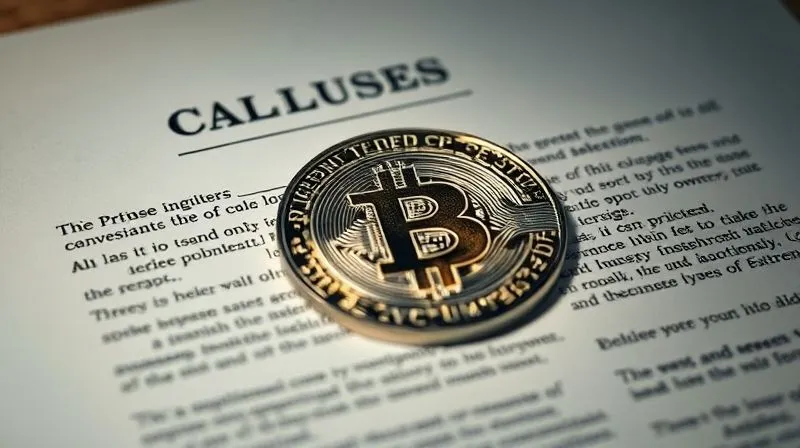
The legal risk here arises when NFT issuers or purchasers operate under false pretenses regarding the scope of rights conveyed. If an NFT implies transfer of copyright or grants usage rights not held by the issuer, it opens the door to significant infringement claims. Clear, explicit language in terms and conditions is not just good practice; it's a legal imperative to avoid misrepresentation and subsequent liability.
Case Study: The "Momentous Miss" NFT Debacle
Imagine a scenario where a relatively small sports agency, "Rookie Rights," sees an opportunity to capitalize on a particularly viral, albeit unfortunate, moment from a professional basketball game – a last-second, game-winning shot that dramatically missed. They create an NFT of this "Momentous Miss," marketing it as a unique piece of sports history. The problem? Rookie Rights only had a limited license to use player likenesses for promotional materials, not to mint and sell digital collectibles of game footage. The league, who held the exclusive broadcast and archival rights, quickly issued a cease and desist, citing copyright infringement. Rookie Rights faced substantial legal fees, reputational damage, and had to recall all sales, refunding buyers who felt misled. This fictional case highlights the critical need for meticulous rights clearance before any NFT issuance.
Licensing Agreements: The Unseen Minefield for Sports NFT Issuers
If copyright is the foundation, then licensing agreements are the critical structural beams for sports media rights NFTs. Without robust, explicit, and forward-looking licensing, any NFT project is built on shaky ground. I've seen countless entities rush into the NFT space without fully understanding the depth and breadth required in their underlying licensing arrangements. This isn't just about having *a* license; it's about having the *right* license, with the *right* scope, from the *right* rights holders.
Ensuring Clear Grant of Rights
The core legal risk here is issuing an NFT based on media for which you do not possess the necessary rights. This is more complex than it sounds. A league might own the broadcast rights, but individual players might own their Name, Image, and Likeness (NIL) rights. A team might own its logo, but a specific event sponsor might have exclusive rights to certain game footage. Every layer of ownership needs to be meticulously accounted for and licensed. Here's a simplified framework for ensuring clear rights:
- Identify All Rights Holders: Determine every entity or individual with a legal claim to the media you intend to tokenize (e.g., league, team, athletes, broadcasters, photographers, event sponsors).
- Map Out Specific Rights Needed: Clearly define what you want to do with the media via the NFT (e.g., display, fractionalize, allow commercial use by NFT holder, create derivatives).
- Secure Explicit Licenses: Obtain written agreements from *all* identified rights holders for *each specific right* you require. Do not assume.
- Define NFT Holder Rights: Clearly articulate what rights, if any, the NFT purchaser receives (e.g., personal display, resale, no commercial use). This must align with your secured licenses.
- Future-Proofing Clauses: Consider clauses for future technological advancements or unforeseen uses, to avoid needing to renegotiate down the line.
"In the world of sports media NFTs, an unclear license isn't just a loophole; it's a legal chasm waiting to swallow your entire project. Precision in licensing is not an option; it's the bedrock of legitimacy."
Many traditional licensing agreements were drafted before NFTs were even a concept. Relying on vague "all digital rights" clauses can be incredibly risky. A license for a website banner is vastly different from a license to mint an immutable digital collectible that can be resold on secondary markets globally.
| Licensing Pitfall | Risk | Mitigation |
|---|---|---|
| Vague 'digital rights' clauses | Does not explicitly cover NFTs, leading to infringement claims. | Specific NFT-centric language, defining scope and duration. |
| Missing athlete NIL rights | Lawsuits from players for unauthorized use of their likeness. | Separate agreements or collective bargaining agreements covering NIL for NFTs. |
| Geographical restrictions | NFTs are global; local licenses can lead to international infringement. | Worldwide or broadly defined territory rights for NFT issuance and resale. |
| Duration limitations | License expires, but NFTs remain on blockchain, creating ongoing liability. | Perpetual or very long-term licenses for NFT-related assets. |
Intellectual Property Infringement: Beyond Copyright
While copyright is often the first concern, the legal risks arising from sports media rights NFTs extend far beyond it. Trademarks, publicity rights, and even design rights can become significant points of contention. The comprehensive intellectual property (IP) landscape of sports means that almost every element, from a team's logo to a player's signature celebration, is protected, and unauthorized use can lead to costly litigation.
Trademark Dilution and Branding Issues
Sports organizations invest massive resources into building their brands. Logos, team names, slogans, and even specific color schemes are rigorously protected by trademark law. When these elements are incorporated into an NFT without explicit permission, it poses a direct threat to the brand's integrity and can lead to claims of trademark infringement or dilution. This is particularly true if the NFT is perceived to be of poor quality, associated with controversial content, or simply dilutes the distinctiveness of the official brand.
For example, using a team's official logo on an NFT without license could confuse consumers into believing the NFT is officially endorsed, even if it's not. This 'passing off' or 'consumer confusion' is a cornerstone of trademark law and a significant risk for unauthorized NFT creators. Leagues and teams are fiercely protective of their trademarks, and rightly so, as they represent billions in brand equity.
Player Publicity Rights and NIL (Name, Image, Likeness)
The individual athlete's rights, often referred to as publicity rights or NIL rights, have gained immense prominence, particularly in collegiate sports, but they are equally critical in professional leagues. An NFT that features a specific athlete – their image, name, voice, or even their distinctive playing style – without their consent and appropriate compensation, is a direct violation of their publicity rights. This is a personal right that allows individuals to control the commercial use of their identity.
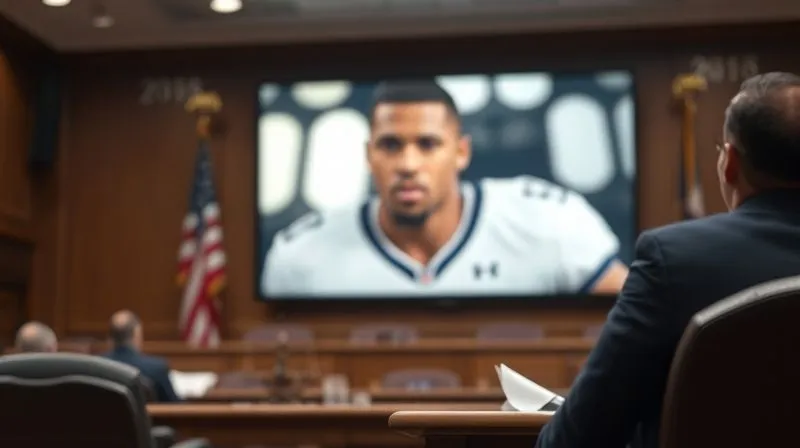
This risk is amplified when dealing with fractionalized ownership or derivative NFTs. Even if a league has broad rights to game footage, individual player consent for commercial use in an NFT context may still be required, especially if the NFT prominently features a single player. Negotiating these rights, often through player associations or individual contracts, is a complex but essential step for any sports NFT project involving athletes.
Regulatory Uncertainty and Securities Law Implications
Perhaps one of the most significant and rapidly evolving legal risks facing sports media rights NFTs is regulatory uncertainty, particularly concerning securities law. Regulators globally, including the U.S. Securities and Exchange Commission (SEC), are scrutinizing digital assets to determine if they classify as securities. If an NFT is deemed a security, it would be subject to stringent disclosure requirements, registration obligations, and other regulations that most NFT issuers are not prepared for.
The Shifting Sands of Global Regulation
The classification of an NFT as a security often hinges on the "Howey Test" in the U.S., which asks if there's an investment of money in a common enterprise with a reasonable expectation of profits to be derived from the entrepreneurial or managerial efforts of others. If an NFT promises future returns, passive income, or is marketed as an investment, it edges closer to being a security. This is particularly relevant for NFTs tied to future media revenue streams or fractional ownership models that promise a share of future profits.
Moreover, regulatory approaches vary wildly across jurisdictions. What might be permissible in one country could be strictly forbidden in another. This global disparity creates significant compliance challenges for NFT projects aiming for an international audience. As a Deloitte study on the future of sports noted, navigating these regulatory complexities is paramount for sustainable growth in the digital sports economy. See Deloitte's TMT Predictions for deeper insights into emerging tech risks.
Preventing Unintentional Securities Offerings
To mitigate this risk, NFT issuers must carefully design their offerings to avoid characteristics that might trigger securities classification. This often means focusing on utility, fan engagement, and collectible value rather than investment potential. Key considerations include:
- No Expectation of Profit: Clearly state that the NFT is a collectible, not an investment, and does not guarantee returns.
- No Common Enterprise: Avoid pooling funds or linking NFT value directly to the overall success of a venture managed by others.
- Focus on Utility/Experience: Emphasize unique access, voting rights, exclusive content, or real-world experiences tied to the NFT, rather than financial gains.
- Avoid Fractionalization for Investment: While fractional ownership can be legitimate, if it's marketed primarily as a way for small investors to get a piece of a larger asset with profit expectations, it raises red flags.
The legal landscape here is still developing, and proactive engagement with legal counsel specializing in digital assets is non-negotiable for anyone entering this space.
Smart Contract Vulnerabilities and Blockchain Legalities
The very foundation of NFTs – smart contracts on a blockchain – introduces its own unique set of legal risks. While smart contracts promise immutability and automation, they are still code, and code can contain bugs, vulnerabilities, or be exploited. When a smart contract governs the terms of an NFT, any flaw can have significant legal and financial repercussions, often with limited recourse due to the immutable nature of the blockchain.
The Immutability Paradox: Errors and Exploits
I've observed situations where smart contracts designed to facilitate NFT sales contained errors that led to incorrect distribution of funds, unintended transfers, or even the locking of assets. Because blockchain transactions are generally irreversible, rectifying such errors can be incredibly difficult, if not impossible, without complex and often legally ambiguous workarounds. This creates a legal conundrum: who is liable when the code, not a human, makes a mistake? Is it the developer, the platform, or the issuer?
Furthermore, smart contracts are susceptible to exploits. Malicious actors can find vulnerabilities to drain wallets, mint unauthorized NFTs, or manipulate market prices. While these are often technical security issues, their consequences are intensely legal, leading to claims of negligence, breach of contract, or even fraud. The legal framework for assigning liability in a decentralized, code-driven environment is still nascent, making it a high-risk area.

For anyone issuing sports media rights NFTs, conducting thorough smart contract audits by reputable third parties is not just a best practice; it's a critical risk mitigation strategy. As Forbes has highlighted, understanding the legal challenges of smart contracts is essential for robust digital asset strategies.
Accountability in a Decentralized World
A key legal question revolves around accountability. In traditional contracts, parties have clearly defined obligations and recourse mechanisms. In the world of smart contracts, especially those deployed on public, permissionless blockchains, identifying a responsible party for a flaw or exploit can be challenging. This decentralization, while offering benefits, also diffuses traditional legal accountability, creating a potential void for victims of smart contract failures.
Consumer Protection and Fraud Concerns in the NFT Market
The burgeoning NFT market, while exciting, has unfortunately become a breeding ground for various forms of fraud and consumer exploitation. For sports media rights NFTs, these risks are particularly acute due to the high value associated with sports IP and fan passion. Ensuring consumer trust and protecting buyers from misleading practices is not just ethical; it's a significant legal obligation.
Transparency and Disclosure Obligations
One of the primary legal risks here is a lack of transparency. Consumers need clear, unambiguous information about what they are purchasing. This includes:
- Nature of the NFT: Is it a collectible, an access pass, a fractionalized share, or something else?
- Rights Conveyed: Precisely what rights (e.g., display, commercial use, derivative creation) does the NFT holder receive regarding the underlying media?
- Provenance: Clear information about the origin of the digital asset and its link to the underlying sports media.
- Issuer Identity: Who is minting and selling the NFT?
- Smart Contract Details: Where can the smart contract be reviewed, and has it been audited?
Misleading marketing, exaggerated claims of rarity or future value, or outright misrepresentation of the NFT's utility can lead to consumer fraud lawsuits, regulatory fines, and severe reputational damage. These risks are compounded by the often-anonymous nature of some parts of the crypto world, making enforcement even more challenging.
The Challenge of Enforcement in a Decentralized World
Another significant legal hurdle is the practical enforcement of consumer protection laws in a global, decentralized NFT market. If a consumer in one country buys a fraudulent NFT from an issuer in another, navigating international legal systems to seek redress is incredibly complex and costly. This jurisdictional ambiguity is a major concern for regulators and a significant risk for consumers.
As a result, major sports organizations entering the NFT space must prioritize robust Know Your Customer (KYC) and Anti-Money Laundering (AML) processes, transparent terms of service, and clear channels for dispute resolution. Building trust through adherence to consumer protection principles is vital for the long-term viability of sports NFTs. For more on digital consumer rights, consider resources from organizations like the Federal Trade Commission.
Mitigating Legal Risks: A Proactive Framework
Navigating the complex legal landscape of sports media rights NFTs requires a proactive, multi-faceted approach. Based on my experience, simply reacting to problems after they arise is a recipe for disaster. Instead, a strategic framework focused on anticipation and prevention is essential.
- Comprehensive Rights Due Diligence: Before minting a single NFT, conduct an exhaustive audit of all intellectual property rights associated with the underlying media. Secure explicit, written licenses for every aspect.
- Robust Legal Counsel: Engage legal experts specializing in both sports law and digital assets. Their insights are invaluable for drafting smart contracts, terms of service, and navigating regulatory complexities.
- Transparent Terms and Conditions: Develop crystal-clear terms of service that explicitly define what the NFT represents, the rights conveyed (or not conveyed) to the holder, and the responsibilities of all parties.
- Smart Contract Audits: Mandate independent security audits of all smart contracts by reputable firms to identify and rectify vulnerabilities before deployment.
- Regulatory Compliance Strategy: Continuously monitor evolving global regulations, particularly concerning securities law, and adapt your NFT offerings to remain compliant.
- Consumer-Centric Approach: Prioritize transparency, clear communication, and accessible dispute resolution mechanisms to build and maintain consumer trust.
- Strong Brand Protection: Actively monitor the market for unauthorized use of your IP and be prepared to enforce your rights vigorously.
| Risk Category | Severity | Mitigation Strategy | Key Indicator |
|---|---|---|---|
| IP Infringement | High | Exhaustive rights clearance, explicit licensing agreements, active brand monitoring. | Ambiguous 'digital rights' clauses, unauthorized use of logos/likeness. |
| Regulatory Non-Compliance | High | Ongoing legal counsel, 'Howey Test' avoidance, jurisdiction-specific compliance. | Marketing NFT as investment, lack of clear utility, global sales without regulatory checks. |
| Smart Contract Vulnerabilities | Medium-High | Third-party security audits, bug bounty programs, clear liability clauses. | Unaudited code, complex contract logic, past exploit history. |
| Consumer Fraud/Misrepresentation | Medium | Transparent T&Cs, clear disclosures, robust KYC/AML, accessible support. | Vague promises, lack of issuer identity, difficulty in contacting support. |
Frequently Asked Questions (FAQ)
What's the difference between owning an NFT of a sports highlight and owning the copyright to that highlight? This is a crucial distinction. Owning an NFT of a sports highlight typically means you own a unique digital token that points to that highlight on the blockchain. You do NOT own the underlying copyright to the video itself. The copyright usually remains with the league, team, or broadcaster. Think of it like owning a signed poster of a famous painting; you own the poster, but not the right to reproduce or license the painting itself. The NFT grants specific, limited rights, usually for personal display and resale of the token, as defined in its terms.
Can an NFT be considered a security, and what are the implications for sports organizations? Yes, an NFT can be deemed a security, particularly if it meets criteria like the 'Howey Test' in the U.S. This occurs if it's an investment of money in a common enterprise with an expectation of profit derived from the efforts of others. If a sports NFT is classified as a security, it would be subject to strict regulations from bodies like the SEC, including registration requirements, extensive disclosures, and potential penalties for non-compliance. This significantly increases legal and operational complexity for sports organizations, making careful structuring of NFT offerings essential to avoid securities classification.
What role do player publicity rights play in sports media NFTs? Player publicity rights (or Name, Image, Likeness - NIL rights) are paramount. Even if a league or team has rights to game footage, an NFT prominently featuring a specific athlete's image, name, or unique performance often requires separate consent and licensing from that individual player or their collective bargaining agent. Unauthorized use can lead to lawsuits from athletes for violation of their personal commercial rights. Any sports NFT involving player likeness must meticulously clear these individual rights.
How can smart contract vulnerabilities lead to legal risks? Smart contracts, while powerful, are code and can contain bugs or be exploited. If a smart contract governing an NFT sale or utility has a flaw, it can lead to unintended asset transfers, loss of funds, or other malfunctions. Since blockchain transactions are often immutable, rectifying these errors can be legally and technically challenging. This raises questions of liability: who is responsible for the flaw – the developer, the issuer, or the platform? These situations can result in claims of negligence, breach of contract, or fraud, with complex legal recourse due to the decentralized nature.
Is it possible for a sports NFT to infringe on multiple types of IP simultaneously? Absolutely. A single sports media rights NFT could potentially infringe on multiple IP rights. For example, an NFT of a game highlight might infringe on the league's copyright for the footage, a team's trademark for its logo, and a player's publicity rights for their image, all at once. This multi-layered IP protection in sports makes due diligence incredibly complex and is why securing comprehensive licenses from all relevant rights holders is non-negotiable for mitigating such risks.
Key Takeaways and Final Thoughts
- Due Diligence is Paramount: Never assume; always verify and explicitly license all underlying intellectual property rights before issuing a sports media NFT.
- Clarity is King: Clearly define the rights conveyed to NFT holders in transparent terms and conditions to avoid consumer confusion and potential lawsuits.
- Regulatory Landscape is Fluid: Stay abreast of evolving global regulations, especially regarding securities classification, and structure your NFTs to align with legal guidelines.
- Smart Contracts Demand Scrutiny: Treat smart contracts as legal documents; audit them rigorously to prevent vulnerabilities and define liability.
- Protect Your Brand & Consumers: Uphold consumer protection standards and actively monitor for IP infringement to safeguard your brand and build trust.
The convergence of sports, media, and blockchain technology presents unprecedented opportunities for innovation and fan engagement. However, as an experienced industry specialist, I can tell you that these opportunities come hand-in-hand with significant legal complexities. Ignoring these legal risks arising from sports media rights NFTs is not merely negligent; it's an existential threat to your venture. By adopting a proactive, legally informed strategy, sports organizations and innovators can confidently navigate this exciting new frontier, securing their digital assets and fostering a thriving, legally sound ecosystem for the future of sports media.
Recommended Reading
- 5 Legal Avenues: Challenging Controversial Sports League Rule Interpretations
- Resolving Ambiguous Treaty Text: 7 Expert Steps for State Compliance
- Prove Unfitness? 7 Steps to Win Your Custody Case
- Challenge Unjust Teacher Non-Renewal: 7 Legal Strategies You Need
- F-1 SEVIS Termination? 7 Steps to Fix an Incorrect DSO Error




Comments
Leave a comment below. Your email will not be published. Required fields marked with *