


What Legal Steps to Take When an Athlete Hides Concussion Symptoms?
For over two decades in the demanding world of sports law, I've witnessed firsthand the devastating consequences of concussions, not just for the athletes themselves, but for the organizations, coaches, and medical staff entrusted with their care. One of the most insidious challenges we face isn't just diagnosing these injuries, but dealing with the complex ethical and legal quagmire that arises when an athlete, for myriad reasons, chooses to hide their symptoms.
This isn't merely a medical problem; it's a profound legal and ethical crisis that can unravel careers, tarnish reputations, and lead to significant liability. The pressure to perform, fear of losing a spot, or simply a lack of understanding about the long-term dangers often compels athletes to conceal head injuries, putting everyone involved in a precarious position. The stakes are incredibly high, and the legal landscape unforgiving.
In this comprehensive guide, I will draw upon my extensive experience to provide you with an actionable framework for navigating the complex legal steps required when an athlete hides concussion symptoms. We'll delve into preventative measures, immediate response protocols, documentation best practices, and the crucial legal duties that underpin responsible sports management, offering clear insights and real-world strategies to protect your athletes and your organization.
Understanding the Legal & Ethical Imperative: Duty of Care in Sports
Before we dissect the specific legal steps, it's paramount to establish the foundational principle governing this area: the duty of care. Every sports organization, from amateur leagues to professional franchises, owes its athletes a legal duty of care. This isn't a vague suggestion; it's a legally enforceable obligation to take reasonable steps to prevent foreseeable harm. When it comes to concussions, this duty is amplified due to the known risks and severe long-term consequences of repeated head trauma.
This duty extends beyond mere physical safety to include proactive measures for athlete health and well-being. It encompasses establishing robust concussion protocols, educating athletes and staff, ensuring proper medical oversight, and creating an environment where athletes feel safe to report injuries without fear of reprisal. Failing to uphold this duty, especially when an athlete hides concussion symptoms and suffers further harm, can open the door to significant negligence claims and legal battles that can cripple an organization.
"The legal duty of care in sports is not just about preventing injury; it's about fostering a culture where athlete health is paramount, and the reporting of symptoms is incentivized, not punished."
The Evolving Landscape of Concussion Litigation
The past decade has seen an explosion of concussion-related litigation, particularly in contact sports. Landmark cases involving professional leagues have reshaped our understanding of organizational responsibility and the long-term impact of head injuries. These cases serve as stark reminders that ignorance is no longer a defense, and proactive management of concussion risks is an absolute necessity. Organizations are now expected to be aware of the latest medical science and implement best practices.
The legal focus has shifted from merely treating concussions to preventing them and, crucially, managing the risks associated with non-disclosure. This includes implementing comprehensive return-to-play protocols and ensuring that athletes are not pressured to return prematurely. The courts are increasingly scrutinizing not just the existence of protocols, but their diligent enforcement.
Proactive Measures: Building a Concussion-Resistant Legal Framework
The best defense against the legal perils of hidden concussions is a strong offense – a proactive, comprehensive concussion management strategy. This isn't just about having a policy; it's about embedding a culture of safety and transparency throughout your organization. I've found that organizations that invest heavily in prevention and education are far better equipped to handle these challenging situations.
Here are the fundamental proactive steps I always recommend:
- Develop and Disseminate a Clear Concussion Policy: This policy must be explicit, easy to understand, and widely distributed to all athletes, coaches, parents (for minors), and staff. It should outline definitions, signs/symptoms, reporting procedures, removal-from-play rules, and return-to-play protocols.
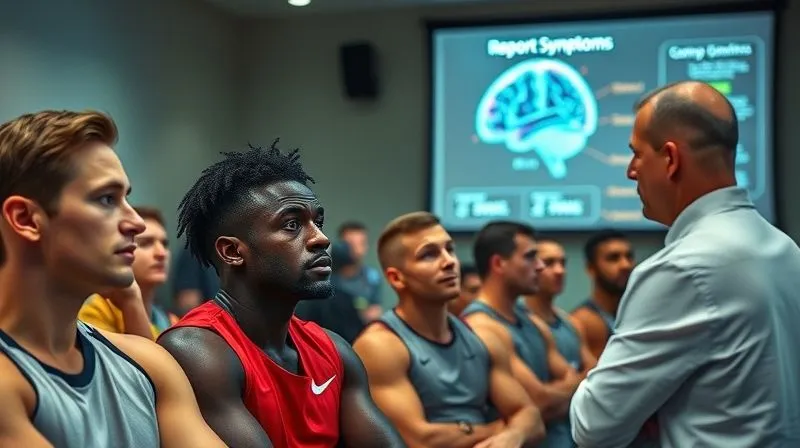
- Mandatory Annual Education & Acknowledgment: Conduct annual, mandatory training sessions for all athletes, coaches, and relevant staff on concussion awareness, symptoms, and the importance of honest reporting. Crucially, require signed acknowledgments from everyone stating they understand the policy and their obligations.
- Establish a "Concussion Guardian" or Designated Medical Professional: Designate a specific individual or team (e.g., athletic trainer, team doctor) whose primary responsibility is concussion management, free from coaching pressures. This individual should have the final say on return-to-play decisions.
- Pre-Season Baseline Testing: Implement baseline neurological testing (e.g., ImPACT, SCAT5) for all athletes in contact sports. This provides a crucial comparative measure if a concussion is suspected.
- Foster a Culture of Trust and Openness: Actively work to remove the stigma associated with reporting injuries. Emphasize athlete long-term health over immediate game performance. Communicate that reporting a concussion is a sign of strength and responsibility, not weakness.
According to a study published in the British Journal of Sports Medicine, comprehensive concussion education programs significantly improve symptom reporting rates among athletes. This data underscores the power of informed athletes and staff in mitigating risks.
Immediate Response: When You Suspect Hidden Symptoms
Despite the best proactive measures, situations will inevitably arise where you suspect an athlete is hiding concussion symptoms. This is a critical juncture where swift, decisive, and legally sound action is paramount. Hesitation or a misstep here can have severe repercussions.
Here are the immediate legal steps to take:
- Immediate Removal from Play: This is non-negotiable. If you observe any signs or symptoms of a concussion, or if there's a reasonable suspicion based on an impact or observed behavior, the athlete must be immediately removed from practice or competition. This is often mandated by state laws (e.g., "Remove From Play" laws in the U.S.). Document the exact time, date, and reason for removal.
- Medical Evaluation by a Qualified Professional: The athlete must be evaluated by a physician or other licensed healthcare professional trained in concussion management. Do not rely on self-assessment or advice from non-medical personnel. Ensure this evaluation happens as soon as possible.
- Inform Parents/Guardians (for Minors): Promptly inform the athlete's parents or legal guardians of the suspected concussion and the need for medical evaluation. Document all communication attempts and successful notifications.
- Strict Adherence to "No Return-to-Play Until Cleared": The athlete cannot return to play until they have been medically cleared by the qualified professional who performed the initial evaluation, or another designated concussion specialist, following a graduated return-to-play protocol. This clearance must be in writing.
- Document Everything Meticulously: From the initial suspicion to the final clearance, every step must be documented. This includes observations, conversations, medical evaluations, and return-to-play progression.
Case Study: The Varsity Star's Secret
Case Study: How Westlake High Navigated a Hidden Concussion
Westlake High School, renowned for its football program, faced a critical challenge when a star quarterback, under immense pressure for college scholarships, began exhibiting subtle signs of confusion and irritability after a hard hit. His teammates noticed his uncharacteristic behavior and, thanks to Westlake's strong "see something, say something" culture, reported their concerns to the athletic trainer.
The trainer, following established protocol, immediately pulled the athlete from practice, despite his vehement protests that he was "fine." A subsequent medical evaluation confirmed a concussion. The school provided educational resources to the athlete and his parents, emphasizing the long-term risks of premature return. They also ensured he received academic accommodations during his recovery.
By strictly adhering to their concussion policy, including mandatory removal and external medical clearance, Westlake High not only protected the athlete's health but also shielded the school from potential liability. The incident reinforced the importance of their proactive training and the trust built between athletes and staff, proving that protocol enforcement, even against an athlete's wishes, is critical.
Legal & Administrative Obligations: Documentation and Communication
Effective documentation is your organization's legal backbone when dealing with concussions, especially when athletes attempt to hide symptoms. In a legal challenge, if it wasn't documented, it often didn't happen. This is where your diligence pays off exponentially, building a robust defense against claims of negligence or insufficient care.
Here's a breakdown of essential documentation practices:
- Initial Incident Report: Detail the mechanism of injury (if observed), initial symptoms, who observed them, and who removed the athlete from play.
- Medical Evaluation Records: Comprehensive reports from all medical professionals involved, including baseline test comparisons, diagnostic findings, and treatment plans.
- Communication Logs: Records of all communications with the athlete, parents/guardians, coaches, and medical staff. Note dates, times, topics discussed, and any decisions made.
- Return-to-Play Progression: Detailed logs of the athlete's progress through each stage of the graduated return-to-play protocol, including dates, activities, and symptom monitoring.
- Signed Clearances: Written medical clearance from a qualified healthcare professional before the athlete is allowed to return to full participation.
The transparency and thoroughness of your documentation demonstrate your organization's commitment to athlete safety and your adherence to established medical and legal standards. It provides an incontrovertible timeline of events and actions taken.
| Document Type | Key Data Points | Retention Period |
|---|---|---|
| Concussion Policy Acknowledgment | Athlete/Parent Signature, Date, Policy Version | Permanent (Athlete File) |
| Incident Report | Date/Time, Observed Symptoms, Witness List, Action Taken | 7 years post-athlete's departure |
| Medical Evaluation & Clearance | Diagnosing Physician, Diagnosis, Treatment Plan, RTP Status | Permanent (Medical Record) |
| Communication Log | Date, Parties Involved, Topic, Outcome | 7 years post-athlete's departure |
Navigating Athlete Resistance and Non-Compliance
One of the most challenging aspects of managing concussions is dealing with athletes who resist reporting symptoms or refuse to comply with medical advice, often driven by intense competitive pressures or misinformation. This is where your legal framework and a firm, empathetic approach become critical. My experience tells me that clarity and consistency are your strongest allies here.
Legal Recourse for Non-Compliance
When an athlete actively hides concussion symptoms or refuses to adhere to established protocols, the organization must be prepared to take firm action. This is not punitive; it's a measure to protect the athlete from themselves and to protect the organization from liability. Here are some steps:
- Reiterate Policy and Risks: Hold a formal meeting with the athlete (and parents/guardians if a minor) to reiterate the concussion policy, emphasize the severe health risks of non-compliance, and explain the legal implications for both the athlete and the organization.
- Suspension from Play: If an athlete continues to hide symptoms or refuses to follow medical directives, suspension from practice and competition until compliance is achieved is often necessary. This should be clearly communicated as a health and safety measure, not a disciplinary action for performance.
- Withdrawal of Participation: In extreme or repeated cases of non-compliance, the organization may need to consider withdrawing the athlete's ability to participate in the sport until they demonstrate a willingness to follow safety protocols. This is a last resort, but a legally justifiable one when athlete safety is gravely compromised.
- Documentation of Non-Compliance: Every instance of suspected non-compliance, discussions, warnings, and actions taken must be meticulously documented. This record is vital if future legal challenges arise.
"An organization's commitment to athlete safety must supersede an individual athlete's desire to play, especially when that desire compromises their long-term health and the organization's legal integrity."
It's crucial to ensure that any actions taken are consistent with your established policies and applied uniformly across all athletes to avoid accusations of discrimination or unfair treatment. Legal counsel should be involved in developing and reviewing these non-compliance protocols.
External Links & Resources: Strengthening Your Position
Staying informed and leveraging external expertise is vital. Organizations should regularly consult with leading sports medicine bodies and legal experts to ensure their protocols are current and compliant. The landscape of concussion management is constantly evolving, driven by new research and legal precedents.
- The CDC HEADS UP program offers comprehensive resources for youth sports organizations, including training, materials, and guidelines for concussion recognition and response.
- The NCAA Sport Science Institute provides detailed guidance and best practices for concussion management in collegiate sports, including legislative requirements and research.
- Reputable legal firms specializing in sports law often publish white papers and articles on concussion liability, offering valuable insights into emerging legal trends and risk mitigation strategies.

Legal Steps for Coaches and Staff: Their Role in Prevention and Reporting
Coaches and frontline staff are often the first to observe an athlete's behavior and are therefore critical gatekeepers in concussion management. Their training and understanding of their legal obligations are paramount. I've often emphasized that empowering these individuals is one of the most effective preventative strategies.
Empowering the Front Lines
Coaches and staff have a direct legal and ethical responsibility to:
- Be Vigilant: Constantly monitor athletes for signs of concussion, both during and after play. This includes subtle changes in mood, concentration, or physical coordination.
- Report Immediately: Any suspicion of a concussion, regardless of how minor, must be reported immediately to the designated medical professional or organizational lead. Delaying a report can have severe legal consequences.
- Enforce "Remove From Play" Rules: Coaches must understand that their role is not to diagnose, but to remove. If in doubt, pull the athlete out. Their judgment should be based on safety, not game outcome.
- Avoid Pressure: Never pressure an athlete to return to play before medical clearance. This is a direct breach of duty of care and can lead to significant liability.
- Lead by Example: Foster an environment where athlete health is prioritized. Openly discuss the dangers of concussions and praise athletes who report symptoms.
In many jurisdictions, specific laws exist that mandate concussion training for coaches and immediate removal from play. Failure to comply can result in fines, suspension, or even criminal charges, in addition to civil liability for the organization. This reinforces the need for rigorous training and clear lines of authority.
Long-Term Management and Follow-Up: Beyond Return-to-Play
The legal and ethical responsibilities of an organization don't end once an athlete is cleared to return to play. Concussions can have long-lasting effects, and proper follow-up is crucial for both athlete well-being and continued risk mitigation. This demonstrates a comprehensive approach to athlete care that extends beyond the immediate injury.
Ensuring Continued Oversight
Key considerations for long-term management:
- Monitoring for Recurrent Symptoms: Even after clearance, athletes should be monitored for any recurrence of symptoms, especially during their initial return. Protocols should be in place for immediate re-evaluation if symptoms reappear.
- Academic Accommodations: For student-athletes, ensure that appropriate academic accommodations are provided as needed, even after they return to sport. Cognitive recovery can lag physical recovery.
- Mental Health Support: Concussions can impact mental health. Organizations should be prepared to offer or refer athletes to mental health resources, recognizing the holistic impact of head injuries.
- Longitudinal Health Records: Maintain comprehensive and accessible medical records for all athletes, documenting every concussion incident, treatment, and recovery. This longitudinal data is invaluable for future health management and legal defense.
- Regular Policy Review: Concussion science and legal precedents evolve. Your organization's concussion policy should be reviewed and updated annually to reflect the latest best practices and legal requirements.
According to research highlighted by the American Medical Society for Sports Medicine, a multidisciplinary approach, including neurological, psychological, and academic support, leads to better long-term outcomes for athletes post-concussion. This integrated care model is not just medically sound, but also legally prudent.
| Aspect of Care | Action Steps | Responsible Party |
|---|---|---|
| Academic Support | Liaise with school, provide accommodations, monitor grades | Academic Advisor/Athletic Director |
| Mental Health | Referral to psychologist/counselor, regular check-ins | Team Physician/Athletic Trainer |
| Symptom Monitoring | Post-RTP check-ins, symptom diaries, coach vigilance | Athletic Trainer/Coaches |
| Policy Review | Annual review by legal/medical team, update as needed | Organizational Leadership |

Frequently Asked Questions (FAQ)
What if an athlete denies symptoms but shows clear signs of concussion? In such cases, the observed signs take precedence over the athlete's denial. The athlete must be immediately removed from play and undergo a medical evaluation by a qualified professional. Your organization's duty of care dictates that you act on observable evidence to protect the athlete, regardless of their self-report. Document the observations, the athlete's denial, and the actions taken.
Can an organization be held liable if an athlete intentionally hides their concussion? Yes, absolutely. While an athlete's intentional hiding of symptoms can complicate a claim, it does not automatically absolve the organization of liability. The courts will examine whether the organization upheld its duty of care by having appropriate policies, providing education, enforcing protocols, and taking reasonable steps to identify and manage concussions. If the organization failed in any of these areas, liability can still attach, even if the athlete was uncooperative.
What specific training should coaches and staff receive regarding concussions? Coaches and staff should receive annual training that covers concussion recognition (signs and symptoms), the importance of immediate removal from play, the organization's specific concussion policy and return-to-play protocols, and their legal obligations. Training should emphasize that they are not diagnosticians but observers and reporters. Many states mandate specific training modules, such as those provided by the CDC HEADS UP program.
How long should concussion records be retained? Medical records related to concussions, like all medical records, should generally be retained for a significant period, often seven years after the athlete's last participation or, for minors, seven years after they reach the age of majority. Some legal experts recommend permanent retention of critical incident reports and medical clearances due to the long-term nature of brain injuries and the potential for delayed legal claims. Consult with your legal counsel for specific retention requirements in your jurisdiction.
Are there differences in legal requirements for youth sports versus professional sports? While the fundamental duty of care remains, there are often significant differences. Youth sports typically have more stringent parental notification requirements and often state-mandated "Remove From Play" laws. Professional sports may involve collective bargaining agreements that outline specific concussion protocols. However, the core principles of education, prevention, prompt removal, and medical clearance are universal, with professional sports facing even higher levels of scrutiny and potential financial penalties.
Key Takeaways and Final Thoughts
Navigating the complex legal and ethical landscape of concussions, especially when an athlete hides concussion symptoms, requires a proactive, diligent, and empathetic approach. As someone who has dedicated their career to protecting athletes and organizations, I cannot stress enough the importance of these principles:
- Prioritize Athlete Safety Above All: This is the ethical and legal cornerstone of all decisions.
- Implement Robust, Enforceable Protocols: A policy is only as good as its execution.
- Educate Relentlessly: Empower athletes, coaches, and staff with knowledge.
- Document Everything: Your records are your most powerful defense.
- Foster a Culture of Trust: Encourage open reporting without fear.
The challenge of hidden concussions is immense, but it is not insurmountable. By embracing these legal steps and fostering a culture where health and safety are non-negotiable, sports organizations can not only mitigate significant legal risks but, more importantly, safeguard the long-term well-being of the athletes they serve. Your commitment today shapes their future tomorrow.
Recommended Reading
- 5 Urgent Steps: Quickly Clear Probate Title Defects & Sell Fast
- Ransomware on Client Data? 7 Urgent Legal Steps to Take NOW
- 7 Proven Strategies: Balancing Student Privacy & Urgent Campus Safety
- Permit Denied? 5 Steps to Successfully Appeal Agency Final Action
- Can the Government Take Your Land? Understanding Eminent Domain Rights




Comments
Leave a comment below. Your email will not be published. Required fields marked with *