



What to do if USCIS denies an EB-1C multinational manager petition?
For over 18 years in immigration law, I've witnessed the profound impact a single USCIS decision can have on an individual's career and a company's strategic growth. The EB-1C multinational manager petition, while a golden ticket for many, is notoriously complex, often leading to heartbreaking denials even for seemingly strong cases.
Receiving an EB-1C denial notice can feel like a devastating blow. It halts plans, creates uncertainty, and raises immediate questions: 'What went wrong?' and 'What now?' This isn't just about paperwork; it's about the future of a talented individual and the operational needs of a global enterprise.
But a denial is rarely the end of the road. In this definitive guide, I will share my expert insights, actionable frameworks, and strategic advice to help you navigate the aftermath of an EB-1C denial. We'll explore how to meticulously analyze the denial, understand your options—from motions to reopen to strategic re-filings—and ultimately, build a stronger, approval-bound petition.
Understanding the EB-1C Visa: A Quick Refresher
Before diving into the denial specifics, let's briefly recap the essence of the EB-1C visa. This employment-based first-preference category is designed for multinational executives or managers seeking lawful permanent residence in the U.S. It offers a direct path to a Green Card for those who have been employed abroad by a qualifying organization for at least one year in a managerial or executive capacity and are coming to the U.S. to continue service in a similar role for the same employer or a subsidiary/affiliate.
The core challenge, and often the root of denials, lies in proving 'managerial or executive capacity'—a term USCIS interprets very strictly. It’s not enough to manage people; you must manage other managers, a key function, or a major component of the organization, with significant discretion over operations or policy. The qualifying relationship between the foreign and U.S. entities is another critical, often scrutinized, element.
Initial Shock to Strategic Action: Your First Steps Post-Denial
"Panic is a natural reaction, but it's a luxury you cannot afford. Your immediate response must be measured, strategic, and focused on gathering information."
Secure the Denial Notice Immediately
The very first, non-negotiable step is to obtain the official denial notice from USCIS. Do not rely on verbal information or assumptions. This document is the bedrock of your next steps, detailing the precise reasons for the denial. Ensure you have the original or a certified copy.
- Review Date: Note the date of the decision, as it triggers critical deadlines for potential motions or appeals.
- Specific Reasons: Read through every paragraph carefully, highlighting USCIS's specific findings and conclusions regarding your petition.
Consult Your Immigration Attorney (or Get One!)
If you already have an attorney, schedule an immediate consultation. If you filed pro se or feel your current counsel isn't equipped for this challenge, this is the time to seek specialized expertise. A seasoned immigration lawyer, particularly one with extensive EB-1C experience, can dissect the denial notice with a critical eye, identifying nuances and legal precedents that might be missed by an untrained eye.
- Expert Interpretation: They will help you understand the legal basis of the denial and its implications.
- Strategic Options: They can advise on the viability and risks of filing a motion, an appeal, or a new petition.
- Evidence Gaps: They will pinpoint exactly where your previous petition fell short and what new evidence or arguments are needed.

Deconstructing the Denial: A Forensic Analysis
The denial notice isn't just a rejection; it's a detailed roadmap to what went wrong. My experience tells me that USCIS provides the exact areas where they found your petition lacking. Your task, with your attorney, is to perform a forensic analysis of this document against your original filing.
Identifying the Exact Reasons for Denial
USCIS denials for EB-1C often fall into predictable categories. The notice will explicitly state which statutory and regulatory requirements were not met. Common reasons include:
- Failure to Prove Managerial or Executive Capacity: This is, by far, the most frequent reason. USCIS often argues that the beneficiary's duties were primarily operational, not managerial, or that they lacked sufficient supervisory authority over professional staff or a critical function.
- Lack of a Qualifying Relationship: The U.S. and foreign entities might not be sufficiently related (parent, subsidiary, affiliate) as defined by immigration law.
- Insufficient Foreign Employment: Failure to prove at least one year of qualifying employment abroad within the three years preceding the petition.
- New Office Petitions: For new U.S. offices, insufficient evidence of financial viability, a detailed business plan, or the ability to support an executive/managerial position within one year.
- Inconsistent Evidence: Discrepancies between the petition letter, job descriptions, organizational charts, and supporting letters.
"The denial notice is not a condemnation; it's a diagnostic report. Treat it as such, and you'll find the path to resolution."
Comparing Denial Reasons to Initial Petition & RFE Response
Once you understand the stated reasons for denial, compare them meticulously against the evidence and arguments you submitted in your initial I-140 petition and any subsequent Request for Evidence (RFE) response. Ask:
- Was the evidence clear? Did we provide sufficient, unambiguous documentation for each point USCIS questioned?
- Was the argument compelling? Did our legal brief effectively connect the dots between the evidence and the regulatory requirements?
- Were there any new facts? Did the denial introduce an interpretation or requirement we hadn't fully anticipated or addressed?
- Did we adequately respond to the RFE? Often, a denial follows an RFE that was deemed insufficient. Revisit your RFE response to see where it fell short.
| Common Denial Reason | Initial Thoughts for Rebuttal |
|---|---|
| Insufficient Managerial Capacity | Review job duties, org charts, subordinate roles. Focus on discretion, management of professionals/functions, not just tasks. |
| Lack of Qualifying Relationship | Gather corporate documents, stock certificates, financial statements proving ownership/control. |
| Inadequate Foreign Employment Proof | Collect pay stubs, employment letters, tax documents, and a detailed job description for the foreign role. |
| New Office Financial Viability | Strengthen business plan, provide detailed financial projections, evidence of funding, and market analysis. |
Option 1: Filing a Motion to Reopen or Reconsider (I-290B)
After a denial, you typically have 30 days (plus 3 days for mailing) to file an I-290B, Notice of Appeal or Motion, with USCIS. This form allows for two distinct actions: a Motion to Reopen or a Motion to Reconsider.
Motion to Reopen (Based on New Facts)
A motion to reopen is appropriate when you have new, material facts or evidence that were not available and could not have been presented at the time of the original decision. This isn't an opportunity to submit evidence you simply forgot to include; it must be genuinely new and directly address the reasons for denial.
- Identify New Evidence: Pinpoint specific documents or information that directly refutes USCIS's findings and was previously unavailable.
- Explain Unavailability: Clearly articulate why this new evidence could not have been presented with the initial petition or RFE response.
- Demonstrate Materiality: Show how this new evidence, if considered, would likely lead to a different outcome.
- File Timely: Ensure the motion is filed within the strict deadline, along with the required fee and supporting brief.
Motion to Reconsider (Based on Legal Error)
A motion to reconsider argues that USCIS made a legal error in its original decision. This means you believe the officer misapplied the law or policy to the facts presented in your petition. No new evidence is typically allowed here; you are arguing that, based solely on the evidence already submitted, the decision was incorrect.
- Cite Legal Precedent: Reference relevant statutes, regulations, or administrative case law that USCIS allegedly misapplied.
- Highlight Factual Misinterpretation: Point out where USCIS misinterpreted the facts already in the record.
- Craft a Legal Brief: Your attorney will draft a persuasive legal argument demonstrating the error of law or policy.
- File Timely: Adhere strictly to the filing deadline.
While these motions can be effective, they have a high bar for approval. USCIS reviews them strictly. For more detailed information on the requirements, refer to the official USCIS guidance on Form I-290B.
Option 2: Appealing to the Administrative Appeals Office (AAO)
If your motion to reopen or reconsider is denied, or if you believe the USCIS service center made a clear error of law that a motion to reconsider would address, you can appeal the decision to the Administrative Appeals Office (AAO). The AAO is an independent body within USCIS that reviews certain adverse decisions.
Understanding the AAO Process
Filing an appeal with the AAO is a more formal and often lengthier process. It involves submitting Form I-290B and a detailed legal brief arguing why the original decision was incorrect based on the evidence already in the record. New evidence is generally not considered unless it directly addresses a procedural error by USCIS or if a motion to reopen was combined with the appeal.
- Legal Brief Focus: The appeal brief must meticulously dissect the denial notice, citing specific regulations, statutes, and case law to demonstrate where the USCIS officer erred.
- Lengthy Processing: AAO decisions can take many months, sometimes years, to be rendered.
- Precedent Setting: AAO decisions, particularly those designated as "precedent decisions," can influence future USCIS adjudications.
"An AAO appeal is a battle of legal arguments, not new facts. It demands a deep understanding of immigration law and precedent."
Given the complexity and time commitment, an AAO appeal is typically pursued when there's a strong legal argument that USCIS misapplied the law, and the stakes are high. You can explore AAO decisions and information directly on the USCIS website.
Option 3: Filing a New Petition (New Facts, Stronger Case)
In my experience, for many EB-1C denials, filing a brand-new petition is often the most strategic and ultimately successful path forward. This approach allows you to address the denial reasons directly, incorporate new or stronger evidence, and refine your arguments without the strict limitations of motions or appeals.
Identifying Weaknesses in the Original Petition
This phase is critical. You and your attorney must conduct a thorough post-mortem of the denied petition. This goes beyond what USCIS explicitly stated in the denial notice; it involves an honest assessment of all potential weaknesses. Common areas to scrutinize include:
- Managerial/Executive Capacity Documentation: Was the organizational chart clear? Did job descriptions truly reflect managerial duties, or did they sound operational? Were the subordinates truly professional staff or managers, or merely clerical/manual workers?
- Qualifying Relationship Proof: Were the corporate ties between the U.S. and foreign entities unequivocally established through financial and legal documents?
- Financial Viability of U.S. Entity: For newer U.S. operations, was the business plan robust enough to show the capacity to support an executive/managerial role?
- Consistency of Evidence: Did all supporting letters, forms, and documents tell a consistent story about the beneficiary's role and the company structure?
Gathering New & Enhanced Evidence
This is where you build a bulletproof case. Based on your forensic analysis, you will focus on gathering evidence that directly counters the previous denial reasons and proactively addresses potential new concerns. This might include:
- Updated Organizational Charts: Clearly showing the beneficiary's position, subordinates (including their titles and reporting lines), and the overall corporate hierarchy. Ensure direct management of professional staff or other managers is explicit.
- Detailed Job Duty Descriptions: Focus on the executive/managerial nature of the role – policy formulation, strategic direction, functional management, and supervision of professionals. Avoid operational tasks.
- Letters from Subordinates: Testifying to the beneficiary's managerial authority and supervisory responsibilities.
- Financial Statements & Business Plans: Demonstrating the U.S. entity's growth, revenue, employee count, and capacity to support the high-level position.
- Client Contracts & Project Details: If the role involves managing a critical function, provide evidence of its scope and the beneficiary's oversight.
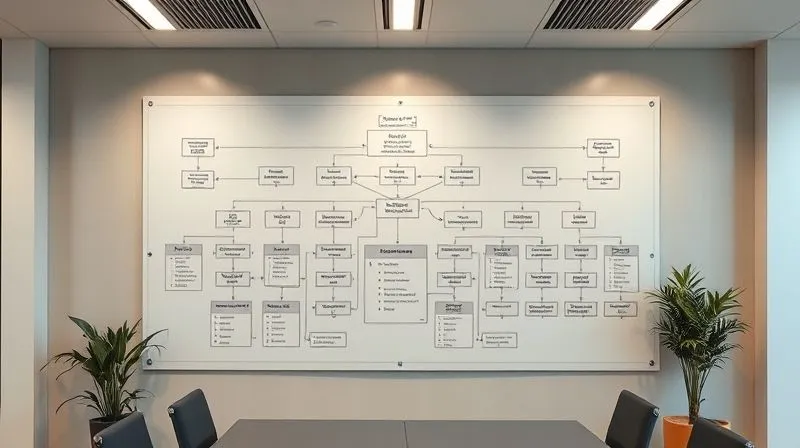
Case Study: How Global Connect Secured EB-1C Approval After Denial
Global Connect, a mid-sized IT consulting firm, initially filed an EB-1C petition for their APAC Regional Director. The petition was denied, with USCIS citing insufficient evidence of managerial capacity, arguing that the beneficiary's duties appeared more operational than executive. The organizational chart submitted was vague, showing direct reports who were primarily technical staff, not managers.
Upon denial, we advised Global Connect to re-evaluate their entire submission. We worked with them to:
- Redesign the Organizational Chart: A new chart was developed, clearly illustrating the beneficiary's direct management of three team leads (who were themselves managers of professional teams) and their strategic oversight of the entire APAC region's technical operations.
- Refine Job Descriptions: The new job description emphasized policy formulation, strategic planning for regional expansion, budget authority, and the management of high-level projects through subordinate managers, rather than direct technical tasks.
- Gather Supporting Letters: We secured detailed letters from the three team leads confirming their managerial roles and reporting directly to the beneficiary, alongside an affidavit from the CEO detailing the beneficiary's critical executive contributions.
- Submit Financial Growth Evidence: Updated financial statements showed significant growth in the APAC region under the beneficiary's leadership, further underscoring the executive nature of the role.
This comprehensive, evidence-driven re-filing directly addressed every point of the previous denial, leading to an approval for Global Connect's Regional Director. It demonstrated that a denial is a chance to learn and come back stronger.
Crucial Evidence & Argumentation Strategies for a Stronger Re-filing
Building on the previous section, let's delve deeper into specific evidence and argumentation strategies that can significantly strengthen your re-filed EB-1C petition. This is where the rubber meets the road in proving your case to USCIS.
Documenting Managerial or Executive Capacity
This is the cornerstone of an EB-1C petition. USCIS looks for evidence that the beneficiary:
- Manages an Organization, Department, Subdivision, Function, or Component: Provide clear evidence of the scope of responsibility.
- Supervises and Controls the Work of Other Supervisory, Professional, or Managerial Employees: Crucially, not just manual or clerical workers. If managing a function, ensure no direct supervision of subordinates is required.
- Has Authority to Hire/Fire or Recommend Personnel Actions: Document this authority.
- Exercises Discretion Over Day-to-Day Operations: Provide examples of decision-making authority without close supervision.
- For Executive Capacity: Focus on establishing goals and policies, exercising wide latitude in discretionary decision-making, and receiving only general supervision from higher-level executives.
Proving a Qualifying Relationship
The relationship between the U.S. and foreign entity must be clearly established as a parent, subsidiary, or affiliate. This often requires:
- Corporate Documents: Articles of Incorporation, By-laws, Business Licenses for both entities.
- Stock Certificates & Shareholder Agreements: Demonstrating common ownership and control.
- Annual Reports & Financial Statements: Showing the corporate structure and intercompany transactions.
- Organizational Chart: Illustrating the global corporate hierarchy.
Financial Viability and Business Plan
Especially for newer U.S. entities, proving the capacity to sustain a multinational manager/executive position is vital:
- Detailed Business Plan: Outlining services, market analysis, staffing projections, and clear financial projections for the next 3-5 years.
- Evidence of Funding: Bank statements, investment agreements, capital infusion proof.
- Lease Agreements & Employee Payroll: Demonstrating a physical presence and existing U.S. operations.
"Don't just state that the beneficiary is a manager; prove it with undeniable, consistent, and detailed evidence that aligns with USCIS's stringent definitions."
Many EB-1C petitioners previously held L-1A visas. While the criteria are similar, EB-1C scrutiny is often even higher, especially regarding the 'managerial capacity' definition. Understanding the nuances between these two categories can be critical. You can learn more about common challenges in L-1A to EB-1C transitions.
Avoiding Future Pitfalls: Lessons from Denials
A denial, while disheartening, is an invaluable learning opportunity. It exposes weaknesses you might not have recognized. By understanding common pitfalls, you can proactively strengthen your future petitions.
- Vague Job Descriptions: Avoid generic corporate jargon. Be specific about duties, supervisory responsibilities, and decision-making authority. Quantify achievements where possible.
- Insufficient Subordinates: A manager must manage other managers or professional staff. Simply managing projects or a small team of clerical workers is usually insufficient.
- "New Office" Challenges: Ensure the U.S. entity is financially viable, has a clear business plan, and has grown sufficiently to justify an executive/managerial role within the first year.
- Inconsistent Evidence: All documents (petition letter, org charts, support letters, forms) must tell a cohesive story. Discrepancies raise red flags.
- Lack of "Control": USCIS often scrutinizes whether the beneficiary truly has discretion and control over the function or subordinates, rather than merely performing tasks under direct supervision.

| Category | Key Action Item |
|---|---|
| Managerial Capacity | Detailed org charts showing layers of management; job descriptions emphasizing strategic oversight, not tasks. |
| Qualifying Relationship | Provide full corporate documentation, stock ledgers, and financial records proving ownership. |
| Financial Viability (New Office) | Robust business plan, proof of significant funding, increasing U.S. employee count. |
| Evidence Consistency | Cross-reference all documents (I-140, support letters, org charts) for absolute consistency in roles and responsibilities. |
| Legal Argumentation | Engage an expert attorney to craft a compelling legal brief that directly addresses USCIS's specific concerns. |
The Role of Your Immigration Attorney: Your Strategic Partner
I cannot overstate the importance of having an experienced immigration attorney by your side throughout this entire process. Their role extends far beyond merely filling out forms; they are your strategic partner, your advocate, and your guide through the labyrinthine complexities of immigration law.
- Expert Analysis: They bring an expert eye to the denial notice, identifying the precise legal and factual issues.
- Strategy Development: They help you weigh the pros and cons of motions, appeals, or new filings, advising on the most viable path.
- Evidence Curation: They guide you in gathering and presenting the strongest possible evidence, ensuring it directly addresses USCIS's concerns.
- Legal Argumentation: They craft persuasive legal briefs that interpret facts within the framework of immigration law and precedent.
- Representation: They represent you before USCIS, handling all communications and submissions.
"A denial is not a do-it-yourself project. It's a call for specialized expertise. Invest in competent legal counsel; it's an investment in your future."
Choosing the right attorney is paramount. Look for specialists with a proven track record in EB-1C petitions and a deep understanding of USCIS adjudication trends. Here's a useful guide on how to find legal help (general guidance, but principles apply).
Frequently Asked Questions (FAQ)
Q: Can I file a new EB-1C petition while a motion to reopen/reconsider or an appeal is pending? A: Yes, generally you can. There is no rule prohibiting you from filing a new, separate petition even if you have an I-290B pending. In some cases, it might be the most prudent strategy, especially if you have significantly new and improved evidence. However, you should consult with your attorney to ensure this aligns with your overall immigration strategy and doesn't create conflicting narratives.
Q: How long does the I-290B motion to reopen/reconsider process take? A: Processing times for I-290B motions can vary widely, from a few months to over a year, depending on the USCIS service center and their current workload. There is no premium processing available for I-290B motions. It's crucial to manage expectations regarding the timeline.
Q: What if my L-1A visa is expiring after an EB-1C denial? A: This is a critical situation. If your L-1A status is expiring, you may need to explore other nonimmigrant visa options (if available and you qualify) or prepare to depart the U.S. if no other path to maintain status exists. Filing an I-290B motion or a new I-140 petition does not automatically extend your underlying nonimmigrant status. Immediate legal counsel is essential to understand your options and avoid accruing unlawful presence.
Q: Is premium processing available for a re-filed EB-1C petition? A: Yes, if you choose to file a new I-140 EB-1C petition, premium processing (Form I-907) is generally available for this category. This allows for an expedited decision (currently within 15 calendar days) for an additional fee, which can be invaluable when facing tight deadlines or uncertainty.
Q: Does an EB-1C denial negatively impact future immigration applications? A: While a denial itself doesn't automatically bar future applications, it does create a record. Future immigration petitions may be scrutinized more closely, and you will likely be asked to disclose previous denials. The key is to address the reasons for the previous denial comprehensively and convincingly in any subsequent application. A well-explained denial, followed by a strong, approved petition, demonstrates resilience and learning, not a permanent impediment.
Key Takeaways and Final Thoughts
Navigating an EB-1C denial is undoubtedly challenging, but it is a hurdle, not a wall. My years of experience in immigration law have taught me that success often comes to those who are resilient, strategic, and willing to learn from setbacks.
- Analyze Meticulously: Your denial notice is your most valuable document; understand every word.
- Act Swiftly & Strategically: Understand your options (motion, appeal, new petition) and choose the best path with expert guidance.
- Strengthen Your Evidence: Address all identified weaknesses with new, unambiguous, and compelling documentation.
- Prioritize Managerial Capacity: This is the most common pitfall; ensure your evidence unequivocally proves the high-level nature of the role.
- Partner with Expertise: A specialized immigration attorney is indispensable for navigating this complex process.
Remember, the goal isn't just to respond to the denial, but to build an even stronger, more robust petition that leaves no room for doubt. With a clear strategy, meticulous preparation, and expert legal counsel, you can overcome this challenge and achieve your immigration goals. Your journey may have hit a bump, but with the right approach, the destination remains within reach.
Recommended Reading
- 5 Pillars: How to Establish a Particular Social Group for Asylum Claims?
- Navigating New IMO Ballast Water Rules: 7 Steps for Port Compliance
- Unjust Funding? How to Legally Challenge State Education Inequities
- 7 Steps: Protect Trade Secrets After an Employee Resignation Effectively
- 5 Legal Pillars: Responding When Cybercrime Exposes Customer Data





Comments
Leave a comment below. Your email will not be published. Required fields marked with *