


How to navigate new IMO ballast water discharge port regulations?
For over 20 years in maritime law, I've witnessed firsthand the profound impact environmental regulations have on global shipping. From the early days of oil pollution prevention to the current intricate landscape of emissions and waste management, each new layer of legislation presents both challenges and opportunities. The IMO Ballast Water Management (BWM) Convention, specifically its recent amendments and the D2 standard implementation, is perhaps one of the most significant and complex shifts I've seen in recent memory, leaving many operators scrambling to understand their obligations.
The pain point is palpable: vessel operators, ship managers, and even port authorities are grappling with an increasingly fragmented and often contradictory set of rules. What's acceptable in one port might lead to detention in another. The sheer volume of technical requirements, reporting protocols, and the capital expenditure associated with Ballast Water Management Systems (BWMS) can feel overwhelming, leading to genuine anxiety about compliance failures, hefty fines, and reputational damage.
This article isn't just another summary of the BWM Convention. Instead, drawing from my extensive experience in maritime legal counsel and regulatory compliance, I’ll provide you with a definitive, actionable framework on how to navigate new IMO ballast water discharge port regulations. We'll delve into practical strategies, real-world scenarios, and expert insights to ensure your fleet not only complies but thrives amidst these evolving environmental mandates. Consider this your essential guide to maintaining operational integrity and environmental stewardship.
Understanding the Evolving Landscape of IMO Ballast Water Regulations
Before we dive into the 'how,' it's crucial to grasp the 'what' and 'why.' The International Maritime Organization's (IMO) BWM Convention, which entered into force in September 2017, aims to prevent the spread of harmful aquatic organisms and pathogens via ships' ballast water. It's a global effort, but its implementation has been phased and, at times, convoluted. The core of the convention mandates that ships manage their ballast water to meet specific discharge standards.
Initially, ships complied with the D1 standard (ballast water exchange). However, the critical shift has been towards the D2 standard, which requires ships to discharge ballast water with a specified maximum number of viable organisms, effectively necessitating the installation of an approved BWMS. As of September 2024, virtually all vessels will be required to comply with the D2 standard. This transition period has been a minefield, with different deadlines based on renewal surveys and specific vessel types. It's not enough to simply have a BWMS; it must be type-approved and correctly operated.
I've seen many operators misinterpret their vessel's specific D2 compliance deadline, leading to last-minute panic or, worse, non-compliance. It's imperative to consult the latest IMO circulars and your flag state's specific interpretations. The regulatory framework is a living document, constantly updated by the Marine Environment Protection Committee (MEPC), so ongoing vigilance is non-negotiable.
Deciphering Port-Specific Requirements: A Critical First Step
This is where the rubber truly meets the road. While the IMO provides a global framework, individual Port States and even specific ports within those states often impose additional, sometimes more stringent, requirements. Failing to understand these localized nuances is a common pitfall I've observed, often resulting in costly delays or detentions. It's not enough to just comply with the IMO; you must comply with the port you're entering.
The Port State Control (PSC) Perspective
Port State Control (PSC) officers are on the front lines, verifying compliance. They are empowered to inspect vessels, examine documentation (like the International Ballast Water Management Certificate and the Ballast Water Management Plan), and even take samples of discharged ballast water. A PSC officer's interpretation of a regulation, or their specific national guidelines, can significantly impact your vessel's operational flow. I always advise my clients to treat PSC inspections with the utmost seriousness and preparation.
Regional Differences: USCG vs. IMO
A prime example of regional divergence is the United States Coast Guard (USCG) regulations. While largely aligned with IMO, the USCG has its own type-approval process for BWMS, and vessels discharging ballast water in U.S. waters must comply with USCG regulations, which can differ in specifics from the IMO BWM Convention. For instance, the USCG has an explicit requirement for an approved BWMS for vessels operating in their waters, regardless of their IMO D2 compliance schedule, with limited exceptions. This dual compliance path can be a major headache for international operators. 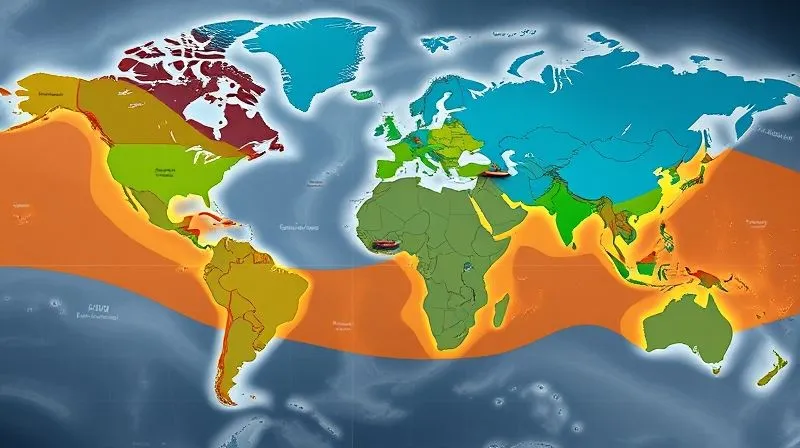
Actionable Steps for Port-Specific Research:
- Proactive Intelligence Gathering: Before your vessel departs for a new region or port, thoroughly research the local ballast water discharge requirements. Consult port agents, national maritime authorities' websites, and industry circulars.
- Utilize Digital Platforms: Many specialized maritime intelligence platforms provide up-to-date port-specific regulations. Investing in such subscriptions can save significant time and prevent errors.
- Engage with Local Experts: If in doubt, don't hesitate to consult with local maritime lawyers or consultants who have intimate knowledge of the port's specific interpretations and enforcement practices.
Ballast Water Management Systems (BWMS): Selection & Operation
The heart of D2 compliance lies in the BWMS. Choosing the right system, installing it correctly, and operating it consistently are paramount. I've seen too many cases where an improperly chosen or poorly maintained BWMS becomes a liability rather than a solution. The market offers a diverse range of technologies, each with its own advantages and operational considerations.
Technology Choices: UV, Electro-chlorination, Deoxygenation
The primary technologies include UV (ultraviolet) treatment, electro-chlorination (generating active substances like hypochlorite), and deoxygenation. Each has specific operational parameters, power consumption, space requirements, and maintenance needs. For example, UV systems are often preferred for their chemical-free process, but their efficacy can be impacted by water turbidity. Electro-chlorination systems are robust but require careful management of disinfectant by-products and corrosive elements. Understanding your vessel's operational profile (e.g., trading routes, typical ballast water quality) is critical for selection.
"Choosing a BWMS isn't a one-size-fits-all decision. It requires a deep dive into your vessel's operational realities, trade routes, and the specific challenges of the waters it will navigate. Don't compromise on due diligence; the long-term costs of a mismatched system far outweigh the initial savings."
According to a recent report by DNV, ensuring proper maintenance and calibration of BWMS is the leading factor in avoiding non-compliance, even more so than the initial system choice. This underscores the importance of ongoing operational excellence.
| BWMS Type | Pros | Cons | Key Consideration |
|---|---|---|---|
| UV Treatment | Chemical-free, low footprint, effective on clear water | Reduced efficacy in turbid water, high power consumption | Water quality in operating areas |
| Electro-Chlorination | Robust, effective on turbid water, suitable for large flows | Chemical handling, DBP management, corrosion risk | Discharge port regulations on DBPs |
| Deoxygenation | No active substances, effective in challenging waters | Long treatment time, limited applicability (specific vessel types) | Vessel operational schedule and ballast capacity |
Developing a Robust Ballast Water Management Plan (BWMP)
The Ballast Water Management Plan (BWMP) is your vessel's bible for compliance. It's a ship-specific document that details the procedures for ballast water management, including safety procedures, operational instructions, crew responsibilities, and reporting requirements. A well-crafted and consistently updated BWMP is not just a regulatory formality; it's an indispensable operational tool.
Actionable Steps for BWMP Development and Maintenance:
- Customization is Key: Ensure your BWMP is truly vessel-specific, reflecting its unique design, BWMS, and operational routes. Generic plans are red flags for PSC.
- Clear Procedures: Outline step-by-step instructions for all ballast water operations, including uptake, treatment, and discharge. Include contingency measures for BWMS malfunctions.
- Crew Responsibilities: Clearly define roles and responsibilities for all crew members involved in ballast water management.
- Record Keeping: Mandate meticulous record-keeping in the Ballast Water Record Book. This is your primary evidence of compliance.
- Regular Review and Update: The BWMP is a living document. It must be reviewed and updated regularly, especially after any changes to the vessel, BWMS, or relevant regulations.
Crew Training and Competency: Your First Line of Defense
Even the most advanced BWMS and meticulously crafted BWMP are useless without a competent and well-trained crew. The human element is, in my experience, the single most critical factor in achieving consistent compliance. A crew that understands the 'why' behind the regulations, not just the 'how,' is far more likely to adhere to procedures and react appropriately to unforeseen circumstances.
Case Study: How Transocean Shipping Averted a Major Fine
Transocean Shipping, a mid-sized tanker operator, faced a situation where their BWMS experienced a critical sensor failure while en route to a sensitive port with strict ballast water discharge regulations. Due to their rigorous training program, the crew immediately identified the malfunction. Instead of attempting a risky discharge, the Master, supported by the Chief Officer, correctly activated their contingency plan: notifying the flag state, the port authority, and their DPA ashore. They provided photographic evidence of the malfunction and proposed an alternative management strategy, which involved retaining the ballast water and arranging for shore-based treatment at the next suitable port. This proactive and well-documented response, a direct result of comprehensive training on emergency procedures, allowed Transocean to avoid a potential port detention and a six-figure fine. This demonstrates the critical role of crew preparedness in navigating complex regulatory landscapes.
Training should not be a one-off event. It needs to be continuous, incorporating simulator exercises, practical drills, and regular refreshers on the latest regulatory updates and operational best practices. Empower your crew with knowledge, and they become your most effective compliance asset. 
Navigating Sampling, Testing, and Reporting Protocols
Compliance isn't just about having a BWMS; it's about proving it works. This involves understanding and adhering to various sampling, testing, and reporting protocols, which can vary significantly between ports and jurisdictions. Ignorance here is not bliss; it's a direct path to non-compliance.
Onboard Sampling vs. Shore-based Analysis
Many ports now conduct their own ballast water sampling upon vessel arrival to verify D2 compliance. These samples are then sent for shore-based analysis. It's crucial for your crew to cooperate fully with PSC officers during this process. Some BWMS also have provisions for onboard indicative testing, which can provide a quick check of treatment efficacy, though these are typically not substitutes for official shore-based analyses. I always advise clients to understand the specific sampling methodologies employed by their destination ports, as this can influence operational decisions.
The Ballast Water Record Book (BWRB) is the cornerstone of your reporting. Every ballast water operation – uptake, treatment, discharge, and any unusual events – must be meticulously recorded. This book is frequently inspected by PSC, and discrepancies or omissions can lead to severe penalties. Ensure your crew understands the importance of accurate and timely entries.
| Requirement | Frequency | Key Details |
|---|---|---|
| Ballast Water Record Book Entries | Every operation (uptake, discharge, treatment) | Date, time, location, volume, BWMS operation status, remarks |
| International Ballast Water Management Certificate | Valid for 5 years, subject to annual/intermediate/renewal surveys | Issued by Flag State or RO, confirms D2 compliance |
| BWMS Operational Records | Continuous | System parameters, alarms, maintenance logs, calibration records |
| Port State Control Notifications | As required by specific port/jurisdiction | Intent to discharge, BWMS issues, contingency plans |
Emergency Procedures and Contingency Planning
No system is infallible, and even the best-maintained BWMS can malfunction. This is why a robust contingency plan is not just good practice; it's a regulatory requirement. Knowing what to do when your BWMS fails in a port with strict discharge regulations can be the difference between a smooth resolution and a major incident.
Dealing with System Malfunctions
Your BWMP must include detailed procedures for BWMS malfunctions. This typically involves immediate notification to the flag administration, the port state, and your company's designated person ashore (DPA). Options might include retaining ballast water, discharging to shore reception facilities (if available), or performing ballast water exchange in designated areas (if permissible and safe). The key is transparency and proactive communication. Attempting to hide a malfunction or discharge non-compliant ballast water will always lead to more severe consequences.
Exemptions and Exceptions
The BWM Convention does allow for certain exemptions or exceptions under specific circumstances, such as voyages in designated areas where no harmful organisms are present, or for emergency situations. However, these are typically granted on a case-by-case basis and require prior approval from the relevant authorities. Do not assume an exemption applies without explicit confirmation. Ignorance of these provisions or misapplication can quickly turn a minor issue into a major legal headache. 
Leveraging Digital Tools for Compliance Management
In this digital age, relying solely on paper logs and manual processes for ballast water management is inefficient and prone to error. I strongly advocate for leveraging digital tools to streamline compliance, enhance record-keeping, and provide real-time insights into your fleet's status. This is how you future-proof your operations when considering how to navigate new IMO ballast water discharge port regulations effectively.
Modern software solutions can integrate BWMS data, automate record-keeping, manage maintenance schedules, track regulatory updates, and even provide predictive analytics for potential compliance issues. These platforms can offer a centralized dashboard for your entire fleet, allowing shore-side management to monitor BWMS performance, identify trends, and intervene proactively. This not only improves compliance but also optimizes operational efficiency and reduces administrative burden.
From my perspective, investing in robust digital solutions for environmental compliance is no longer a luxury but a necessity for any forward-thinking shipping company. It transforms compliance from a reactive burden into a proactive, data-driven management process.
Frequently Asked Questions (FAQ)
What is the main difference between the D1 and D2 standards? The D1 standard requires ships to perform ballast water exchange in open ocean areas, replacing coastal water with open ocean water. The D2 standard, on the other hand, mandates that ships treat their ballast water using an approved Ballast Water Management System (BWMS) to meet specific discharge limits for viable organisms, regardless of where the ballast water was taken up. D2 is a more stringent, performance-based standard.
Are there any exemptions for vessels on short international voyages? The BWM Convention does allow for potential exemptions, but these are generally granted by the port and flag state administrations on a case-by-case basis and usually require a formal application and assessment. They are not automatic. Vessels typically need to demonstrate that there is no risk of transferring harmful aquatic organisms for a specific voyage or area. Always seek explicit approval.
What are the penalties for non-compliance with IMO ballast water regulations? Penalties for non-compliance can vary significantly by port state and the severity of the infraction. They can range from administrative fines (often substantial, easily in the tens of thousands to hundreds of thousands of dollars), port detention, refusal of entry, and even criminal charges in severe cases, particularly if environmental damage is proven. Non-compliance also carries significant reputational risks.
How often do I need to calibrate my BWMS? The calibration frequency for your BWMS should be outlined in the system's instruction manual and your vessel's Ballast Water Management Plan (BWMP). Generally, critical sensors and components require regular calibration and maintenance as per manufacturer's guidelines and class society requirements, typically annually or semi-annually. Proper record-keeping of all calibrations is essential for PSC inspections.
Can I discharge ballast water in port if my BWMS is malfunctioning? If your BWMS malfunctions, you must immediately notify your flag administration, the port state, and your company's DPA ashore. Discharging non-compliant ballast water is prohibited. Your BWMP should detail contingency measures, which may include retaining ballast water, discharging to shore reception facilities (if available), or performing ballast water exchange if permissible and safe. Proactive communication and adherence to your contingency plan are critical.
Key Takeaways and Final Thoughts
Navigating the complex waters of new IMO ballast water discharge port regulations demands a multi-faceted approach, blending technical understanding with proactive operational and legal strategies. It's a journey that requires continuous vigilance, investment in technology, and most importantly, a highly competent and well-trained crew.
- Prioritize Port-Specific Intelligence: Always research and understand local regulations beyond the general IMO framework.
- Invest in the Right BWMS: Choose a system suited to your vessel's operations and ensure its proper installation and maintenance.
- Develop a Robust BWMP: Create a customized, living document that guides all ballast water operations and contingency planning.
- Empower Your Crew: Continuous training and clear communication are your strongest defenses against non-compliance.
- Embrace Digital Solutions: Leverage technology for efficient record-keeping, monitoring, and proactive compliance management.
- Maintain Meticulous Records: Your Ballast Water Record Book is your primary proof of compliance.
- Plan for Contingencies: Have clear procedures for BWMS malfunctions and emergency situations.
I've seen operators thrive by embracing these regulations as an integral part of their operational excellence, rather than viewing them as a mere burden. By adopting a proactive, informed, and technologically savvy approach to how to navigate new IMO ballast water discharge port regulations, you can safeguard your operations, protect our precious marine environment, and ensure your fleet remains a trusted and compliant player in the global maritime industry. The future of shipping is green, and effective ballast water management is a cornerstone of that future.
Recommended Reading
- 5 Legal Steps: How to Legally Seize Counterfeit Goods at International Borders
- Unveiling the Shield: What Legal Frameworks Protect Critical Ecological Habitats?
- The Global Maze: Unraveling Challenges in Enforcing Foreign Judgments Internationally
- Don't Skip It: What Are the Risks of Skipping a Real Estate Title Search?
- 7 Legal Steps: Removing an Abusive Conservator for an Elder



Comments
Leave a comment below. Your email will not be published. Required fields marked with *