



What to do when a nation defies international human rights rulings?
For over two decades, I've navigated the complex, often frustrating, labyrinth of international law and global governance. I've witnessed firsthand the profound disappointment, and indeed, the moral outrage, when a nation, despite clear legal obligations and judicial pronouncements, chooses to openly defy international human rights rulings.
This defiance isn't merely a legal technicality; it represents a profound rupture in the fabric of global justice, leaving victims in limbo and eroding the very principles of shared humanity. It’s a challenge that tests the limits of our collective resolve and the efficacy of the international system itself, often leaving many wondering if these rulings hold any real weight.
In this comprehensive guide, I'll draw upon my extensive experience to provide a pragmatic, multi-faceted framework for addressing such defiance. We'll explore the critical tools, diplomatic levers, and strategic interventions available, offering not just theoretical insights but actionable pathways to foster accountability and uphold human dignity, even in the face of state recalcitrance.
Understanding the Landscape of Defiance: Why Nations Ignore Rulings
Before we can effectively respond, we must understand the motivations and rationales behind a nation's decision to defy international human rights rulings. It’s rarely a simple act of malice; more often, it's a complex interplay of internal and external pressures.
Sovereignty vs. Obligation: The Persistent Tension
At the heart of much defiance lies the enduring tension between state sovereignty and international legal obligations. Nations often invoke sovereignty as a shield, arguing that international rulings infringe upon their internal affairs. While sovereignty is a foundational principle of international law, it is not absolute, especially when it comes to peremptory norms like human rights. Yet, this argument remains a powerful rhetorical tool for defiant states, complicating efforts to enforce compliance.
Political Will and Domestic Pressures
In my experience, a lack of political will within the defying state is a primary driver. This can stem from a desire to consolidate power, suppress dissent, or avoid setting precedents that might challenge the ruling elite. Furthermore, domestic political pressures, such as nationalist sentiments or economic imperatives, can make compliance seem politically costly, leading leaders to prioritize short-term domestic stability over long-term international standing. The internal calculus for a defiant regime often outweighs the external condemnation, at least initially.
Lack of Enforcement Mechanisms: The Achilles' Heel
Perhaps the most significant challenge in global governance is the inherent weakness of enforcement mechanisms in international law. Unlike domestic legal systems with their police forces and coercive powers, international law relies heavily on consent, reciprocity, and the willingness of states to cooperate. When a nation actively decides to defy a ruling, the international community often lacks direct, immediate, and universally accepted means to compel compliance. This structural vulnerability is the Achilles' heel of the international human rights system.
Expert Insight: "The paradox of international human rights law is its moral strength juxtaposed with its enforcement fragility. While it sets universal standards, its implementation often hinges on political will, not just legal obligation."
The Initial Response: Diplomatic Channels and Unified Condemnation
When a nation defies international human rights rulings, the immediate and crucial first step is a robust, unified diplomatic response. This isn't about immediate coercion, but about clearly signaling that the defiance will not be ignored and carries significant reputational costs.
This phase involves a concerted effort from various international actors:
- United Nations Bodies: The Human Rights Council, the Office of the High Commissioner for Human Rights (OHCHR), and the General Assembly can issue resolutions, statements, and reports condemning the non-compliance. These public pronouncements, while not legally binding in the same way as a court ruling, carry significant moral and political weight. For instance, the UN Human Rights Office plays a vital role in monitoring and advocating for compliance.
- Regional Organizations: Bodies like the African Union, the Organization of American States, or the Council of Europe have their own human rights mechanisms and can exert regional pressure, often more effectively due to shared cultural and political contexts.
- Individual States: Bilateral and multilateral diplomatic demarches from influential states, coordinated through alliances like the G7 or EU, can amplify the message of disapproval. Recalling ambassadors or downgrading diplomatic ties are strong signals.
The goal here is to create a 'diplomatic net' around the defying nation, isolating it politically and publicly. This collective action demonstrates that the international community values its legal commitments and views the defiance as a serious breach, not just a minor infraction.

Escalating Pressure: Targeted Sanctions and Travel Bans
When diplomatic appeals and condemnation fail to sway a defiant nation, the international community must consider escalating its response. This often involves more coercive measures, primarily through targeted sanctions and travel bans, designed to impose tangible costs without unduly harming the general population.
Economic Sanctions: Smart vs. Comprehensive
Sanctions are a powerful, albeit controversial, tool. In my experience, the key to their effectiveness lies in their targeting. Comprehensive sanctions, which affect an entire economy, often harm innocent civilians disproportionately and can entrench a defiant regime by fostering a 'siege mentality.' Smart or targeted sanctions, however, focus on specific individuals, entities, or sectors directly responsible for the defiance or benefiting from the human rights abuses.
| Sanction Type | Target | Impact | Effectiveness |
|---|---|---|---|
| Comprehensive Sanctions | Entire national economy | Broad, often harms civilians, can entrench regime | Mixed, often limited in changing behavior |
| Targeted Sanctions (Smart Sanctions) | Specific individuals, entities, or sectors | Focused on decision-makers or those enabling abuses | Potentially higher, less collateral damage |
| Arms Embargoes | Military and security forces | Restricts capacity for repression | High when enforced, can be circumvented |
| Travel Bans | Individuals responsible for abuses | Personal inconvenience, reputational damage | Moderate, primarily symbolic and inconvenient |
These can include asset freezes, restrictions on financial transactions, and limitations on access to international markets for specific state-owned enterprises or individuals. The aim is to make the cost of defiance higher than the cost of compliance for the decision-makers. For more detailed analysis on the efficacy of sanctions, reports from organizations like Human Rights Watch often provide valuable insights.
Individual Accountability: Magnitsky Act-Style Measures
Beyond state-level sanctions, individual accountability measures, often inspired by the U.S. Magnitsky Act, have gained prominence. These allow states to sanction foreign officials implicated in human rights abuses, regardless of their nationality or location. This puts direct pressure on the individuals who implement or benefit from the defiance, making it harder for them to travel, conduct business internationally, or hide assets abroad. This approach directly addresses the impunity often enjoyed by those perpetrating abuses.
Leveraging International Judicial and Quasi-Judicial Bodies
When initial rulings are defied, it doesn't mean the judicial process is over. The international legal framework provides avenues for continued engagement and pressure through judicial and quasi-judicial bodies.
Re-engaging the International Court of Justice (ICJ) or Regional Courts
For rulings from the International Court of Justice, the UN Charter (Article 94(2)) allows the Security Council to take measures to give effect to the judgment if a party fails to perform its obligations. While often subject to veto, the very threat of such action, or the public debate surrounding it, can exert significant pressure. Regional courts, such as the European Court of Human Rights or the Inter-American Court of Human Rights, often have more robust enforcement mechanisms within their respective regions, including the ability to impose fines or compel states to take specific actions. Continuous monitoring and repeated condemnations from these courts keep the issue alive and maintain legal pressure.
Role of UN Human Rights Committee and Special Rapporteurs
Beyond formal courts, UN treaty bodies like the Human Rights Committee (which monitors compliance with the ICCPR) and various Special Rapporteurs (independent experts appointed by the Human Rights Council) play a critical role. They can issue follow-up observations, urgent appeals, and thematic reports that meticulously document continued defiance and its impact. While their pronouncements are not legally binding judgments, they contribute significantly to the normative framework and provide authoritative assessments that inform diplomatic and political action. Their sustained attention ensures that the issue remains on the international agenda.
Key Insight: "The moral authority of international judicial and quasi-judicial bodies, even without direct enforcement power, is immense. Their consistent pronouncements keep the spotlight on defiance, preventing it from fading into obscurity."

The Power of Civil Society and Public Opinion
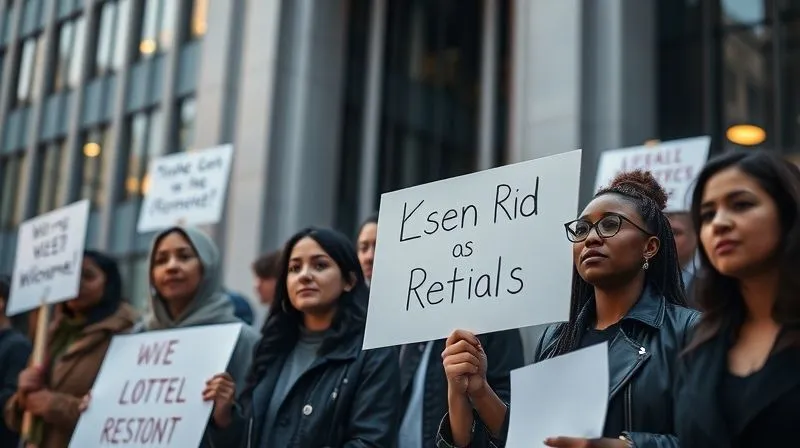
In my work, I've consistently observed that legal and diplomatic tools alone are often insufficient. The true engine of change, particularly in human rights, often lies with civil society organizations and the cultivation of informed global public opinion. These non-state actors are indispensable in holding nations accountable.
Amplifying Voices: Media and Digital Activism
Civil society organizations (CSOs) act as vital watchdogs, meticulously documenting abuses, gathering evidence, and advocating for victims. They leverage traditional media and, increasingly, digital platforms to amplify the voices of those affected by defiance. Social media campaigns, online petitions, and digital forensics can rapidly mobilize public opinion, turning local grievances into global concerns. This public pressure can be a powerful counterweight to state propaganda and denial, making it harder for defiant nations to maintain a facade of legitimacy.
Naming and Shaming: Exposing Abuses
One of the most effective strategies CSOs employ is 'naming and shaming.' By publicly identifying individuals and institutions responsible for human rights violations and the defiance of rulings, they expose perpetrators to international scrutiny and reputational damage. This can range from detailed reports by organizations like Amnesty International to grassroots campaigns that highlight specific cases of injustice. This sustained exposure can gradually erode a nation's international standing, impacting its diplomatic relations, trade, and even tourism.
Case Study: How the 'Voice for Justice' Campaign Shifted Global Awareness
The fictional nation of Veritas faced international condemnation and an ICJ ruling for its systematic persecution of an ethnic minority. For years, the government defied the ruling, citing internal security concerns. A coalition of local human rights defenders and international NGOs launched the 'Voice for Justice' campaign. They used encrypted channels to gather victim testimonies, satellite imagery to document destruction, and a sophisticated social media strategy to disseminate this evidence globally. They partnered with investigative journalists, produced short documentaries, and organized virtual protests. While Veritas initially dismissed the campaign as foreign interference, the relentless flow of verifiable information led to widespread public outrage in democratic nations, prompting their governments to impose targeted sanctions and eventually leading to a UN Human Rights Council investigation. The pressure, driven by public opinion, significantly contributed to Veritas eventually entering into dialogue for compliance.
Exploring Non-State Actors and Corporate Responsibility
The landscape of global governance is not solely the domain of states and intergovernmental organizations. Non-state actors, particularly multinational corporations and financial institutions, wield significant influence and have a growing responsibility to uphold human rights, even when host states defy international rulings.
Supply Chain Due Diligence
Companies operating in nations that defy human rights rulings face increasing scrutiny. Investors, consumers, and regulators expect them to conduct thorough human rights due diligence throughout their supply chains. This means identifying, preventing, mitigating, and accounting for how they address their human rights impacts. Failure to do so can lead to reputational damage, consumer boycotts, and legal challenges. Companies must ensure they are not complicit, directly or indirectly, in abuses facilitated by a defiant state.
Investor Pressure and ESG Criteria
The rise of Environmental, Social, and Governance (ESG) investing has empowered investors to demand ethical conduct from companies. Institutional investors, pension funds, and sovereign wealth funds are increasingly scrutinizing companies' human rights records, particularly those operating in high-risk jurisdictions. They can divest from companies that fail to meet ESG standards or use their shareholder power to push for changes in corporate behavior. This financial leverage adds another layer of pressure on defiant states, as their economic partners become more cautious.
Here are actionable steps companies can take when operating in states defying human rights rulings:
- Conduct Enhanced Due Diligence: Systematically assess human rights risks associated with operations and supply chains in the defiant state.
- Implement Robust Monitoring: Establish independent monitoring mechanisms for labor practices, environmental impacts, and community relations.
- Engage Stakeholders: Foster open dialogue with local communities, civil society, and workers' representatives.
- Advocate for Rights: Use corporate influence to privately or publicly advocate for human rights improvements within the country.
- Consider Responsible Exit: If risks are unmanageable and engagement is ineffective, prepare for a responsible exit strategy that minimizes negative impacts on workers and communities.
The Long Game: Building Capacity and Fostering Internal Change
While immediate responses to defiance are crucial, true and lasting change often requires a long-term strategy focused on building internal capacity and fostering a culture of human rights within the defiant nation itself. This is the 'long game' in international relations, where patience and strategic engagement are paramount.
Technical Assistance and Rule of Law Programs
International organizations and individual states can offer technical assistance aimed at strengthening a nation's rule of law institutions. This includes training for judges, lawyers, and law enforcement personnel on international human rights standards, supporting legal reform initiatives, and helping to establish independent oversight bodies. The idea is to empower internal actors who are committed to upholding the law, even if the current political leadership is not. This approach is often taken by bodies like the UN Rule of Law Unit.
Supporting Democratic Institutions and Civil Society
Ultimately, a nation's adherence to human rights is often strongest when its democratic institutions are robust and its civil society is vibrant. International efforts can focus on supporting independent media, promoting electoral integrity, and providing resources to local human rights defenders. These initiatives, while sensitive to national sovereignty, are about nurturing the internal forces that can eventually drive compliance from within, rather than solely relying on external pressure. This requires a nuanced understanding of local contexts and a commitment to long-term engagement.
Expert Insight: "Sustainable human rights compliance doesn't just come from external pressure; it grows from within. Investing in a nation's rule of law and democratic institutions is the ultimate strategy for lasting change."

Frequently Asked Questions (FAQ)
Q: Can the UN Security Council directly enforce ICJ rulings? A: Yes, Article 94(2) of the UN Charter states that if any party to a case fails to perform the obligations incumbent upon it under a judgment rendered by the Court, the other party may have recourse to the Security Council, which may, if it deems necessary, make recommendations or decide upon measures to be taken to give effect to the judgment. However, this power is subject to the veto power of the five permanent members, which often limits its practical application in politically sensitive cases.
Q: Are there examples of nations reversing defiance due to international pressure? A: Absolutely. While challenging, there are instances where sustained international pressure, a combination of diplomatic, economic, and civil society efforts, has led nations to eventually comply or partially comply with human rights rulings. For example, some states have eventually paid reparations ordered by regional human rights courts after years of defiance, or modified discriminatory laws due to persistent international advocacy and internal pressure. Each case is unique, but consistent pressure can shift the internal cost-benefit analysis for a defiant regime.
Q: What role do regional human rights courts play in this context? A: Regional human rights courts (e.g., European Court of Human Rights, Inter-American Court of Human Rights, African Court on Human and Peoples' Rights) often have more direct and sometimes more effective enforcement mechanisms than global bodies like the ICJ. Their judgments are legally binding on member states, and they can impose fines, order specific legislative changes, or compel states to provide reparations. While defiance still occurs, the shared regional identity and more integrated legal frameworks can make compliance more likely or the consequences of non-compliance more immediate.
Q: How effective are economic sanctions in changing a nation's human rights behavior? A: The effectiveness of economic sanctions is a complex and often debated topic. While comprehensive sanctions can be counterproductive, targeted sanctions (smart sanctions) aimed at specific individuals or sectors responsible for abuses have shown more promise. Their success often depends on their precise design, the political will of the sanctioning states to enforce them rigorously, and the target nation's vulnerability to external economic pressure. They are most effective when part of a broader, multi-pronged strategy.
Q: What are the limits of international law in state defiance? A: The primary limit of international law in cases of state defiance is its reliance on state consent and the absence of a global enforcement body with universal coercive power. Unlike domestic law, there's no international 'police force' to compel compliance. The system relies on a combination of moral suasion, diplomatic pressure, economic incentives/disincentives, and the willingness of states to uphold the international legal order. When a powerful state or one with strong political backing in the UN Security Council chooses to defy, enforcement becomes significantly more challenging.
Key Takeaways and Final Thoughts
Addressing the profound challenge of what to do when a nation defies international human rights rulings requires a strategic, patient, and multi-faceted approach. There is no single silver bullet, but rather a combination of persistent pressure and engagement.
- Unified Diplomatic Pressure: Initial, strong, and coordinated condemnation from international bodies and individual states is essential to signal seriousness.
- Targeted Coercive Measures: When diplomacy falters, smart sanctions and individual accountability measures can impose tangible costs on defiant regimes and their architects.
- Leveraging Legal Avenues: Continued engagement with international courts and quasi-judicial bodies maintains legal pressure and keeps the issue on the global agenda.
- Empowering Civil Society: Non-state actors are crucial for documenting abuses, mobilizing public opinion, and exposing defiance to the world.
- Corporate Responsibility: Businesses and investors must uphold human rights standards, preventing complicity and using their influence to promote ethical conduct.
- Long-Term Capacity Building: Fostering internal rule of law, democratic institutions, and civil society within the defiant nation is key for sustainable change.
As an expert in this field, I've learned that the fight for human rights is a marathon, not a sprint. Defiance tests our resolve, but it also compels us to innovate and collaborate. By combining legal rigor with diplomatic acumen, economic leverage, and the unwavering voice of humanity, we can collectively push towards a future where international human rights rulings are not just noble ideals, but enforceable realities. The path is challenging, but the pursuit of justice and dignity for all is a moral imperative we must never abandon.
Recommended Reading
- Reconstructing Accident Scenes: 7 Expert Strategies When Evidence Fades
- Digital Forensics in Court: 7 Urgent Steps for Defense Attorneys?
- Avoid Penalties: How to Report Foreign Assets to the IRS Correctly
- 7 Proven Strategies: How to Argue for a Downward Departure from Federal Sentencing Guidelines?
- How to Minimize Marine Pollution Liability: 7 Key Legal Strategies




Comments
Leave a comment below. Your email will not be published. Required fields marked with *