


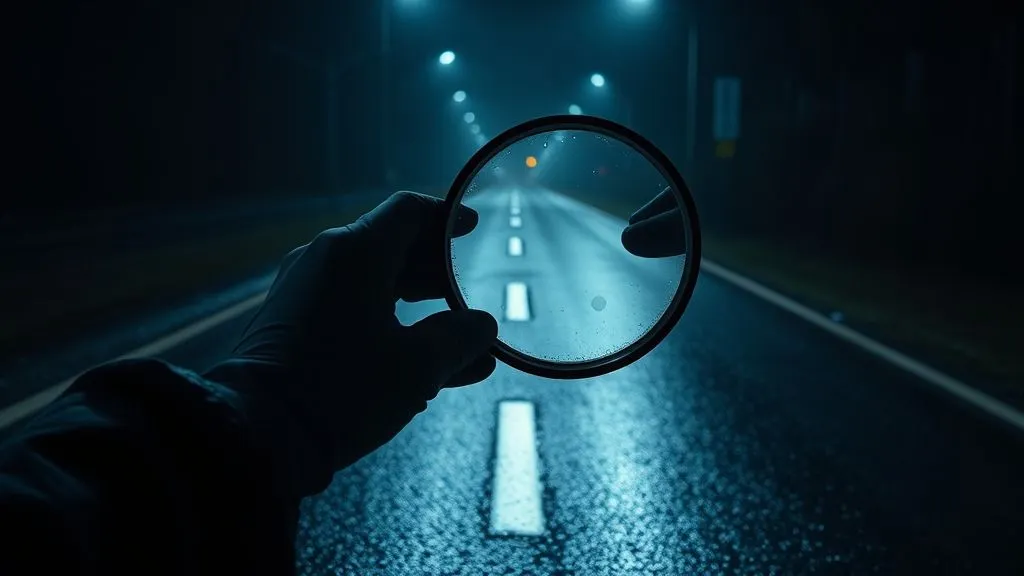
How to reconstruct an accident scene when crucial evidence is missing?
For over two decades in personal injury law, I've walked countless accident scenes, from minor fender-benders to catastrophic multi-vehicle collisions. Often, the crucial evidence—skid marks, debris, even vehicle positions—is fleeting. It washes away with the rain, gets cleared by emergency services, or simply isn't properly documented in the immediate aftermath. This disappearance of vital clues is a challenge I've faced repeatedly, and it’s one of the most frustrating obstacles to building a strong case for my clients.
The pain point for victims and their legal teams is immense: how do you prove what happened when the very 'facts on the ground' have vanished? The absence of clear, tangible evidence can feel like a dead end, leaving victims feeling helpless and denying them the justice they deserve. It's a scenario that demands not just legal acumen, but a detective's eye, a scientist's precision, and a strategist's foresight.
This article will equip you with a definitive framework and actionable strategies to reconstruct an accident scene even when crucial evidence seems to be missing. I’ll share my hard-won insights, practical techniques, and the collaborative approaches necessary to piece together the puzzle. You'll learn how to leverage unconventional sources, cutting-edge technology, and the power of expert collaboration to build a compelling narrative, transforming what seems like an insurmountable challenge into a pathway to justice.
The Initial Shock: Why Evidence Disappears and What It Means for Your Case
When an accident occurs, the immediate aftermath is chaotic. Emergency responders prioritize human life, which is absolutely right, but it often means that forensic preservation of the scene takes a backseat. Vehicles are moved, debris is cleared, and environmental factors like weather can quickly erase critical physical evidence. Witnesses, if present, might leave before their statements are taken, or their memories can fade or become distorted over time.
This rapid loss of primary evidence creates a significant evidentiary void. In a personal injury case, the burden of proof rests on the plaintiff, meaning we must present sufficient evidence to convince a judge or jury that the defendant's negligence caused the injury. When the 'smoking gun' evidence is gone, proving causation and liability becomes exponentially harder. It can lead to cases being undervalued, dismissed, or even lost, leaving injured parties without compensation for their medical bills, lost wages, and suffering.
"The absence of evidence is not the evidence of absence. It is simply a call to dig deeper, to look beyond the obvious, and to connect dots that others might miss." - My personal mantra in these challenging cases.
Beyond the Obvious: Unconventional Evidence Gathering Techniques
When the traditional wellsprings of evidence dry up, a veteran personal injury attorney knows to cast a wider net. This involves a meticulous and often creative approach to discovery, seeking out indirect or overlooked sources that, when combined, can paint a surprisingly clear picture.
- Canvassing Local Businesses for Surveillance Footage: Many businesses, even small ones, have exterior security cameras. These cameras often capture more than just their storefronts, sometimes providing invaluable footage of the accident itself or the moments leading up to it. I always dispatch investigators immediately to check within a reasonable radius.
- Exploring Traffic Camera Networks: Municipalities and state transportation departments often operate extensive networks of traffic cameras. While not always high-resolution, these cameras can confirm vehicle direction, speed approximations, and even the point of impact. Accessing this footage typically requires a formal request or subpoena.
- Harvesting Data from Personal Devices: Modern vehicles are essentially computers on wheels. Event Data Recorders (EDRs), commonly known as "black boxes," can record pre-crash data like speed, braking, and steering input. Similarly, GPS data from phones or navigation systems can confirm routes and speeds.
- Social Media and Open-Source Intelligence (OSINT): While controversial, public social media posts can sometimes contain real-time accounts, photos, or even videos from witnesses or those involved. News reports, local forums, and neighborhood apps can also yield unexpected leads.
- Satellite Imagery and Aerial Photography: Historical satellite imagery (e.g., Google Earth historical views) can sometimes show road configurations, construction, or environmental factors that existed at the time of the accident. Drone photography, if available shortly after the incident, provides an invaluable bird's-eye view.
These techniques require persistence and a deep understanding of where to look and how to legally obtain the information. It’s about leveraging every available tool to compensate for what’s physically missing.

Leveraging Technology: Digital Forensics and Simulation
In our digital age, the absence of physical evidence doesn't mean the absence of data. Modern accident reconstruction heavily relies on digital forensics and advanced simulation tools. I've seen these technologies turn seemingly hopeless cases into clear victories.
Vehicle EDRs are a goldmine. They record data points like speed, brake application, throttle position, and seatbelt usage in the seconds leading up to and during a crash. Extracting and interpreting this data requires specialized equipment and expertise, but it provides objective, irrefutable facts. Similarly, commercial vehicles often have telematics systems that log driving hours, GPS location, speed, and hard braking events, offering a comprehensive digital trail.
Beyond vehicle data, the advent of 3D laser scanning and photogrammetry has revolutionized scene mapping. Even if the original scene is cleared, these technologies can create highly accurate 3D models from photographs, drone footage, or even witness descriptions. This allows reconstructionists to measure distances, angles, and trajectories with incredible precision, long after the physical evidence is gone.
Case Study: The Ghost Intersection Incident
I recall a particularly challenging case involving a client who was severely injured in a "T-bone" collision at an intersection. The police report was inconclusive, and by the time we were retained, the intersection had been cleared, and there were no immediate witnesses. It looked bleak. However, we discovered a nearby gas station had a high-definition security camera that, while not directly facing the intersection, captured a sliver of the incident in its periphery. The footage was grainy, but it showed the flash of impact and the approximate relative speeds.
We then engaged a forensic animation expert. Using the gas station footage, EDR data from both vehicles (which confirmed one driver was speeding and failed to brake), and a 3D laser scan of the intersection's current layout, they created a highly realistic simulation. This simulation visually demonstrated the client's vehicle entering the intersection lawfully and the defendant's vehicle running a red light at excessive speed. The animation, combined with the EDR data, was powerful enough to compel a favorable settlement, despite the initial lack of clear physical evidence.
The integration of these digital tools allows us to move beyond speculation and present scientifically robust evidence. It's about finding the digital footprints when the physical ones have vanished.
| Evidence Type | Traditional Method | Digital/Modern Approach |
|---|---|---|
| Physical Debris | Manual Measurement, Photography | 3D Laser Scanning, Photogrammetry |
| Vehicle Speed/Behavior | Skid Mark Analysis, Witness Estimates | Event Data Recorder (EDR) Extraction, Telematics |
| Scene Layout | Tape Measure, Sketching | Drone Mapping, GIS Data |
| Witness Recall | Standard Interview | Cognitive Interviewing Techniques, AI-assisted pattern recognition in statements |
The Power of Witness Testimony and Cognitive Interviewing
Even when physical evidence is scarce, human memory remains a critical resource. However, traditional witness interviews are often flawed. Stress, trauma, and the passage of time can distort recollections. This is where cognitive interviewing techniques become invaluable.
Cognitive interviewing, developed by cognitive psychologists, is a structured approach designed to enhance the retrieval of accurate and detailed memories. It encourages witnesses to mentally reinstate the context of the event, report everything they remember (even seemingly trivial details), recount the event in different orders, and change perspectives. This method minimizes interviewer bias and maximizes the quantity and quality of information retrieved.
"A single, credible witness, interviewed with precision, can sometimes be more impactful than a mountain of circumstantial evidence. Their memory, carefully unlocked, can be the missing link." - A lesson I learned early in my career.
I always emphasize the importance of interviewing witnesses as soon as possible, but even with delayed interviews, a skilled interviewer using cognitive techniques can often uncover details that would otherwise remain hidden. These details, when corroborated by other fragments of evidence, can significantly strengthen an otherwise weak case.
Expert Witness Collaboration: Bridging Evidential Gaps
No single person possesses all the knowledge required to reconstruct a complex accident without complete evidence. This is why collaboration with a diverse team of expert witnesses is not just helpful, but absolutely essential. My firm regularly partners with specialists who bring unique perspectives and technical capabilities.
- Accident Reconstructionists: These engineers and scientists are the backbone of any reconstruction effort. They use physics, engineering principles, and specialized software to analyze available data (even sparse data) and determine vehicle speeds, trajectories, and points of impact. They can work backward from damage patterns and even minimal scene photos.
- Forensic Engineers: Beyond general reconstruction, forensic engineers can analyze vehicle damage, material failures, or environmental factors. If a brake system failed, or a road defect contributed, their expertise is critical.
- Biomechanists: These experts analyze the forces exerted on the human body during an accident. They can correlate vehicle dynamics with injury patterns, helping to prove causation and the severity of injuries, even when the accident mechanics are unclear.
- Human Factors Experts: These specialists assess driver behavior, perception, and reaction times. They can analyze witness statements, traffic conditions, and other factors to determine if human error played a role, especially when direct evidence of impairment or distraction is missing.
- Medical Experts: While not directly involved in reconstruction, medical experts are crucial for linking the forces of the accident (as reconstructed) to the specific injuries sustained by the client, reinforcing the narrative of causation.
The synergy between these experts allows us to build a comprehensive, multi-layered argument. Each expert brings a piece of the puzzle, and together, they construct a robust theory of how the accident occurred, making a compelling case for the jury or insurance adjuster. The National Transportation Safety Board (NTSB) reports often highlight the multi-disciplinary approach required for complex investigations.
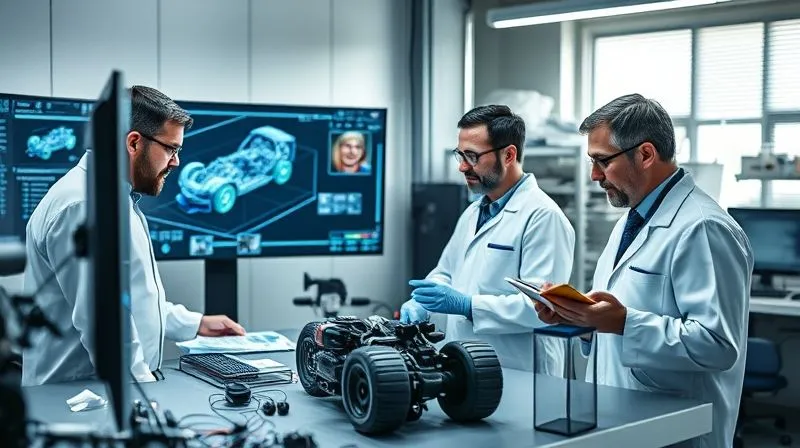
Advanced Forensic Reconstruction: Piecing Together the Puzzle
Even with limited physical evidence, advanced forensic reconstruction techniques can perform miracles. This isn't about guesswork; it's about applying scientific principles to infer what happened based on the available data, no matter how fragmented.
One powerful technique is "reverse engineering" the accident. If we have final resting positions of vehicles and damage profiles, reconstructionists can work backward, using principles of conservation of momentum and energy, to deduce impact speeds and angles. Even subtle clues like paint transfers, scuff marks, or minor deformation can provide crucial vectors.
Another approach involves "damage analysis." The type, location, and severity of vehicle damage tell a story about the forces involved and the direction of impact. A forensic engineer can analyze crush damage, for example, to estimate the energy absorbed during the collision, which in turn helps estimate impact speed. This is particularly useful in hit-and-run cases where only the damaged vehicle is available.
Finally, "site inspection and environmental factors" remain critical. Even if the scene is cleared, inspecting the general area for fixed objects (trees, poles, guardrails) that show secondary impact marks, or analyzing road surface conditions (potholes, uneven pavement, visibility obstructions) can provide context. Weather data from the time of the accident is also crucial, as rain, ice, or fog can significantly alter driver behavior and vehicle dynamics. Scientific literature on accident reconstruction delves deeply into these methodologies.
| Reconstruction Technique | Application with Missing Evidence | Required Inputs (Minimal) |
|---|---|---|
| Damage Analysis | Estimating impact force/speed from vehicle deformation | Vehicle photos, repair estimates, expert inspection |
| Reverse Engineering Trajectories | Deducing pre-impact paths from final resting positions | Final resting positions (even from witness description), vehicle types, damage |
| Digital Scene Mapping | Creating accurate 3D models from sparse photos/videos | Any available photos/videos of the scene, even if low quality |
| Human Factors Analysis | Assessing driver perception/reaction based on limited data | Witness statements, known traffic conditions, vehicle type |
Navigating Legal Hurdles: Admissibility and Persuasion
Reconstructing an accident scene when crucial evidence is missing is only half the battle; the other half is successfully presenting that reconstructed evidence in court. The legal system has strict rules regarding the admissibility of expert testimony and scientific evidence. This is where my role as an experienced litigator becomes paramount.
First, the expert's methodology must be scientifically sound and generally accepted within the relevant scientific community. This is known as the Daubert standard in federal courts and many state courts. We must demonstrate that our reconstructionist’s techniques, even when based on indirect evidence, are reliable and rooted in established physics and engineering principles. This often involves detailed reports, peer-reviewed literature, and clear explanations of the analytical process.
Second, the presentation must be clear and persuasive. Jurors are not engineers; they need complex information broken down into understandable, digestible segments. This is where high-quality demonstrative evidence — 3D animations, detailed diagrams, and interactive presentations — becomes indispensable. It translates abstract scientific concepts into a visual narrative that a jury can easily grasp and believe. The American Bar Association provides guidance on expert testimony admissibility, emphasizing the need for robust methodology.
Building an Unassailable Narrative: The Art of Storytelling in Litigation
Ultimately, even with the most advanced reconstruction and compelling expert testimony, a personal injury case is about telling a story—the story of what happened, who was at fault, and the impact it had on your client's life. When crucial evidence is missing, this storytelling becomes an even finer art.
The narrative must be cohesive, logical, and emotionally resonant. Every piece of evidence, no matter how small or indirect, must fit into this overarching story. The goal is to create a picture so compelling that the jury feels they were there, even if no single photograph or video captured the entire event. This involves weaving together witness accounts, expert analyses, medical records, and the client's own testimony into a seamless, believable whole.
I've found that effective storytelling doesn't just present facts; it illuminates the “why.” Why did the defendant act negligently? Why was the client unable to avoid the collision? Why are the injuries so severe? By answering these questions through a carefully constructed narrative, we empower the jury to connect with the human element of the case, fostering empathy and a desire for justice. Harvard Business Review emphasizes the power of storytelling in influencing decisions, a principle equally applicable in the courtroom.
Frequently Asked Questions (FAQ)
Question? What is the first thing I should do if I'm involved in an accident and suspect evidence might be lost or overlooked?
Detailed answer: Your immediate priority is safety and medical attention. Once safe, if you're able, take as many photos and videos as possible with your phone from various angles, capturing vehicle damage, road conditions, skid marks, traffic signs, and any visible debris. Note down the names and contact information of any witnesses. If you can't do this, ask someone else to. Then, contact an experienced personal injury attorney as soon as possible, as they can dispatch investigators to the scene before more evidence disappears.
Question? Can a case still be won if there are no eyewitnesses and no clear physical evidence like skid marks?
Detailed answer: Absolutely. While challenging, such cases are winnable. This is precisely when the strategies discussed in this article become critical. We rely heavily on digital forensics (EDR data, telematics), expert accident reconstructionists who can work from minimal data (e.g., vehicle damage profiles), and even unconventional sources like surveillance footage from nearby businesses. A strong legal team can piece together a compelling narrative using circumstantial evidence and expert analysis.
Question? How reliable is "black box" data from vehicles in court?
Detailed answer: Event Data Recorder (EDR) or "black box" data is generally considered highly reliable and admissible in court. It provides objective, pre-crash information such as speed, braking, acceleration, and steering input. The data is usually extracted by certified technicians using specialized tools and is often seen as unbiased. While not every vehicle has an EDR, and some data points might be limited, it's a powerful tool for objective accident reconstruction.
Question? What if the other driver's insurance company claims there isn't enough evidence to prove their client was at fault?
Detailed answer: This is a common tactic. Insurance companies are businesses and will often try to minimize payouts. This is precisely why you need an experienced personal injury attorney. They understand how to challenge these claims, gather the necessary evidence through discovery (even when it's not immediately obvious), engage expert witnesses, and build a robust case. Don't take their word for it; let your legal team investigate thoroughly.
Question? How long after an accident can an effective reconstruction still be performed?
Detailed answer: The sooner, the better, but effective reconstruction can still be performed months or even years after an accident. While physical evidence at the scene will degrade or be removed quickly, other forms of evidence persist. EDR data, witness statements (even if delayed, using cognitive interviewing), forensic analysis of vehicle damage, and digital records can be accessed much later. The key is to start the investigation process as soon as possible to preserve what can be preserved and identify potential leads before they vanish entirely.
Key Takeaways and Final Thoughts
- Proactive Investigation is Paramount: The immediate aftermath of an accident is critical for evidence collection. Act fast, or have your attorney act fast.
- Embrace Unconventional Sources: Don't rely solely on police reports. Look to surveillance footage, digital data, and social media for clues.
- Leverage Technology: EDRs, 3D scanning, and forensic animation are powerful tools for reconstructing complex scenarios.
- Prioritize Expert Collaboration: A multidisciplinary team of accident reconstructionists, engineers, and human factors experts can bridge evidential gaps.
- Master the Narrative: Even with limited evidence, a compelling, scientifically supported story is crucial for persuasion in court.
- Never Give Up: The absence of obvious evidence does not mean the absence of a case. Persistence, creativity, and expertise can uncover the truth.
Reconstructing an accident scene when crucial evidence is missing is undeniably one of the most demanding aspects of personal injury law. However, as an experienced industry specialist, I've witnessed firsthand that it is far from impossible. By adopting a meticulous, technologically informed, and collaborative approach, you can transform what appears to be an insurmountable challenge into a pathway to justice for your clients. The truth often lies hidden, waiting to be unearthed by those with the skill and determination to find it.
Recommended Reading
- 7 Legal Steps to Effectively Challenge Predatory Lending
- 7 Steps: How to Update Environmental Compliance Plans for ESG Reporting
- Drafting a Medicaid-Compliant Family Care Agreement: Your 7-Step Expert Guide
- Minimize Ballast Water Fines: 7 Strategies to Cut Legal Penalties
- How to Draft Legally Sound Postnuptial Agreements: 7 Critical Steps



Comments
Leave a comment below. Your email will not be published. Required fields marked with *