


What to do when international trade sanctions block your supply chain?
For over two decades navigating the labyrinthine corridors of international trade law, I've witnessed firsthand the devastating impact trade sanctions can unleash upon even the most robust global supply chains. It's a scenario no business ever wants to face, yet one that, in our increasingly interconnected and geopolitically volatile world, demands proactive understanding and strategic preparation.
The sudden imposition or tightening of sanctions can feel like an invisible wall descending, instantly disrupting established logistics, freezing assets, and even jeopardizing long-standing partnerships. The immediate aftermath is often characterized by confusion, financial strain, and a frantic search for solutions to maintain operational continuity.
This article isn't just a guide; it's a strategic playbook forged from years of experience in the field. I'll share actionable frameworks, critical compliance insights, and resilience-building strategies to help you not only survive but thrive when international trade sanctions block your supply chain.
Understanding the Sanctions Landscape: A Prerequisite for Action
Before any meaningful action can be taken, you must first understand the precise nature of the sanctions affecting your operations. This isn't a one-size-fits-all problem; sanctions vary widely in their scope, targets, and enforcement mechanisms.
Identifying the Specific Sanctions and Their Scope
Sanctions can range from comprehensive embargoes on an entire country to targeted restrictions on specific individuals, entities, or sectors. They might prohibit certain types of goods (e.g., dual-use technologies), restrict financial transactions, or limit access to specific ports or airspace. Your initial due diligence must involve pinpointing exactly which sanctions regime applies to your situation.
You need to ascertain whether the sanctions are primary (directly applicable to your entity based on your jurisdiction) or secondary (affecting you because you're dealing with a sanctioned entity, even if you're not in the sanctioning country). This distinction is critical for understanding your legal obligations and potential liabilities.
Key Regulatory Bodies and Jurisdictions
Sanctions are typically imposed and enforced by specific governmental bodies or international organizations. Understanding who is imposing the sanctions is paramount, as their interpretations and enforcement priorities will directly impact your response.
- U.S. Office of Foreign Assets Control (OFAC): A primary player, OFAC enforces U.S. sanctions programs. Their regulations often have extraterritorial reach, affecting non-U.S. entities dealing with sanctioned parties.
- European Union (EU): The EU implements its own sanctions regimes, which are binding on all member states and their nationals.
- United Nations (UN) Security Council: UN sanctions are legally binding on all UN member states and are often implemented through national legislation.
- Other National Bodies: Many other countries, such as the UK (Office of Financial Sanctions Implementation - OFSI) and Canada (Global Affairs Canada), have their own sanctions authorities.
I always advise my clients to monitor these bodies closely. Their guidance, FAQs, and general licenses can provide crucial clarity during uncertain times. For instance, staying updated with OFAC's latest advisories is non-negotiable for any business with U.S. nexus or dealings.
Immediate Triage: Assessing and Containing the Damage
Once you understand the sanctions, the next step is rapid damage assessment and containment. This phase is about stopping the bleeding and preventing further violations.
Rapid Risk Assessment and Exposure Mapping
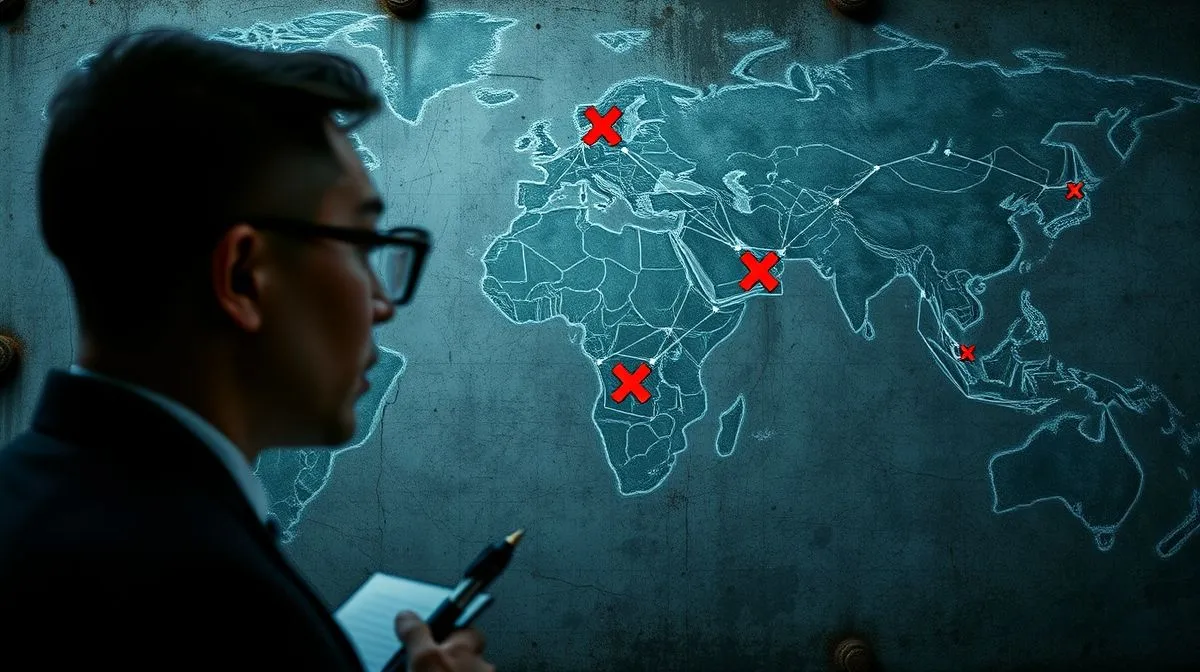
Your immediate task is to identify every single point in your supply chain that could be affected. This isn't just about direct suppliers or customers; it extends to their suppliers, logistics providers, financial intermediaries, and even the ultimate end-users of your products.
- Map Your Entire Supply Chain: Go beyond Tier 1. Understand your Tier 2 and Tier 3 suppliers, and the origins of critical components.
- Identify Affected Parties: Cross-reference all entities (companies, individuals, vessels, aircraft) in your supply chain against sanctions lists (e.g., OFAC's SDN List, EU Consolidated List). Automated screening tools are invaluable here.
- Assess Transactional Exposure: Determine which specific contracts, shipments, or financial transactions are directly or indirectly impacted. Quantify the financial value at risk.
- Understand Geographic Impact: Pinpoint regions, ports, or transit points that are now off-limits or high-risk due to sanctions.
This initial mapping provides a clear picture of the challenge. Without it, any subsequent strategy will be based on assumptions, not facts.
Legal Counsel & Compliance Review
This is not a do-it-yourself situation. The moment you suspect or confirm a sanctions block, your first call should be to experienced legal counsel specializing in international trade and sanctions law. They can provide precise interpretations of complex regulations and guide your next steps.
Expert Insight: "In the intricate world of international sanctions, a single misstep can lead to crippling fines, reputational damage, and even criminal charges. Never rely on internal interpretations alone; engage qualified legal experts immediately to navigate the nuances and ensure full compliance."
Your legal team will help you review existing contracts for force majeure clauses, assess potential liabilities, and advise on communication with affected parties. They will also guide you through any necessary reporting requirements to relevant government authorities.
Strategic Re-routing and Diversification: Building Resilience
Once the immediate crisis is contained and understood, the focus shifts to strategic adaptation. This is where you proactively build resilience into your supply chain.
Exploring Alternative Sourcing and Production Locations
The most direct response to a blocked supply line is to find an alternative. This requires a systematic approach to identifying, vetting, and onboarding new partners in non-sanctioned jurisdictions.
- Identify Critical Components/Materials: Determine which inputs are irreplaceable or pose the highest risk of disruption.
- Research Alternative Markets: Look for countries with strong manufacturing capabilities, stable political environments, and no sanctions risk related to your needs.
- Conduct Thorough Due Diligence: Beyond basic business checks, conduct enhanced sanctions screening on all new potential partners and their ultimate beneficial owners.
- Qualify New Suppliers: Ensure new suppliers meet your quality, volume, and delivery requirements. This often involves site visits and robust testing protocols.
Consider strategies like nearshoring or reshoring, which, while potentially more expensive, can significantly reduce geopolitical risk. The long-term benefits of a more resilient supply chain often outweigh the initial cost increase.
Diversifying Logistics and Payment Channels
Sanctions don't just block goods; they often block the means of moving them and paying for them. You need contingency plans for both.
- Alternative Shipping Routes: Explore new port options, land routes, or air freight alternatives that bypass sanctioned territories or entities. This might involve different shipping lines or freight forwarders.
- New Payment Pathways: Sanctions often target financial institutions. Identify banks in non-sanctioned jurisdictions that are willing and able to facilitate your transactions. Be prepared for increased scrutiny and potentially higher fees.
- Exploring Barter or Offset Agreements: In very specific, high-stakes scenarios, some businesses might explore non-traditional payment methods, though these come with their own complexities and legal considerations.
Case Study: Phoenix Global's Supply Chain Resurgence
Phoenix Global, a mid-sized electronics manufacturer, found its critical rare-earth mineral supply blocked by new sanctions imposed on its primary sourcing country. The initial shock was immense, threatening to halt production. Instead of panicking, they activated a pre-existing contingency plan. Their legal team immediately assessed the sanctions' scope, confirming the block. Simultaneously, their procurement team had already identified and pre-vetted three alternative suppliers in different, non-sanctioned regions during a previous supply chain risk assessment exercise. Within two weeks, Phoenix Global initiated pilot orders with two of these new suppliers, diversifying their sourcing base and resuming critical production lines at 70% capacity within a month. This proactive planning, driven by a commitment to resilience, allowed them to mitigate a potential multi-million dollar loss and maintain market share.
Navigating Contractual Obligations and Force Majeure
When sanctions hit, your existing contracts become a minefield. Understanding your rights and obligations, and those of your partners, is paramount.
Reviewing Existing Contracts
Focus on clauses related to unforeseen circumstances. The most relevant are:
- Force Majeure Clauses: Do these clauses specifically cover government actions, sanctions, or embargoes? The exact wording can determine whether a party is excused from performance.
- Material Adverse Change (MAC) Clauses: These allow a party to terminate or renegotiate a contract if a significant event fundamentally alters the deal's economic basis.
- Governing Law and Dispute Resolution: Identify the jurisdiction whose laws govern the contract and the specified method for dispute resolution (e.g., arbitration). This determines where and how disputes will be handled.
It's crucial to understand that simply being unable to perform due to sanctions may not automatically trigger a force majeure. The specific language of your contract and the governing law will dictate the outcome.
Renegotiating and Restructuring Agreements
Even if a force majeure clause doesn't fully excuse performance, open communication and negotiation with your partners are vital. Many parties prefer to find a mutually agreeable solution rather than face lengthy and costly litigation.
- Communicate Transparently: Inform affected partners promptly and clearly about the sanctions' impact and your efforts to find solutions.
- Propose Alternatives: Suggest alternative delivery schedules, payment terms, or sourcing arrangements.
- Seek Partial Performance: Can certain parts of the contract still be fulfilled?
- Consider Termination Agreements: If continuing is impossible, seek an amicable termination that minimizes financial and reputational damage for both sides.
In my experience, preserving long-term relationships, even in the face of a crisis, often yields greater value than strictly enforcing contractual rights to the detriment of a partner.
Enhancing Compliance Frameworks and Due Diligence
Sanctions are dynamic. What was permissible yesterday might be illegal today. Continuous vigilance and robust internal compliance are your best defense.
Implementing Robust Sanctions Screening
Manual screening is no longer sufficient for complex global operations. You need automated, integrated systems for ongoing screening of all parties you interact with.
- Automated Screening Tools: Invest in software that constantly screens your customer, supplier, and partner databases against consolidated sanctions lists.
- Real-time Monitoring: Set up alerts for changes in sanctions lists that could affect your existing relationships.
- Beneficial Ownership Due Diligence: Go beyond direct entities to identify ultimate beneficial owners, as sanctions often target individuals who control companies.
According to a recent report by Thomson Reuters, companies that invest in robust, automated compliance programs significantly reduce their risk of sanctions violations and associated penalties. This isn't just a cost; it's an essential investment in business continuity and reputation.
Training and Internal Awareness Programs
Your compliance framework is only as strong as its weakest link. Every employee involved in international trade, from sales to logistics to finance, must understand the basics of sanctions compliance.
- Regular Training Sessions: Conduct mandatory, recurring training for relevant staff, covering the latest sanctions regimes, red flags, and reporting procedures.
- Clear Policies and Procedures: Develop and disseminate clear, easy-to-understand internal policies on sanctions compliance, outlining roles and responsibilities.
- Whistleblower Mechanisms: Establish secure channels for employees to report potential violations or concerns without fear of reprisal.
Fostering a culture of compliance where employees feel empowered and responsible for upholding sanctions laws is crucial. It transforms compliance from a mere burden into a shared commitment to ethical and legal conduct.
Engaging with Governments and Regulatory Bodies
Sometimes, the solution lies not just in internal adjustments but in external engagement with the very bodies imposing the sanctions.
Seeking Licenses and Exemptions
Certain activities, even those involving sanctioned entities or regions, may be permissible under a specific license or exemption. These are usually granted on a case-by-case basis for humanitarian purposes, certain types of trade (e.g., food, medicine), or to wind down existing operations.
- Understand the Criteria: Each regulatory body has specific criteria for granting licenses. Research these thoroughly before applying.
- Prepare a Detailed Application: Your application must be comprehensive, clearly stating the purpose, parties involved, and the specific relief sought.
- Engage Legal Counsel: Applying for licenses is a complex legal process. Expert legal guidance significantly increases your chances of success.
It's worth noting that while possible, obtaining licenses can be a lengthy and uncertain process, so it should not be your sole strategy when international trade sanctions block your supply chain.
Advocating for Policy Adjustments
In rare but impactful cases, industry bodies or groups of affected businesses can collectively advocate for policy adjustments or clarifications. This is particularly relevant when sanctions have unintended negative consequences that weren't the initial policy objective.
Joining industry associations, participating in trade dialogues, and providing well-researched impact assessments to relevant government departments can contribute to a better understanding of the sanctions' real-world effects. While this is a long-term strategy, it highlights the importance of collective action in shaping the regulatory environment.
Long-Term Resilience: Beyond the Immediate Crisis
The true mark of a resilient business isn't just how it reacts to a crisis, but how it prepares for the next one. Building long-term resilience is about embedding geopolitical awareness into your core business strategy.
Scenario Planning and Stress Testing
Don't wait for the next crisis. Proactively model potential disruptions and stress-test your supply chain against various geopolitical scenarios. This could include:
- A major trading partner imposing new, broad sanctions.
- A key production region becoming unstable.
- Major shipping lanes being disrupted.
By simulating these events, you can identify vulnerabilities, develop contingency plans, and allocate resources to strengthen your weakest links before they break. This proactive approach turns potential threats into manageable risks.
Building a Geopolitically Agile Supply Chain
The goal is to move beyond mere recovery to genuine agility. This means designing your supply chain to be inherently flexible and adaptable to geopolitical shifts. It's about diversifying your supplier base across multiple geographies, building redundancy into your logistics, and fostering strong relationships with a wider network of partners.
Strategic Wisdom: "As the esteemed strategist Peter Drucker famously asserted, 'The greatest danger in times of turbulence is not the turbulence; it is to act with yesterday's logic.' Today's global trade demands tomorrow's foresight. Building a truly resilient supply chain means embracing geopolitical agility as a core competitive advantage, not just a reactive measure."
This long-term vision requires ongoing investment in data analytics, geopolitical intelligence, and a culture of continuous risk assessment. It's an evolving process, but one that is absolutely essential for sustained success in global commerce.
Frequently Asked Questions (FAQ)
Question? What is the absolute first step I should take when I discover international trade sanctions block my supply chain?
Answer: Your immediate first step should be to halt any transactions or activities that could potentially violate the new sanctions. Then, simultaneously engage expert legal counsel specializing in international trade and sanctions law and begin a rapid internal assessment to identify all directly and indirectly affected parts of your supply chain (suppliers, customers, routes, payment channels). Do not attempt to interpret complex sanctions regulations on your own.
Question? Can a 'force majeure' clause in my contracts automatically excuse me from performance due to sanctions?
Answer: Not necessarily. While force majeure clauses are designed for unforeseen circumstances, their applicability to sanctions depends entirely on the specific wording of the clause and the governing law of the contract. Some clauses explicitly list sanctions or governmental actions, while others may not. Even if applicable, you might still have a duty to mitigate damages or provide notice. Always have legal experts review your contracts.
Question? How frequently should I screen my existing customers and suppliers for sanctions compliance?
Answer: Sanctions lists are dynamic and can change daily. Therefore, I strongly recommend implementing an automated, continuous screening process for all existing and new business partners. At a minimum, daily or weekly automated checks are advisable for active relationships, coupled with real-time alerts for any changes to relevant sanctions lists. One-off screening during onboarding is insufficient for ongoing compliance.
Question? What if the sanctions regulations are ambiguous or unclear regarding my specific situation?
Answer: Ambiguity is common in sanctions law. In such cases, the safest approach is to consult your legal counsel immediately. They can help interpret the regulations, assess the risk, and potentially advise on seeking official guidance or a specific license from the relevant sanctions authority (e.g., OFAC in the U.S.). Acting without clarity significantly increases your risk exposure.
Question? Is it ever possible to completely avoid sanctions risk in international trade?
Answer: In an interconnected global economy, completely eliminating sanctions risk is virtually impossible for any business engaged in international trade. The goal is not eradication, but effective risk management and mitigation. This involves robust compliance programs, continuous monitoring, strategic supply chain diversification, and proactive scenario planning. By building resilience, you can minimize the impact when risks materialize.
Recommended Reading
- Unlock the Future: How Will Immigration Reform Impact Family Visas?
- Unmasking Hidden Dangers: How to Identify Antitrust Issues in Corporate Deals?
- Protect Your Innovation: How to Secure IP in Multiple Countries
- The Ultimate Guide: How to Challenge an Involuntary Nursing Home Discharge
- Unraveling the Enigma: What are the Challenges Enforcing International Court Rulings?
Key Takeaways and Final Thoughts
- Proactive Preparation is Paramount: Don't wait for sanctions to hit. Invest in supply chain mapping, contingency planning, and legal counsel BEFORE a crisis emerges.
- Compliance is Non-Negotiable: Robust, automated sanctions screening and comprehensive employee training are fundamental to navigating complex regulations and avoiding severe penalties.
- Diversification is Key to Resilience: Explore alternative sourcing, logistics, and payment channels across multiple geographies to build an agile and adaptable supply chain.
- Engage Experts and Communicate: Lean on specialized legal counsel and maintain transparent communication with all affected stakeholders, including your partners and, where appropriate, government bodies.
The landscape of international trade is undeniably complex and increasingly fraught with geopolitical risk. However, by embracing a strategic, proactive, and resilient mindset, businesses can transform the daunting challenge of sanctions into an opportunity to build stronger, more adaptable, and ultimately more successful global operations. My hope is that this guide empowers you to not just survive, but truly thrive, no matter what invisible walls may arise.




Comments
Leave a comment below. Your email will not be published. Required fields marked with *