


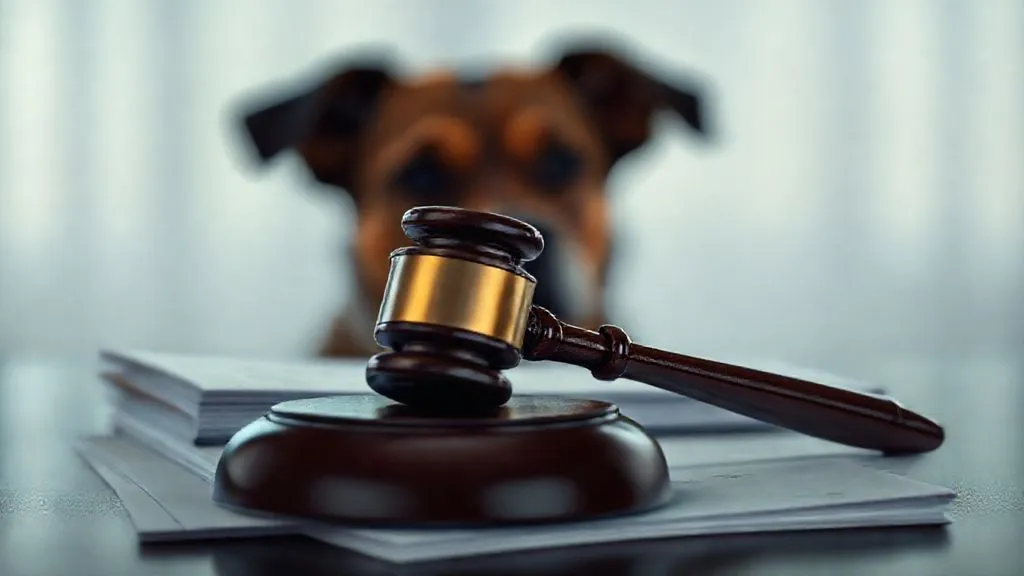
Countering 'Provocation' Defense in a Serious Dog Bite Claim?
For over two decades in personal injury law, specifically navigating the intricate landscape of dog bite cases, I've witnessed the 'provocation' defense emerge as a formidable obstacle for victims. It's a tactic often employed by dog owners and their insurance companies to shift blame, implying the victim's actions somehow incited the attack. This defense, if unchallenged effectively, can derail an otherwise legitimate claim, leaving victims with significant injuries and no recourse.
The emotional toll of a dog bite is immense, often compounded by physical pain, scarring, and psychological trauma. To then be accused of 'provoking' the animal can feel like a secondary attack, leaving victims feeling isolated, misunderstood, and unjustly blamed. This defense preys on common misconceptions about animal behavior and can be incredibly difficult for an unrepresented individual to overcome.
This comprehensive guide is designed to empower you with the knowledge and actionable strategies necessary for countering 'provocation' defense in a serious dog bite claim. Drawing from my extensive experience, I'll provide you with a robust framework for gathering evidence, understanding legal nuances, and strategically positioning your case to demonstrate that the attack was unprovoked, ensuring justice for your injuries.
Understanding the 'Provocation' Defense: A Legal Minefield
Before we can effectively counter the 'provocation' defense, it's crucial to understand what it entails and how it's typically deployed. In essence, a dog owner arguing provocation asserts that the victim's actions, whether intentional or unintentional, caused the dog to bite. This could range from teasing or tormenting the animal to simply startling it or invading its perceived territory.
What Constitutes Provocation? Navigating Ambiguity
The legal definition of 'provocation' can vary significantly from state to state, and even from jurisdiction to jurisdiction. Generally, it refers to any act that reasonably causes a dog to react defensively. Common examples cited often include:
- Teasing or Taunting: Waving objects, pulling tails, hitting.
- Intruding on Space: Disturbing a sleeping dog, taking its food or toys, entering its crate.
- Startling: Approaching a dog suddenly from behind, making loud noises, or sudden movements.
- Threatening Behavior: Perceived threats to the dog or its offspring/owner.
However, the key word here is 'reasonable.' What one person considers reasonable provocation, another might see as benign interaction. This ambiguity is precisely what makes the defense so challenging and why expert legal guidance is indispensable. For instance, a child innocently attempting to pet a dog might be deemed 'provocative' by the defense, despite the child having no malicious intent.
The Burden of Proof: Why it Matters
In most legal systems, the party asserting a defense carries the burden of proving it. This means the dog owner or their legal team must present sufficient evidence to convince a judge or jury that your actions indeed provoked the dog. Without strong counter-evidence, their narrative can take hold, severely undermining your claim.
Expert Insight: "The 'provocation' defense is often a first line of attack for dog owners and insurers. They aim to muddy the waters early, hoping to settle for less or dismiss the claim entirely. Your immediate actions and meticulous evidence gathering are your first and best defense against this strategy."
Understanding this burden of proof allows us to strategically focus on dismantling their claims by presenting a clear, coherent narrative supported by irrefutable evidence that demonstrates your lack of provocation.
Immediate Post-Incident Actions: Laying the Groundwork for Your Defense
The moments immediately following a dog bite are critical, not just for your health, but for preserving crucial evidence that will be vital in countering 'provocation' defense in a serious dog bite claim. As an experienced attorney, I've seen countless cases strengthened or weakened by what was (or wasn't) done in those initial hours and days.
- Seek Immediate Medical Attention: Your health is paramount. Even if the bite seems minor, dog bites can lead to serious infections, nerve damage, and other complications. Documenting your injuries by medical professionals creates an official record, detailing the severity and nature of the bite. This record is indisputable evidence of harm.
- Document Everything Extensively: This is perhaps the most crucial step. Use your smartphone to take photos and videos of everything: your injuries (from multiple angles, over time as they heal/worsen), the location of the attack, the dog involved, any visible damage to your clothing, and any surrounding factors that might be relevant (e.g., broken fence, 'Beware of Dog' sign).
- Identify the Dog and Owner: If possible and safe, get the owner's name, address, phone number, and insurance information. Note the dog's breed, size, and distinguishing features. If the owner is uncooperative, try to get vehicle license plate numbers or witness contact information.
- Secure Witness Statements: Anyone who saw the incident or the moments leading up to it is a potential witness. Get their contact information immediately. Even a brief written statement or a recorded verbal account on your phone can be invaluable. Ask them what they observed about your actions and the dog's behavior.
- Report the Bite to Authorities: Contact your local animal control or police department. Filing an official report creates a public record of the incident. This report will often include details about the dog, the owner, and initial observations about the circumstances of the bite, which can be critical in establishing facts.
By taking these immediate steps, you begin building an irrefutable body of evidence that can stand up against any claims of provocation. Remember, the defense will look for gaps in your story; proactive documentation closes those gaps.

Deconstructing the Accusation: Types of Evidence to Counter Provocation
When faced with a 'provocation' defense, your primary goal is to present a compelling narrative supported by concrete evidence that demonstrates your non-provocative conduct. This involves strategically collecting and presenting various forms of evidence.
Eyewitness Testimonies: The Power of Independent Accounts
Independent eyewitnesses can be incredibly powerful. Their accounts, free from personal bias, can corroborate your version of events. If a witness saw the entire interaction, their testimony can directly refute claims that you teased, threatened, or otherwise provoked the dog. It's crucial to secure these statements as early as possible, as memories fade and details become muddled over time. A seasoned attorney will know how to properly depose witnesses and present their testimony effectively.
Video and Photographic Evidence: Unassailable Proof
In today's interconnected world, video and photographic evidence are often the most objective forms of proof. Surveillance cameras (CCTV), doorbell cameras (Ring, Nest), dash cams, or even bystander smartphone footage can provide an irrefutable timeline of events. This visual evidence can directly show your actions leading up to the bite, proving you were simply walking by, standing still, or attempting to avoid the animal, thus directly countering 'provocation' defense in a serious dog bite claim.
Expert Testimony: Animal Behaviorists and Veterinarians
When the defense argues provocation based on dog behavior, an expert in animal behavior can be an invaluable asset. A certified animal behaviorist or a veterinarian with expertise in aggression can analyze the incident based on your account, witness statements, and even the dog's history. They can provide an expert opinion on whether the dog's reaction was typical for an unprovoked attack, or if your actions truly constituted a threat from an animal's perspective. For instance, they can explain that a dog's charge might not be due to a raised hand, but rather a pre-existing fear aggression.
Victim's Conduct: Demonstrating Innocence
Your own testimony and conduct are central. It's not just about what you *didn't* do (provoke), but also what you *were* doing. Were you walking on a public sidewalk? Were you retrieving a ball from your own yard? Were you simply standing still? Documenting your normal, non-threatening activities leading up to the incident is crucial. Your attorney will help you articulate your experience clearly and consistently.

Here's a breakdown of evidence types and their utility:
| Evidence Type | Strength in Provocation Defense | Key Considerations |
|---|---|---|
| Witness Testimony | High (independent verification) | Credibility, consistency |
| Video/Photos | Very High (objective, undeniable) | Clarity, timestamp, authenticity |
| Animal Behaviorist Expert | High (scientific assessment) | Expert's qualifications, report detail |
| Medical Records | Medium (establishes injury, not cause) | Detail of injury, consistency with attack |
Legal Frameworks and Precedent: Leveraging the Law in Your Favor
Understanding the specific laws governing dog bites in your state is fundamental to effectively countering 'provocation' defense in a serious dog bite claim. Dog bite laws vary widely, impacting how provocation is viewed and the burden of proof required.
State-Specific Dog Bite Laws: Strict Liability vs. One-Bite Rule
Most states fall into one of two categories when it comes to dog bite liability:
- Strict Liability States: In these states, dog owners are held liable for bites regardless of whether they knew their dog had a propensity for aggression. The victim generally doesn't need to prove negligence. Provocation is often one of the few defenses available in strict liability states, meaning the owner must prove the victim provoked the dog. States like California and Michigan operate under strict liability statutes. You can find more detailed information on state-specific laws at resources like Nolo.com's dog bite laws guide.
- One-Bite Rule States: In these states, owners are generally only liable if they knew or should have known their dog had a propensity to bite or be aggressive. This is often proven if the dog has bitten someone before (hence 'one-bite'). Even in one-bite states, if the owner's negligence (e.g., failing to leash, secure, or warn) contributed to the bite, they may still be held liable. Provocation can still be a defense, but if there's a history of aggression, the defense's argument is significantly weakened. Texas and New York are examples of states that traditionally follow variations of the one-bite rule.
The Role of Negligence: Owner Responsibility
Beyond strict liability or the one-bite rule, the concept of negligence is crucial. An owner can be found negligent if they failed to exercise reasonable care to prevent their dog from causing harm. This could include:
- Failing to properly leash or confine the dog.
- Allowing the dog to roam freely.
- Ignoring known aggressive tendencies.
- Failing to warn others about a dog's aggressive nature.
If you can establish owner negligence, it significantly strengthens your case, even in states where provocation is a defense. It shifts the focus from your actions to the owner's failure to control their animal responsibly.
Prior Incidents: Establishing a Pattern of Aggression
Discovering if the dog has a history of aggression or prior bites is a game-changer. Animal control records, neighbor testimonies, or even social media posts can reveal a pattern of dangerous behavior. If the dog has a history, it directly refutes the idea that your actions were uniquely provocative; instead, it suggests the dog has a general aggressive propensity that the owner failed to control. This is a critical avenue for investigation for any experienced personal injury attorney.
Expert Insight: "Never underestimate the power of local ordinances and prior incident reports. Animal control records, even if they didn't lead to formal charges, can paint a clear picture of a dog's temperament and an owner's history of negligence, making 'provocation' an incredibly tough sell for the defense."
| Legal Principle | Description | Impact on Provocation | States Example |
|---|---|---|---|
| Strict Liability | Owner liable regardless of prior knowledge if certain conditions met. | Makes defense harder to prove, but still possible. | California, Michigan |
| One-Bite Rule | Owner liable only if they knew or should have known of dog's dangerous propensities. | Provocation still a strong defense, but prior bites weaken it. | Texas, New York |
| Negligence | Owner failed in duty to control dog, leading to injury. | Victim's conduct can be compared to owner's negligence. | Many states (often alongside other rules) |
Case Study: Turning the Tide Against a Provocation Claim
The Case of Mrs. Henderson's Morning Walk
I recall a particularly challenging case involving Mrs. Henderson, a 68-year-old retired teacher who was severely bitten by a neighbor's Rottweiler while on her usual morning walk. The dog, known to be aggressive, was behind a flimsy fence, which it easily jumped. The owner immediately claimed Mrs. Henderson had 'provoked' the dog by walking too close to the fence and making eye contact, implying she challenged the animal.
Our investigation, however, quickly revealed a different story. We secured surveillance footage from a nearby business that showed Mrs. Henderson walking calmly on the public sidewalk, maintaining a respectful distance from the fence line. There was no sudden movement, no eye contact, and certainly no taunting. Furthermore, we discovered multiple prior complaints to animal control about this specific dog's aggressive behavior towards other pedestrians, none of which had been adequately addressed by the owner.
By combining the objective video evidence with the dog's documented history of aggression and testimony from an animal behaviorist who explained that the dog's behavior was consistent with territorial aggression rather than a reaction to provocation, we systematically dismantled the defense's claims. The owner's 'provocation' defense crumbled, and Mrs. Henderson received a significant settlement that covered her extensive medical bills, lost quality of life, and pain and suffering. This case perfectly illustrates the power of diligent investigation and a multi-faceted approach to countering 'provocation' defense in a serious dog bite claim.
Strategic Litigation: Navigating the Courtroom Battle
Even with strong evidence, a dog bite claim can become a complex legal battle, especially when the 'provocation' defense is at play. This is where strategic litigation and experienced legal representation become absolutely vital.
Discovery Process: Uncovering the Truth
The discovery phase of a lawsuit allows both parties to obtain evidence from each other. For the victim, this means requesting documents from the dog owner, such as veterinary records, dog training certificates, and communication logs with animal control. We can also depose the dog owner and any witnesses they claim saw the 'provocation.' This process is crucial for uncovering inconsistencies in their story and gathering evidence to support our counter-arguments.
Cross-Examination Techniques: Challenging the Defense Narrative
In court, an experienced attorney will skillfully cross-examine the dog owner and their witnesses. This involves asking precise questions designed to expose weaknesses in their 'provocation' claims, highlight their own negligence, or reveal any prior knowledge of the dog's aggressive tendencies. A well-executed cross-examination can be incredibly effective in demonstrating to the jury that the provocation defense lacks merit.
Mediation and Settlement: When to Negotiate
While preparing for trial is essential, many personal injury cases settle out of court through negotiation or mediation. When you have a strong case with compelling evidence that effectively counters the provocation defense, the dog owner's insurance company may be more inclined to offer a fair settlement. Your attorney's ability to demonstrate the strength of your case and their readiness to go to trial provides significant leverage in these negotiations.

Common Misconceptions About Provocation and Dog Behavior
Part of effectively countering 'provocation' defense in a serious dog bite claim involves dispelling common myths about dog behavior that often fuel these defense arguments. Many people, including some jurors, hold inaccurate beliefs about how dogs perceive and react to human interaction.
- Myth 1: "Dogs always give warning signs before biting." While many dogs do display warning signals (growling, baring teeth, stiffening), not all do, especially if they are highly stressed, poorly socialized, or have a history of aggression. Some dogs may bite with little to no discernible warning, making 'provocation' claims dubious.
- Myth 2: "Children always provoke dogs." This is a dangerous generalization. While children can unintentionally startle or interact inappropriately with dogs due to their limited understanding of animal cues, blaming the child absolves the adult owner of their responsibility to supervise both the child and the dog.
- Myth 3: "A dog guarding its property is justified in biting." While dogs have territorial instincts, owners still have a legal duty to secure their animals and prevent them from harming others, especially those lawfully on or near the property. A dog's natural instinct does not automatically equate to justified aggression against a non-provocative individual.
- Myth 4: "Eye contact with a dog is always a provocation." While direct, prolonged eye contact can be perceived as a challenge by some dogs, particularly those with existing anxiety or aggression, it is not universally a provocative act. Many friendly dogs engage in eye contact, and simply glancing at a dog from a distance is rarely a justifiable cause for attack.
Educating the court and jury on these nuances through expert testimony from certified animal behaviorists, like those often consulted by organizations such as the ASPCA, is crucial for separating fact from fiction and ensuring a fair assessment of the incident.

The Importance of Experienced Legal Counsel
Navigating a serious dog bite claim, especially one complicated by a 'provocation' defense, is not something you should attempt alone. The legal complexities, the burden of proof, and the emotional toll require the guidance of an attorney specializing in personal injury law and, ideally, one with extensive experience in dog bite cases.
An experienced attorney will:
- Investigate Thoroughly: They know what evidence to look for, how to gather it legally, and how to preserve it. This includes securing witness statements, obtaining animal control records, and identifying potential surveillance footage.
- Understand State Laws: They are intimately familiar with your state's specific dog bite statutes, strict liability rules, and how comparative negligence or provocation defenses are applied.
- Work with Experts: They have a network of animal behaviorists, medical professionals, and other experts who can provide crucial testimony to support your claim and refute the defense.
- Negotiate with Insurance Companies: Insurance adjusters are trained to minimize payouts. Your attorney will handle all communications, ensuring your rights are protected and you receive fair compensation.
- Represent You in Court: If a fair settlement cannot be reached, your attorney will be prepared to take your case to trial, presenting your evidence persuasively and cross-examining defense witnesses effectively.
Hiring the right legal counsel is not just about having someone represent you; it's about having a strategic partner who understands how to build an unassailable case and effectively overcome the challenges of countering 'provocation' defense in a serious dog bite claim. You can find resources on selecting legal counsel through organizations like the American Bar Association.
Frequently Asked Questions (FAQ)
Q: What if I was on the dog owner's property when I was bitten? Does that automatically mean I provoked the dog?
A: Not necessarily. Your legal status on the property (e.g., invited guest, licensee, trespasser) significantly impacts the owner's duty of care. Even if you were a trespasser, the owner generally cannot intentionally or recklessly cause harm. If you were an invited guest, the owner likely owed you a higher duty to ensure their dog was controlled. The defense would still need to prove your actions, not your presence, constituted provocation.
Q: Does my emotional distress count as a serious injury in a dog bite claim?
A: Yes, absolutely. Emotional distress, psychological trauma, PTSD, anxiety, and fear are legitimate and often profound injuries resulting from a serious dog bite. These are considered non-economic damages and are compensable. Documenting these impacts through therapy records, psychological evaluations, and personal journals is crucial for your claim.
Q: Can a dog's past aggression history be used as evidence even if it didn't result in a formal bite report?
A: Yes, it can be very valuable. Even if no formal reports exist, testimony from neighbors, mail carriers, or delivery drivers about the dog's aggressive behavior (e.g., lunging, growling, attempting to bite) can establish the owner's knowledge of the dog's dangerous propensities, weakening a provocation defense. This falls under the 'one-bite rule' principle in many states.
Q: What if there were no witnesses to the dog bite? Can I still successfully counter a provocation defense?
A: While witnesses are incredibly helpful, their absence does not doom your case. Your own detailed testimony, combined with photographic evidence of the scene and injuries, medical records, and expert testimony from animal behaviorists, can still build a strong claim. The consistency and credibility of your account become even more vital.
Q: How long do I have to file a dog bite claim? (Statute of Limitations)
A: The timeframe for filing a personal injury lawsuit, including dog bite claims, is governed by a 'statute of limitations,' which varies by state. This period typically ranges from one to three years from the date of the incident. It's crucial to consult with an attorney immediately to ensure you don't miss this critical deadline, as doing so can permanently bar your claim.
Key Takeaways and Final Thoughts
Countering 'provocation' defense in a serious dog bite claim demands a meticulous, strategic approach. It's a battle against blame, often waged by insurance companies seeking to minimize their liability. However, armed with the right knowledge and expert guidance, victims can and do prevail.
- Act Immediately: Document everything, seek medical attention, and report the incident.
- Gather Diverse Evidence: Leverage photos, videos, witness accounts, and expert opinions.
- Understand Your State's Laws: Know whether strict liability or the one-bite rule applies, and how negligence factors in.
- Challenge Misconceptions: Be prepared to educate on accurate dog behavior.
- Secure Expert Legal Counsel: A specialized personal injury attorney is your strongest ally.
Never let the fear of a 'provocation' defense deter you from seeking justice for a serious dog bite. Your injuries are real, your suffering is valid, and with the right strategy, you can hold negligent dog owners accountable. Take the first step today by consulting with an experienced legal professional who can guide you through this complex process and fight for the compensation you deserve.
Recommended Reading
- Mastering Global Law: How to Reconcile Conflicting Legal Frameworks
- 7 Proven Strategies: Cut Severance Costs, Ensure Legal Compliance
- PFAS Limits: 7 Steps to Mitigate Wastewater Discharge Legal Risks
- 7 Proven Strategies: How to Prevent International Trademark Infringement in China?
- 7 Steps: Effectively Appeal Adverse Federal Agency Licensing Decisions




Comments
Leave a comment below. Your email will not be published. Required fields marked with *