



How to minimize legal liability from vessel oil spill?
For over 25 years in the intricate world of maritime law, I've witnessed firsthand the catastrophic ripple effects a vessel oil spill can unleash. It’s not just an environmental disaster; it’s a legal and financial maelstrom that can capsize even the most robust shipping companies. I’ve seen reputations painstakingly built over decades crumble overnight, and balance sheets bleed red from fines, clean-up costs, and litigation.
The regulatory landscape is a complex web of international conventions like MARPOL and domestic laws such as the U.S. Oil Pollution Act of 1990 (OPA 90), each carrying stringent liability provisions. The potential for unlimited liability in certain scenarios, coupled with the immense costs of environmental remediation and third-party damages, presents an existential threat. This isn't just about paying fines; it's about navigating a labyrinth of legal claims, reputational damage, and operational disruptions that can cripple an enterprise.
But here’s the critical insight I want to share: significant legal liability from vessel oil spills is not an inevitability. Through proactive measures, diligent compliance, and robust preparedness, you can dramatically mitigate your exposure. In this definitive guide, I will share the actionable frameworks, real-world strategies, and expert insights that I've seen successfully protect maritime operators. We will explore how to minimize legal liability from vessel oil spill by building an impenetrable defense.
1. Proactive Compliance: The First Line of Defense
In my experience, the bedrock of minimizing oil spill liability lies in an unwavering commitment to proactive compliance. Simply ticking boxes isn't enough; it's about embedding a culture where regulatory adherence is paramount, not an afterthought. This means staying ahead of evolving environmental maritime laws and ensuring every vessel operation aligns with the strictest standards.
Understanding OPA 90 and International Conventions
The U.S. Oil Pollution Act of 1990 (OPA 90) fundamentally reshaped oil spill liability in U.S. waters, imposing strict liability on responsible parties for removal costs and damages. Internationally, conventions like MARPOL 73/78 (International Convention for the Prevention of Pollution from Ships) set global standards for preventing marine pollution. Understanding these frameworks isn't optional; it's a necessity for any vessel operator trading globally.
I always advise clients to consider these as minimum standards, not aspirational goals. Going beyond mere compliance often provides an additional layer of protection in court. For instance, voluntarily adopting higher industry best practices or certifications can demonstrate a commitment to environmental stewardship that resonates positively with regulators and judges.
- Establish a Dedicated Compliance Officer: Appoint a senior individual responsible for overseeing all environmental compliance efforts, ensuring clear accountability.
- Regular Regulatory Audits: Conduct internal and external audits frequently to identify potential compliance gaps before they become critical issues.
- Stay Updated on Legislative Changes: Subscribe to industry alerts and engage with maritime legal experts to understand new regulations and amendments as they emerge.
- Implement a Document Control System: Maintain meticulous records of all compliance activities, inspections, training, and maintenance. This documentation is your strongest ally in any legal challenge.
- Integrate Compliance into Operations: Ensure environmental regulations are seamlessly integrated into daily operational procedures, rather than being treated as separate tasks.
“Compliance isn't a burden; it's an investment in your company’s future and a shield against catastrophic liability. A robust compliance culture transforms potential weaknesses into strengths.”
Adhering to these principles, and continuously reviewing your compliance posture, is your first and most vital step on **how to minimize legal liability from vessel oil spill?**.
2. Robust Vessel Maintenance and Operational Excellence
Beyond regulatory compliance, the physical integrity and operational precision of your fleet are paramount. A poorly maintained vessel is a ticking time bomb, regardless of how many compliance certificates it holds. I've seen cases where a minor mechanical failure, easily preventable with proper maintenance, escalated into a major spill event, leading to devastating legal consequences.
Implementing a Comprehensive Preventative Maintenance System
A proactive preventative maintenance system is crucial for identifying and rectifying potential sources of leaks or structural weaknesses before they compromise containment. This goes far beyond routine checks; it involves predictive analysis and scheduled overhauls based on equipment lifespan and operational stress. Every component, from cargo tanks to piping systems and bunker lines, must be meticulously inspected and maintained.
- Regular Hull and Tank Inspections: Implement a rigorous schedule for inspecting hull integrity, cargo tanks, bunker tanks, and associated piping for corrosion, fatigue cracks, or other damage.
- Machinery and Equipment Overhauls: Adhere strictly to manufacturer recommendations and classification society requirements for engine overhauls, pump maintenance, and valve inspections.
- Crew Training on Equipment Operation: Ensure all crew members are expertly trained in the correct operation of all vessel systems, including emergency shutdown procedures.
- Leak Detection Systems: Install and regularly test advanced leak detection systems in critical areas, such as engine rooms, pump rooms, and cargo holds, to provide early warnings.
- Bunker Transfer Protocols: Enforce strict protocols for bunkering operations, including pre-transfer checks, continuous monitoring, and clear communication between vessel and bunker barge.
Operational excellence extends to every maneuver and decision made on board. This includes accurate navigation, safe cargo handling, and meticulous record-keeping of all operational parameters. Any deviation from best practices significantly elevates risk.

Investing in the highest standards of maintenance and operational training is not an expense; it’s a critical investment in liability prevention. It directly addresses **how to minimize legal liability from vessel oil spill?** by tackling the root causes of spills.
3. Developing an Ironclad Oil Spill Response Plan (OSRP)
Even with the most stringent preventative measures, accidents can happen. When they do, the speed and effectiveness of your initial response are paramount in mitigating both environmental damage and legal liability. An ironclad Oil Spill Response Plan (OSRP) isn't merely a regulatory requirement; it's your operational blueprint for crisis management.
Key Components of an Effective OSRP
An effective OSRP must be comprehensive, practical, and regularly updated. It needs to clearly define roles, responsibilities, communication protocols, and resource allocation. I often emphasize that a plan gathering dust on a shelf is useless; it must be a living document, known and understood by all relevant personnel.
- Clear Command and Control Structure: Define who is in charge, who reports to whom, and how decisions are made during a spill event.
- Immediate Notification Procedures: Outline precise steps for notifying relevant authorities (e.g., Coast Guard, port authorities, flag state) within the mandated timeframes.
- Spill Containment and Recovery Strategies: Detail the specific equipment (booms, skimmers, absorbents) available on board or through pre-contracted spill response organizations, and how it will be deployed.
- Shore-Based Support Coordination: Establish clear lines of communication and agreements with shore-based response teams, salvage experts, and environmental consultants.
- Drill and Exercise Program: Conduct regular, realistic drills and exercises (tabletop, deployment, full-scale) to test the OSRP's effectiveness and identify areas for improvement.
The importance of realistic drills cannot be overstated. They expose weaknesses in communication, equipment readiness, and personnel training under simulated stress. In my experience, companies that conduct robust, unannounced drills are far better prepared when a real incident occurs, significantly reducing the severity of legal repercussions.
| Activity | Frequency | Participants |
|---|---|---|
| Tabletop Exercise (Notification & Coordination) | Annually | Vessel Masters, Shore Management, Legal, PR |
| Equipment Deployment Drill (Onboard) | Bi-Annually | Vessel Crew |
| Full-Scale Multi-Agency Drill | Every 3 Years | Vessel Crew, Shore Team, Regulators, Response Contractors |
| Emergency Communication Drill | Quarterly | All Relevant Personnel |
A well-executed OSRP demonstrates due diligence and can be a critical factor in mitigating legal penalties and public perception. It’s a core component of **how to minimize legal liability from vessel oil spill?** when prevention fails.
4. Leveraging Advanced Monitoring and Detection Technologies
In the digital age, technology offers powerful tools for preventing and responding to oil spills. Relying solely on human observation is no longer sufficient. Integrating advanced monitoring and detection systems can provide invaluable early warnings, allowing for rapid intervention that dramatically reduces spill volume and impact.
Early Warning Systems: A Game Changer
Modern vessels can be equipped with sophisticated sensor arrays that continuously monitor tank levels, pipe pressures, structural integrity, and even the presence of hydrocarbons in bilge water or surrounding sea. These systems can detect anomalies that might indicate a potential leak long before it becomes visible or significant.
- Tank Level Monitoring Systems (TLMS): Real-time monitoring of cargo and bunker tank levels can alert operators to unexpected drops, indicating a leak.
- Pipeline Integrity Monitoring: Sensors that detect pressure drops or changes in flow rates within piping systems can identify ruptures or cracks immediately.
- Bilge Water Oil Content Monitors: These devices ensure that discharged bilge water meets regulatory standards and can detect the presence of oil, indicating an internal leak.
- Hydrocarbon Detectors: Strategically placed sensors in vulnerable areas (e.g., near sea chests, pump rooms) can detect minute traces of oil in the water, providing an early alert to external spills.
- Satellite and Drone Surveillance: For larger areas or post-spill assessment, satellite imagery and drone technology can quickly map spill trajectories and provide critical data for response efforts.
I've seen these technologies transform incident management. A few milliliters detected early can prevent many liters from escaping. This rapid detection capability not only minimizes environmental harm but also provides critical data for legal defense, demonstrating a proactive approach to prevention and response. According to a report by the International Maritime Organization (IMO), technological advancements are crucial for enhancing global oil spill response capabilities.
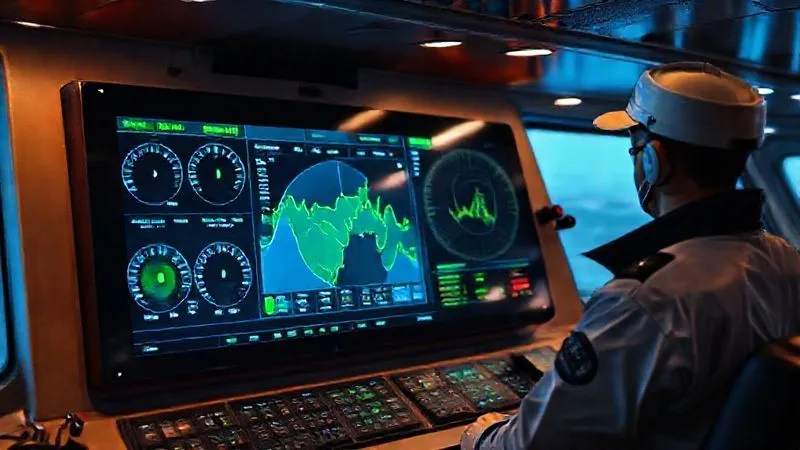
Integrating these technologies into your operational framework is a significant step in **how to minimize legal liability from vessel oil spill?** by enhancing early detection and rapid response.
5. Comprehensive Insurance and Financial Guarantees
While prevention is paramount, the financial fallout from a major oil spill can be astronomical. Adequate insurance coverage and financial guarantees are not just regulatory requirements; they are your ultimate safety net against insolvency and crippling legal judgments. Navigating the complexities of maritime insurance requires expert guidance.
Navigating P&I Clubs and Other Coverage Options
Protection and Indemnity (P&I) Clubs are mutual insurance associations that cover third-party liabilities and expenses arising from owning and operating ships. For oil spills, P&I coverage is critical, covering costs like clean-up, pollution fines, and third-party claims. However, understanding the limits, deductibles, and specific exclusions of your policy is vital.
I always advise clients to work closely with their P&I Club and insurance brokers to ensure their coverage aligns with their operational risks and regulatory obligations, particularly concerning OPA 90's strict liability regime. Often, additional coverages beyond standard P&I may be necessary, especially for specialized cargoes or sensitive operating areas. For example, some jurisdictions require specific Certificates of Financial Responsibility (COFR) demonstrating the ability to meet liability limits.
“Do not underinsure. The cost of comprehensive coverage pales in comparison to the financial ruin a major oil spill can inflict. It’s not just about covering the incident; it’s about ensuring your business survives it.”
Case Study: How Oceanic Shipping Reduced Liability Exposure
Oceanic Shipping, a mid-sized tanker operator, faced increasing premiums due to a minor incident history. By implementing a new, more rigorous safety management system, conducting quarterly unannounced OSRP drills, and investing in advanced leak detection technology, they demonstrated a proactive approach to risk reduction. This allowed their P&I Club to offer more favorable terms, significantly reducing their annual premium while increasing their pollution liability coverage by 20%. This proactive stance not only saved them money but critically enhanced their capacity to handle a major incident, directly addressing **how to minimize legal liability from vessel oil spill?** through financial preparedness.
Ensure your certificates of financial responsibility are current and that your P&I coverage is robust enough to meet the maximum potential liability under all applicable laws. The International Group of P&I Clubs provides extensive information on coverage and requirements.
6. Expert Legal Counsel and Crisis Communication
When a spill occurs, the immediate aftermath is a whirlwind of operational challenges, regulatory demands, and public scrutiny. Having expert legal counsel on standby and a pre-defined crisis communication strategy are indispensable for navigating this treacherous period and protecting your legal position.
Immediate Post-Spill Actions and Legal Strategy
In the frantic hours following a spill, every action and every statement can have profound legal implications. I cannot stress enough the importance of immediately engaging your legal team. Their guidance is crucial for ensuring compliance with reporting requirements, managing evidence, and shaping the narrative.
- Activate Legal Counsel Immediately: Your first call, after ensuring crew safety and immediate spill response, should be to your maritime legal team.
- Preserve All Evidence: Secure vessel logs, VDR data, sensor readings, communication records, and any physical evidence related to the spill. This is vital for accident investigation and legal defense.
- Control Information Flow: Designate a single point of contact for all external communications, ensuring consistency and accuracy, especially with regulatory bodies.
- Cooperate with Authorities (Under Legal Guidance): Fully cooperate with investigators from the Coast Guard, EPA, and other agencies, but always under the advice of your legal counsel to protect your rights.
- Document Response Efforts: Keep meticulous records of all spill response actions, costs incurred, and environmental impact assessments. This demonstrates due diligence and can mitigate liability.
A well-handled crisis communication strategy is equally critical. In today's hyper-connected world, misinformation spreads rapidly. A transparent, empathetic, and factual communication approach, guided by legal and PR experts, can significantly mitigate reputational damage and prevent adverse public opinion from swaying legal outcomes. As crisis communication expert Melissa Agnes often emphasizes, a strong crisis plan is about building resilience, not just reacting to events.
| Role | Primary Responsibility | Key Action |
|---|---|---|
| Legal Counsel | Advise on legal obligations, liability, evidence preservation, regulatory interface. | Review all external communications, guide incident investigation. |
| Crisis Communications Lead | Manage public and media relations, draft statements, coordinate with stakeholders. | Develop unified messaging, monitor media, engage with affected communities. |
| Technical Expert (Spill Response) | Assess spill trajectory, environmental impact, response effectiveness. | Provide scientific data, support clean-up efforts, liaise with environmental agencies. |
| Operations Lead | Oversee vessel safety, spill containment, and recovery operations. | Implement OSRP, ensure crew safety, manage resources. |
This coordinated approach is essential for **how to minimize legal liability from vessel oil spill?** by effectively managing both the legal and public relations aspects of a crisis.
7. Continuous Training and Culture of Responsibility
Ultimately, the most sophisticated plans and technologies are only as effective as the people operating them. A continuous commitment to training and fostering a deep-seated culture of environmental responsibility among your entire crew and shore-based personnel is non-negotiable for minimizing oil spill liability.
Fostering a Proactive Safety Mindset
Training should go beyond mere certification. It needs to instill a proactive safety mindset where every individual understands their role in preventing pollution and responding effectively if an incident occurs. This includes regular refresher courses, scenario-based training, and a feedback loop that encourages reporting near misses and suggesting improvements without fear of reprisal.
- Regular Refresher Courses: Ensure all crew members receive recurrent training on environmental regulations, OSRP procedures, and equipment operation.
- Scenario-Based Drills: Move beyond basic drills to complex scenarios that test problem-solving, decision-making, and inter-departmental coordination under pressure.
- Leadership Engagement: Senior management must visibly champion environmental protection, demonstrating that it is a core company value, not just a regulatory obligation.
- Near-Miss Reporting Culture: Encourage and reward the reporting of near-misses or potential hazards, treating them as learning opportunities to prevent future incidents.
- Cross-Training: Ensure multiple crew members are proficient in critical tasks, such as spill containment deployment and emergency pump operation, to enhance resilience.
A culture where every crew member feels empowered and responsible for environmental protection is your strongest defense. I've observed that companies with robust safety cultures experience significantly fewer incidents and, when incidents do occur, they are typically less severe because of the immediate and competent response from well-trained personnel. This directly impacts **how to minimize legal liability from vessel oil spill?** by reducing the frequency and severity of spills.
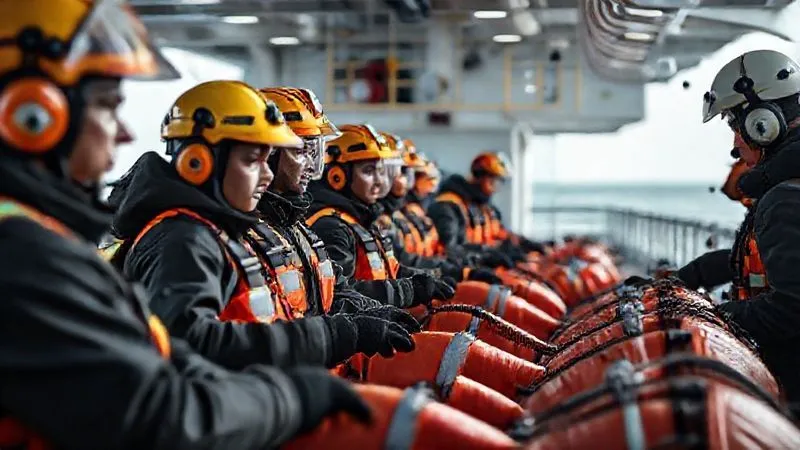
Investing in your people through continuous, high-quality training is perhaps the most fundamental strategy for long-term liability reduction.
Frequently Asked Questions (FAQ)
What is the primary difference between OPA 90 and MARPOL regarding oil spill liability? OPA 90 is a U.S. federal law primarily focusing on pollution in U.S. waters, imposing strict liability for removal costs and damages, often with higher liability limits than international conventions. MARPOL is an international convention establishing global regulations for preventing pollution from ships, including oil, but primarily focuses on operational discharges and equipment standards rather than specific liability for major spills, which is typically covered by other conventions like CLC (Civil Liability Convention) and Fund Convention.
Can a vessel owner face unlimited liability for an oil spill? Yes, under OPA 90, if an oil spill is caused by gross negligence, willful misconduct, or a violation of federal safety, construction, or operating regulations, the responsible party can lose the benefit of liability limits and face unlimited liability for all removal costs and damages. This is why due diligence and robust compliance are absolutely critical.
How does a Certificate of Financial Responsibility (COFR) relate to oil spill liability? A COFR is a document issued by the U.S. Coast Guard, required for vessels operating in U.S. waters, demonstrating that the vessel owner has the financial ability to meet their potential oil spill liabilities under OPA 90. Without a valid COFR, a vessel cannot legally trade in U.S. waters, and its absence can also trigger unlimited liability in the event of a spill.
What role do P&I Clubs play in minimizing legal liability from vessel oil spills? P&I Clubs provide critical insurance coverage for third-party liabilities, including those arising from oil pollution. They cover clean-up costs, fines (where insurable), and compensation for damages to third parties. Beyond financial coverage, many P&I Clubs also offer expertise in incident response, legal guidance, and risk management advice, acting as a vital partner in mitigating post-spill legal exposure.
Is it possible to recover costs incurred during an oil spill response? Yes, under certain circumstances. If the spill was caused by a third party (e.g., collision with another vessel), the responsible party may be able to recover clean-up costs and damages from the polluter. However, the burden of proof lies with the claimant, and such recovery efforts can be complex and protracted, requiring strong legal counsel and meticulous documentation of all expenses.
Key Takeaways and Final Thoughts
Navigating the complex waters of environmental maritime law and the potential for catastrophic oil spill liability requires far more than passive compliance. It demands a proactive, multi-faceted strategy that integrates regulatory adherence, operational excellence, technological innovation, and a deeply ingrained culture of responsibility. I've seen organizations that embrace these principles not only avoid major incidents but also build stronger, more resilient businesses.
- Proactive compliance is your first and strongest defense.
- Robust maintenance and operational rigor prevent incidents at their source.
- An ironclad OSRP ensures swift, effective crisis response.
- Advanced technologies provide invaluable early detection.
- Comprehensive insurance acts as your essential financial safeguard.
- Expert legal and communication strategies protect your interests post-incident.
- Continuous training fosters a culture of environmental stewardship.
The question of **how to minimize legal liability from vessel oil spill?** is fundamentally about risk management and foresight. By investing in these critical strategies, you're not just safeguarding your assets and reputation; you're contributing to a cleaner, safer marine environment for everyone. Stay diligent, stay prepared, and remember that an ounce of prevention is truly worth a pound of cure in the high-stakes world of maritime operations.
Recommended Reading
- Dividing Complex Assets in Multi-Jurisdiction Divorces? 7 Expert Strategies
- 5 Critical Steps to Prove Substantial Impairment in Lemon Law Claims
- Expelling Special Ed Students: Legal Steps for Assault Incidents
- 5 Steps: How to Resolve Player Grievance Over Team Disciplinary Action?
- Challenging Novel Forensic Evidence: 7 Critical Strategies for Criminal Trials

Comments
Leave a comment below. Your email will not be published. Required fields marked with *