


How to Mitigate Legal Liability After a Major Marine Oil Spill?
For over two decades in maritime law, I've personally witnessed the devastating ripple effects of major marine oil spills. It's not just an environmental catastrophe; for vessel owners, operators, and insurers, the legal and financial fallout can be catastrophic, leading to bankruptcy, severe penalties, reputational ruin, and protracted litigation that can span years, if not decades.
The immediate environmental damage is just the tip of the iceberg. Navigating the labyrinth of regulatory bodies, international conventions, national laws, and the intricate web of claims from affected parties makes the aftermath a treacherous journey for even the most experienced maritime entities. The sheer scale of potential costs, from cleanup and remediation to natural resource damages and economic losses, demands an immediate, strategic, and legally sound response.
This article isn't just a guide; it's a strategic framework, born from years of hands-on experience in the trenches of marine pollution incidents. We'll explore actionable strategies, drawing on real-world scenarios and expert insights, to help you understand how to mitigate legal liability after a major marine oil spill, safeguarding your assets, maintaining your license to operate, and protecting your hard-earned reputation.
The Immediate Aftermath: Crisis Response and Notification
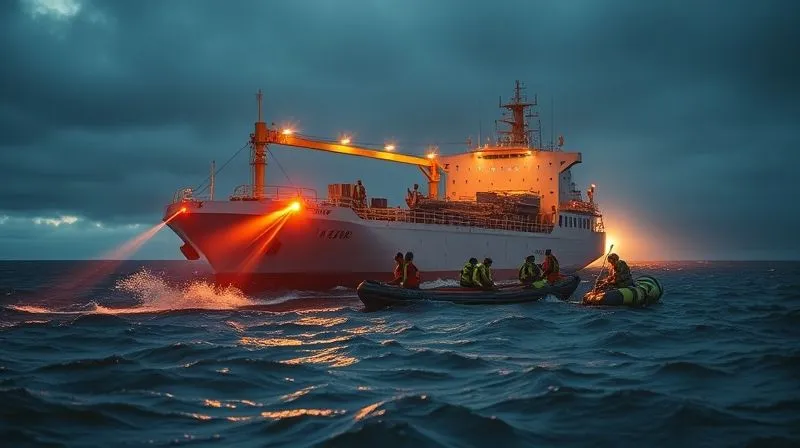
The first 24-48 hours following a major marine oil spill are absolutely critical. Your immediate actions, or inactions, will set the tone for all subsequent legal proceedings and significantly impact your ability to mitigate legal liability. I've seen companies make irreversible mistakes in this initial window, often due to panic or a lack of a clear, pre-defined response plan.
- Activate Your Emergency Response Plan (ERP): This isn't a document to sit on a shelf. It must be a living, breathing protocol. Immediately initiate your ERP, ensuring all key personnel are aware of their roles and responsibilities. This includes internal communications, external stakeholder engagement, and operational response teams.
- Containment and Cleanup Efforts: Prioritize the containment and recovery of the spilled oil. Rapid deployment of booms, skimmers, and dispersants (where appropriate and approved) can significantly reduce the spread of pollution and, consequently, the scope of environmental damage and associated cleanup costs. Document every step meticulously.
- Timely and Accurate Notification: Failure to notify the proper authorities promptly can lead to severe penalties. In the U.S., this means the National Response Center (NRC) and the U.S. Coast Guard (USCG). Internationally, it involves the relevant national authorities and potentially the IMO. Be prepared to provide accurate details about the vessel, the incident, the type and quantity of oil spilled, and the ongoing response efforts.
- Preserve Evidence: From logbooks and sensor data to crew statements and communication records, every piece of information is vital. Secure the vessel, restrict access, and ensure no data is altered or destroyed. This evidence will be crucial in determining the cause of the spill and defending against claims of negligence.
Understanding the Legal Framework: OPA 90, CLC, and Beyond
To effectively mitigate legal liability after a major marine oil spill, you must understand the complex legal landscape governing marine pollution. This often involves a patchwork of international conventions, national laws, and regional regulations. Ignorance of these frameworks is not a defense; it's a pathway to increased liability.
The Oil Pollution Act of 1990 (OPA 90)
In the United States, OPA 90 is the cornerstone of oil spill liability. Enacted in response to the Exxon Valdez disaster, it imposes strict liability on responsible parties for cleanup costs and damages, including natural resource damages, property damage, and economic losses. OPA 90 also introduced requirements for vessel response plans and increased civil and criminal penalties.
International Conventions: CLC and the Fund Convention
Globally, the primary instruments are the International Convention on Civil Liability for Oil Pollution Damage (CLC) and the International Oil Pollution Compensation (IOPC) Fund Convention. CLC establishes a strict liability regime for shipowners, but with specific limits, while the Fund Convention provides a second tier of compensation when CLC limits are exceeded or the shipowner is unable to pay. Many nations are signatories to these conventions, creating a unified (though complex) framework for international spills.
"The complexity of maritime law, particularly concerning pollution, means that a 'one-size-fits-all' approach to liability mitigation is simply non-existent. Each jurisdiction, each type of oil, and each incident demands a tailored, expert-led strategy." - An Experienced Maritime Lawyer
Other relevant frameworks include MARPOL (International Convention for the Prevention of Pollution from Ships), which focuses on preventing pollution from ships, and various regional agreements.
| Convention | Liability Principle | Scope | Responsible Party | Liability Limits |
|---|---|---|---|---|
| OPA 90 (USA) | Strict Liability | U.S. waters | Vessel owner/operator | High, adjusted for inflation (e.g., $2,500/gross ton for tank vessels) |
| CLC (International) | Strict Liability | Signatory states' waters | Shipowner | Tiered based on vessel size, lower than OPA 90 for large vessels |
| Fund Convention (International) | Supplementary Compensation | Signatory states' waters | IOPC Fund (financed by oil receivers) | Provides additional compensation beyond CLC limits |
Proactive Measures: Pre-Spill Preparedness as Your Best Defense
While this article focuses on post-spill mitigation, I cannot overstate the importance of pre-spill preparedness. In my experience, the companies that fare best after an incident are those with robust, regularly tested plans and a culture of safety. Prevention is always the most effective strategy to mitigate legal liability after a major marine oil spill.
- Robust Safety Management Systems (SMS): Implement and rigorously maintain an SMS that complies with the ISM Code. This includes regular audits, crew training, and maintenance protocols to prevent incidents.
- Vessel Response Plans (VRPs) / Shipboard Oil Pollution Emergency Plans (SOPEPs): Ensure these plans are up-to-date, vessel-specific, and regularly drilled. Every crew member should understand their role in an emergency.
- Insurance and Financial Guarantees: Secure adequate P&I (Protection & Indemnity) insurance coverage and financial guarantees as required by OPA 90, CLC, and other relevant regulations. This ensures you have the financial backing to meet your liability obligations.
- Legal Counsel Retainer: Have experienced maritime legal counsel on retainer who specializes in pollution incidents. Their immediate involvement can guide your response and ensure legal compliance from day one.
Damage Assessment & Documentation: Building Your Defense
Once the initial crisis response is underway, the meticulous process of damage assessment and documentation begins. This phase is critical for establishing the facts, determining the cause, and ultimately defending against inflated claims or allegations of negligence. Poor documentation is a common pitfall that can severely undermine your legal position.
- Independent Investigation: Immediately commission an independent investigation into the cause of the spill. This should be conducted by qualified experts (naval architects, marine engineers, pollution specialists) to ensure objectivity and technical rigor.
- Comprehensive Data Collection: Gather all relevant data, including vessel navigation records, engine room logs, maintenance records, crew certifications, weather data, communication logs, and any sensor data related to the incident.
- Environmental Baseline Studies: If possible, establish baseline environmental conditions in unaffected areas to help distinguish spill-related damage from pre-existing conditions. This is particularly valuable for natural resource damage assessments.
- Photographic and Video Evidence: Document the spill's spread, cleanup efforts, affected areas, and any observed damage using high-quality photography and video. Date and time stamp all media.
- Witness Statements: Obtain detailed statements from crew members, first responders, and any other witnesses. Ensure these are taken legally and accurately, with legal counsel present if necessary.
Engaging with Regulators & Stakeholders: A Diplomatic Approach
The aftermath of a major oil spill involves a multitude of stakeholders, including governmental agencies, environmental groups, local communities, and the media. How you interact with these groups can significantly impact public perception and, consequently, your legal standing. A transparent, cooperative, and empathetic approach is paramount.
- Cooperate Fully with Authorities: Work closely and transparently with all investigating and responding agencies (e.g., USCG, EPA, IMO, national environmental agencies). Provide requested information promptly and accurately. Resisting or obstructing investigations can lead to additional criminal charges.
- Managed Communication Strategy: Develop a clear and consistent communication strategy. Designate a single, trained spokesperson. Avoid speculation and stick to verifiable facts. Show genuine concern for the environment and affected communities.
- Engage with Local Communities: Establish direct lines of communication with affected communities. Address their concerns, provide updates on cleanup progress, and be prepared to discuss compensation mechanisms. Community trust, once lost, is incredibly difficult to regain.
- Environmental Groups: While often critical, engaging constructively with environmental NGOs can sometimes diffuse tension and demonstrate your commitment to remediation.
Claims Management & Compensation Funds
A significant portion of mitigating legal liability after a major marine oil spill involves effective claims management. This includes claims for cleanup costs, property damage, economic losses (e.g., fisheries, tourism), and natural resource damages. The process can be overwhelming without a structured approach.
Establishing a Claims Process
I advise setting up a clear, accessible, and transparent claims process as quickly as possible. This typically involves:
- Dedicated Claims Hotline/Website: Provide easy access for affected parties to submit claims.
- Clear Documentation Requirements: Inform claimants what evidence they need to provide (e.g., proof of loss, receipts, photos).
- Prompt Assessment and Payouts: Timely processing and payment of legitimate claims can prevent escalation to litigation and demonstrate good faith.
Utilizing Compensation Funds
Depending on the jurisdiction, various compensation funds may be available to assist with payouts:
- IOPC Funds: For spills covered by the CLC and Fund Conventions, the IOPC Funds provide a mechanism for compensation beyond the shipowner's CLC limits.
- Oil Spill Liability Trust Fund (OSLTF): In the U.S., OPA 90 established the OSLTF, administered by the USCG, to pay for cleanup and damages not otherwise compensated.
Litigation Strategy & Settlement Negotiations
Despite best efforts, litigation is often an unavoidable consequence of a major oil spill. Your legal strategy must be robust, proactive, and aimed at minimizing financial exposure and reputational damage. This is where your retained legal counsel truly earns their stripes.
- Aggressive Defense of Legitimate Claims: While you must honor valid claims, be prepared to rigorously defend against fraudulent, exaggerated, or unsupported claims. This requires thorough review of all submitted evidence.
- Expert Witness Testimony: Engage top-tier expert witnesses (e.g., environmental scientists, economists, marine engineers) to provide credible testimony on causation, damages, and cleanup effectiveness.
- Negotiation and Alternative Dispute Resolution (ADR): Explore settlement opportunities and ADR mechanisms (mediation, arbitration) to resolve disputes outside of court. Settlements, while costly, often provide more certainty and can be less damaging to reputation than protracted litigation.
Case Study: Oceanic Transport's Proactive Approach
Case Study: How Oceanic Transport Minimized Post-Spill Liability
In 2018, Oceanic Transport, a mid-sized tanker operator, suffered a major bunker oil spill off the coast of a sensitive marine sanctuary due to an unforeseen mechanical failure. The immediate environmental impact was significant, and the potential legal and financial fallout was immense, estimated in the hundreds of millions.
However, Oceanic Transport had a robust, regularly tested Vessel Response Plan (VRP) and had retained specialized maritime legal counsel. Within an hour of the incident, their ERP was activated. They immediately notified all relevant authorities, deployed their pre-contracted oil spill response organization, and began meticulous, real-time documentation of every action, every communication, and every environmental observation.
Their legal team, on-site within 12 hours, ensured all witness statements were taken correctly and that sensitive evidence was preserved. They established a transparent claims process, quickly paying out legitimate small claims from local fishermen and tourism operators, which helped build trust. While some litigation was unavoidable, Oceanic Transport's proactive, documented, and transparent approach allowed them to demonstrate due diligence and a commitment to remediation. This significantly strengthened their defense against allegations of gross negligence, leading to a negotiated settlement that was substantially lower than initial projections, and critically, their operating license remained intact. This stands in stark contrast to a competitor who faced a similar spill but failed to act swiftly or document thoroughly, resulting in punitive damages and a severe operational curtailment.
Reputational Management & Public Relations
Beyond the direct legal and financial costs, a major oil spill can inflict irreparable damage on a company's reputation. This 'social license to operate' is increasingly vital. Effective reputational management is an indirect but powerful tool to mitigate legal liability after a major marine oil spill by influencing public and judicial perception.
- Transparency and Accountability: Be transparent about what happened, what you are doing to fix it, and what steps you are taking to prevent future incidents. Avoid defensiveness.
- Demonstrate Corporate Social Responsibility: Show genuine commitment to environmental protection and community welfare. This can include funding long-term restoration projects or supporting affected local industries.
- Consistent Messaging: Ensure all internal and external communications are aligned and empathetic.

Frequently Asked Questions (FAQ)
What is 'strict liability' in the context of oil spills? Strict liability means that a responsible party (e.g., a vessel owner) can be held liable for damages and cleanup costs regardless of fault or negligence. If an oil spill occurs, liability is generally imposed, though there may be defenses such as acts of God, acts of war, or acts of third parties. This significantly lowers the burden of proof for claimants.
How does OPA 90 differ from the CLC and Fund Conventions? OPA 90 applies specifically to spills in U.S. waters and generally imposes higher liability limits and a broader scope of damages (including natural resource damages and economic losses) than the international CLC. The CLC and Fund Conventions are international treaties that establish a two-tiered compensation system for signatory states, with lower liability limits for shipowners under CLC, supplemented by the IOPC Fund. A key difference is that OPA 90 does not allow shipowners to limit their liability if the spill was caused by gross negligence, willful misconduct, or violation of federal safety regulations.
What are Natural Resource Damages (NRD) and how are they assessed? NRD refers to the harm caused to natural resources (e.g., fisheries, wildlife, habitats) by an oil spill. Under OPA 90, federal, state, and tribal trustees are authorized to assess these damages and pursue claims for restoration, rehabilitation, replacement, or acquisition of equivalent resources. Assessment methods can be complex, involving ecological modeling, economic valuation, and restoration cost analysis. These claims can be substantial and are often a major component of overall liability.
Can a company go bankrupt from a single oil spill? Absolutely. I've seen it happen. The combined costs of cleanup, fines, penalties, natural resource damages, economic losses, and litigation can easily exceed a company's assets and insurance coverage, especially for smaller or medium-sized operators. This underscores the critical importance of robust prevention, adequate insurance, and effective post-spill liability mitigation strategies.
What role does insurance play in mitigating liability? Insurance, particularly P&I (Protection & Indemnity) insurance, is your primary financial safeguard. It covers a wide range of third-party liabilities, including oil pollution. Ensuring you have adequate coverage that meets all jurisdictional requirements (e.g., OPA 90 certificates of financial responsibility) is non-negotiable. However, insurance doesn't absolve you of responsibility; it merely provides the financial means to meet your obligations up to the policy limits.
Key Takeaways and Final Thoughts
Mitigating legal liability after a major marine oil spill is not a task for the unprepared or the faint of heart. It requires a multi-faceted approach, combining immediate, decisive action with a deep understanding of complex legal frameworks and an unwavering commitment to transparency and remediation. My experience has shown time and again that success in these challenging circumstances hinges on preparedness, swift response, meticulous documentation, and a strategic legal defense.
- Prioritize Immediate Response: The first hours define your defense. Act swiftly to contain, clean up, and notify.
- Master the Legal Landscape: Understand OPA 90, CLC, and other applicable laws intimately.
- Invest in Proactive Measures: Robust VRPs, SMS, and adequate insurance are your best pre-spill investments.
- Document Everything: Every action, communication, and observation is critical evidence.
- Engage Strategically: Cooperate with authorities, manage communications, and empathize with affected communities.
- Manage Claims Prudently: Establish clear processes and leverage compensation funds where available.
- Prepare for Litigation: Develop a strong legal strategy with expert counsel and consider ADR.
The journey to recover from a major marine oil spill is long and arduous, but by implementing these strategies, you can significantly reduce your legal and financial exposure. Remember, the goal is not just to survive the legal battle, but to emerge with your reputation and ability to operate intact. It demands vigilance, integrity, and a steadfast commitment to environmental stewardship. Be prepared, be proactive, and be responsible.
Recommended Reading
- 5 Legal Steps: Recovering Crew Wages from Abandoned Vessels Abroad
- 9 Steps to Safeguard Against Forced Labor Allegations in Sourcing
- 7 Legal Remedies for Predatory Lending Victims: Fight Back & Win!
- Navigating US Consumer Privacy Laws: 5 Ways They Shape Data Sharing Consent
- Protecting Your Assets: 7 Proven Ways to Prevent Personal Liability from Corporate Failure

Comments
Leave a comment below. Your email will not be published. Required fields marked with *