


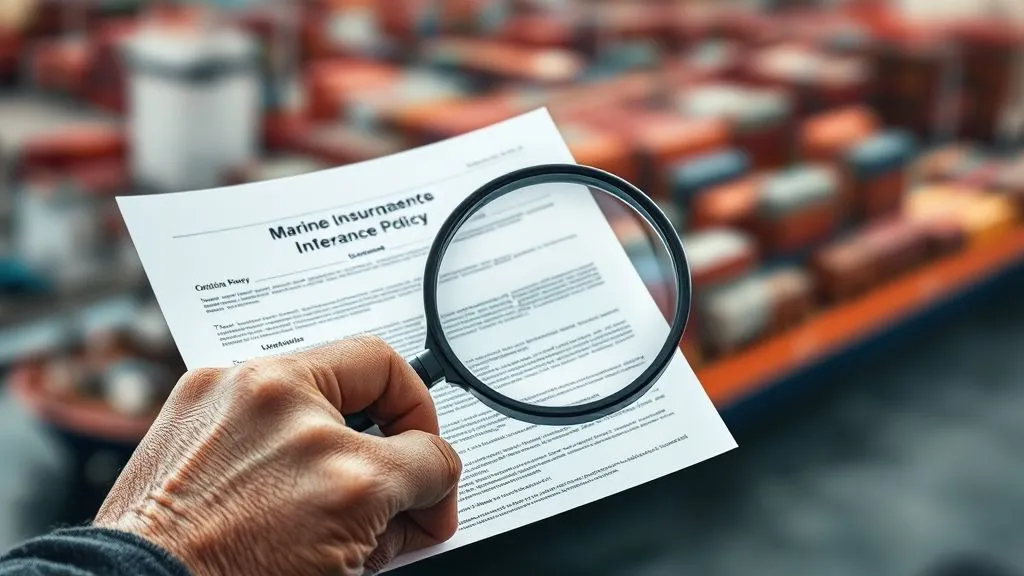
How to Successfully Dispute a Denied Cargo Damage Marine Insurance Claim?
For over two decades in the intricate world of maritime law and insurance, I've witnessed firsthand the profound frustration and financial strain that a denied cargo damage marine insurance claim can inflict upon businesses. It’s a moment that often feels like hitting a brick wall, especially when you’ve meticulously arranged coverage, only to have your legitimate losses dismissed.
The sting of a denial isn't just about the immediate financial hit; it's about the disruption to your supply chain, the potential loss of client trust, and the daunting prospect of navigating a complex legal and administrative labyrinth. Many companies, overwhelmed by the process, simply give up, leaving significant compensation on the table. This is a mistake I've seen countless times, and it's entirely avoidable.
This guide, born from countless battles and victories in the maritime sector, will equip you with a definitive, actionable framework. You'll learn not just the 'what' but the 'how' – a step-by-step approach, enriched with expert insights, real-world analogies, and practical strategies to empower you to successfully dispute a denied cargo damage marine insurance claim and secure the compensation you rightfully deserve.
Understanding the Battlefield: Why Claims Get Denied
Before you can successfully dispute a denied cargo damage marine insurance claim, you must first understand the common grounds on which insurers base their rejections. In my experience, most denials stem from specific clauses within the policy or a perceived failure on the claimant's part to adhere to the stipulated conditions.
Common Reasons for Denial
Insurers are not inherently adversarial, but they operate on risk assessment and policy adherence. Here are the most frequent culprits:
- Inadequate Packaging: Often cited if the cargo was not packed sufficiently to withstand the ordinary perils of the voyage, according to industry standards.
- Inherent Vice: This refers to a characteristic of the cargo itself that causes its own damage, deterioration, or destruction without external cause (e.g., perishable goods spoiling due to their nature, not external factors).
- Unseaworthiness of the Vessel: If the vessel was not fit for the voyage or cargo at its commencement, and this directly contributed to the damage, the claim may be denied.
- Late Notification: Most policies have strict deadlines for notifying the insurer of loss or damage. Missing this window is a common and often fatal error.
- Policy Exclusions: Specific perils or circumstances explicitly excluded from coverage, such as war, strikes, riots, civil commotions (WSRCC), or nuclear risks.
- Lack of Proof: Insufficient evidence demonstrating the cause, extent, or timing of the damage, or that the damage occurred while the policy was in force.
Policy Exclusions & Conditions
The devil, as they say, is in the details, and in marine insurance, those details are found in your policy's fine print. I always advise clients to treat their marine insurance policy not as a formality, but as a critical operational document. It outlines not only what is covered but, crucially, what is not, and under what conditions coverage applies.
Expert Insight: "Never assume coverage. Read your marine insurance policy thoroughly, paying particular attention to the 'Perils Insured Against,' 'Exclusions,' 'Warranties,' and 'Conditions Precedent to Liability' sections. These are the battlegrounds where disputes are won or lost."
Understanding these elements before a claim arises can save you immense headache. If a denial references a specific exclusion, your immediate task is to verify if that exclusion genuinely applies to your situation or if there's a misinterpretation.
Immediate Action After Denial: Preserving Your Position
Receiving a denial letter isn't the end; it's the beginning of the dispute process. Your actions in the immediate aftermath are critical to preserving your ability to successfully challenge the insurer's decision.
Review the Denial Letter Meticulously
This document is your roadmap. Don't just skim it. Read every word. The denial letter should clearly state the reason(s) for the denial and reference the specific clauses or conditions in your policy that the insurer believes have been breached. If it's vague, demand clarification in writing.
- Identify the Stated Reasons: Pinpoint the exact grounds for denial. Is it inherent vice? Inadequate packaging? Late notification?
- Reference Policy Clauses: Cross-reference every policy clause cited by the insurer. Does their interpretation align with the actual wording and context of your policy?
- Note the Appeal Process: Many insurers outline their internal appeal procedure within the denial letter. Take note of deadlines and required documentation.
Document Everything: A Digital Fortress
In marine insurance claims, evidence is king. From the moment you receive the denial, every communication, every piece of data, and every action you take must be meticulously documented. This creates an undeniable audit trail that strengthens your position.
- Centralize Communications: Keep all emails, letters, and records of phone calls (with dates, times, and names of contacts) in a single, organized folder.
- Maintain Chronological Order: Organize documents by date to easily reconstruct the timeline of events.
- Backup Everything: Use cloud storage and physical backups. You cannot afford to lose critical evidence.
This rigorous approach to documentation is not merely administrative; it's foundational to building a compelling counter-argument. A well-documented case makes it significantly harder for an insurer to dismiss your dispute. According to a study by the Baltic and International Maritime Council (BIMCO), inadequate documentation is a leading cause of claim disputes and delays.
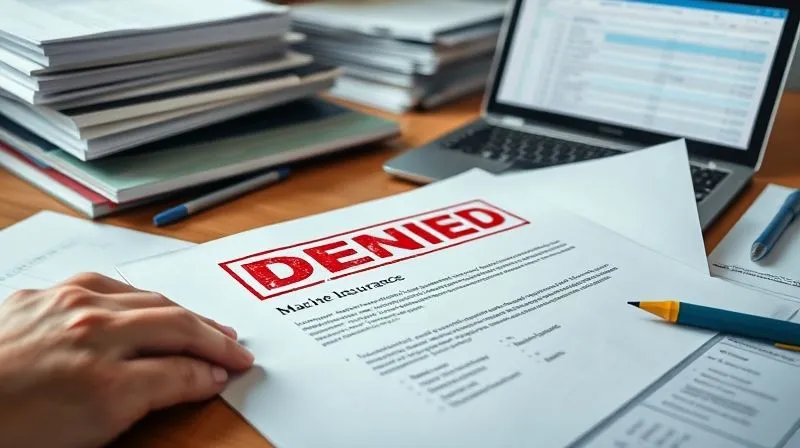
Building Your Case: The Pillars of a Successful Dispute
With the denial letter analyzed and your documentation fortress established, it's time to construct the core of your dispute. This involves gathering irrefutable evidence that directly refutes the insurer's stated reasons for denial.
Comprehensive Evidence Gathering
Your goal is to present a narrative so compelling and evidence so robust that it leaves no room for doubt. This often means going beyond what you initially submitted. Focus on demonstrating:
- The Condition of Cargo at Loading: Proof that the cargo was in good order and condition when it was loaded onto the vessel.
- Proper Stowage and Securing: Evidence that the cargo was appropriately stowed and secured according to best practices and vessel requirements.
- Cause of Damage: Clear identification of what caused the damage, and that this cause is covered by your policy.
- Extent of Damage: Independent assessment of the full scope and financial impact of the damage.
Here’s an actionable checklist for gathering comprehensive evidence:
- Pre-shipment Surveys: If conducted, these reports are invaluable. They certify the cargo's condition prior to loading.
- Loading/Unloading Reports: Detailed records from port authorities or stevedores noting any issues, damages, or discrepancies during handling.
- Damage Surveys & Reports: Independent marine surveyors' reports detailing the nature, extent, and probable cause of damage. This is often the most critical piece of evidence.
- Vessel Logbooks & Voyage Data: Extracts from the ship's logbook regarding weather conditions, incidents during the voyage, and any deviations.
- Bill of Lading & Charter Party: Essential documents outlining the terms of carriage and responsibilities.
- Photographic & Video Evidence: High-resolution images and videos of the cargo's condition before, during, and after the incident.
- Communication Logs: All correspondence with carriers, ports, surveyors, and the insurer.
- Expert Opinions: Statements from independent experts (e.g., metallurgists for structural damage, chemists for contamination) if the cause of damage is complex.
- Repair Estimates/Invoices: Documentation of costs incurred to mitigate or repair the damage.
Expert Opinion and Independent Assessment
When the insurer relies on their own experts to justify a denial, bringing in your own independent specialists is paramount. A reputable marine surveyor, a maritime lawyer, or a technical expert can provide an unbiased assessment that carries significant weight. Their reports can directly challenge the insurer's findings, offering an alternative, credible explanation for the damage or a different interpretation of policy clauses.
I've seen many cases turn solely on the strength of an independent expert's report, which can often uncover nuances or oversights missed by the insurer's initial assessment. This investment can be the turning point in your dispute.
| Evidence Type | Purpose | Importance |
|---|---|---|
| Pre-shipment Survey | Confirm cargo condition before loading | High |
| Damage Survey Report | Identify cause & extent of damage | Critical |
| Vessel Logbooks | Verify voyage conditions (weather, incidents) | High |
| Photographic/Video Evidence | Visual proof of damage & conditions | High |
| Communication Logs | Trace timeline & notifications | Medium |
| Expert Technical Report | Specialized analysis for complex causes | Situational (High) |
Navigating the Appeal Process: Formal Steps to Take
Once you've meticulously gathered your evidence, it's time to formally appeal the denial. This process typically involves several stages, each requiring precision and strategic thinking.
Formal Appeal Submission
Your appeal should be a comprehensive, well-structured document that directly addresses each point of the insurer's denial. It’s not just a letter; it’s your legal brief.
- Address Each Denial Point: For every reason cited by the insurer, present your counter-argument supported by specific evidence.
- Reference Policy Clauses: Show how your actions complied with the policy or how the insurer's interpretation is incorrect.
- Attach All Supporting Evidence: Clearly label and index all documents, photos, and expert reports.
- Maintain a Professional Tone: While frustrating, an emotional or accusatory tone can hinder your case. Stick to facts and evidence.
- Submit Within Deadlines: Adhere strictly to any appeal deadlines stipulated by the insurer or maritime law.
Engaging with the Insurer's Internal Review
After submitting your appeal, the insurer will typically initiate an internal review. This may involve a different claims adjuster or a specialized review panel. Be prepared for further questions and potentially an offer of a partial settlement. This is often a negotiation stage.
Expert Insight: "A partial settlement offer is not an admission of full liability, but it does indicate the insurer recognizes some merit in your dispute. Evaluate it carefully against your actual losses and the strength of your case."
Maintain open lines of communication, respond promptly to inquiries, and be ready to provide further clarification or additional evidence. Your goal here is to demonstrate the irrefutable strength of your position and encourage the insurer to reverse their decision internally.
Case Study: The M/V 'Sea Serpent' & the Coffee Bean Claim
I recall a challenging case involving a shipment of high-value specialty coffee beans on the M/V 'Sea Serpent' from Colombia to Europe. Upon arrival, a significant portion of the cargo was found to be damaged by fresh water ingress, affecting its quality and market value. The insurer initially denied the claim, citing 'inadequate packaging' and 'inherent vice' – arguing the coffee's susceptibility to moisture and insufficient protective measures by the shipper.
Our client, the consignee, was devastated. However, we immediately sprang into action. We commissioned an independent marine surveyor who, through meticulous inspection, found specific structural defects in a container that allowed water ingress, despite the beans being packed in standard, industry-accepted liners. Furthermore, we presented pre-shipment survey reports confirming the beans were in excellent condition and packaging was standard for such cargo.
We compiled a detailed appeal, including the independent survey, meteorological data showing severe weather during transit (a covered peril), and expert testimony on standard coffee bean packaging. After several rounds of negotiation and presenting our robust evidence, the insurer reversed its decision, acknowledging the container's structural failure as the primary cause, which was a covered peril. The client recovered 90% of their claim, proving that persistence and expert evidence are paramount.
When to Bring in the Big Guns: Legal & Arbitration Options
If the internal appeal process fails to yield a satisfactory outcome, it's time to consider external avenues. This usually involves legal intervention or alternative dispute resolution (ADR).
Legal Counsel: Your Advocate
Engaging a maritime law specialist is often the most strategic move when facing a stubborn insurer. A lawyer experienced in marine insurance disputes understands the nuances of maritime law, policy interpretation, and the tactics insurers employ. They can:
- Provide an Objective Assessment: Evaluate the true strength of your case and advise on the likelihood of success.
- Negotiate on Your Behalf: Leverage their legal expertise to negotiate more effectively with the insurer.
- Prepare for Litigation: If necessary, prepare all legal documentation and represent you in court.
- Identify Legal Precedents: Apply relevant case law to bolster your claim.
Their involvement often signals to the insurer that you are serious about pursuing your claim, frequently prompting a more favorable reconsideration. For complex claims or significant losses, the cost of legal counsel is often outweighed by the potential recovery. As Lloyd's of London, a cornerstone of marine insurance, would attest, the legal landscape is intricate, and expert guidance is invaluable.
Alternative Dispute Resolution (ADR)
Before resorting to costly and time-consuming litigation, consider ADR methods like mediation or arbitration. These are less formal than court proceedings and can often lead to a quicker, more cost-effective resolution.
- Mediation: A neutral third party facilitates discussions between you and the insurer, helping you reach a mutually agreeable settlement. The mediator does not make a decision but guides the parties.
- Arbitration: A neutral third party (or panel) hears both sides of the dispute and makes a binding decision. This is similar to a court process but typically faster and more private. Many marine insurance policies include arbitration clauses.
ADR can be particularly effective when there's a disagreement on the interpretation of facts or policy clauses, allowing an impartial expert to weigh the evidence. For instance, the International Chamber of Commerce (ICC) offers robust arbitration rules for international commercial disputes, including those in maritime trade.
Litigation: The Last Resort
Taking an insurer to court should always be considered a last resort due to the significant time, cost, and stress involved. However, for large, complex claims where all other avenues have been exhausted, it may be necessary to secure justice. Your maritime lawyer will guide you through this process, which involves filing a lawsuit, discovery (exchange of information), and potentially a trial. The decision to litigate should be made with a clear understanding of the risks and potential rewards.

Proactive Measures: Minimizing Future Denials
While successfully disputing a denied cargo damage marine insurance claim is crucial, preventing future denials is even better. As an industry veteran, I can tell you that many disputes could be avoided with a few proactive measures.
Meticulous Documentation Habits
Implement standardized procedures for documenting every stage of your cargo's journey. This includes pre-shipment inspections, loading procedures, stowage plans, condition reports at various transit points, and photographic evidence. Train your staff on the importance and methods of comprehensive documentation. Consider digital solutions for real-time data capture.
Understanding Your Policy Inside Out
Don't just file your policy away. Conduct regular training sessions for key personnel involved in logistics, shipping, and risk management. Ensure they understand what is covered, what is excluded, and, critically, their obligations under the policy (e.g., notification periods, survey requirements). A well-informed team is your first line of defense against denials.
Regular Policy Reviews
The nature of your cargo, trade routes, and shipping methods can change. Your insurance policy should evolve with your business. Conduct annual reviews of your marine insurance coverage with your broker or insurer to ensure it accurately reflects your current operations and risks. Discuss any new types of cargo, destinations, or transportation methods to avoid gaps in coverage.
For example, if you begin shipping temperature-sensitive goods, ensure your policy explicitly covers refrigeration unit breakdowns or temperature excursions, not just physical damage. This proactive engagement, often facilitated by a trusted P&I Club (Protection & Indemnity Club) correspondent, can prevent unforeseen issues.
| Measure | Benefit | Responsibility |
|---|---|---|
| Standardized Documentation Protocols | Irrefutable evidence for claims | Logistics/Operations Team |
| Regular Policy Training | Deep understanding of coverage & obligations | Risk Management/Management |
| Annual Policy Review | Ensuring current risks are covered | Management/Broker |
| Pre-shipment Surveys for High-Value Cargo | Baseline condition record | Shipper/Surveyor |
| Prompt Damage Notification | Compliance with policy terms | Logistics Team |
Frequently Asked Questions (FAQ)
What's the typical timeline for disputing a denied marine insurance claim? The timeline can vary significantly. An internal appeal might take weeks to a few months. If it escalates to mediation, arbitration, or litigation, it could extend to many months or even years, depending on the complexity and jurisdiction. Prompt action on your part, especially in submitting evidence and adhering to deadlines, can help expedite the process.
Can I dispute a claim if I signed a clean bill of lading? A clean bill of lading indicates the cargo was received by the carrier in apparent good order and condition. While it creates a presumption, it's not an absolute bar to disputing a claim, especially if the damage is concealed (not apparent upon receipt) or occurred during transit due to a covered peril. You'll need strong evidence (e.g., surveyor's report, proof of pre-shipment condition) to overcome this presumption.
What if the damage was caused by a third party (e.g., stevedores or carrier)? Your marine insurance policy typically covers you for loss or damage, regardless of who caused it, as long as it falls within the covered perils. Your insurer will pay your claim (if successful) and then, through subrogation, pursue recovery from the liable third party. It's crucial to notify both your insurer and the third party (carrier, port authority, etc.) promptly, noting any damages on delivery receipts.
How much does it cost to dispute a marine insurance claim? Costs can range from minimal (your time and administrative costs for internal appeals) to substantial (fees for independent surveyors, legal counsel, arbitrators, or court costs). For significant claims, the potential recovery often justifies these expenses. Many maritime lawyers work on a contingency basis or offer initial consultations to assess your case.
Is it worth disputing small claims? The decision to dispute a small claim depends on the principle, the potential for future similar claims, and your available resources. While the direct financial recovery might be small, successfully disputing a claim can set a precedent, deter future unwarranted denials, and reinforce your rights as a policyholder. Sometimes, the long-term strategic value outweighs the immediate financial gain.
Key Takeaways and Final Thoughts
Disputing a denied cargo damage marine insurance claim is undeniably challenging, but it is far from impossible. My decades of experience have shown that success hinges on a combination of meticulous preparation, unwavering persistence, and strategic expert engagement.
- Knowledge is Power: Understand your policy's intricacies and the grounds for denial.
- Document Everything: Your evidence is your strongest weapon; build an undeniable paper trail.
- Act Swiftly: Adhere to all deadlines for notification and appeal.
- Leverage Expertise: Independent surveyors and maritime lawyers are invaluable allies.
- Be Persistent: Don't be deterred by an initial denial; many successful disputes require multiple steps.
Remember, your marine insurance is a vital safety net for your business. When that net appears to fail, you have every right to challenge it. By following the actionable strategies outlined in this guide, you equip yourself with the tools and confidence to navigate the complexities, assert your rights, and ultimately, successfully dispute a denied cargo damage marine insurance claim, safeguarding your business's financial health and peace of mind. The sea of maritime claims can be rough, but with the right chart and compass, you can steer towards a favorable resolution.
Recommended Reading
- Customary International Law & Emerging Tech: 7 Keys to Determination
- Navigating Sudden Regulatory Shifts: 7 Strategies to Shield Your Business
- Fixing Sales Tax Underpayment: 7 Proactive Steps Before a State Audit Notice
- Navigating Cross-Border Data Transfers: 7 Steps to Mitigate Legal Risks
- 5 Critical Steps: How to Challenge a Trademark Refusal & Protect Your Brand Name?

Comments
Leave a comment below. Your email will not be published. Required fields marked with *