


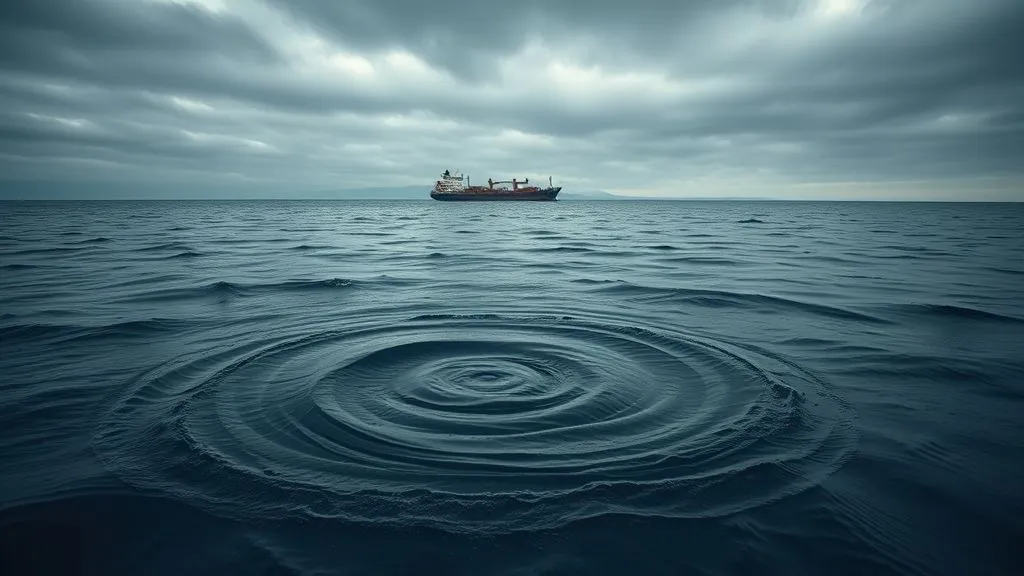
Urgent steps for vessel owners after a significant oil spill
For over two decades in maritime law, I've witnessed the devastating aftermath of significant oil spills – not just the environmental catastrophe, but the crippling legal, financial, and reputational damage inflicted upon vessel owners. It’s a moment of unparalleled crisis, where every second counts, and the initial decisions can literally make or break a company's future.
The pain point for many owners isn't a lack of intent, but often a lack of clear, immediate, and actionable guidance when chaos erupts. The sheer complexity of international regulations, environmental protocols, media scrutiny, and stakeholder demands can overwhelm even the most seasoned maritime professionals, leading to costly missteps and prolonged litigation.
In this definitive guide, I will share the critical frameworks, expert insights, and actionable steps that I've seen differentiate successful crisis management from catastrophic failure. We'll delve into the immediate operational responses, navigate the labyrinthine legal landscape, address the vital communication strategies, and explore the financial recovery mechanisms essential for any vessel owner facing a significant oil spill. This isn't just theory; these are the battle-tested strategies to protect your assets, reputation, and the environment.
Immediate Notification and Reporting Protocols
The very first moments after a significant oil spill are arguably the most critical. Delay in reporting can escalate penalties, complicate response efforts, and severely damage your standing with authorities and the public. I've seen situations where owners, paralyzed by shock or fear of repercussions, hesitated, only to face far greater consequences later.
Internal Communication and Incident Command
Before contacting external parties, your internal incident command structure must activate. This means clear lines of communication from the vessel master to the designated shore-side emergency response team. The master must immediately assess the situation, secure the vessel, protect the crew, and gather initial details: location, estimated spill volume, type of oil, weather conditions, and potential sources.
Regulatory Bodies: Flag, Coastal, and International
Simultaneously, the clock starts ticking for external notifications. Under international conventions like MARPOL, and various national laws, there are strict timelines. You must notify the flag state, the coastal state whose waters are affected (or threatened), and potentially the nearest port authority. The International Maritime Organization (IMO) provides guidance, but it's the national regulations that often dictate the immediate local response.
Port Authorities, Insurers, and Other Stakeholders
Beyond government bodies, your P&I (Protection & Indemnity) Club must be informed immediately. They are your primary point of contact for liability and will often coordinate legal and cleanup efforts. Other stakeholders include charterers, cargo owners, and potentially salvage companies. Transparency and speed are paramount, even if initial information is incomplete.
- Step 1: Establish Incident Command: Immediately designate an on-scene commander (vessel master) and a shore-side incident commander. Ensure clear communication channels.
- Step 2: Initial Assessment: Gather all available data: exact position, time of spill, estimated quantity, type of oil, prevailing weather, sea state, and potential causes.
- Step 3: Notify Flag State: Contact your vessel's flag administration as per their specific reporting requirements.
- Step 4: Notify Coastal State: Inform the relevant national authorities of the coastal state affected or potentially affected, following their specific protocols.
- Step 5: Contact P&I Club: Immediately inform your P&I Club. Provide all initial details; they will guide subsequent actions regarding liability and response.
- Step 6: Notify Other Stakeholders: Inform charterers, cargo owners, and any other relevant parties as per contractual obligations and best practice.
“In the face of an oil spill, the most expensive mistake is often silence or delay. Rapid, accurate, and comprehensive reporting is the first line of defense, not just for the environment, but for your company's future.”
Activating Your Emergency Response Plan (ERP)
Every vessel owner is legally obligated to have a Shipboard Oil Pollution Emergency Plan (SOPEP) or a Shipboard Marine Pollution Emergency Plan (SMPEP). However, merely having a plan isn't enough; it's the swift and effective activation of that plan that truly matters. I've often seen well-crafted plans gather dust until a crisis hits, revealing critical gaps in training or understanding.
Containment and Mitigation at Source
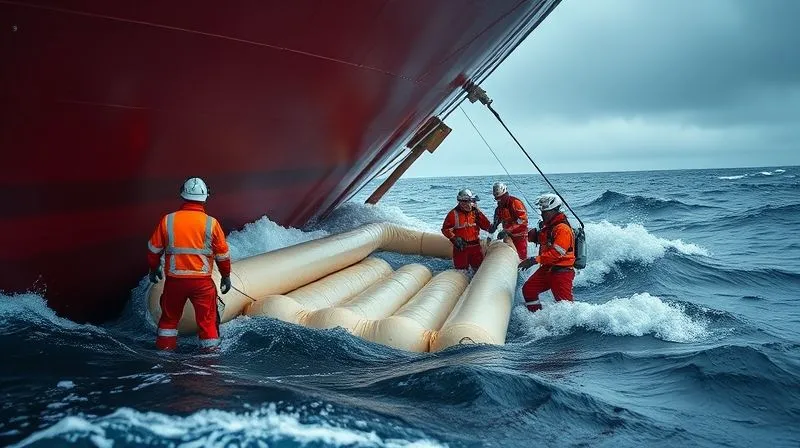
The immediate priority after notification is to contain the spill at its source and prevent further discharge. This involves internal transfer of oil, patching breaches, and deploying on-board containment equipment like booms. Crew training in these procedures is non-negotiable. A small, contained spill is infinitely more manageable than a spreading slick.
Crew Safety and Incident Command Structure
While environmental protection is paramount, the safety of your crew must never be compromised. The ERP should clearly outline procedures for protecting personnel from hazardous materials, fire, and other dangers associated with a spill. The incident command structure on board and ashore must be robust, ensuring everyone understands their role and reporting lines.
- Risk Assessment: Conduct immediate risk assessment for crew, vessel, and environment.
- Resource Mobilization: Identify and mobilize all available on-board resources (booms, absorbents, pumps, patching materials).
- External Assistance: Be prepared to call for external assistance, including specialized oil spill response organizations (OSROs) or salvage experts.
- Logistics & Support: Establish logistical support for ongoing operations, including supplies, communication, and personnel rotation.
- Documentation: Maintain meticulous records of all actions taken, communications, and observations. This will be invaluable later.
Assessing Damage and Initiating Cleanup Operations
Once the immediate containment efforts are underway, a comprehensive assessment of the damage and a coordinated cleanup operation must commence. This phase requires significant external expertise and resources. I've seen owners underestimate the complexity and cost of this stage, leading to prolonged environmental harm and magnified financial liabilities.
Environmental Impact Assessment (EIA)
A preliminary environmental impact assessment is crucial. This involves observing the spread of the oil, its interaction with marine life, and potential impacts on shorelines, sensitive habitats, and local industries (e.g., fisheries, tourism). This information guides the cleanup strategy and helps prioritize vulnerable areas. According to the International Maritime Organization (IMO), effective environmental assessment is fundamental to mitigating long-term ecological damage.
Engaging Professional Responders
Unless it's a very minor spill, your on-board resources will be insufficient. You must engage professional oil spill response organizations (OSROs) and salvage companies. These experts possess the specialized equipment, trained personnel, and experience to handle large-scale cleanup operations. Your P&I Club will usually assist in coordinating these efforts, often drawing from a pre-approved list of contractors.
| Priority | Action | Resources |
|---|---|---|
| 1. Crew Safety | Secure personnel, provide PPE, manage hazards. | On-board safety equipment, trained crew. |
| 2. Source Control | Stop or reduce further discharge, internal transfers. | Vessel engineering, patching materials, pumps. |
| 3. Spill Containment | Deploy booms, skimmers, absorbents around vessel/spill. | On-board booms, external OSRO equipment. |
| 4. Environmental Monitoring | Track spill trajectory, assess impact on sensitive areas. | Vessel observation, aerial surveillance, environmental experts. |
| 5. Waste Management | Collect and properly dispose of oily waste. | Specialized contractors, waste disposal facilities. |
Case Study: The 'Sea Serpent' Incident
In a hypothetical scenario, the tanker Sea Serpent suffered a hull breach in rough seas, releasing several hundred tons of crude oil. The vessel owner, 'Global Shipping Co.', immediately activated their ERP. Within hours, their P&I Club had mobilized a leading OSRO. Despite challenging weather, booms were deployed, and skimming operations began. Global Shipping Co. worked transparently with coastal authorities, sharing real-time trajectory models and environmental assessment data. This proactive, coordinated approach, while still costly, significantly reduced the environmental spread and ultimately led to a more favorable outcome in subsequent legal proceedings, demonstrating the value of swift, professional response.
Navigating Legal and Regulatory Scrutiny
A significant oil spill triggers an immediate and intense legal and regulatory response. Vessel owners face potential criminal charges, civil liabilities, and hefty fines from multiple jurisdictions. The legal landscape is a minefield, and without expert guidance, the consequences can be catastrophic. As I've always advised my clients, understanding these obligations upfront is not optional.
Understanding International Conventions
Key international conventions govern oil pollution liability. The International Convention for the Prevention of Pollution from Ships (MARPOL) sets out regulations to prevent pollution. The Civil Liability Convention (CLC) and the International Oil Pollution Compensation (IOPC) Fund Conventions establish a strict liability regime for tanker owners and provide a mechanism for compensation for pollution damage. These are complex instruments, often interpreted differently by various states.
National and Local Laws
Beyond international frameworks, each coastal state will have its own national and local laws. These can include environmental protection acts, port state control regulations, and specific penalties for pollution. These national laws often supplement or even exceed international requirements, imposing additional layers of liability and scrutiny. Navigating this patchwork of legislation requires specialized legal expertise.
Preserving Evidence and Documentation
From the moment of the incident, every action, communication, and observation must be meticulously documented. This includes bridge logs, engine room records, crew statements, photographs, video footage, communications with authorities, and records of cleanup operations. This evidence will be crucial in defending against claims, demonstrating due diligence, and supporting insurance claims. Poor documentation can be as damaging as the spill itself.
“Your legal defense begins the moment the oil hits the water. Every decision, every communication, and every piece of documentation becomes a critical exhibit in the inevitable legal battles ahead.”
Managing Public Relations and Stakeholder Communications
In the age of instant information and social media, an oil spill is not just an environmental and legal crisis; it's a public relations firestorm. How you communicate in the immediate aftermath can profoundly impact your company's reputation and long-term viability. I've seen companies with good intentions fail miserably in the court of public opinion due to poor communication strategies.
Transparency and Accountability
The golden rule is transparency. Attempting to downplay the incident, withholding information, or appearing evasive will only fuel suspicion and anger. Acknowledge the severity of the situation, express genuine regret for the environmental impact, and clearly articulate the steps you are taking to mitigate the damage and prevent recurrence. This builds a foundation of credibility, even in a crisis.
Engaging Local Communities
Oil spills directly impact local communities, particularly those reliant on marine resources or tourism. Ignoring their concerns or failing to engage with them respectfully is a grave error. Establish clear channels for community liaison, provide regular updates, and be prepared to address their fears and frustrations directly. Local trust, once lost, is incredibly difficult to regain.
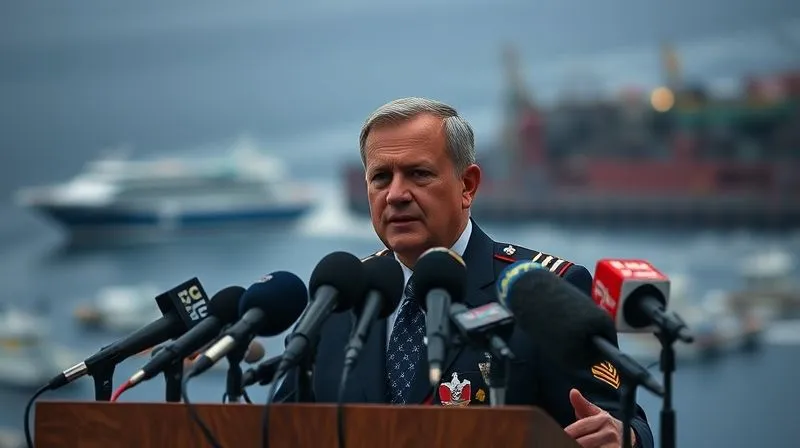
As renowned crisis communication expert, often advises, a swift, sincere, and consistent message is paramount. Your P&I Club will often have crisis communication specialists who can help craft messages and manage media interactions.
Financial Implications and Insurance Claims
The financial fallout from a significant oil spill can be astronomical, encompassing cleanup costs, compensation for environmental damage, economic losses to affected industries, legal fees, and fines. Understanding your insurance coverage and the various compensation mechanisms is crucial for financial recovery and survival. This is where the true cost of an incident becomes starkly clear.
Types of Coverage: P&I and Hull & Machinery
Your primary coverage for oil pollution liability will come from your Protection & Indemnity (P&I) Club. P&I insurance covers third-party liabilities, including pollution damage, wreck removal, and personal injury. Hull & Machinery (H&M) insurance, while covering physical damage to your vessel, typically does not cover pollution liabilities. It's vital to have robust P&I coverage and to understand its limits.
Documentation and Claim Process
The insurance claim process for an oil spill is complex and protracted. Every expense incurred – from cleanup operations and expert fees to legal costs and compensation payments – must be meticulously documented. Your P&I Club will guide you through this, but the onus is on the vessel owner to provide comprehensive evidence supporting all claims. Incomplete or poorly organized documentation can lead to delays or even rejection of claims.
Compensation Funds: IOPC Fund
For spills from tankers, the International Oil Pollution Compensation (IOPC) Funds provide an additional layer of compensation beyond the shipowner's liability under the CLC. These funds are financed by contributions from oil receivers. Understanding the interplay between the CLC, P&I coverage, and the IOPC Funds is critical for maximizing recovery and ensuring all legitimate claims are met.
| Cost Category | Examples | Covered by |
|---|---|---|
| Cleanup & Response | Booms, skimmers, absorbents, OSRO fees, waste disposal. | P&I Club, IOPC Fund (tankers). |
| Environmental Damage | Restoration, ecological studies, monitoring. | P&I Club, IOPC Fund. |
| Economic Losses | Fisheries, tourism, property damage. | P&I Club, IOPC Fund. |
| Legal & Fines | Defense costs, fines, settlements. | P&I Club (defense costs), Vessel Owner (fines, some settlements). |
| Vessel Salvage/Repair | Wreck removal, hull repairs. | H&M Insurance, P&I Club (wreck removal liability). |
Post-Incident Review and Prevention Strategies
Surviving an oil spill is not merely about managing the immediate crisis; it's about learning from it to prevent future occurrences. A thorough post-incident review and a commitment to enhancing safety management systems are paramount. I've seen companies emerge stronger by embracing this phase as an opportunity for profound organizational change.
Root Cause Analysis (RCA)
Once the immediate crisis subsides, a comprehensive Root Cause Analysis (RCA) must be conducted. This goes beyond identifying the immediate cause (e.g., equipment failure) to uncover the underlying systemic issues (e.g., inadequate maintenance protocols, insufficient crew training, flawed operational procedures). A truly effective RCA requires an independent, unbiased investigation.
Enhancing Safety Management Systems (SMS)
The findings from the RCA must directly feed into improvements in your Safety Management System (SMS). This could involve revising operational manuals, upgrading equipment, implementing new safety technologies, or strengthening internal audit processes. An SMS is a living document, and an oil spill incident provides harsh, but invaluable, feedback for its evolution.
Crew Training and Drills
Regular, realistic training and drills are the bedrock of effective emergency response. This includes not just technical aspects of spill containment but also communication protocols, incident command exercises, and familiarization with the ERP. Crew members must be confident and competent under pressure. Continuous professional development and scenario-based training are crucial investments.
As Deloitte studies on crisis resilience often highlight, organizations that learn proactively from incidents and invest in prevention are not only more resilient but also build stronger trust with stakeholders.
Frequently Asked Questions (FAQ)
What is the legal definition of a 'significant' oil spill, and how does it affect my obligations? The term 'significant' is often subjective and context-dependent. Legally, any discharge of oil that violates MARPOL regulations or national laws is generally considered significant enough to trigger reporting and response obligations. However, the scale of response, potential penalties, and public scrutiny escalate dramatically with larger volumes, proximity to sensitive areas, or persistent oil types. Your obligations are immediate regardless of 'significance,' but the severity of consequences is directly proportional to the impact.
Can vessel owners be held criminally liable for an oil spill, even if it was accidental? Yes, absolutely. While international conventions like CLC focus on civil liability, many national jurisdictions have robust environmental protection laws that include criminal penalties for pollution, even in cases of negligence or accidental discharge. This can apply to individuals (e.g., the master, chief engineer) and corporate entities. Intentional discharge, of course, carries the most severe penalties. This is why immediate legal counsel is non-negotiable.
How do I choose the right oil spill response organization (OSRO)? Choosing an OSRO is critical. Look for organizations with a proven track record, certifications (e.g., from national authorities or industry bodies), extensive experience with your specific oil type and environment (e.g., open sea vs. coastal), and adequate resources (equipment, personnel). Your P&I Club will often recommend or have pre-approved OSROs, which can streamline the selection process and ensure their costs are covered by insurance.
What role does Port State Control play after an oil spill incident? Port State Control (PSC) authorities will likely conduct a thorough inspection if your vessel enters a port after an oil spill, regardless of whether the spill occurred in their waters. They will verify compliance with international conventions (like MARPOL) and national regulations, review your SOPEP/SMPEP, inspect equipment, and examine crew competencies. Deficiencies found during a PSC inspection can lead to detention of the vessel, fines, and further legal action, intensifying the scrutiny post-incident.
What are the long-term environmental monitoring requirements after a cleanup operation? Cleanup operations are often just the beginning. Depending on the scale and location of the spill, regulatory bodies may impose long-term environmental monitoring requirements. This can include ongoing surveys of marine life, sediment sampling, water quality testing, and shoreline assessment over months or even years. These requirements aim to track the recovery of the affected ecosystem and ensure that residual impacts are addressed. Costs for such monitoring are typically part of the overall pollution damage claim.
Key Takeaways and Final Thoughts
- Act Immediately: Speed in notification and activating your ERP is paramount to mitigating damage and liability.
- Document Everything: Meticulous record-keeping is your strongest defense and crucial for insurance claims.
- Engage Experts: Rely on your P&I Club, legal counsel, and professional OSROs; don't go it alone.
- Communicate Transparently: Honesty and proactive engagement with authorities and the public are vital for reputation management.
- Learn and Prevent: A rigorous post-incident review and SMS enhancement are essential to prevent recurrence and build resilience.
Navigating the aftermath of a significant oil spill is undoubtedly one of the most challenging experiences a vessel owner can face. The stakes are immense – for your business, your reputation, and the environment. However, by understanding these urgent steps for vessel owners after a significant oil spill, acting decisively, and leveraging expert guidance, you can navigate the crisis with integrity, minimize the damage, and ultimately emerge with a clearer path forward. The ocean demands respect, and our responsibility to protect it is absolute.
Recommended Reading
- 5 Steps to Master Automatic Stay for Business Debt Collection
- Unlock the Secret: How to Avoid AI Data Privacy Compliance Risks Now!
- 5 Critical Steps: Responding to FTC Data Demands on Deceptive Ad Claims
- Autonomous Weapons: 7 IHL Strategies to Limit Civilian Harm
- Navigating GDPR: 7 Pillars for International Digital Forensics Compliance

Comments
Leave a comment below. Your email will not be published. Required fields marked with *