


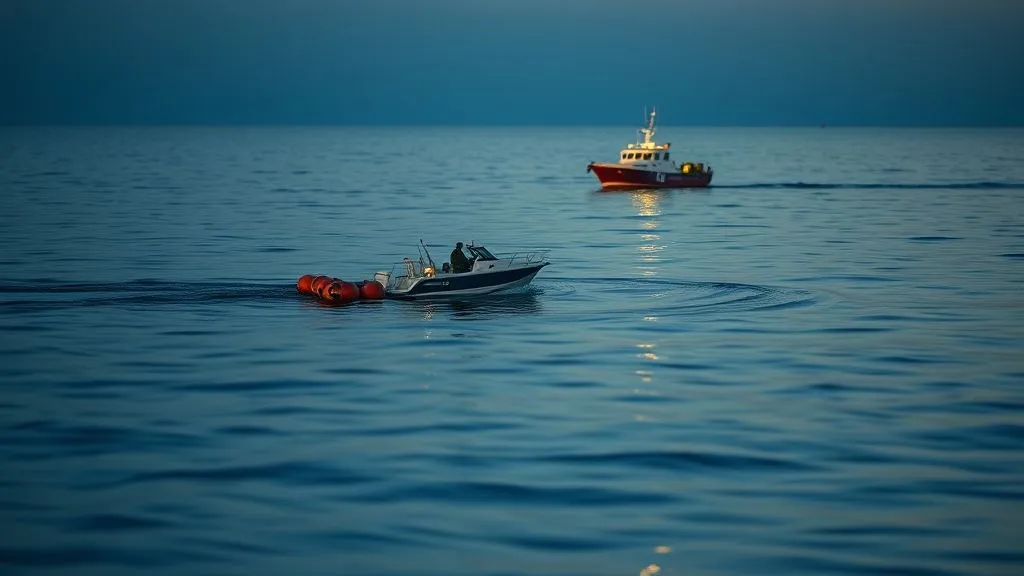
What Immediate Steps to Take After a Vessel's Bunker Spill?
For over two decades in maritime law, I've witnessed the devastating aftermath of vessel bunker spills – not just the ecological scars, but the crippling financial penalties, the reputational damage, and the sheer chaos that ensues when immediate action is either delayed or mismanaged. It’s a moment of truth for any vessel operator, a sudden crisis that demands a pre-planned, perfectly executed response. I've seen companies go under, and I've seen others emerge with their integrity intact, purely based on their initial reaction.
The problem isn't merely the spill itself; it's the cascading failures that can follow. A bunker spill isn't just an environmental incident; it's a legal minefield, an operational nightmare, and a public relations disaster waiting to happen. The pressure on the Master and crew is immense, often amplified by a lack of clear, actionable guidance in the heat of the moment. Without a structured, proven approach, panic can set in, leading to mistakes that compound the original problem.
In this definitive guide, I will share the critical, immediate steps that, in my extensive experience, are non-negotiable for effectively managing a vessel's bunker spill. You'll gain a robust framework, backed by international regulations and real-world insights, to navigate this crisis with confidence. We'll cover everything from initial containment to post-spill analysis, ensuring you have the knowledge to protect your crew, your vessel, and our precious marine environment.
The Golden Hour: Why Immediate Action is Paramount
In the world of maritime environmental incidents, we often speak of the 'golden hour' – that critical window immediately following a spill where rapid, decisive action can make the difference between a manageable incident and an unmitigated catastrophe. I can't stress this enough: every minute counts.
"The cost of a delayed response far outweighs the cost of immediate, decisive action. In bunker spills, procrastination is the most expensive mistake you can make." - An experienced maritime lawyer's maxim.
The consequences of delay are not just theoretical; they are brutally real. A small, contained spill can quickly spread, driven by currents, wind, and tides, making recovery exponentially more difficult and costly. The longer the oil remains in the water, the more it interacts with the marine ecosystem, increasing its toxicity and the scale of environmental damage.
Immediate risks include:
- Environmental Damage: Rapid spread of oil impacting marine life, shorelines, and sensitive habitats.
- Legal & Financial Penalties: Fines escalate dramatically based on the volume spilled, duration, and impact.
- Reputational Harm: Negative media coverage and public outcry can severely damage a company's standing.
- Operational Disruption: Port closures, detention of the vessel, and prolonged investigations.
- Crew Safety: Exposure to hazardous substances and risks during uncontrolled response efforts.
Step 1: Activate Your Shipboard Oil Pollution Emergency Plan (SOPEP)
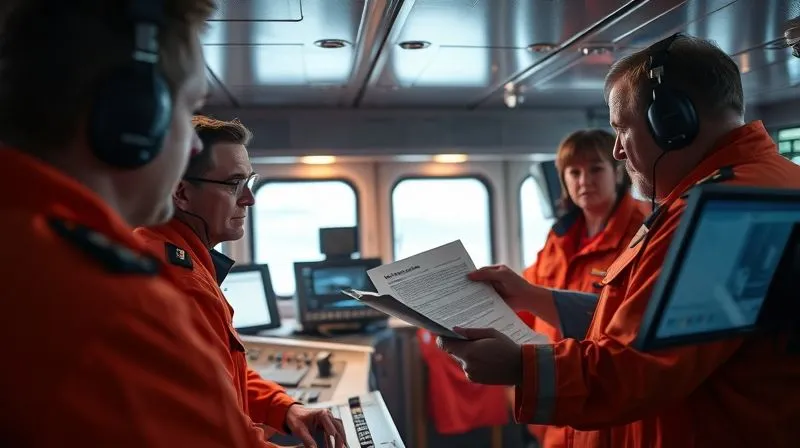
The very first thing to do, once the alarm is raised, is not to panic, but to immediately activate your vessel's Shipboard Oil Pollution Emergency Plan (SOPEP). This isn't just a document; it's your operational bible in a crisis, mandated by the International Maritime Organization (IMO) under MARPOL Annex I. Every vessel over 400 gross tonnage must have one, and every crew member should be familiar with its contents.
Initial Assessment and Notification
Once SOPEP is activated, the immediate focus is on assessment and internal notification. This isn't about external calls yet; it's about understanding the situation and getting your onboard team into action.
- Stop the Source: This is paramount. If the spill is ongoing, the absolute priority is to identify and stop the source of the leak. This might involve isolating tanks, shutting down pumps, or initiating emergency transfer procedures.
- Assess the Extent: Determine the type of oil (bunker fuel is typically heavy fuel oil), the estimated quantity spilled, and where it's spreading – both on deck and overboard.
- Sound the Alarm: Notify the bridge immediately. The Master must be informed without delay.
- Internal Communication: Activate the SOPEP team. Assign specific roles and responsibilities as outlined in the plan. This ensures a coordinated, rather than chaotic, response.
- Ensure Crew Safety: Before anyone approaches the spill, ensure they have the correct Personal Protective Equipment (PPE) and are aware of the hazards.
I've seen situations where a crew's immediate, disciplined activation of SOPEP prevented a minor leak from becoming a major incident. It shows that training and preparedness are invaluable.
Step 2: Containment at Source – The First Line of Defense
After stopping the source and activating SOPEP, the next critical step is to contain the spill as close to the source as possible. This involves both onboard and, if necessary, initial external containment efforts. Bunker fuel is viscous and spreads slowly at first, giving you a precious window for containment.
Onboard Containment Strategies
Your vessel's spill kit is not merely a formality; it's a vital tool. Make sure it's accessible and fully stocked.
- Deploy Spill Kit Contents: Use absorbent booms, pads, and granules to contain and soak up oil on deck. Prioritize preventing further oil from going overboard.
- Seal Scuppers and Drains: Crucially, ensure all deck scuppers are plugged to prevent oil from washing overboard with any deck wash or rain. I've seen countless spills worsen because this simple step was overlooked.
- Create Temporary Barriers: If oil is spreading on deck, use sandbags, rags, or even temporary coamings to create barriers and direct the flow to a controllable area.
- Internal Transfer: If possible and safe, transfer bunker fuel from the damaged tank to an intact one to reduce the pressure and volume of potential further leakage.
- Establish Safety Zones: Cordon off the affected area to prevent unauthorized access and ensure only properly equipped personnel are involved in the cleanup.
Case Study: The MV Neptune's Near Miss
The *MV Neptune*, a medium-sized bulk carrier, experienced a rupture in a bunker line during rough weather, leading to a significant spill on deck. The Master, having recently undergone extensive spill response training, immediately ordered the isolation of the affected line and activated the SOPEP. Critically, the crew rapidly deployed absorbent booms around the spill on deck and plugged all scuppers within minutes. Although a small quantity did go overboard before containment, the swift internal actions prevented what could have been a multi-ton environmental disaster. This quick response significantly limited the external spread, demonstrating the power of prepared, immediate onboard containment.
Step 3: External Notification and Reporting Protocols
Once immediate onboard containment is underway and crew safety is assured, the focus shifts to external notifications. This is where legal compliance and clear communication become paramount. Failure to report promptly and accurately can lead to severe penalties, regardless of the spill's size.
Who to Call and When: A Critical Checklist
Your SOPEP will have a detailed list of contact points, but generally, these are the key authorities you must notify:
- Coastal State Authorities: The most immediate and critical notification. This typically includes the Port State Control (PSC) or designated national authority in whose waters the spill occurred.
- Flag State Administration: Your vessel's flag administration must be informed.
- Ship's Owner/Operator & Designated Person Ashore (DPA): Essential for coordinating support and legal counsel.
- P&I Club: Your Protection and Indemnity (P&I) insurance provider needs to be notified immediately. They will guide you on legal liabilities, claims, and response coordination. I always advise my clients to contact their P&I Club as soon as possible, often even before local authorities, for initial guidance. A prominent P&I Club like Gard P&I provides invaluable support in these situations.
- Classification Society: If the spill involves structural damage, your classification society should be informed.
- Next Port of Call: To prepare them for your arrival and any necessary inspections.
"In reporting, transparency and accuracy are your best allies. Never downplay the incident; provide factual information as it becomes available."
The initial report should include: vessel name, position, time of incident, type of oil, estimated quantity, extent of damage, weather conditions, and actions taken. This information will evolve, but the initial notification must be prompt.
| Authority | Contact Method | Information Required |
|---|---|---|
| Coastal State Authority | VHF, Satellite Phone, Email (as per SOPEP) | Vessel details, incident time/location, oil type/quantity, actions taken, weather |
| Flag State Administration | Email, Satellite Phone | Detailed incident report, initial findings |
| P&I Club | 24/7 Emergency Line | Incident overview, potential liabilities, immediate legal/operational advice |
| Ship Owner/Operator (DPA) | Satellite Phone, Email | Full incident report, ongoing status updates, resource requests |
| Classification Society | Email, Phone | Details of structural damage (if applicable), planned repairs |
Step 4: On-Water Response and Environmental Protection
With external notifications made, the focus shifts to containing and recovering oil that has gone overboard. This is often a joint effort, coordinating with shore-based response teams and utilizing specialized equipment. This phase requires constant communication and adaptation to changing environmental conditions.
Deploying External Resources and Equipment
While your crew initiates onboard containment, shore-based emergency responders will mobilize. Their role is crucial for larger spills or those beyond the vessel's immediate capability.
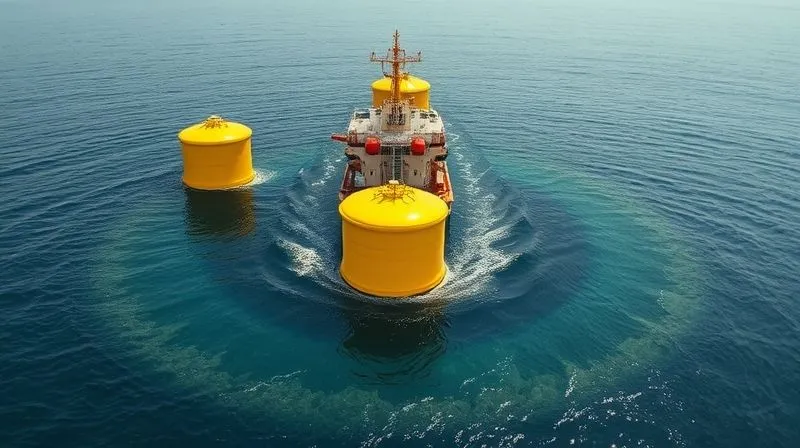
- Boom Deployment: The primary method for containing oil on water is the deployment of containment booms. These floating barriers prevent oil from spreading and concentrate it for recovery.
- Skimming Operations: Once contained, oil is recovered using skimmers, devices designed to remove oil from the water surface. Various types exist, chosen based on oil viscosity and sea conditions.
- Sorbents: Absorbent pads and rolls can be deployed within contained areas to soak up thinner oil sheens.
- Dispersants (with extreme caution): Chemical dispersants break oil into tiny droplets, allowing natural degradation. However, their use is highly regulated and often requires explicit permission from coastal authorities due to potential environmental impacts. I always advise against using dispersants without specific authorization, as unauthorized use can lead to further penalties. Consult resources like NOAA's Office of Response and Restoration for guidance on appropriate response tools.
- Shoreline Protection: If the spill is near land, efforts will be made to protect sensitive shorelines, mangroves, or bird nesting sites using booms and other barriers.
Effective on-water response requires close collaboration between the vessel's crew, port authorities, national response teams, and potentially private contractors. The Master's role here is to facilitate access and provide all necessary information about the vessel and its activities.
Step 5: Documentation, Investigation, and Evidence Collection
This step is often overlooked in the immediate chaos, but it is absolutely vital for your defense against potential claims, fines, and legal actions. What you document immediately after a spill can save you millions and protect your reputation down the line. I've seen cases won or lost based solely on the quality and completeness of initial documentation.
Building Your Defense: The Paper Trail
Think of yourself as an investigator from the moment the spill occurs. Every action, every observation, every decision needs to be meticulously recorded.
- Log All Actions: Maintain a detailed log of every action taken by the crew, including times, personnel involved, equipment used, and observations. This should be part of the official logbook.
- Photographic and Video Evidence: Take extensive photos and videos of the spill, its source, the affected areas, containment efforts, and the surrounding environment. Document before, during, and after cleanup. Ensure timestamps are accurate.
- Secure Samples: Collect samples of the spilled oil for forensic analysis. This can be crucial in identifying the source and matching it to your vessel's bunker fuel.
- Interview Crew: Obtain statements from crew members involved, detailing their observations and actions. These should be factual and unbiased.
- Preserve Records: Secure all relevant vessel records, including bunker receipts, transfer logs, tank soundings, engine room logs, and maintenance records.
- External Communications Log: Keep a precise record of all communications with external authorities, including who was contacted, when, by whom, and what information was exchanged.
This comprehensive documentation is not just for compliance; it's your primary evidence in any subsequent investigation or legal proceeding. Your P&I Club and legal counsel will rely heavily on this information. Remember, the burden of proof often falls on the vessel owner to demonstrate due diligence and appropriate response. For more insights into legal aspects, your P&I Club's resources are invaluable.
Step 6: Crew Safety and Well-being
Amidst the urgency of containment and reporting, it’s easy to overlook the human element. However, the safety and well-being of your crew are paramount. They are your most valuable asset, and their exposure to hazardous materials and high-stress situations demands careful management. I've always emphasized that a safe crew is an effective crew.
Protecting Your Most Valuable Asset
Bunker fuel is toxic and poses significant health risks through skin contact, inhalation of fumes, and ingestion. The response itself can also be physically demanding and psychologically taxing.
- Personal Protective Equipment (PPE): Ensure all crew involved in spill response wear appropriate PPE, including chemical-resistant suits, gloves, boots, and respiratory protection if fumes are present. Regularly inspect and maintain PPE.
- Hazard Communication: Brief the crew on the specific hazards of the bunker fuel and the risks associated with cleanup operations.
- Rest and Rotation: Spill response is exhausting. Implement a system for rotating crew members to prevent fatigue, which can lead to further accidents.
- Decontamination Procedures: Establish clear decontamination protocols for personnel and equipment after working in the spill area.
- Health Monitoring: Monitor crew members for any signs of exposure or adverse health effects. Provide immediate medical attention if needed.
- Psychological Support: A major incident can be traumatic. Be prepared to offer psychological support or counseling to crew members who may be affected by the stress and gravity of the situation.
"A well-trained, well-equipped, and well-cared-for crew is the cornerstone of effective emergency response. Their safety should never be compromised."
Step 7: Post-Spill Analysis, Remediation, and Prevention
Once the immediate crisis is over, the cleanup is complete, and the vessel is deemed safe, the work isn't truly finished. This final stage is crucial for learning from the incident, preventing recurrence, and fulfilling long-term environmental obligations. It's about turning a negative event into a catalyst for improvement.
Learning from the Incident and Moving Forward
A comprehensive post-spill review is essential for continuous improvement in your Safety Management System (SMS).
- Root Cause Analysis: Conduct a thorough investigation to determine the exact cause of the spill. Was it equipment failure, human error, a procedural flaw, or a combination? Use established methodologies like '5 Whys' or 'Fishbone Diagram'.
- Review and Update SOPEP: Based on the incident, critically evaluate the effectiveness of your SOPEP. Identify any deficiencies in procedures, equipment, or training. Update the plan accordingly.
- Crew Training and Drills: Reinforce crew training. Conduct additional drills focusing on the specific weaknesses identified during the incident. Ensure all new crew members are thoroughly familiar with spill response protocols.
- Equipment Inspection and Maintenance: Inspect all spill response equipment. Replace used absorbents, repair damaged booms, and ensure all gear is ready for the next (hopefully never-occurring) incident.
- Environmental Impact Assessment & Remediation: Work with environmental authorities to assess the long-term impact of the spill and implement any required remediation measures. This might involve ongoing monitoring of affected areas.
- Legal and Insurance Closure: Follow up on all legal and insurance aspects. Ensure all claims are settled, fines paid (if applicable), and necessary reports submitted to close the case.
Learning from an incident is a core tenet of effective maritime safety management. Organizations like DNV provide frameworks and services for robust safety management systems that help prevent such incidents.
| Action | Responsible Party | Status |
|---|---|---|
| Root Cause Analysis | DPA, Technical Superintendent, Master | Completed, Report Issued |
| SOPEP Review & Update | DPA, Safety Officer | Updated, Distributed |
| Crew Retraining & Drills | Master, Training Officer | Scheduled, Conducted |
| Spill Equipment Replenishment | Chief Officer, Storekeeper | Ordered, Stowed |
| Environmental Monitoring | External Consultant, Coastal Authority | Ongoing, Reports Submitted |
| Legal/Insurance Case Closure | P&I Club, Legal Counsel | Pending, Finalized |

Frequently Asked Questions (FAQ)
What if the spill is very minor, just a few liters? Do I still need to follow all these steps? Absolutely. Even a minor spill can escalate rapidly, and the legal obligation to report and respond remains. While the scale of response might differ, the core principles of SOPEP activation, containment, reporting, and documentation are non-negotiable. Many significant spills started as 'minor' incidents that were not properly managed.
Can I use dispersants immediately to clean up the spill? No. The use of dispersants is highly regulated and often requires explicit permission from the coastal state authorities. Unauthorized use can lead to severe penalties and may cause more environmental harm than good, especially in sensitive ecosystems or with certain oil types. Always await official authorization and guidance.
What are the potential penalties for a vessel bunker spill? Penalties can be severe and multi-faceted. They typically include significant fines (often in the millions for larger spills), criminal charges against the Master and crew, detention of the vessel, mandatory clean-up costs, and potentially long-term liability for environmental damages. The specifics depend on the jurisdiction and the severity of the spill.
How does P&I insurance factor into a bunker spill incident? Your P&I Club is your first line of defense for third-party liabilities arising from a spill. They provide legal advice, cover clean-up costs, compensation for environmental damage, and defend against claims. Immediate notification to your P&I Club is crucial for them to activate their resources and guide you through the complex legal and financial landscape.
What is the difference between the Flag State and Coastal State's role in a spill? The Flag State (the country where the vessel is registered) is responsible for ensuring the vessel complies with international conventions like MARPOL and for investigating incidents involving its flagged vessels. The Coastal State (the country in whose waters the spill occurred) has primary jurisdiction over the response, environmental protection, and enforcement of its national laws within its territorial waters and Exclusive Economic Zone (EEZ). Both roles are critical and often involve close cooperation.
Key Takeaways and Final Thoughts
A vessel bunker spill is one of the most challenging incidents a Master and crew can face, but it is not insurmountable. My experience has shown that preparedness, decisive action, and rigorous adherence to established protocols are the keys to mitigating damage and navigating the aftermath successfully.
- Prioritize SOPEP Activation: Your Shipboard Oil Pollution Emergency Plan is your blueprint for action.
- Containment is Critical: Stop the source and contain the spill immediately, both on deck and on water.
- Report Promptly and Accurately: Notify all relevant authorities and your P&I Club without delay.
- Document Everything: Meticulous record-keeping is your strongest defense.
- Ensure Crew Safety: Protect your people; they are your most valuable resource.
- Learn and Improve: Use every incident as an opportunity to enhance your safety management system.
Remember, the maritime environment is a shared responsibility. By understanding and diligently applying these immediate steps, you not only protect your vessel and your business but also contribute significantly to the preservation of our oceans. Stay vigilant, stay prepared, and act decisively when the moment demands it. The future of our marine ecosystems depends on it.
Recommended Reading
- IRS Suspects Business Tax Fraud? 7 Critical Steps to Protect Your Company
- Sports Team Acquisition: Why Legal Due Diligence is Your Secret Weapon
- The Ultimate Guide: How to Challenge an Involuntary Nursing Home Discharge
- 7 Expert Strategies: How to Maximize Spousal Asset Protection in Medicaid Planning
- Enforcing Arbitration Awards Against States: A 7-Step Expert Framework

Comments
Leave a comment below. Your email will not be published. Required fields marked with *