



What to do when a creditor ignores a valid fair credit billing claim?
For over two decades in consumer law, I've witnessed firsthand the profound frustration and anxiety that arises when individuals diligently follow the rules, only to be met with silence or dismissal from powerful financial institutions. It's a scenario that plays out far too often: you've identified a billing error, meticulously crafted your dispute letter under the Fair Credit Billing Act (FCBA), and sent it off, expecting a fair review. Then, nothing. Just crickets.
This isn't merely an inconvenience; it can be a deeply unsettling experience. An ignored claim can lead to continued erroneous charges, negative impacts on your credit score, and the feeling of being powerless against a system that seems rigged. You've done everything right, and yet, the problem persists, leaving you wondering if your rights truly matter.
In this definitive guide, I'll draw upon my extensive experience to provide you with a robust, step-by-step framework for reclaiming control. We’ll delve into the specific legal provisions designed to protect you, explore advanced tactics for escalating your claim, and arm you with the knowledge to navigate this challenging terrain. You'll learn not just what to do, but why each action is crucial, backed by insights from real-world scenarios and expert strategies that empower you to assert your consumer rights effectively.
Understanding Your Rights Under the Fair Credit Billing Act (FCBA)
Before we dive into what to do when your claim is ignored, it’s absolutely critical to solidify your understanding of the foundation upon which your rights rest: the Fair Credit Billing Act (FCBA). Enacted as part of the Truth in Lending Act, the FCBA is a powerful federal law designed to protect consumers from unfair billing practices and provide a clear mechanism for resolving billing errors on credit card accounts.
In my years of practice, I've seen many consumers make the mistake of not fully grasping the FCBA's nuances, which can inadvertently weaken their position. The Act specifies certain types of "billing errors" that are covered, including:
- Charges for purchases you didn't make or services you didn't receive.
- Charges for goods or services you didn't accept or that weren't delivered as agreed.
- Mathematical errors.
- Failure to properly credit payments or returns.
- Duplicate charges.
- Incorrect statement dates or amounts.
More importantly, the FCBA imposes strict obligations on creditors once they receive a valid billing error notice. According to the Consumer Financial Protection Bureau (CFPB), the creditor must acknowledge your dispute in writing within 30 days of receiving it, unless the problem is resolved within that time. Then, within two billing cycles (but not more than 90 days), they must either correct the error or explain why they believe the bill is correct.
"The FCBA isn't just a guideline; it's a legal mandate. Understanding its specific timelines and definitions is your first line of defense against creditor inaction."
During the investigation period, the creditor cannot try to collect the disputed amount or report it as delinquent to credit bureaus. This protection is invaluable, preventing immediate damage to your credit score while the issue is being resolved. However, this protection only applies to the disputed amount; you are still obligated to pay any undisputed portions of your bill.
Many consumers incorrectly assume that any dispute automatically falls under the FCBA. It's crucial to remember that the Act primarily applies to "open-end credit" accounts, like credit cards, charge cards, and revolving credit lines. While similar protections exist for other types of loans, the FCBA's specific mechanisms are tailored for these accounts. Ensuring your dispute fits these criteria and is communicated correctly is the initial, non-negotiable step in building a strong case.
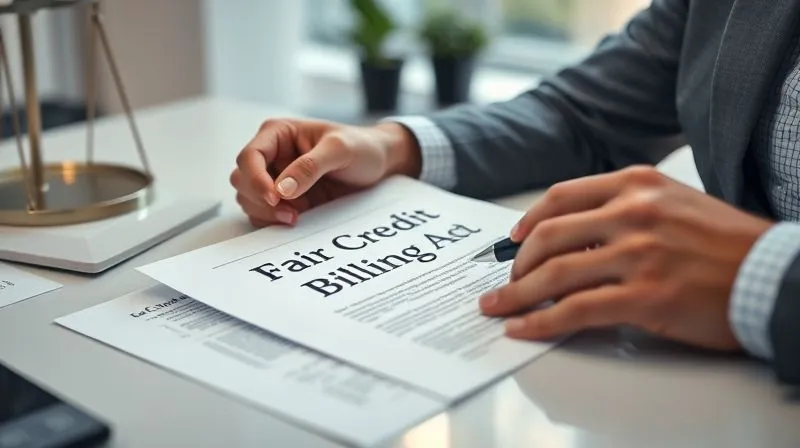
Verifying Your Original Claim's Validity and Documentation
Before you escalate, take a deep breath and conduct a thorough audit of your initial claim. In my experience, sometimes what appears to be a creditor ignoring a claim is, in fact, an issue with how the claim was presented or whether it met the FCBA's specific requirements. This isn't about blaming the victim; it's about empowering you to identify and rectify any potential weaknesses in your approach.
Think of yourself as an internal auditor. Did you send your dispute in writing? Was it sent to the correct billing inquiry address, not the payment address? Did you include your account number, the specific disputed amount, and a clear explanation of why you believe there's an error? The FCBA mandates that your written notice must reach the creditor within 60 days after the first statement showing the error was mailed to you. Missing this deadline, unfortunately, often voids your FCBA protections.
Here’s a checklist I often advise clients to use:
- Written Notice: Was your dispute sent in writing, not just a phone call? (Phone calls are generally not sufficient for FCBA protection).
- Correct Address: Did you send it to the 'billing error' or 'billing inquiry' address specified on your statement?
- Timeliness: Was the dispute postmarked within 60 days of the statement containing the error?
- Specifics: Did you clearly state your account number, the specific dollar amount of the error, and a detailed explanation of why it's an error?
- Supporting Documentation: Did you include copies (never originals!) of any relevant receipts, statements, or other proof?
- Proof of Mailing: Did you send it via certified mail with a return receipt requested? This is non-negotiable for proving delivery and timeliness.
I've seen countless cases where a consumer's genuine dispute was weakened simply because they couldn't prove the creditor received it. Certified mail is your ironclad proof. Without it, you're relying on the creditor's good faith, which, while often present, isn't something you want to bet your financial well-being on. If you didn't use certified mail, it's not the end of the world, but it does mean your next steps need to be even more robust in documenting everything.
The Critical Waiting Period: When 'Ignored' Becomes Actionable
Patience, while a virtue, can also be a trap when dealing with billing disputes. Many consumers, understandably anxious, jump the gun before the creditor has legally had a chance to respond. Conversely, others wait too long, missing critical windows for escalation. Understanding the FCBA's timelines is paramount to knowing exactly when your claim has officially been 'ignored' in a way that warrants further action.
As I mentioned, the FCBA sets two key deadlines for creditors:
- Acknowledgment: The creditor must acknowledge your written dispute within 30 days of receiving it. This acknowledgment doesn't have to be a resolution; it's simply a confirmation that they received your letter and are investigating.
- Resolution: The creditor must resolve the dispute (either by correcting the error or explaining why they believe it's correct) within two billing cycles, but no more than 90 days, after receiving your dispute.
So, when is a claim truly "ignored"? It's ignored if you haven't received a written acknowledgment within 30 days of the creditor receiving your certified letter. Or, more definitively, it's ignored if 90 days have passed since they received your letter, and you haven't received a resolution or a satisfactory explanation for why the charge is valid.
During this waiting period, it's crucial to continue monitoring your credit card statements and your credit reports. The creditor is legally prohibited from reporting the disputed amount as delinquent to credit bureaus while the investigation is ongoing. However, errors can happen, and you need to be vigilant. Keep all correspondence, notes from phone calls (if any), and copies of your certified mail receipts in a dedicated file.
Once these deadlines pass without a proper response, the creditor has violated the FCBA. This violation significantly strengthens your position, as it opens doors to specific remedies and escalation paths that weren't available before. This is the moment when 'ignored' transforms from a frustrating oversight into a clear legal breach, giving you the leverage you need to move forward.
Escalation Tactics: Beyond the Initial Dispute Letter
When the initial FCBA dispute letter fails to elicit a proper response within the stipulated timelines, it’s time to shift gears from passive waiting to active escalation. This phase requires strategic communication and a clear demonstration that you understand your rights and are prepared to defend them. I often tell clients that persistence, coupled with precision, is your most potent weapon here.
Sending a Second, More Forceful Letter
Your next step should be to send a second letter. This isn't just a repeat of the first; it's an escalation notice. This letter should:
- Reference the Original Dispute: Clearly state the date of your initial dispute letter and the account/transaction it concerned.
- Cite FCBA Violation: Explicitly state that the creditor has failed to comply with the FCBA's requirements (e.g., no acknowledgment within 30 days, no resolution within 90 days).
- Detail the Consequences: Inform them of the specific legal consequences of their inaction, such as their inability to collect the disputed amount, report it to credit bureaus, or pursue legal action against you for that amount.
- Demand Action: Reiterate your demand for a correction of the error and a prompt response.
- State Intent to Escalate: Clearly indicate your intention to file complaints with regulatory bodies (like the CFPB) and potentially seek legal counsel if the matter is not resolved immediately.
Again, send this letter via certified mail with a return receipt. This second letter serves as a formal warning, often prompting a response from creditors who might have initially overlooked or underestimated your commitment to resolving the issue. It shows you're not just complaining; you're informed and serious.
Internal Escalation: Supervisory Channels
Simultaneously or shortly after sending your second letter, consider attempting to contact a supervisory individual within the creditor's organization. While phone calls aren't generally sufficient for FCBA disputes, a well-documented call to a manager or a dedicated 'executive complaints' department can sometimes cut through red tape. Always note down the date, time, name of the person you spoke to, their title, and a summary of the conversation. Follow up with an email summarizing the call, if possible.
Case Study: Eleanor's Unresolved Hotel Charge
Eleanor, a retired teacher, disputed a $750 hotel charge on her credit card. She had canceled the reservation months in advance and had confirmation. She sent her initial FCBA letter via certified mail. After 35 days, with no acknowledgment, she sent a second, firmer letter, explicitly citing the FCBA's 30-day acknowledgment rule and stating her intent to involve the CFPB. Within a week of the second letter's receipt, she received a call from a senior customer service representative, followed by a formal written apology and a credit for the full $750. This demonstrates how a clear, legally-informed escalation can often resolve issues that initially met with silence.

Leveraging Regulatory Bodies: The CFPB and Beyond
When direct communication and internal escalation fail, it's time to bring in the heavy hitters: regulatory agencies. These bodies exist precisely to protect consumers from unfair and illegal practices by financial institutions. Engaging them sends a clear signal to the creditor that you are serious and that their non-compliance will have external repercussions.
Filing a Complaint with the Consumer Financial Protection Bureau (CFPB)
The CFPB is arguably the most powerful federal agency for consumer financial protection in the United States. They handle complaints about a wide range of financial products and services, including credit cards. Filing a complaint with the CFPB is a relatively straightforward process, but it requires accuracy and all your documentation.
Here’s how it works:
- Gather Your Documents: Have all your correspondence, certified mail receipts, original dispute letter, the second escalation letter, and any responses (or lack thereof) from the creditor ready.
- Visit the CFPB Website: Go to consumerfinance.gov and navigate to the "Submit a complaint" section.
- Provide Details: Fill out the complaint form accurately, detailing the creditor, the nature of the billing error, your attempts to resolve it, and the creditor's failure to comply with the FCBA. Attach all your supporting documents.
- CFPB Action: The CFPB will forward your complaint to the creditor and expect a response within a specific timeframe (usually 15 days for an initial response, 60 days for a full resolution). They track these complaints and use them to identify patterns of misconduct.
A CFPB complaint often prompts a swift response from the creditor because these complaints are publicly recorded and can impact a company's regulatory standing. This is a significant step that often yields results where individual efforts have failed. According to their own data, the CFPB helps resolve thousands of consumer complaints annually, with many consumers reporting positive outcomes.
State Attorney General and Other Agencies
While the CFPB is your primary federal avenue, don't overlook state-level protections. Your State Attorney General's office or a state consumer protection agency can also be a valuable resource. They often have specific departments dedicated to consumer complaints against financial institutions. While their powers might differ from the CFPB, they can add another layer of pressure and, in some cases, provide mediation services or pursue legal action on behalf of consumers.
Additionally, if the creditor is a bank, you might consider contacting their primary federal regulator, such as the Office of the Comptroller of the Currency (OCC) for national banks, or the Federal Deposit Insurance Corporation (FDIC) for state-chartered banks that are not members of the Federal Reserve System. However, for credit card billing errors, the CFPB is generally the most direct and effective route.
"Never underestimate the power of a formal complaint to a regulatory body. These agencies are designed to level the playing field between consumers and large corporations."
Understanding Your Credit Report Protections
One of the most insidious consequences of an ignored billing claim is the potential damage to your credit report. An erroneously reported delinquent account can significantly harm your credit score, impacting your ability to secure future loans, housing, or even employment. Fortunately, the FCBA works in conjunction with another powerful federal law, the Fair Credit Reporting Act (FCRA), to protect you.
The FCBA explicitly states that a creditor cannot report a disputed amount as delinquent to credit bureaus while the investigation is ongoing. If they do, they are in violation of the FCBA. Moreover, if your dispute is ultimately found to be valid, the creditor must correct the error and ensure that any negative reporting related to that amount is removed from your credit file.
However, what happens if the creditor ignores your FCBA claim and then reports the disputed amount as delinquent anyway? This is where the FCRA comes into play. Under the FCRA, you have the right to dispute inaccurate information directly with the credit bureaus (Experian, Equifax, and TransUnion).
Here’s the process I recommend:
- Monitor Your Credit Reports: Regularly obtain free copies of your credit reports from AnnualCreditReport.com. Check them carefully for any mention of the disputed charge or any negative remarks related to it.
- Dispute with Credit Bureaus: If you find an inaccurate entry related to your disputed charge, immediately dispute it with each credit bureau that is reporting it. You can do this online, by mail, or by phone.
- Provide Documentation: When disputing with credit bureaus, provide copies of all your FCBA dispute letters, certified mail receipts, and any evidence showing the creditor ignored your claim or failed to comply.
- Credit Bureau Investigation: The credit bureau must investigate your dispute, usually within 30 days. They will contact the creditor, who is then obligated to verify the accuracy of the information. If the creditor cannot verify it, or if they confirm the error, the information must be removed.
The synergy between FCBA and FCRA is critical. Your FCBA dispute establishes the initial legal ground for the error, and if the creditor then fails to comply, the FCRA provides a mechanism to correct any resulting credit report inaccuracies. This dual-pronged approach is essential for safeguarding your financial reputation.
| Credit Bureau | Dispute Method | Typical Response Time |
|---|---|---|
| Experian | Online, Mail, Phone | 30 days |
| Equifax | Online, Mail, Phone | 30 days |
| TransUnion | Online, Mail, Phone | 30 days |
Considering Legal Counsel: When to Call an Attorney
While the steps we've discussed empower you to handle many disputes independently, there comes a point when the complexity, the stakes, or the sheer intransigence of the creditor warrant the involvement of a legal professional. Deciding when to bring in an attorney is a strategic decision, and in my experience, it's often best to do so earlier rather than later if the situation feels overwhelming or genuinely intractable.
You should strongly consider contacting a consumer law attorney if:
- The Disputed Amount is Substantial: If the error involves a significant sum of money that would cause substantial financial hardship.
- Creditor Continues to Report Negatively: Despite your FCBA and FCRA disputes, the creditor continues to report the disputed amount as delinquent on your credit report.
- Debt Collection Harassment: The creditor or a debt collector begins aggressive or harassing collection attempts for the disputed amount.
- Repeated FCBA Violations: The creditor has repeatedly failed to acknowledge, investigate, or resolve your claim within the legally mandated timeframes, even after escalation and regulatory complaints.
- Complex Legal Issues: Your case involves intricate legal questions or multiple parties, making it difficult to navigate on your own.
- You Feel Overwhelmed: The emotional and time burden of fighting a large financial institution becomes too much to bear.
A qualified consumer law attorney brings several critical advantages to the table. They understand the nuances of the FCBA, FCRA, and other relevant consumer protection laws. They can:
- Assess Your Case: Provide an objective evaluation of the strength of your claim and the likelihood of success.
- Communicate on Your Behalf: Often, a letter or call from an attorney carries more weight with a creditor than direct consumer communication.
- Negotiate Settlements: Attorneys are skilled negotiators and can often secure favorable settlements, including the removal of erroneous charges, correction of credit reports, and sometimes even damages for legal violations.
- Litigate if Necessary: If all else fails, an attorney can file a lawsuit on your behalf. The FCBA and FCRA include provisions for consumers to sue creditors for non-compliance, often allowing for the recovery of actual damages, statutory damages, and attorney's fees. This means that if you win, the creditor may have to pay your legal costs.
Finding the right attorney is key. Look for one specializing in consumer law, particularly credit and debt disputes. Many offer free initial consultations, allowing you to discuss your case and understand your options without immediate financial commitment. Don't view legal counsel as a sign of failure in your own efforts; view it as a powerful, necessary escalation when your rights are being persistently trampled.
Proactive Measures: Preventing Future Billing Disputes
While this guide focuses on resolving disputes after they arise, an ounce of prevention is worth a pound of cure. As an expert in this field, I always emphasize that diligent personal financial management can significantly reduce the likelihood of facing ignored billing claims in the first place. These proactive steps empower you to maintain control and minimize potential headaches.
Here are my top recommendations for preventing future billing errors and strengthening your position should one occur:
- Review Statements Meticulously: Don't just glance at your monthly credit card statements. Review every single transaction. Look for unfamiliar charges, duplicate entries, or incorrect amounts. Catching an error early is far easier than disputing it months later.
- Keep Detailed Records: For every significant purchase, especially online or when traveling, retain receipts, order confirmations, and any correspondence. Create a digital or physical folder for each credit card and store these documents chronologically. This documentation is your strongest ally if you ever need to dispute a charge.
- Monitor Account Activity Regularly: Many credit card companies offer online access to your account activity in real-time. Make it a habit to log in weekly or bi-weekly to spot suspicious activity or errors before your monthly statement even arrives.
- Understand Merchant Return Policies: Before making a purchase, especially for large items, be aware of the merchant's return, refund, and cancellation policies. This knowledge is crucial if you need to dispute a charge related to services not rendered or goods not delivered as expected.
- Use Secure Payment Methods: When shopping online, ensure the website uses "https://" and look for padlock icons. Avoid public Wi-Fi for financial transactions. While not directly related to billing *errors*, it reduces the risk of fraudulent charges that you'd then need to dispute.
- Set Up Alerts: Many credit card issuers allow you to set up alerts for transactions over a certain amount, international purchases, or even every transaction. These real-time notifications can help you identify unauthorized activity or errors almost instantly.
By adopting these habits, you're not just being careful; you're building a robust personal financial defense system. You'll be able to identify discrepancies quickly, gather evidence efficiently, and initiate disputes well within the FCBA's strict timelines. This proactive stance not only minimizes your exposure to billing errors but also ensures that if a creditor ever does try to ignore a valid claim, you'll be armed with undeniable proof and a clear path to resolution.
| Proactive Measure | Frequency | Benefit |
|---|---|---|
| Review Statements | Monthly | Early error detection |
| Keep Detailed Records | Per transaction | Strong dispute evidence |
| Monitor Online Activity | Weekly/Bi-weekly | Real-time fraud/error detection |
| Understand Policies | Before purchase | Smooth returns/cancellations |
Frequently Asked Questions (FAQ)
Q: What if I didn't send my initial dispute via certified mail? Am I out of luck? A: While certified mail with a return receipt is highly recommended as irrefutable proof of delivery, not using it doesn't automatically void your claim. However, it does make proving the creditor received your dispute more challenging. You should still proceed with sending a second, stronger letter via certified mail, explicitly referencing your earlier attempt and providing all documentation. The burden of proof shifts, but you still have consumer rights. Focus on meticulously documenting all future communications.
Q: Can a creditor charge me interest on the disputed amount while it's under investigation? A: No. Under the FCBA, while the disputed amount is under investigation, the creditor cannot charge interest or any other finance charges on that specific amount. They also cannot demand payment for it. You are, however, still obligated to pay any undisputed portions of your bill, including interest on those amounts. Once the dispute is resolved, if the creditor determines the charge was valid, they can then retroactively apply interest from the original transaction date.
Q: How long does a CFPB complaint typically take to resolve? A: The CFPB aims for a relatively quick resolution. Once you submit a complaint, they typically forward it to the company within 15 days for an initial response. The company then has up to 60 days to provide a full response and resolution. However, complex cases may take longer. You'll receive updates from the CFPB throughout the process and can monitor the status of your complaint on their portal.
Q: What are the specific legal remedies if a creditor violates the FCBA? A: If a creditor violates the FCBA, particularly by failing to resolve a valid billing error or by reporting a disputed amount as delinquent, you may have the right to sue them. Successful lawsuits can result in the creditor forfeiting the disputed amount (up to $50, even if the error was larger), actual damages (e.g., for harm to your credit or emotional distress), and importantly, attorney's fees and court costs. This provision is powerful because it encourages attorneys to take on consumer cases, as their fees can be paid by the violating party.
Q: Can I stop making payments on my credit card if I have an unresolved FCBA dispute? A: You should only stop paying the specific disputed amount. You are legally obligated to continue making payments on any undisputed portions of your credit card bill. Failing to do so can lead to late fees, negative credit reporting for the undisputed amounts, and further complications. The FCBA's protection against collection and negative reporting only applies to the specific amount you have formally disputed.
Key Takeaways and Final Thoughts
- Know Your Rights: The Fair Credit Billing Act (FCBA) is your foundational protection. Understand its timelines and what constitutes a valid billing error.
- Document Everything: Meticulous record-keeping, especially certified mail receipts, is non-negotiable for proving your case.
- Escalate Strategically: Don't just wait. Send a second, stronger letter citing FCBA violations and explore internal supervisory channels.
- Leverage Regulatory Power: The CFPB is a powerful ally. File a formal complaint when direct efforts fail.
- Protect Your Credit: Monitor your credit reports and dispute any inaccurate negative entries related to the ignored claim under the FCRA.
- Consider Legal Counsel: For substantial amounts, persistent creditor inaction, or complex issues, a consumer law attorney can be a game-changer.
- Prevent Proactively: Regular statement review and diligent record-keeping can significantly reduce the incidence of future disputes.
Navigating the aftermath of an ignored fair credit billing claim can feel like an uphill battle against a behemoth. However, as I've aimed to show, you are not powerless. Armed with knowledge, persistence, and the right strategies, you possess the tools to assert your rights and hold creditors accountable. Remember, consumer protection laws exist for a reason – to ensure fairness and transparency in financial dealings. By taking decisive, informed action, you not only resolve your immediate issue but also contribute to a more just financial landscape for everyone. Stand firm, stay informed, and reclaim your financial peace of mind.
Recommended Reading
- Fatal Truck Crash: 7 Critical Steps to Secure Black Box Data
- 5 Legal Remedies for Licensee Trade Secret Breaches: Your Action Plan
- The Essential Guide: What is the Rational Basis Test in Equal Protection?
- Audit Failure? 7 Steps for Urgent Environmental Legal Strategy
- 7 Steps: Advising Clients on Immediate Visa Eligibility Changes Post-Reform



Comments
Leave a comment below. Your email will not be published. Required fields marked with *