



What to Do When an Administrative Appeal is Stuck Indefinitely?
For over two decades in the intricate world of administrative law, I’ve witnessed firsthand the profound frustration and despair that arises when an individual’s life-altering administrative appeal seemingly vanishes into a bureaucratic black hole. It’s a feeling of helplessness, of being caught in a system that appears indifferent to your plight, where the wheels of justice grind to an agonizing halt. I’ve seen countless individuals, from veterans seeking benefits to small business owners fighting regulatory decisions, grapple with this exact predicament.
The problem isn't just a delay; it's an indefinite limbo that can jeopardize livelihoods, health, and peace of mind. It's the silent erosion of trust in the very systems designed to provide recourse. You've followed the rules, submitted your appeal, and now you're left waiting, with no clear timeline, no direct contact, and a growing sense that your case is simply forgotten.
This article isn't just a theoretical discussion; it's a practical roadmap born from years of navigating these very mazes. I will share actionable strategies, drawing on my experience, legal principles, and real-world scenarios, to empower you to cut through the red tape and understand what to do when an administrative appeal is stuck indefinitely. We’ll explore everything from meticulous documentation to understanding your legal recourse, ensuring you have the tools to advocate effectively for yourself.
Understanding the Labyrinth: Why Appeals Get Stuck
Before we can strategize on how to move your appeal forward, it’s crucial to understand the common reasons why administrative appeals become mired in indefinite delays. This isn't always malicious intent; often, it's systemic.
Common Causes of Bureaucratic Delays
- Staffing Shortages and High Caseloads: Many administrative agencies operate under tight budgets and are perpetually understaffed, leading to an overwhelming backlog of cases. A single adjudicator might be responsible for hundreds, if not thousands, of appeals.
- Complex Regulations and Procedures: Administrative law is notoriously intricate. Appeals often involve interpreting complex statutes, regulations, and agency policies, requiring significant time and expertise from adjudicators.
- Internal Review Processes: Appeals typically go through multiple layers of review within an agency. Each layer adds time, especially if there are internal disagreements or a need for additional information.
- Lack of Centralized Tracking: Believe it or not, some older agency systems lack robust, interconnected tracking mechanisms, making it easy for a physical file or digital record to get misplaced or overlooked.
- Request for Additional Information: Sometimes, delays occur because the agency has requested further documentation from you, but the request either wasn't received, was unclear, or was misfiled.
- Policy Changes or Litigation: Broader policy shifts or ongoing litigation affecting similar cases can cause agencies to pause decisions on related appeals until precedents are set or new guidelines are issued.
The Psychological Toll of Inaction
Beyond the procedural headaches, I've seen the very real human cost of these delays. An indefinitely stuck appeal isn't just an administrative inconvenience; it's a source of immense stress, anxiety, and often, significant financial strain. Individuals can feel unheard, disrespected, and powerless against the seemingly monolithic government. This emotional burden can be as debilitating as the original issue being appealed.
In my experience, understanding the 'why' behind the delay, even if it's frustrating, can help you channel your energy more effectively. It shifts you from a passive victim to an active problem-solver. While patience is a virtue, blind patience in the face of indefinite delay is a liability.
Phase 1: Initial Due Diligence and Documentation (Your Foundation)
The first and most critical step when an administrative appeal is stuck indefinitely is to establish an unshakeable foundation of information and documentation. This is your personal war chest against bureaucratic inertia.
Reviewing Your Original Submission
Go back to the very beginning. Pull out every piece of paper, every email, every confirmation related to your appeal. You need to be intimately familiar with what you submitted and when.
- Verify Completeness: Did you submit all required forms and supporting documents? A missing signature or a forgotten exhibit can cause indefinite delays.
- Check Deadlines: Did you meet all filing deadlines? While agencies can be lenient, a late filing can be a legitimate reason for an appeal to be stalled or denied.
- Review the Basis of Your Appeal: Re-read your arguments. Are they clear, concise, and directly address the agency's initial decision? Sometimes, an unclear appeal can lead to adjudicators seeking clarification, which takes time.
- Confirm Receipt: Do you have proof the agency received your appeal? This could be a certified mail receipt, an email confirmation, or a stamped copy if filed in person.
Documenting All Communications
From this point forward, every interaction, no matter how minor, must be meticulously documented. This creates an undeniable paper trail that can be invaluable later.
When I advise clients facing a stalled appeal, I always emphasize the creation of a comprehensive communication log. This log should include:
- Date and Time: When the communication occurred.
- Method of Communication: Phone call, email, letter, in-person meeting.
- Whom You Spoke With: Full name, title, and department of the agency representative.
- Summary of Discussion: Key points discussed, information provided, questions asked, and any promises or next steps agreed upon.
- Reference Numbers: Any new or existing case, inquiry, or reference numbers provided.
- Copies of Correspondence: Keep digital and physical copies of all letters, emails, faxes, and notes.

Phase 2: Proactive Engagement and Communication
Once your documentation is in order, the next step is to initiate proactive and strategic communication with the agency. This is where you transition from passively waiting to actively seeking answers.
Strategic Inquiry: Who to Contact and How
Don't just call the general information line. You need to target your inquiries to the people who can actually provide information or take action.
- Start with the Case Officer/Analyst: If you were assigned a specific case officer or analyst, they are your first point of contact. Be polite but firm in requesting an update and a projected timeline.
- Contact Their Supervisor: If you don't receive a satisfactory response (or any response) within a reasonable timeframe (e.g., 1-2 weeks), escalate to the case officer's immediate supervisor.
- Reach Out to the Department Head: For persistent non-responses, identify the head of the department or division responsible for appeals processing.
- Use the Agency's Formal Inquiry Channels: Many agencies have specific hotlines or online portals for status inquiries. Use these, and always document your interactions.
The Power of Written Communication
While phone calls can be quick, written communication creates an indisputable record. Always follow up phone calls with a brief email summarizing what was discussed.
- Formal Letters: Send letters via certified mail with a return receipt requested. This provides proof of delivery and who signed for it. Clearly state your appeal number, the date of your original submission, and the reason for your inquiry.
- Email Trails: Keep all email correspondence. If you initiate an email, ensure it has a clear subject line (e.g., "URGENT: Appeal Status Inquiry - [Your Name] - Case #XXXXX").
- Reference Your Documentation: In all communications, refer to your meticulous records. "As per my call on [Date] with [Name]..." or "I refer to my appeal filed on [Date] with supporting document [Exhibit #]..."
The goal of proactive communication isn't just to get an update; it's to create a paper trail that demonstrates your persistent efforts to resolve the issue. This record becomes invaluable if you need to escalate further, showing that you've exhausted reasonable internal avenues.
Case Study: Mr. Henderson's Social Security Appeal
Case Study: How Mr. Henderson Unclogged His Social Security Appeal
Mr. Henderson, a 62-year-old former factory worker, filed an appeal for Social Security Disability benefits after being denied. Six months passed since his hearing, with no decision. Frustrated, he initially just called the general SSA hotline, receiving vague answers. Following my advice, he compiled a meticulous log of all past communications and his original submission. He then sent a certified letter directly to the Administrative Law Judge's office, referencing his hearing date and case number, politely requesting a status update and citing the lack of communication. When no response came within two weeks, he sent another certified letter, copying the regional SSA director and attaching his previous letter and communication log. This strategic escalation, coupled with a clear, documented history of his attempts to get an update, prompted a response within ten days. He received an apology for the delay and a projected decision date, which was met. This proactive, documented approach was key.
| Date | Method | Contact Person | Summary | Response/Action |
|---|---|---|---|---|
| 2023-01-15 | Certified Mail | N/A (Agency Mail Room) | Filed initial appeal, Case #12345 | Received mail receipt 2023-01-18 |
| 2023-03-20 | Phone Call | Agent Smith, Appeals Dept. | Inquired about status. Told 'awaiting review'. No timeline given. | None |
| 2023-04-05 | Agent Smith | Follow-up to phone call. Requested estimated timeline. | No response | |
| 2023-04-20 | Certified Letter | Supervisor Jane Doe, Appeals Dept. | Formal status inquiry, referenced previous attempts. Attached communication log. | Email response received 2023-04-25, promising update within 10 business days |
Phase 3: Escalation Strategies within the Agency
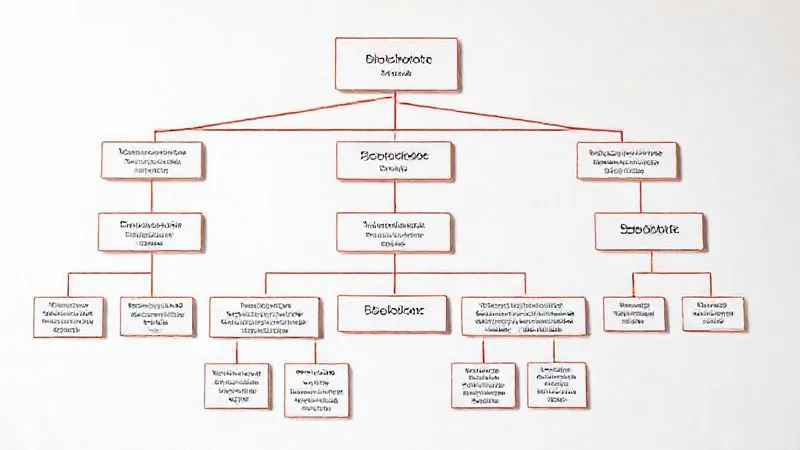
If proactive communication doesn't yield results, it's time to explore more formal escalation channels within the administrative agency itself. Many agencies have built-in mechanisms for addressing stalled processes, though they often require you to know where to look.
Identifying the Right Escalation Path
Beyond individual supervisors, agencies often have specific offices designed to handle complaints or intractable issues:
- Agency Ombudsmen: Many larger federal and state agencies have an Ombudsman's office. An ombudsman acts as an impartial liaison between the public and the agency, investigating complaints about agency actions or inactions. They can often cut through red tape and get answers that individual staff might not provide.
- Internal Review Boards or Committees: Some agencies have formal boards or committees that review cases that have exceeded standard processing times or have faced significant procedural issues. Identifying and petitioning these bodies can force a review.
- Congressional Liaisons/Public Affairs Offices: While not directly involved in adjudication, these offices can sometimes facilitate communication or provide general guidance on agency processes.
Understanding the agency's specific structure and the procedures outlined in the Administrative Procedure Act (APA), or its state-level equivalents, is crucial. The APA generally requires agencies to conclude matters presented to them with reasonable dispatch.
Formal Grievance and Complaint Procedures
If an ombudsman or direct supervisor escalation fails, look for the agency's formal grievance or complaint procedure. These are often detailed on the agency's website or in its internal procedural manuals.
- Filing a Formal Complaint: This typically involves submitting a written complaint detailing the history of your appeal, the delays experienced, and your attempts to resolve the issue. Attach your communication log and relevant documentation.
- Requesting an Expedited Review: Some agencies have provisions for requesting an expedited review of an appeal, especially if there are compelling circumstances (e.g., severe financial hardship, medical urgency). Be prepared to provide evidence supporting your request.
A formal complaint or grievance is not just a plea; it's a statement that you understand your rights and are prepared to hold the agency accountable. It often triggers a higher level of review and can be the necessary push to get your appeal moving again.
Phase 4: Seeking External Advocacy and Oversight
When internal agency channels prove ineffective, it's time to consider external avenues that can apply pressure or provide additional oversight. These steps involve bringing your issue to bodies outside the direct control of the agency.
Congressional or Legislative Inquiries
One of the most powerful tools available to citizens is their elected representatives. Members of Congress (for federal appeals) or state legislators (for state appeals) have constituent services staff dedicated to assisting their constituents with issues involving government agencies.
- How it Works: You contact your representative's office, explain your situation, and provide them with all your documentation. Their staff will then make an inquiry on your behalf to the agency. This often gets attention because agencies are typically responsive to inquiries from elected officials.
- What to Expect: While they cannot overturn a decision, they can often get a definitive status update, an explanation for the delay, and sometimes even expedite the review process simply by shining a spotlight on your case.
- Preparation: Provide your representative's office with a concise summary of your issue, copies of your appeal, and your meticulous communication log.
Media and Public Awareness (Use with Caution)
In rare and extreme cases, if your appeal has significant public interest implications or demonstrates a systemic failure, engaging with the media can be an option. However, this should be approached with extreme caution and only after exhausting all other avenues.
- Considerations: Media attention can create public pressure, but it can also be unpredictable and may not always lead to the desired outcome. Ensure your story is compelling, well-documented, and that you are prepared for public scrutiny.
- Professional Guidance: If you consider this path, it is highly advisable to consult with an attorney or a public relations expert who specializes in crisis communication.
Many non-profit organizations and advocacy groups specialize in assisting individuals with administrative appeals, particularly in areas like veterans' benefits, disability rights, or immigration. Organizations like the National Legal Aid & Defender Association can often point you to relevant local resources.
Phase 5: Legal Recourse – When All Else Fails
If your administrative appeal is stuck indefinitely despite exhausting all internal and external advocacy efforts, it may be time to consider formal legal action. This is a significant step that often requires the expertise of an attorney.
Consulting an Administrative Law Attorney
An attorney specializing in administrative law will have a deep understanding of agency procedures, relevant statutes (like the APA), and judicial review standards. They can:
- Assess Your Case: Evaluate the strength of your original appeal and the merits of your claim regarding the delay.
- Navigate Complexities: Determine if the agency has violated its own regulations or statutory requirements regarding timely processing.
- Represent You: Act as your official representative, communicating directly with the agency, which can sometimes prompt a more serious response.
- Advise on Legal Options: Explain the various judicial remedies available and their likelihood of success.
While hiring an attorney involves costs, the long-term implications of an indefinitely stalled appeal (e.g., lost benefits, continued financial hardship) can often outweigh these expenses. Many attorneys offer initial consultations to discuss your options.
Understanding Mandamus Actions
One of the most common legal remedies for an indefinitely stalled administrative appeal is a writ of mandamus. This is a powerful judicial order compelling a government agency or official to perform a duty that they are legally required to do but have failed or refused to perform.
- When it Applies: A mandamus action is typically sought when there has been an unreasonable delay, and the agency has a clear, non-discretionary duty to act. It's not about forcing a particular outcome on your appeal, but forcing the agency to *make a decision*.
- High Bar for Success: Courts generally grant mandamus only when:
a) The petitioner has a clear right to the relief sought.
b) The respondent (the agency) has a clear duty to perform the act in question.
c) No other adequate remedy is available. - Evidence is Key: Your meticulous communication log and documentation of all your attempts to get an update will be critical evidence in a mandamus action, demonstrating the unreasonableness of the delay and the lack of alternative remedies.
For more in-depth information on mandamus actions in the federal context, resources like the Legal Information Institute at Cornell Law School provide excellent overviews.
Other Judicial Review Options
Depending on the nature of your appeal and the agency involved, other forms of judicial review might be available. This typically involves appealing the agency's inaction or decision (once it's finally made) to a state or federal court.
- Exhaustion of Administrative Remedies: A fundamental principle in administrative law is that you generally must 'exhaust' all available administrative remedies before you can seek judicial review. This means you must go through all the appeal levels within the agency itself before a court will hear your case. The exception might be if the agency's inaction itself prevents you from exhausting those remedies.
- Seeking Declaratory Judgment: In some cases, you might seek a declaratory judgment from a court stating that the agency's delay is unlawful.

Maintaining Your Resolve and Well-being
Navigating a stalled administrative appeal is not just a legal battle; it’s often a test of endurance. I've seen the toll it takes, and it's essential to acknowledge and prepare for it.
The Importance of Persistence
Bureaucracy, by its nature, can be designed to wear people down. The individuals who succeed in getting their appeals unstuck are almost invariably those who demonstrate unwavering persistence. They follow up, they document, they escalate, and they refuse to be silenced. Your persistence is your most potent weapon against the system's inertia.
Managing Stress and Frustration
It's natural to feel angry, frustrated, and overwhelmed. These emotions, if unchecked, can lead to burnout or impulsive decisions. Here are some strategies I recommend:
- Set Realistic Expectations: Understand that even with proactive steps, administrative processes can be slow. Celebrate small victories, like getting a direct contact person or a confirmed timeline.
- Seek Support: Talk to trusted friends, family, or a support group. Sharing your experience can alleviate some of the emotional burden.
- Take Breaks: Step away from the issue periodically. Engage in activities that bring you joy and help reduce stress.
- Stay Organized: A well-organized system for your documents and communication logs can reduce anxiety by giving you a sense of control over the process.
Remember, the goal isn't just to win your appeal, but to emerge from the process with your well-being intact. Mental resilience is as crucial as legal strategy when dealing with systemic delays.
Frequently Asked Questions (FAQ)
Q: How long is too long for an appeal to be stuck before I should take drastic action? A: This varies significantly by agency and the complexity of the appeal. However, if you haven't received any substantive communication or progress update within 60-90 days of filing, and certainly after 6 months, it's time to become highly proactive. For some agencies, like those dealing with veteran benefits or disability, even longer waits are common, but indefinite silence is never acceptable. Always check the agency's stated processing times, if available.
Q: Can I hire a lawyer at any stage of the administrative appeal process? A: Yes, you can hire an attorney at any stage. While some people choose to start with legal counsel from the outset, others only seek legal help when their appeal becomes stuck or they face a final adverse decision. An attorney can provide guidance, represent you, and prepare formal legal actions like a writ of mandamus, which is typically a court-level proceeding.
Q: What if the agency completely ignores my inquiries, even after multiple attempts and escalation? A: This is precisely the scenario where you must consider external advocacy and potentially legal action. If internal ombudsmen, supervisors, and formal complaint procedures yield no response, contacting your elected officials' constituent services is a critical next step. If that also fails, consulting an administrative law attorney to discuss judicial remedies, such as a mandamus action, becomes your most viable option.
Q: Are there costs associated with these escalation steps, beyond legal fees? A: Generally, basic escalation steps like sending certified letters, making phone calls, or contacting your elected representative do not incur significant costs beyond postage or minor copying fees. However, if you pursue formal legal action through the courts, there will be court filing fees, service of process fees, and potentially attorney fees. Some non-profit organizations or legal aid societies may offer pro bono or low-cost assistance.
Q: Does contacting my congressional representative or state legislator really help? A: Absolutely, in many cases. While they cannot dictate the outcome of your appeal, inquiries from elected officials' offices often carry significant weight with administrative agencies. Agencies are generally keen to maintain good relations with legislative bodies and will often prioritize responding to congressional inquiries, which can lead to your case being reviewed and a status update or resolution provided. It's a powerful and often underutilized resource.
Key Takeaways and Final Thoughts
Navigating the bureaucratic maze of administrative appeals can be daunting, especially when your case seems to be stuck indefinitely. However, as an experienced industry specialist, I want to emphasize that you are not powerless. The strategies we've discussed are not just theoretical; they are proven methods to regain control and push your appeal forward.
- Meticulous Documentation is Non-Negotiable: Every step, every call, every email is part of your evidence.
- Be Proactive and Persistent: Don't wait for the agency; actively seek updates and escalate strategically.
- Understand Internal and External Avenues: Leverage agency ombudsmen, formal grievance procedures, and your elected officials.
- Know When to Seek Legal Counsel: An administrative law attorney can be an invaluable asset for complex cases or when judicial intervention is necessary.
- Prioritize Your Well-being: This is a marathon, not a sprint. Maintain your resolve and manage your stress.
The journey of an administrative appeal can be long and frustrating, but armed with knowledge, organization, and a persistent spirit, you can significantly increase your chances of achieving a resolution. Don't let your case languish in the bureaucratic void. Take these actionable steps, advocate for yourself, and reclaim your voice in the process. Your future depends on it.
Recommended Reading
- Creditor Ignores Valid Billing Claim? 7 Steps to Assert Your Rights
- 7 Proven Ways: Compelling Creditor Compliance with the Automatic Stay
- Hospital Hiding Malpractice Evidence? 7 Steps to Uncover the Truth
- Proving Implicit Bias: 7 Strategies for Equal Protection Challenges
- Naturalization Denied? 7 Steps to Fix Your USCIS Application




Comments
Leave a comment below. Your email will not be published. Required fields marked with *