



What to do when hospital hides critical malpractice evidence?
For over two decades in personal injury law, particularly in the complex arena of medical malpractice, I've witnessed firsthand the profound distress and frustration that arises when a patient suspects a hospital or medical provider is deliberately concealing critical evidence. It's a betrayal of trust that can feel insurmountable, threatening not just a legal claim but a patient's fundamental right to truth and justice.
This isn't just about a misplaced file; it's often a calculated maneuver to evade accountability, making an already challenging medical malpractice case exponentially more difficult. The pain of medical negligence is compounded by the feeling of being actively undermined by the very institutions meant to heal.
In this definitive guide, I will walk you through the essential, actionable steps you must take when confronted with evidence concealment. You'll gain expert insights, learn strategic frameworks, and understand the legal pathways to not only uncover the truth but also to build a robust case, even when the odds feel stacked against you.
Understanding the Stakes: Why Hospitals Conceal Evidence
Before diving into solutions, it's crucial to understand the motivations behind a hospital's decision to hide evidence. This isn't usually an oversight; it's a strategic move born from significant institutional self-interest.
Hospitals are complex entities with immense resources, and they operate under immense pressure to protect their reputation, financial stability, and staff. A successful medical malpractice claim can lead to substantial financial payouts, increased insurance premiums, and irreparable damage to their public image. Therefore, minimizing liability becomes a top priority, sometimes leading to unethical and illegal actions like evidence concealment or tampering.
From a legal standpoint, concealing evidence, known as spoliation, carries severe penalties. However, proving spoliation can be incredibly challenging, as hospitals employ sophisticated legal teams and internal protocols designed to manage and control information. Understanding this landscape is the first step in formulating your counter-strategy.
Immediate Action: Securing Your Own Records Before It's Too Late
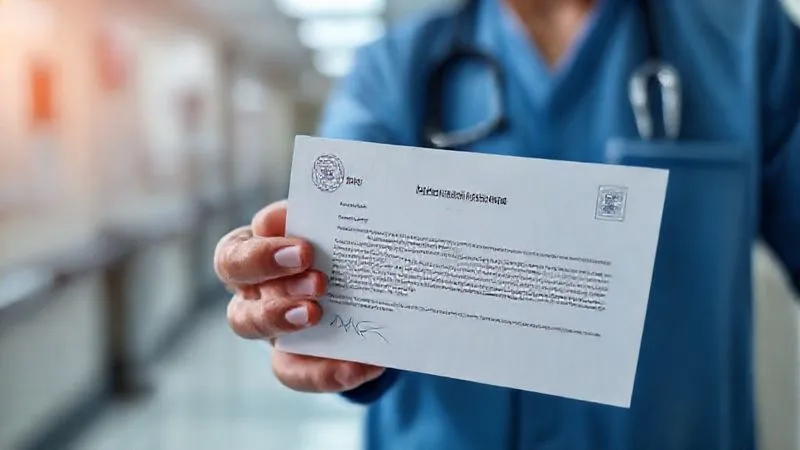
When you suspect malpractice, time is of the essence, especially when it comes to medical records. These documents are the bedrock of any malpractice claim, and their integrity is paramount. The very first step is to secure every piece of medical documentation related to your care.
- Formal Written Request: Always submit a written request for your complete medical records. Specify that you want all records, including physician's notes, nurses' notes, lab results, imaging reports, consultation reports, billing records, and even electronic health record (EHR) audit trails if available.
- HIPAA Rights: Under HIPAA (Health Insurance Portability and Accountability Act), you have a legal right to access your medical records. Hospitals generally have 30 days to provide these records, though some states may allow less time. Be persistent and cite your HIPAA rights if you face resistance.
- Certified Mail and Tracking: Send your request via certified mail with a return receipt requested. This provides irrefutable proof that the hospital received your request and the date it was received.
- Keep Copies: Maintain meticulous copies of all your correspondence, including the request itself, mailing receipts, and any responses from the hospital. This paper trail is invaluable.
I've seen countless cases where a patient's proactive record request became the only untainted source of information, revealing glaring discrepancies when compared to later, potentially altered records provided by the hospital.
The Power of Legal Counsel: Why a Specialized Attorney is Non-Negotiable
Once you suspect evidence is being hidden, your immediate next step must be to consult with an experienced medical malpractice attorney. This isn't a task for a general practitioner; you need a specialist who understands the intricate legal and medical complexities of these cases.
A seasoned medical malpractice lawyer brings several critical advantages:
- Expertise in Medical Records: They know exactly what documents to request, how to interpret them, and how to spot inconsistencies or omissions that might indicate tampering.
- Access to Medical Experts: They have a network of medical professionals who can review your records and provide expert opinions on whether malpractice occurred and if evidence is missing or altered.
- Litigation Experience: They are well-versed in the discovery process, depositions, and courtroom procedures necessary to compel hospitals to produce evidence.
- Negotiating Power: Hospitals are less likely to stonewall or attempt to conceal evidence when dealing with a reputable law firm known for taking malpractice cases to trial.
As the American Bar Association's Health Law Section highlights, the intersection of law and healthcare is incredibly complex, requiring specialized knowledge. Your attorney will serve as your shield and sword in this battle.
"In my experience, trying to navigate evidence concealment alone against a hospital's legal team is akin to bringing a knife to a gunfight. You need a formidable ally who understands the terrain."
Unearthing the Truth: Discovery and Subpoena Strategies
Once your attorney is on board, the formal legal process of discovery begins. This is where your legal team leverages court-sanctioned tools to compel the hospital to produce evidence. Discovery is a powerful phase designed to ensure both sides have access to relevant information before trial.
Key discovery tools include:
- Requests for Production of Documents: Your attorney will send formal requests for specific categories of documents, including all medical records, internal policies, incident reports, staff schedules, training manuals, and any communications related to your care.
- Interrogatories: These are written questions that the hospital must answer under oath. They can be used to inquire about specific events, personnel involved, and the location and maintenance of records.
- Depositions: This involves sworn, out-of-court testimony from witnesses, including doctors, nurses, administrators, and record custodians. Your attorney will question them directly, often revealing inconsistencies or evasions that point to hidden evidence.
- Subpoenas: If the hospital refuses to provide documents, your attorney can obtain a court order (subpoena) compelling them to do so. This can also be used to obtain records from third parties, such as ambulance services, independent laboratories, or specialists, which can serve as a cross-reference.
The strategic use of these tools is critical. For instance, requesting specific electronic health record (EHR) audit trails can reveal who accessed, modified, or deleted entries, and when. This digital footprint can be undeniable proof of tampering.
| Discovery Tool | Purpose | Key Benefit |
|---|---|---|
| Requests for Production | Obtain specific documents | Direct access to records |
| Interrogatories | Get written answers under oath | Uncover facts and identify witnesses |
| Depositions | Oral testimony under oath | Reveal inconsistencies, assess credibility |
| Subpoenas | Compel production of documents/testimony | Legal enforcement of evidence disclosure |
Your attorney will meticulously compare the records obtained through discovery with those you initially secured. Any discrepancies become crucial evidence of concealment.
Forensic Analysis: Expert Witnesses and Digital Forensics
In today's digital age, medical records are predominantly electronic. This presents both challenges and opportunities when evidence is hidden. Forensic analysis, both medical and digital, becomes an indispensable tool.
- Medical Expert Review: Independent medical experts, often board-certified physicians in the relevant specialty, will review all available records. They can identify deviations from the standard of care, but critically, they can also pinpoint missing information, suspicious gaps in documentation, or entries that appear to be retrospectively altered.
- Digital Forensics for EHRs: Electronic Health Records (EHRs) leave a digital footprint. A digital forensic expert can analyze the metadata of these records, including creation dates, modification dates, access logs, and audit trails. This can reveal if entries were added or changed after the fact, who made the changes, and from what location. This is incredibly powerful in proving manipulation.
I've seen cases turn entirely on the unearthing of audit trails that showed a nurse or doctor logging in hours after an incident to alter their notes, attempting to cover their tracks. Such evidence is devastating to the defense.

Identifying Spoliation: When Evidence Tampering Occurs
Spoliation of evidence refers to the intentional or negligent destruction, alteration, or concealment of evidence relevant to a legal proceeding. When a hospital hides critical malpractice evidence, they are engaging in spoliation, which has serious legal repercussions.
Signs of potential spoliation include:
- Missing Records: Entire sections of your medical chart are absent, especially around the time of the alleged malpractice.
- Inconsistent Entries: Discrepancies between different parts of the record, or between your personal memory and the documented events.
- Late Entries: Notes or reports added significantly later than the events they describe, often out of chronological order.
- Vague or Ambiguous Language: Deliberate use of unclear language to obscure critical details.
- Refusal to Provide Records: The hospital actively resists or delays providing complete records, despite formal requests.
If spoliation can be proven, the consequences for the hospital can be severe. Courts may issue sanctions, including adverse inference instructions to the jury (allowing them to assume the hidden evidence would have been unfavorable to the hospital), monetary penalties, or even default judgment in favor of the plaintiff. Cornell Law's Legal Information Institute provides a comprehensive overview of spoliation's legal framework.
Case Study: The ICU Records Discrepancy
Consider the fictional case of Mrs. Eleanor Vance, who suffered a severe brain injury during a routine surgery after being left unattended in the recovery room. Her family immediately requested her medical records. The initial set provided by the hospital was surprisingly sparse for the critical post-operative hours. Upon engaging an attorney, a formal discovery request was made for the full EHR, including audit trails. The digital forensic analysis revealed that a nurse manager had accessed Mrs. Vance's chart seven hours after the incident, making several retrospective entries that downplayed the severity of her condition and the delay in response. This irrefutable evidence of spoliation was pivotal, leading to a significant settlement for Mrs. Vance's family, demonstrating how hidden digital footprints can expose a cover-up.
Leveraging Regulatory Bodies and Whistleblowers
Beyond direct legal action, there are other avenues to pursue when a hospital hides critical malpractice evidence.
- State Medical Boards: You can file a complaint with your state's medical licensing board against the individual medical professionals involved. These boards have the authority to investigate allegations of misconduct, including record tampering, and can impose disciplinary actions.
- The Joint Commission: If the hospital is accredited by The Joint Commission, an independent organization that accredits and certifies nearly 22,000 healthcare organizations and programs in the United States, you can file a complaint with them. They investigate concerns about patient safety and quality of care. Their findings, while not directly leading to financial compensation, can put significant pressure on the hospital. The Joint Commission's website provides details on their complaint process.
- Whistleblower Protections: In some cases, current or former hospital employees may have direct knowledge of evidence concealment. Whistleblower protection laws exist to shield individuals who report illegal activities within their organizations. While rare, a whistleblower can provide invaluable insider information.
These external pressures can sometimes prompt a hospital to be more forthcoming with information, especially if they face the threat of losing accreditation or having their staff disciplined.
Building a Compelling Case: From Evidence to Litigation
The ultimate goal of uncovering hidden evidence is to build a compelling case for medical malpractice. Every piece of evidence, every discrepancy, and every expert opinion contributes to a comprehensive narrative that demonstrates negligence and the hospital's attempt to obscure it.
Your attorney will meticulously synthesize all the gathered information:
- Chronology of Events: A clear timeline of your medical care, highlighting when the alleged malpractice occurred and when evidence was potentially hidden.
- Expert Affidavits: Sworn statements from medical experts confirming the deviation from the standard of care and the impact of the hidden evidence.
- Legal Arguments for Spoliation: Presenting the documented proof of evidence concealment and its legal implications.
- Damages Calculation: Quantifying the full extent of your injuries, medical costs, lost wages, pain, and suffering.
Armed with this comprehensive package, your attorney will engage in pre-trial negotiations, attempting to reach a fair settlement. If a settlement cannot be reached, the case will proceed to trial. At trial, the evidence of concealment can be particularly powerful, swaying a jury to understand the gravity of the hospital's actions beyond just the initial malpractice.

Frequently Asked Questions (FAQ)
What if the hospital claims the records were accidentally lost? Hospitals have a legal obligation to maintain medical records. A claim of 'accidental loss' is often met with skepticism, especially if it happens to be the specific records related to a malpractice claim. Your attorney can argue that such a loss constitutes negligence or even intentional spoliation, potentially leading to adverse inferences against the hospital in court. It's crucial to document their claim of loss thoroughly.
Can I record conversations with hospital staff? The legality of recording conversations varies by state. Many states are 'two-party consent' states, meaning all parties must consent to be recorded. Other states are 'one-party consent,' where only the person doing the recording needs to consent. Always consult your attorney before recording any conversations to ensure you are acting within the bounds of the law.
How long do I have to file a medical malpractice lawsuit? This is governed by the 'statute of limitations,' which varies significantly by state. It typically ranges from one to three years from the date of the malpractice or from the date you discovered (or reasonably should have discovered) the malpractice. However, exceptions exist for minors or cases involving a 'discovery rule.' It is imperative to consult with an attorney immediately to understand the specific deadlines applicable to your case.
What evidence is most difficult for a hospital to hide or alter? While hospitals can attempt to manipulate various records, certain types are harder to tamper with without leaving a trace. Electronic Health Record (EHR) audit trails are particularly robust, as they log every access, modification, and deletion with timestamps and user IDs. Similarly, external records from independent labs, pharmacies, or consulting specialists are often beyond the hospital's direct control and can serve as crucial corroborating evidence.
Will exposing hidden evidence guarantee a win in my malpractice case? While proving that a hospital hid critical malpractice evidence significantly strengthens your case and can be a powerful factor in securing a favorable outcome, it does not automatically guarantee a win. You still need to prove that medical negligence occurred, that this negligence caused your injury, and that you suffered damages. However, evidence of concealment can severely undermine the hospital's credibility and make a jury far more receptive to your claims.
Key Takeaways and Final Thoughts
- Act Swiftly: Request all your medical records in writing immediately after suspecting malpractice.
- Engage Specialized Counsel: A medical malpractice attorney is your most vital asset in navigating evidence concealment.
- Leverage Discovery: Utilize formal legal tools like requests for production, interrogatories, depositions, and subpoenas.
- Employ Forensics: Don't underestimate the power of medical and digital forensic experts to uncover hidden truths in EHRs.
- Understand Spoliation: Recognize the signs of evidence tampering and its severe legal implications for the hospital.
- Explore All Avenues: Consider regulatory complaints and whistleblower protections as additional pressure points.
Facing a hospital that is actively concealing critical malpractice evidence is undoubtedly one of the most challenging aspects of a personal injury claim. It requires tenacity, strategic legal action, and the unwavering support of an experienced legal team. Remember, you have rights, and with the right approach, the truth can be brought to light. Never give up on your pursuit of justice; the integrity of the medical system, and your well-being, depend on it.
Recommended Reading
- Parent Demands Adult Student FERPA Records? 7 Steps for Compliance
- 7 Proven Strategies: Business Owners' Guide to Asset Protection from LTC Costs
- Losing Parental Rights: Can Unpaid Child Support Trigger It?
- Audit Failure? 7 Steps to Rebound & Strengthen Corporate Compliance
- CEO Misconduct Crisis: 7 Steps to Safeguard Your Company's Future




Comments
Leave a comment below. Your email will not be published. Required fields marked with *