


How to Handle Pollution Liability After a Major Oil Tanker Spill?
For over three decades in maritime law, I've witnessed firsthand the unparalleled devastation and legal maelstrom that follows a major oil tanker spill. It’s not merely an environmental disaster; it’s a complex tapestry of international conventions, national laws, insurance intricacies, and the immediate, overwhelming pressure of public and governmental scrutiny. The stakes couldn't be higher, both for the environment and the entities involved.
The immediate aftermath of such an incident presents a unique, multi-layered challenge. Companies often find themselves caught between urgent operational response, intricate legal obligations, and the imperative to minimize financial exposure. The sheer scale of potential environmental damage, clean-up costs, and economic losses can be staggering, leading to bankruptcies and profound reputational damage if not handled with precision and foresight.
This article isn't just a theoretical overview; it's a practical framework forged from years of experience navigating these treacherous waters. We’ll delve into actionable steps, crucial legal instruments, real-world strategies, and expert insights to help you understand and effectively handle pollution liability after a major oil tanker spill, ensuring you're prepared for the inevitable complexities.
The Immediate Aftermath: Prioritizing Response and Documentation
When an oil tanker spill occurs, the clock starts ticking. The initial hours and days are absolutely critical, not only for environmental containment but also for laying the groundwork for all subsequent liability assessments. I’ve seen this phase mishandled countless times, leading to avoidable legal complications down the line.
Swift Action and Initial Reporting
Your first priority must be to activate your emergency response plan. This includes immediate notification to relevant national and international authorities, such as the Coast Guard, port authorities, and environmental agencies. Delay or failure to report can significantly exacerbate liability and incur additional penalties.
- Containment: Deploy booms, skimmers, and dispersants as swiftly and safely as possible to limit the spread of oil.
- Safety: Ensure the safety of all personnel involved in the response and prevent further casualties or damage.
- Transparency: Maintain open communication with authorities and stakeholders, providing accurate and timely updates.
Meticulous Documentation of the Incident
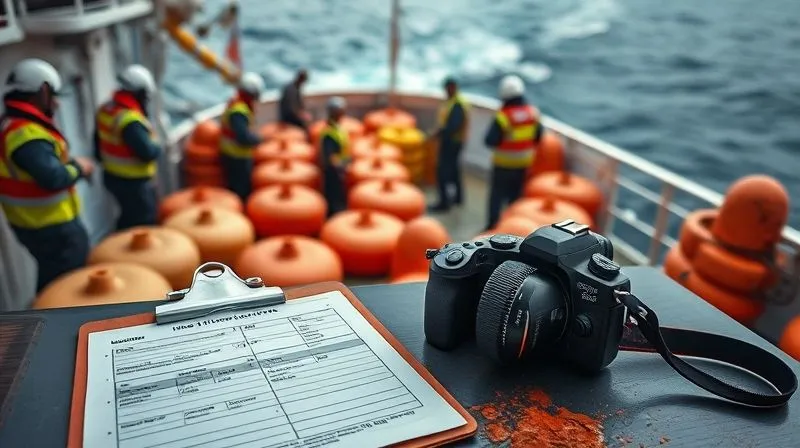
Every action, every observation, and every communication from the moment of the spill must be meticulously documented. This forms the bedrock of your defense and claims process. Without comprehensive records, you’re essentially fighting blind.
As an expert, I cannot stress enough the importance of:
- Incident Log: A detailed, chronological record of events, decisions, and actions taken by all parties involved.
- Photographic & Video Evidence: Visual documentation of the spill's extent, response efforts, and affected areas.
- Witness Statements: Secure statements from crew members, first responders, and any other relevant witnesses.
- Sample Collection: Collect samples of the spilled oil for forensic analysis, which can help determine the source and type of oil.
- Cost Tracking: Keep precise records of all expenditures related to response, containment, and clean-up efforts.
Understanding the Legal Landscape: Key Conventions and National Laws
To effectively handle pollution liability after a major oil tanker spill, you must navigate a complex web of international conventions and national legislation. Ignorance of these frameworks is not an excuse and can lead to severe penalties. This is where a deep understanding of maritime law becomes indispensable.
The International Conventions: CLC 1992 and Fund Convention 1992
The backbone of international oil pollution liability is the International Convention on Civil Liability for Oil Pollution Damage (CLC 1992). This convention establishes a strict liability regime for the owner of the ship from which the oil escaped or was discharged. This means fault doesn't have to be proven; the owner is liable simply because the spill occurred.
"The CLC 1992 Convention ensures that compensation is available for victims of oil pollution from tankers, establishing a system of strict liability and compulsory insurance for shipowners."
Complementing the CLC is the International Oil Pollution Compensation (IOPC) Fund Convention 1992. When the compensation available under CLC 1992 is insufficient, the IOPC Funds provide an additional layer of compensation. These funds are financed by contributions from oil receivers in member states. Understanding the interplay between these two conventions is crucial for determining the maximum available compensation and the claims process.
The United States' OPA 90
For spills occurring in U.S. waters, the Oil Pollution Act of 1990 (OPA 90) is the dominant legislation. Enacted after the Exxon Valdez spill, OPA 90 is significantly stricter than international conventions, imposing unlimited liability in many cases and expanding the types of recoverable damages. It also mandates stringent vessel response plans and financial responsibility requirements.
Key differences include:
- Unlimited Liability: Unlike CLC's liability limits, OPA 90 can impose unlimited liability if the spill was caused by gross negligence, willful misconduct, or violation of federal safety regulations.
- Expanded Damages: OPA 90 allows for recovery of a broader range of damages, including natural resource damages, loss of subsistence use, and loss of tax revenue.
- Responsible Party: OPA 90 designates a 'responsible party' (usually the vessel owner or operator) who is strictly liable for removal costs and damages.
The Role of P&I Clubs and Maritime Insurance
In virtually every major oil tanker spill, Protection and Indemnity (P&I) Clubs play a pivotal role. These mutual insurance associations provide cover for third-party liabilities arising from the operation of ships. Without robust P&I coverage, a vessel owner would face catastrophic financial ruin after a major pollution incident.
How P&I Clubs Provide Coverage
P&I Clubs offer comprehensive coverage for pollution liability, typically up to the limits specified by international conventions or national laws, and often exceeding these limits through pooling arrangements with other clubs. This includes:
- Clean-up Costs: Expenses incurred for oil spill removal and pollution prevention.
- Property Damage: Damage to third-party property, such as fishing gear, shorelines, and aquaculture.
- Economic Losses: Loss of earnings for fishermen, tourism operators, and other affected businesses.
- Fines & Penalties: Depending on the jurisdiction and specific policy terms, P&I Clubs may cover certain fines.
- Legal Costs: Expenses for legal defense and handling claims.
Notifying and Engaging Your P&I Club
Immediately after a spill, one of your first calls should be to your P&I Club. They are not just insurers; they are a critical resource. Their expertise in claims handling, access to legal counsel, and network of surveyors and environmental experts are invaluable. I've seen situations where early engagement with the P&I Club significantly streamlined the response and claims process, minimizing potential disputes.
The process generally involves:
- Initial Notification: Provide all available details of the incident to your P&I Club.
- Appointing Surveyors: The P&I Club will often appoint independent surveyors to assess the incident and damages.
- Legal Counsel: They will coordinate with legal teams specializing in maritime pollution law.
- Claims Handling: The Club will manage claims from affected parties, often working with the IOPC Funds.
| Coverage Aspect | P&I Club Role | Typical Limit |
|---|---|---|
| Clean-up Costs | Directly covers expenses, coordinates contractors | Up to convention/national limits |
| Third-Party Property Damage | Assesses and compensates affected parties | Up to convention/national limits |
| Economic Losses | Evaluates and processes claims for lost income | Up to convention/national limits |
| Legal Defense | Provides legal counsel and manages litigation | Included within overall coverage |
Assessing and Quantifying Damages: A Multi-faceted Challenge
Determining the full extent of damages after an oil spill is arguably the most challenging aspect of pollution liability. It requires a multidisciplinary approach involving marine scientists, environmental economists, statisticians, and legal experts. The types of damages are broad and often interconnected.
Categories of Damages
- Clean-up and Remediation Costs: This is often the most immediate and tangible cost, encompassing all expenses for containment, recovery, disposal, and restoration efforts.
- Environmental Damages: This includes damage to natural resources such as marine life, birds, habitats (e.g., coral reefs, mangroves), and ecosystems. Quantifying these can be complex, often involving Natural Resource Damage Assessments (NRDAs) in jurisdictions like the US.
- Economic Losses: These are losses incurred by individuals and businesses, such as lost fishing income, decreased tourism revenue, property devaluation, and business interruption.
- Public Sector Losses: Governments may claim losses related to public services, such as increased emergency response costs, damage to public infrastructure, and loss of tax revenues.
"Quantifying environmental damage isn't just about the immediate impact; it's about the long-term ecological recovery and the services those ecosystems provide, which often requires sophisticated modeling and expert testimony."
Challenges in Quantification
I’ve advised on cases where the debate over damage quantification lasted for years. The challenges are immense:
- Baseline Data: Establishing the pre-spill condition of the environment can be difficult.
- Causation: Proving that specific damages are directly attributable to the oil spill, rather than other factors.
- Valuation: Assigning monetary value to non-market goods like ecosystem services or aesthetic losses.
- Long-Term Impacts: Predicting and valuing the long-term, chronic effects of oil pollution.
Navigating Claims and Compensation: A Strategic Approach
Once damages are assessed, the next phase involves navigating the claims and compensation process. This is where the legal frameworks discussed earlier come into full play, determining who can claim, what can be claimed, and through which mechanisms.
The Role of IOPC Funds in Claims
As mentioned, the IOPC Funds (International Oil Pollution Compensation Funds) provide compensation when the shipowner's liability under CLC 1992 is insufficient. They operate as a second tier of compensation, funded by contributions from entities that receive crude oil and heavy fuel oil by sea in member states.
Claimants typically include:
- Fishermen and aquaculture operators for economic losses.
- Tourism businesses for lost revenue.
- Local authorities for clean-up costs and damage to public amenities.
- Environmental organizations for remediation efforts.
Claims Submission and Adjudication
The process of submitting and adjudicating claims can be protracted and requires significant evidentiary support. From my experience, a well-organized and thoroughly documented claim has a far greater chance of swift resolution. Here’s a simplified view of the process:
- Notification of Claim: Affected parties notify the shipowner's P&I Club and/or the IOPC Funds.
- Documentation: Claimants must submit detailed documentation, including evidence of loss, financial records, and expert reports.
- Assessment: The P&I Club and IOPC Funds will assess the validity and quantum of the claims, often appointing independent adjusters.
- Negotiation & Settlement: Negotiations ensue, aiming for an amicable settlement.
- Litigation (if necessary): If a settlement cannot be reached, the matter may proceed to national courts, which will apply the relevant convention or national law.
It's important to remember that the IOPC Funds have specific criteria for admissible claims and strict time limits for submission, making timely and accurate filing paramount.
Mitigation and Remediation Strategies: Beyond Legal Obligations
While legal liability often focuses on financial compensation for damages, the true long-term responsibility extends to active mitigation and environmental remediation. This isn't just about meeting legal obligations; it's about restoring ecosystems and rebuilding trust.
Proactive Mitigation Measures
Beyond the immediate spill response, mitigation involves strategies to reduce the lasting impact. This can include habitat restoration projects, reintroduction of affected species, and long-term monitoring programs. As an industry specialist, I consistently advocate for investments in these areas, as they can significantly reduce future liabilities and enhance corporate reputation.
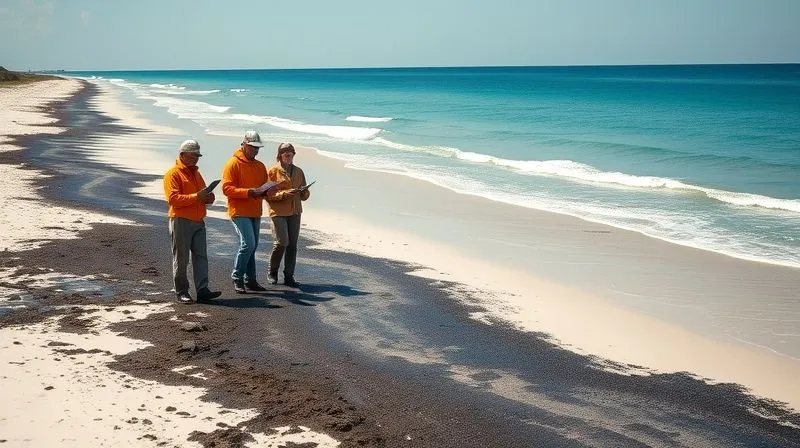
- Shoreline Clean-up: Beyond initial skimming, detailed clean-up of affected coastlines, including manual removal and specialized techniques.
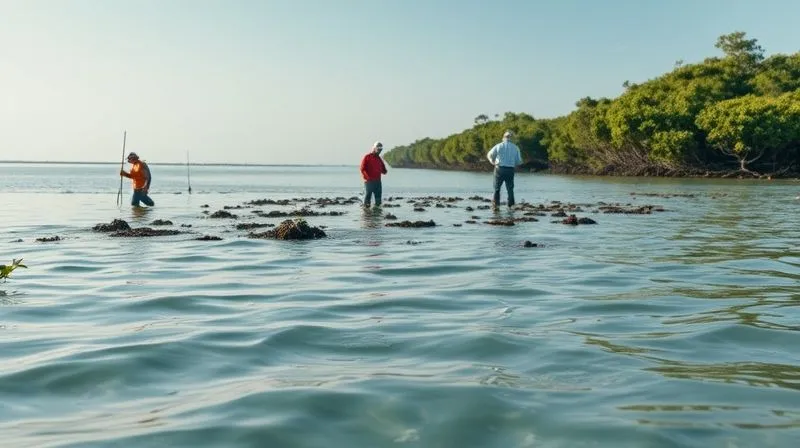
- Habitat Restoration: Replanting mangroves, restoring salt marshes, and creating artificial reefs where natural habitats have been destroyed.
- Wildlife Rehabilitation: Establishing centers for cleaning and rehabilitating oiled wildlife.
Long-Term Environmental Restoration
Environmental remediation is a marathon, not a sprint. It often involves years, if not decades, of monitoring and intervention. The legal frameworks recognize this, often mandating funds for long-term restoration projects. The responsible party, often through their P&I Club, will typically fund or oversee these efforts.
According to a study published by the International Tanker Owners Pollution Federation (ITOPF), effective long-term monitoring and adaptive management are key to successful recovery, highlighting that the true cost of a spill extends far beyond the initial clean-up.
Case Study: The "Ocean Guardian" Incident and Its Liability Resolution
Let's consider a fictional but realistic scenario to illustrate how these principles apply. In 2018, the tanker M/T Ocean Guardian, carrying 100,000 tons of crude oil, suffered a hull breach in international waters near the coast of 'Veridia' due to severe weather. Approximately 5,000 tons of oil spilled, impacting Veridia's pristine coastline, fishing grounds, and a nascent tourism industry.
How Ocean Guardian Navigated Liability
The vessel owner, 'Global Shipping Co.', immediately activated its emergency response plan. They:
- Notified Authorities & P&I: Within hours, the Veridian Maritime Authority and Global Shipping's P&I Club were informed. The P&I Club immediately dispatched a response team and legal counsel.
- Coordinated Response: Global Shipping Co., in collaboration with the Veridian government and ITOPF, deployed extensive containment and clean-up resources. All expenditures were meticulously logged.
- Legal Framework Application: As both Global Shipping's flag state and Veridia were parties to CLC 1992 and the Fund Convention, these international instruments formed the primary basis for liability.
- Damage Assessment: A joint assessment team, including Veridian government scientists, P&I Club experts, and independent environmental consultants, conducted comprehensive studies on environmental damage, fishing losses, and tourism impact.
- Claims Management: The P&I Club, acting on behalf of Global Shipping Co., established a claims office in Veridia. Claims from fishermen, resort owners, and the Veridian government were processed. When the CLC 1992 limits were reached, the IOPC Funds stepped in to provide additional compensation.
- Remediation: Beyond financial payouts, Global Shipping Co. committed to a 5-year environmental restoration program for affected mangrove forests and coral reefs, managed in partnership with local environmental NGOs and funded through their P&I coverage.
This proactive and compliant approach, guided by experienced legal and insurance counsel, allowed Global Shipping Co. to manage the catastrophic event, fulfill its obligations, and ultimately retain its operational license, albeit with significant financial and reputational costs. It demonstrates the critical importance of a well-executed strategy to handle pollution liability after a major oil tanker spill.
Preventing Future Incidents: A Holistic Risk Management Approach
While this discussion has focused on how to handle pollution liability after a major oil tanker spill, the ultimate goal for any responsible maritime operator is prevention. Learning from past incidents and implementing robust risk management strategies are paramount.
Lessons Learned and Best Practices
The industry has evolved significantly in response to major spills. As Seth Godin often says, "The cost of being wrong is less than the cost of doing nothing." This applies directly to proactive safety and environmental measures in shipping. Key areas of focus include:
- Enhanced Vessel Design: Double hulls, segregated ballast tanks, and improved navigation systems are now standard.
- Crew Training & Competency: Regular, rigorous training in emergency procedures, pollution prevention, and environmental awareness.
- Maintenance Regimes: Strict adherence to maintenance schedules and proactive inspection programs to prevent equipment failure.
- Route Planning & Weather Monitoring: Utilizing advanced meteorological data and sophisticated route planning to avoid hazardous conditions.
- Safety Management Systems (SMS): Implementing comprehensive SMS in accordance with the International Safety Management (ISM) Code, fostering a strong safety culture.
Continuous Improvement and Regulatory Compliance
The maritime regulatory landscape is constantly evolving. Staying abreast of new International Maritime Organization (IMO) regulations, national laws, and industry best practices is not merely a compliance issue; it’s a strategic imperative for minimizing risk and preventing future liabilities. Regular internal audits, external certifications, and participation in industry forums are vital components of a proactive risk management strategy.
Frequently Asked Questions (FAQ)
What is the difference between strict liability and fault-based liability in oil spills? Strict liability, as seen in CLC 1992, means the vessel owner is liable for pollution damage regardless of fault, unless specific exemptions apply (e.g., act of war, natural phenomenon of an exceptional, inevitable, and irresistible character). Fault-based liability, conversely, requires proving negligence or wrongful act on the part of the defendant to establish liability. Most major international oil pollution regimes lean towards strict liability to ensure victims are compensated.
Can a vessel owner limit their liability after an oil spill? Yes, under CLC 1992, vessel owners can limit their liability based on the ship's tonnage, unless the pollution damage resulted from their actual fault or privity. OPA 90 in the US, however, has higher limits and can impose unlimited liability if the spill was caused by gross negligence, willful misconduct, or violation of federal safety regulations. The IOPC Funds then provide an additional layer of compensation beyond these owner limits.
What role do environmental impact assessments play in liability claims? Environmental Impact Assessments (EIAs) and Natural Resource Damage Assessments (NRDAs) are crucial. They provide the scientific basis for quantifying the ecological harm caused by an oil spill. These assessments are used to establish the extent of environmental damage, calculate restoration costs, and form the evidentiary foundation for claims made by governments and environmental bodies for environmental remediation and compensation for lost ecosystem services.
How long does it typically take to resolve pollution liability claims after a major spill? The resolution timeframe varies significantly. Simple, smaller claims might be resolved within months. However, complex cases involving extensive environmental damage, multiple claimants, and contentious damage quantification can take years, even decades, to fully resolve. The Exxon Valdez case, for example, saw litigation and appeals spanning over 20 years. Early and effective engagement with P&I Clubs and the IOPC Funds can help expedite the process.
Are there criminal liabilities associated with oil spills, beyond civil compensation? Absolutely. While civil liability focuses on compensation for damages, criminal charges can be brought against individuals (e.g., captain, crew) or corporate entities for violations of environmental laws, negligence, or intentional pollution. Penalties can include substantial fines, imprisonment, and corporate probation. OPA 90, in particular, introduced stringent criminal provisions in the US.
Key Takeaways and Final Thoughts
Handling pollution liability after a major oil tanker spill is an intricate and demanding process that requires a blend of immediate operational expertise, deep legal understanding, and strategic foresight. It’s a challenge that tests the resilience and integrity of any maritime entity.
- Act Swiftly & Document Meticulously: Initial response and comprehensive record-keeping are foundational.
- Master Legal Frameworks: Understand CLC, Fund Convention, and relevant national laws like OPA 90.
- Leverage P&I Clubs: Engage your P&I Club immediately; they are your primary partner in managing liability and claims.
- Assess Damages Holistically: Recognize the complexity of quantifying environmental, economic, and clean-up costs.
- Navigate Claims Strategically: Work with IOPC Funds and legal counsel to manage claimant expectations and process compensation.
- Commit to Remediation: Beyond financial payouts, invest in long-term environmental restoration.
- Prioritize Prevention: Implement robust risk management and continuous improvement to avert future incidents.
The maritime industry is one of perpetual motion and inherent risks. While no one hopes for a spill, being prepared to handle pollution liability after a major oil tanker spill with an expert-driven, structured approach is not just a regulatory requirement, but a testament to responsible stewardship of our oceans and coastal communities. By embracing these principles, you can navigate even the most challenging aftermaths with greater confidence and effectiveness.
Recommended Reading
- How to Reduce Domestic Assault Charges: 7 Expert Legal Strategies
- Sanctions Blocked Supply Chain? 7 Steps to Navigate & Thrive
- 5 Critical Legal Steps: Removing an Elder from an Abusive Caregiver
- HOA Pet Breed Restrictions: Can They Really Ban Your Dog?
- Stop Lawsuits: 7 Steps for Legally Investigating Workplace Misconduct

Comments
Leave a comment below. Your email will not be published. Required fields marked with *