


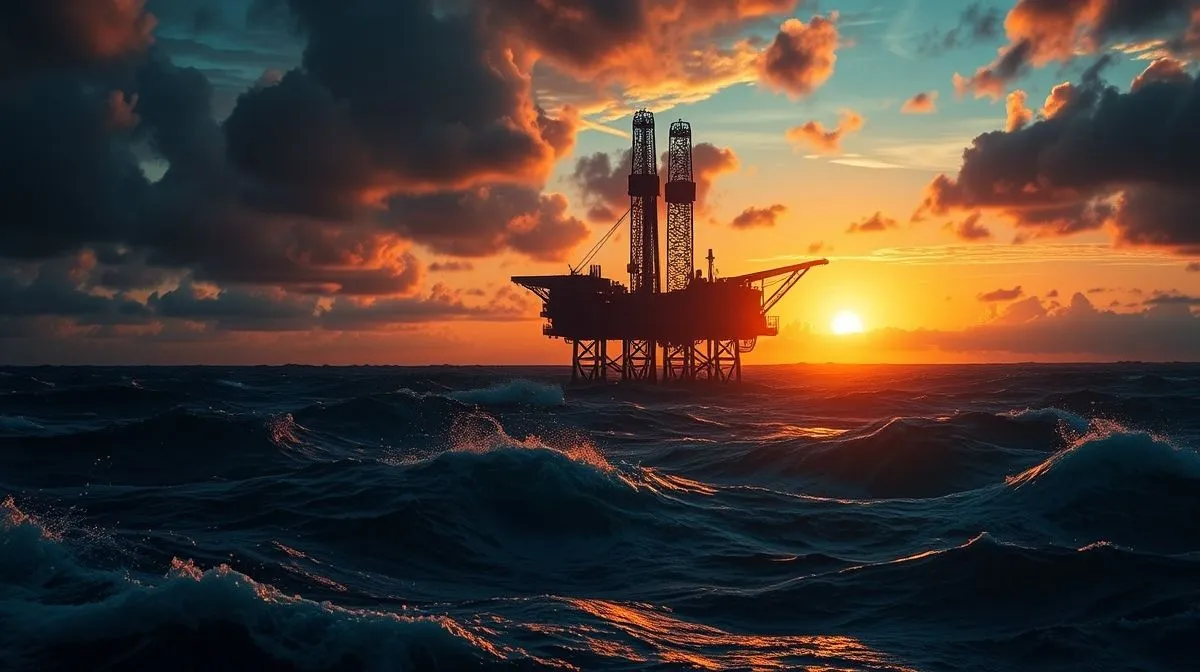
How to Legally Manage Offshore Drilling Cross-Border Liability?
Having navigated the treacherous, often opaque waters of international maritime law for over three decades, I've seen firsthand how quickly a seemingly contained incident on an offshore drilling rig can escalate into a multi-jurisdictional legal and financial nightmare. From environmental disasters to complex contractual disputes, the challenges of operating beyond national borders are immense, and the stakes, both economic and reputational, couldn't be higher for energy companies.
The inherent transboundary nature of offshore drilling, coupled with the potential for catastrophic environmental harm, means that liability is rarely confined to a single nation's legal framework. Operators face a labyrinth of international conventions, national laws, and regional agreements, often with conflicting provisions, making the question of 'who pays?' agonizingly complex when a spill or accident transcends borders or impacts multiple sovereign interests.
This definitive guide is born from that deep experience. I will share with you the actionable frameworks, critical insights, and strategic approaches necessary to proactively manage offshore drilling cross-border liability. We'll explore the multilayered legal landscape, dissect the mechanics of liability allocation, and provide you with the expert tools to safeguard your operations against unforeseen legal currents, ensuring compliance and fostering resilience in a highly regulated global industry.
Understanding the Multilayered Legal Landscape of Offshore Operations
When an offshore drilling platform is involved in an incident, the immediate challenge is determining which laws apply. This isn't a simple question of national jurisdiction, as the seas are governed by a complex tapestry of international treaties, customary law, and sovereign claims. In my experience, misunderstanding this foundational layer is where many companies first stumble.
The Role of UNCLOS in Defining Jurisdictions
The United Nations Convention on the Law of the Sea (UNCLOS) is often referred to as the 'constitution of the oceans,' and for good reason. It establishes the basic framework for maritime zones, including territorial seas (up to 12 nautical miles), contiguous zones (up to 24 nautical miles), Exclusive Economic Zones (EEZs, up to 200 nautical miles), and the continental shelf, which extends beyond the EEZ. Each zone carries specific sovereign rights and obligations, directly impacting liability. For instance, while a coastal state has sovereign rights over its continental shelf for the purpose of exploring and exploiting natural resources, it does not necessarily have full sovereignty in the same way it does over its territorial sea.
Key takeaway: Understanding the precise maritime zone of your operation is the first step in identifying applicable national and international laws.
Key International Conventions Governing Pollution Liability
Beyond UNCLOS, several specialized international conventions directly address pollution liability from vessels and installations. These treaties aim to provide a uniform international regime for compensation and response, although their application to offshore drilling installations can sometimes be debated or require national implementing legislation.
- International Convention on Civil Liability for Oil Pollution Damage (CLC): Primarily applies to oil spills from tankers, establishing strict liability for the shipowner. While not directly applicable to fixed offshore installations, its principles often influence national legislation.
- International Convention on the Establishment of an International Fund for Compensation for Oil Pollution Damage (Fund Convention): Provides additional compensation beyond the CLC limits, funded by oil receivers. Again, its direct application to drilling rigs is limited but it sets a precedent for collective industry responsibility.
- International Convention on Oil Pollution Preparedness, Response and Co-operation (OPRC Convention): Focuses on preparedness and response to oil pollution incidents, encouraging international cooperation. This is crucial for cross-border incidents, necessitating pre-agreed response protocols between nations.
- MARPOL (International Convention for the Prevention of Pollution from Ships): While primarily for ships, its Annexes have implications for operational discharges from offshore units.
"The patchwork of international conventions, when combined with diverse national implementing laws, creates a legal mosaic. A thorough pre-operational legal audit is not merely advisable; it's an absolute necessity to map out all potential liabilities and jurisdictional overlaps."
Deconstructing Cross-Border Liability: Who Pays When Disaster Strikes?
Once an incident occurs, the immediate question for all stakeholders – from governments to affected communities – is "Who is liable, and who will pay for the damages?" This is where the cross-border element truly complicates matters. It’s rarely a single entity or a single nation’s problem.
The Challenge of Jurisdiction and Choice of Law
In a cross-border offshore incident, multiple jurisdictions may claim authority. This can lead to "forum shopping," where plaintiffs seek to bring their claims in the jurisdiction most favorable to them, often one with higher damage caps or more stringent liability standards. For example, a spill originating in one nation's EEZ might drift into another's territorial waters, affecting their coastlines, fisheries, and tourism. This creates a complex interplay of national laws and international obligations.
The concept of "choice of law" also becomes critical. The contract governing the drilling operation might specify the laws of a particular country, but tort claims (e.g., for environmental damage) might be governed by the laws of the affected state or by principles of public international law. The 2010 Deepwater Horizon incident, while primarily within U.S. jurisdiction, highlighted the complexities that arise even within a single federal system when multiple states and federal agencies are involved, let alone distinct sovereign nations.
Financial Responsibility and Insurance Frameworks
Robust financial guarantees are non-negotiable. Companies must demonstrate the capacity to cover potential liabilities, which can run into the billions. This typically involves a combination of:
- Protection and Indemnity (P&I) Clubs: These are mutual insurance associations that provide third-party liability coverage for shipowners and, increasingly, offshore operators. They cover liabilities such as pollution, wreck removal, and personal injury.
- Commercial Insurance Policies: Specific policies for property damage, business interruption, and excess liability.
- Self-Insurance/Captive Insurance: Larger companies may use their own financial reserves or dedicated insurance subsidiaries.
- Bank Guarantees or Surety Bonds: Often required by national authorities as proof of financial capability to meet decommissioning obligations or environmental remediation costs.
"In my experience, an operator's financial resilience, backed by comprehensive and globally-recognized insurance, is as crucial as their operational excellence. It's the bedrock of trust when navigating cross-border incidents."
Proactive Legal Strategies for Mitigating Transnational Risk
The best defense against cross-border liability is a strong offense. Proactive legal planning, often overlooked in the rush to commence operations, is paramount. This isn't just about compliance; it's about building a robust legal fortress around your offshore assets.
Comprehensive Contractual Frameworks
The foundation of proactive risk management lies in meticulously drafted contracts. These documents must anticipate and allocate risks across all parties involved in an offshore drilling project – from the operator to drilling contractors, service providers, and joint venture partners. Ambiguity here is a recipe for disaster.
- Drafting Ironclad Joint Operating Agreements (JOAs): For consortiums or joint ventures, the JOA is the cornerstone. It must clearly define the roles, responsibilities, and liabilities of each partner. Crucially, it needs robust indemnification clauses, specifying who bears the financial burden for various types of losses, including environmental damage, third-party claims, and clean-up costs. I always advise my clients to consider "knock-for-knock" agreements, where each party is responsible for their own personnel and property, regardless of fault, which simplifies claims in complex incidents.
- Service Contracts and Vendor Due Diligence: Every contractor, subcontractor, and supplier involved in your offshore operations must be vetted not just for technical competence but also for their financial standing and insurance coverage. Their contracts must clearly define their scope of work, safety standards, and liability for their actions or omissions. Including clauses that mandate adherence to international best practices and environmental standards is also vital.
- Cross-Border Dispute Resolution Clauses: Given the multi-jurisdictional nature of offshore operations, pre-agreeing on dispute resolution mechanisms is critical. Arbitration, often under the rules of the International Chamber of Commerce (ICC) or the London Court of International Arbitration (LCIA), is frequently preferred over litigation in national courts. This provides a neutral forum, confidentiality, and potentially more predictable outcomes. Learn more about ICC Arbitration here.
Navigating Environmental Liability: Prevention, Response, and Remediation
Environmental liability often overshadows all other concerns in offshore drilling. A major spill can trigger massive financial penalties, remediation costs, and irreparable reputational damage, transcending borders with devastating effect on ecosystems and livelihoods. My advice is always to treat environmental protection not just as a compliance item, but as a core operational principle.
Adherence to International Environmental Protocols
Beyond the conventions mentioned earlier (MARPOL, OPRC), operators must be acutely aware of regional environmental agreements that dictate standards and cooperation mechanisms. For example, the OSPAR Convention (for the North-East Atlantic) or the Barcelona Convention (for the Mediterranean) impose strict rules on pollution prevention and response in their respective sea areas. National laws implementing these conventions often add further layers of specific requirements regarding discharge limits, waste management, and environmental impact assessments.
Robust Emergency Response Planning (ERP)
A well-rehearsed, cross-border ERP is the single most important proactive measure against environmental catastrophe. This isn't a static document; it's a living, breathing operational plan that must be regularly updated and tested. It should include:
- Clear communication protocols with all potentially affected coastal states, even those without direct jurisdiction over the drilling site.
- Pre-arranged agreements for mutual aid and resource sharing with neighboring countries' authorities.
- Defined roles and responsibilities for internal teams, contractors, and external responders across international boundaries.
- Regular, joint simulation exercises with relevant national and international agencies to test the plan's efficacy in a realistic cross-border scenario.
Case Study: The 'North Star' Incident – Proactive Preparedness in Action
In 201X, the 'North Star' drilling platform, operating near a disputed maritime boundary, experienced a minor well control incident. Thanks to their meticulously crafted cross-border Emergency Response Plan (ERP) and pre-established agreements with both adjacent nations' coast guards, the spill was contained within hours. This proactive approach, which included joint drills and clear communication protocols, prevented a potential international incident and minimized environmental damage, saving the consortium billions in potential fines and remediation costs. It demonstrated the power of foresight and collaboration over reactive damage control.
The Evolving Role of Technology and Data in Liability Management
The digital revolution is transforming every industry, and maritime law is no exception. Embracing advanced technologies and data analytics is no longer a luxury; it's a strategic imperative for managing offshore drilling cross-border liability effectively. These tools offer unprecedented capabilities for predictive risk assessment, operational transparency, and incident response.
Predictive Analytics for Risk Assessment
Imagine being able to foresee potential equipment failures or human error patterns before they lead to an incident. Predictive analytics, powered by artificial intelligence and machine learning, can analyze vast datasets from operational sensors, maintenance logs, historical incident reports, and even weather patterns to identify potential weak points. This allows operators to implement preventative measures, reducing the likelihood of a liability-triggering event. According to a study from Deloitte, companies leveraging predictive analytics for risk management can reduce operational risks by up to 20%.
Blockchain for Supply Chain Transparency
In a complex global supply chain, verifying the origin and quality of every component used on an offshore rig can be challenging. Blockchain technology offers an immutable, transparent ledger for tracking components from manufacture to installation. This can be invaluable in establishing accountability and tracing defects, crucial in liability cases. For instance, if a faulty part causes an incident, blockchain could quickly identify the manufacturer and provide a verifiable audit trail of its journey, streamlining the legal process.
"Technology is not just a tool for efficiency; it's a powerful ally in building a defensible legal posture. Data-driven insights can transform reactive damage control into proactive risk mitigation, fundamentally altering the landscape of offshore liability."
Engaging with Stakeholders: Governments, Communities, and NGOs
Legal compliance alone is insufficient for long-term operational success in the offshore sector. A "social license to operate" is equally, if not more, critical. This involves building and maintaining strong relationships with all stakeholders, particularly in sensitive cross-border environments. Neglecting these relationships can quickly escalate minor issues into major international incidents, regardless of legal culpability.
Building Strong Governmental Relations
Governments, both national and sub-national, are not just regulators; they are essential partners. Proactive engagement with relevant ministries (e.g., energy, environment, foreign affairs), maritime authorities, and coast guards in all potentially affected nations is crucial. This includes:
- Regular briefings on operational plans and safety protocols.
- Open lines of communication for any incident, no matter how minor.
- Understanding and respecting local political sensitivities, especially in disputed maritime areas.
- Participating in cross-border emergency preparedness drills initiated by governmental bodies.
These relationships can facilitate rapid approvals, aid in crisis management, and even mitigate diplomatic tensions during a cross-border incident.
Community Engagement and Social License to Operate
The impact of offshore drilling, especially in the event of a spill, directly affects coastal communities, their livelihoods (e.g., fishing, tourism), and their environment. Engaging with these communities, listening to their concerns, and implementing Corporate Social Responsibility (CSR) initiatives can build goodwill and trust. Transparency about operations, potential risks, and emergency plans can significantly reduce public backlash and potential litigation in the event of an incident.
"As renowned marketing guru Seth Godin often says, 'People do not buy goods and services. They buy relations, stories, and magic.' In the context of offshore liability, this translates to building trust and legitimacy before an incident, which is invaluable when crisis strikes."
Legal Precedents and Future Trends in Offshore Liability
The legal landscape for offshore drilling liability is dynamic, constantly shaped by past incidents, technological advancements, and evolving global priorities. Understanding these precedents and anticipating future trends is vital for staying ahead of the curve.
The Impact of Major Disasters
Catastrophic events like the Deepwater Horizon oil spill in 2010 profoundly reshaped regulatory frameworks and liability regimes worldwide. The sheer scale of the environmental damage and the immense financial penalties levied against BP (over $60 billion in fines, settlements, and cleanup costs) served as a stark reminder of the potential for unlimited liability. Post-Deepwater Horizon, many nations tightened their drilling regulations, increased financial assurance requirements, and enhanced their enforcement powers. For a deeper dive into the legal aftermath, explore analyses from reputable legal institutions. You can find a comprehensive review of the legal implications on the Council on Foreign Relations website.
Similarly, the Exxon Valdez spill in 1989 led to the U.S. Oil Pollution Act of 1990 (OPA 90), which imposed strict liability on parties responsible for spills in U.S. waters, removing many of the liability caps found in international conventions. These precedents underscore the principle that the 'polluter pays,' often without limitation, especially in national jurisdictions.
Emerging Liabilities: Climate Change and Energy Transition
The global shift towards energy transition introduces new dimensions of liability. As companies move towards decommissioning old offshore assets, the costs and environmental responsibilities associated with removal and site remediation are immense. Inadequate decommissioning can lead to long-term environmental hazards and associated liabilities.
Furthermore, the nascent industries of offshore carbon capture and storage (CCS) and offshore wind present their own unique liability challenges. Who is liable if stored CO2 leaks? What are the liabilities for structural failures in offshore wind farms? These are frontier areas of maritime law, requiring proactive legal frameworks to anticipate and manage new risks. These emerging challenges highlight the continuous need for legal innovation and adaptation.
Frequently Asked Questions (FAQ)
What is the primary international legal instrument governing offshore drilling liability? The UN Convention on the Law of the Sea (UNCLOS) provides the foundational framework for maritime zones and sovereign rights, indirectly impacting liability by defining jurisdictional boundaries. However, specific pollution liability is often addressed by specialized conventions like OPRC, and significantly by national implementing laws that often go beyond international minimums.
How do national laws interact with international conventions in offshore liability cases? National laws typically implement or supplement international conventions. While conventions set a baseline, national legislatures can (and often do) impose stricter liability regimes, higher financial limits, or broader definitions of damage. In cases of conflict, it often comes down to the specific jurisdiction where the claim is brought and its domestic legal hierarchy.
What role do P&I Clubs play in managing offshore drilling liability? Protection and Indemnity (P&I) Clubs are mutual insurance associations that provide third-party liability coverage for their members, including offshore operators. They cover a wide range of liabilities, from pollution damage and wreck removal to personal injury and cargo claims. Their global reach and expertise are crucial for managing complex, cross-border incidents.
Can a company limit its liability in a cross-border offshore incident? Many international conventions (like the CLC for ships) and some national laws allow for the limitation of liability under certain circumstances, usually based on tonnage or a fixed sum, unless the incident was caused by gross negligence or willful misconduct. However, the trend, particularly after major incidents like Deepwater Horizon, is towards unlimited liability for environmental damage, especially in national legislation.
What are the key challenges in enforcing judgments across borders for offshore incidents? Enforcing foreign judgments can be complex due to sovereignty issues, differences in legal systems, and the absence of universal enforcement treaties. Companies often face the challenge of identifying and seizing assets in multiple jurisdictions, which is why pre-agreed arbitration clauses and robust financial guarantees held in accessible accounts are highly recommended.
Recommended Reading
- Federal Sentencing Guidelines: How Are They Applied?
- Permit Paralysis Solved: What to Do When Government Agencies Delay Your Dreams
- Unveiling the Truth: What Are the Limits of Consent Searches by Police?
- Protect Your Savings: How to Shield Assets From Nursing Home Costs
- Marine Insurance: What Damage is Covered? The Ultimate Guide
Key Takeaways and Final Thoughts
Navigating the complex currents of offshore drilling cross-border liability is undoubtedly one of the most challenging aspects of operating in the global energy sector. It demands not just legal acumen, but foresight, strategic planning, and a deep understanding of geopolitical nuances. As I've outlined, there's no single silver bullet, but rather a multi-faceted approach built on robust legal frameworks and proactive engagement.
- Proactive legal frameworks are paramount: Invest heavily in meticulously drafted contracts, especially JOAs and service agreements, that clearly define and allocate risks and liabilities across all parties.
- Deep understanding of international and national law is crucial: Know your operating zones and the specific conventions and domestic laws that apply, as they can significantly impact your liability exposure.
- Robust insurance and financial guarantees are non-negotiable: Ensure you have comprehensive coverage and sufficient financial capacity to meet potential claims, backed by reputable P&I Clubs and commercial insurers.
- Stakeholder engagement mitigates non-legal risks: Building strong relationships with governments, local communities, and even NGOs can prevent minor incidents from escalating into major international crises.
- Embrace technology for risk assessment and transparency: Leverage predictive analytics and blockchain to enhance operational safety, identify potential liabilities, and ensure supply chain integrity.
The future of offshore drilling hinges on an operator's ability to demonstrate not only technical prowess but also unparalleled responsibility and legal resilience. By integrating these strategies into your core operations, you can not only manage cross-border liability effectively but also build a reputation as a trustworthy and responsible player in the global energy landscape, navigating its complexities with confidence and contributing to a more sustainable future.

Comments
Leave a comment below. Your email will not be published. Required fields marked with *