


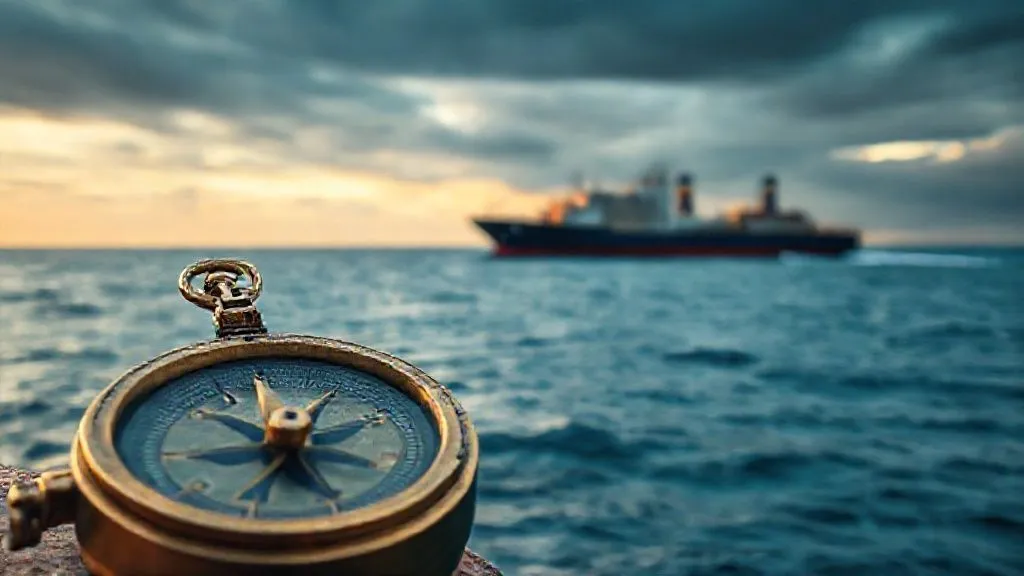
Decoding Marine Insurance: Navigating the Complex Seas of Risk
For over two decades, I've navigated the intricate currents of maritime law, witnessing firsthand the devastating impact inadequate or misunderstood marine insurance can have on businesses, from small fishing fleets to multinational shipping conglomerates. It's a field often perceived as complex, a necessary evil, yet it’s the bedrock upon which the entire global maritime economy rests.
Many vessel owners and cargo stakeholders, despite their operational acumen, often grapple with hidden clauses, critical exclusions, and the sheer breadth of coverage options, leaving them vulnerable to catastrophic financial loss when the inevitable storms hit. The assumption that 'any insurance is good insurance' is a perilous one in our industry, frequently leading to costly disputes and unrecoverable damages.
Through this deep dive, I aim to demystify marine insurance, transforming it from a labyrinthine legal document into a strategic tool for safeguarding your assets and ensuring business continuity. We'll explore not just what marine insurance is, but precisely how to identify critical blind spots, select optimal coverage, and master the claims process, all through the lens of my extensive experience and practical insights.
Understanding the Core: What Exactly is Marine Insurance?
At its heart, marine insurance is a contract of indemnity, designed to protect against financial losses arising from perils associated with marine navigation. It's not a 'one-size-fits-all' product; rather, it’s a mosaic of specialized covers tailored to the unique risks faced by vessels, cargo, and the people involved in maritime trade. From the moment goods leave the factory floor until they reach the final destination, or from a vessel's maiden voyage until its decommissioning, marine insurance offers a critical safety net.
In my experience, many misunderstand marine insurance as a single policy. In reality, it encompasses several distinct categories, each addressing specific aspects of maritime risk. The primary pillars include Hull and Machinery (H&M) insurance, which covers the physical vessel; Cargo insurance, protecting the goods being transported; and Protection & Indemnity (P&I) insurance, which addresses third-party liabilities. Understanding these distinctions is the first step towards robust risk management.
The global nature of shipping means that marine insurance often operates under internationally recognized principles and clauses, such as those formulated by Lloyd's Market Association (LMA) or the Institute of London Underwriters (ILU). These standardized wordings, while complex, provide a framework for consistent application across jurisdictions, offering a degree of predictability in an inherently unpredictable environment. As Lloyd's of London, a historical cornerstone of marine insurance, often emphasizes, adaptability and deep expertise are paramount.
The Hidden Perils: Common Blind Spots in Marine Insurance Policies
Even with a policy in hand, I’ve observed countless times that the greatest risks often lie in what isn't explicitly covered or what is misunderstood. These 'blind spots' can turn a seemingly comprehensive policy into a hollow promise when a claim arises. Identifying and addressing these gaps proactively is crucial for any prudent maritime operator.
One prevalent issue is underinsurance. This isn't just about saving premiums; it's about failing to accurately assess the true replacement value of a vessel or cargo, or underestimating potential liabilities. When a loss occurs, an underinsured party may only receive a fraction of their actual damages, leaving a significant financial burden. I always advise clients to err on the side of caution and regularly review valuations.
Another critical area is policy exclusions. Standard marine policies often exclude perils like war, terrorism, piracy in specific high-risk areas, cyber-attacks, or certain types of pollution. Assuming these are covered can be a grave mistake. Specialized endorsements or separate policies are frequently required to bridge these gaps. For instance, the growing threat of cyber-attacks on shipping operations, as highlighted by a report from the International Maritime Organization (IMO), necessitates specific cyber risk insurance.
"The real cost of marine insurance isn't the premium you pay, but the uninsured loss you suffer when you thought you were covered."
Finally, geographical limitations and navigating conditions can be significant blind spots. Policies may contain warranties restricting navigation to certain zones or requiring specific safety measures for voyages through ice-bound waters or piracy zones. Breaching these warranties, even unknowingly, can invalidate coverage entirely. Always scrutinize these clauses and communicate any unusual voyage plans with your insurer.
Navigating the Intricacies of Hull & Machinery (H&M) Insurance
Hull and Machinery (H&M) insurance is the cornerstone for any vessel owner, protecting the physical ship itself—its hull, engines, boilers, and other equipment. From a small tugboat to a supertanker, this coverage is indispensable against perils of the sea, fire, collision, jettison, and other specified risks. However, its complexity often leads to misunderstandings about what is truly covered and under what conditions.
A key concept in H&M is the principle of 'general average.' This ancient maritime law dictates that when a voluntary sacrifice is made (e.g., jettisoning cargo or intentionally damaging the vessel) to save the entire venture from a common peril, all parties with an interest in the voyage (shipowner, cargo owners, freight owners) must contribute proportionally to the losses. I've seen many clients surprised by a general average claim, underscoring the importance of understanding this fundamental aspect of H&M and having adequate insurance to cover your contribution.
Valuation is another critical aspect. Is your vessel insured for its agreed value, its market value, or its replacement cost? Each has different implications for premiums and claim payouts. An agreed value policy, where the insurer and assured agree on the vessel's value at the policy's inception, typically simplifies claim settlements but requires careful initial assessment. Underinsuring a vessel can lead to significant financial shortfalls, especially if the policy includes an 'average clause' where the insurer pays only a proportionate share of the loss if the insured value is less than the actual value.
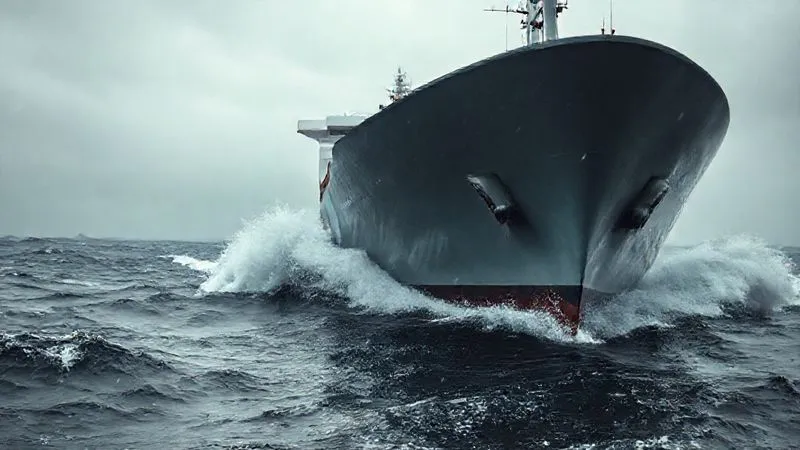
Furthermore, H&M policies often contain specific warranties regarding the vessel's seaworthiness, class maintenance, and trading limits. Breach of these warranties can lead to a denial of claim. It's not enough to simply have the policy; continuous compliance with its terms is paramount. Regular surveys and adherence to classification society rules are not just regulatory requirements but essential elements for maintaining your H&M coverage validity.
Safeguarding Your Goods: A Deep Dive into Cargo Insurance
For businesses involved in international trade, cargo insurance is as vital as the goods themselves. It protects against loss or damage to goods during transit by sea, air, rail, or road. I've advised countless importers and exporters on structuring their cargo insurance, knowing that a single incident can wipe out an entire shipment's value, impacting supply chains and profitability.
The core of cargo insurance often revolves around the Institute Cargo Clauses (ICC), which are standard sets of clauses developed by the Institute of London Underwriters. These clauses define the scope of coverage and are typically categorized as ICC (A), (B), or (C), offering progressively broader protection:
- ICC (C): The most restrictive, covering only major casualties like fire, explosion, grounding, sinking, collision, overturning, or discharge of cargo at a port of distress. It's suitable for robust, low-value goods.
- ICC (B): Offers wider coverage than (C), adding perils like earthquake, volcanic eruption, lightning, washing overboard, entry of sea/lake/river water into the vessel, and total loss of any package dropped during loading/unloading.
- ICC (A): The most comprehensive, covering "all risks" of loss or damage to the cargo, subject to specific exclusions (e.g., willful misconduct, inherent vice, ordinary leakage/loss in weight, unseaworthiness of vessel, war, strikes). This is generally recommended for high-value or sensitive cargo.
Understanding which ICC clause applies to your shipment, or negotiating for the most appropriate one, is a critical decision. I’ve seen businesses assume "all risks" meant absolutely everything, only to discover their particular loss was an exclusion. Always read the fine print, especially regarding exclusions for inherent vice (e.g., perishable goods spoiling due to their nature) or inadequate packaging.
Another crucial aspect is whether you opt for a single voyage policy or an open cover policy. A single voyage policy covers one specific shipment, ideal for infrequent exporters. An open cover policy, however, provides continuous coverage for all shipments moving within a defined period, offering greater administrative ease and often more favorable rates for regular traders. It's a strategic choice that can significantly streamline your logistics and risk management.
| Clause Type | Coverage Scope | Common Use | Typical Exclusions |
|---|---|---|---|
| ICC (A) | All risks (subject to exclusions) | High-value, sensitive goods | War, strikes, inherent vice, willful misconduct |
| ICC (B) | Named perils + water damage, total loss of packages | General cargo, moderate risk | War, strikes, willful misconduct, minor losses |
| ICC (C) | Major casualties (fire, collision, sinking) | Bulk cargo, low-value, robust goods | War, strikes, willful misconduct, all other perils not named |
Furthermore, attention to packaging and stowage is not just operational best practice; it directly impacts your insurance coverage. Policies often contain warranties requiring goods to be packed suitably for the intended voyage. A claim for damage due to insufficient packaging, in my experience, is a common reason for disputes with insurers. Invest in robust packaging and ensure proper loading procedures to avoid these pitfalls.
The Unseen Hand: Protection & Indemnity (P&I) Clubs and Third-Party Liabilities
While H&M insurance protects the vessel itself and cargo insurance protects the goods, Protection & Indemnity (P&I) insurance addresses the vast and often financially crippling third-party liabilities that vessel owners face. This is where the human element and the broader environmental impact of maritime operations come into sharp focus. P&I Clubs are mutual insurance associations, where shipowners collectively pool their resources to provide coverage for these complex risks.
The scope of P&I coverage is incredibly broad, encompassing:
- Crew claims: Injury, illness, death, repatriation, and wages.
- Passenger and third-party claims: Injury, illness, and death.
- Collision liability: The portion of collision damage not covered by H&M (often 3/4ths liability in H&M, with P&I covering the remaining 1/4th and other third-party damages).
- Pollution liability: Costs associated with oil spills and other environmental damage, including clean-up and fines. This can be astronomical and is a major driver for robust P&I coverage.
- Cargo claims: Loss, damage, or delay to cargo, even if covered by cargo insurance, the shipowner may still be liable to the cargo owner.
- Wreck removal: Costs of removing a sunken or stranded vessel.
- Fines and penalties: For breaches of regulations (e.g., customs, immigration).
Case Study: How Triton Shipping Avoided Catastrophe with Proactive P&I
Triton Shipping, a mid-sized operator with a fleet of bulk carriers, faced a severe challenge when one of its vessels, the 'Ocean Pioneer,' suffered an engine room fire in international waters, leading to a significant oil spill. Initial estimates for environmental clean-up, third-party property damage, and potential crew injury claims were in the tens of millions—far exceeding their H&M limits. Thanks to their proactive engagement with their P&I Club, Triton had robust coverage for pollution liability and crew claims. The P&I Club immediately deployed emergency response teams, managed complex legal negotiations with affected states, and handled all crew medical and repatriation costs. This resulted in Triton Shipping avoiding financial ruin and maintaining its operational license, demonstrating the critical role of a well-structured P&I membership.
Membership in a P&I Club is not just about financial indemnity; it provides access to a global network of legal, technical, and claims experts who can respond swiftly to incidents anywhere in the world. This expert support is, in my opinion, one of the most invaluable aspects of P&I. For more detailed insights, exploring the resources of a leading club like the UK P&I Club can be highly illuminating.
Beyond the Basics: Specialized Marine Insurance Covers You Can't Ignore
While H&M, Cargo, and P&I form the bedrock, the modern maritime landscape is fraught with evolving and specialized risks that demand additional, often bespoke, insurance solutions. Ignoring these can leave critical vulnerabilities in your risk management strategy.
War Risks Insurance: With geopolitical tensions and piracy incidents persisting in various regions, standard H&M and P&I policies typically exclude losses due to war, terrorism, piracy, and civil commotion. A separate war risks policy is essential for vessels trading in or transiting through designated high-risk areas. This cover often includes hull war risks, war P&I, and sometimes even kidnap & ransom (K&R) coverage for crew.
Cyber Risk Insurance: The digital transformation of shipping, while offering immense efficiencies, has also opened new avenues for malicious actors. Cyber-attacks can disrupt navigation systems, cargo handling, and critical communication, leading to delays, data breaches, and even physical damage. Traditional marine policies rarely cover these specific digital perils. A specialized cyber marine insurance policy can protect against financial losses from business interruption, data recovery costs, and third-party liabilities arising from a cyber incident.
"The maritime industry is no longer just about the sea; it's also about the servers and networks that keep vessels afloat and cargo moving."
Builder's Risk Insurance (or Marine Construction Insurance): For shipyards and owners commissioning new builds, this policy covers the vessel during its construction phase, from keel-laying to sea trials and delivery. It protects against damage to the vessel, materials, and equipment, as well as third-party liability arising during construction. This is a highly specialized cover that requires deep understanding of the shipbuilding process.
Port and Terminal Operators Liability: For those managing shore-side operations, this insurance covers liabilities arising from damage to vessels, cargo, or property, and injury to personnel within their operational control. It's a crucial cover for ensuring the smooth functioning of global trade infrastructure.
Loss of Hire Insurance: If your vessel is out of commission due to an insured peril, loss of hire insurance compensates for the revenue lost during the repair period. This can be a vital buffer for owners whose business model relies heavily on continuous vessel operation. I've seen this save many businesses from significant cash flow crises.
Mastering the Claims Process: Your Blueprint for Success
Having the right marine insurance is only half the battle; the other half is successfully navigating the claims process when a loss occurs. In my experience, the difference between a swift, favorable settlement and a protracted, frustrating dispute often hinges on meticulous preparation and adherence to established protocols. Here's an actionable blueprint:
- Immediate Notification: As soon as an incident occurs, no matter how minor it seems, notify your insurer or broker immediately. Delays can prejudice your claim. Provide all initial details available.
- Mitigate Further Loss: Take all reasonable steps to prevent further damage or loss. This is not only a contractual obligation but also a common-sense measure. Document these efforts thoroughly.
- Gather Evidence & Documentation: This is paramount. Collect photographs, videos, witness statements, logbook entries, survey reports, repair invoices, cargo manifests, bills of lading, and any relevant communication. The more comprehensive your documentation, the stronger your claim.
- Appoint Surveyors/Experts (if necessary): For significant incidents, your insurer will likely appoint a surveyor or average adjuster. You may also wish to appoint your own independent surveyor to protect your interests. Ensure all parties cooperate.
- Prepare Your Claim Submission: Work with your broker to compile a detailed claim document, outlining the incident, the nature of the loss, the policy sections invoked, and the financial quantification of your damages. Accuracy and clarity are key.
- Negotiation & Settlement: Be prepared for a period of assessment and potential negotiation. Insurers will review all documentation. Your broker acts as your advocate during this phase.
| Phase | Action | Key Document |
|---|---|---|
| Pre-Incident | Review policy, understand exclusions, ensure accurate valuation | Policy wording, valuation certificates |
| Incident Occurs | Immediate notification to insurer/broker, mitigate further loss | Initial incident report, photos/videos |
| Investigation | Gather all evidence, cooperate with surveyors, appoint independent experts if needed | Logbooks, manifests, survey reports, witness statements |
| Claim Submission | Compile detailed claim document with financial quantification | Claim form, repair invoices, cost estimates |
| Settlement | Negotiate with insurer, receive payout | Settlement agreement, payment records |
One common pitfall I've witnessed is the failure to distinguish between particular average (a partial loss to the vessel or cargo, borne by the owner or insurer) and general average (a loss intentionally incurred to save the entire venture, shared proportionally). Understanding this distinction is vital for accurate claim reporting. Always remember that marine insurance is a contract of 'utmost good faith' (uberrimae fidei); transparency and honesty are non-negotiable from both sides.
Choosing the Right Partner: Selecting Your Marine Insurance Broker
The complexity of marine insurance underscores the absolute necessity of partnering with an expert marine insurance broker. This isn't a transaction; it's a strategic partnership. A good broker acts as your trusted advisor, navigating the market on your behalf and ensuring your coverage aligns precisely with your risk profile. I cannot overstate the value of a truly experienced broker.
When selecting a broker, look for several key attributes:
- Specialized Expertise: Ensure they have deep, demonstrable expertise specifically in marine insurance, not just general commercial insurance. They should understand maritime law, international conventions, and the nuances of various vessel types and cargo operations.
- Market Access & Relationships: A strong broker will have established relationships with a wide array of specialist marine insurers and P&I Clubs globally. This access allows them to secure the most competitive terms and comprehensive coverage options for your specific needs.
- Proactive Risk Management Advice: Beyond just placing policies, an excellent broker will offer ongoing risk management advice, helping you identify emerging threats, review your existing coverage annually, and suggest improvements. They should be a partner in your long-term success.
- Claims Advocacy: Crucially, your broker should be a fierce advocate for you during the claims process. They should have a dedicated claims team with legal and technical expertise to guide you through every step and negotiate effectively with insurers on your behalf.

Don't simply choose the cheapest option. The value a knowledgeable broker brings in preventing uninsured losses, securing favorable terms, and efficiently managing claims far outweighs any perceived savings from a less experienced, generalist provider. As an industry veteran, I’ve seen countless examples where a seasoned broker's intervention has saved clients millions and ensured business continuity. This partnership is an investment in your maritime future.
Frequently Asked Questions (FAQ)
What is the difference between Actual Total Loss and Constructive Total Loss? An Actual Total Loss occurs when the insured property (vessel or cargo) is completely destroyed or damaged beyond repair, or when the assured is irretrievably deprived of it (e.g., a ship sinking in deep ocean). A Constructive Total Loss, on the other hand, is when the cost of recovering, repairing, or salvaging the property would exceed its insured value. In such cases, the assured can 'abandon' the property to the insurer and claim for a total loss, even if the property still physically exists. This distinction is critical in determining the payout and salvage rights.
Are 'Acts of God' covered by marine insurance? Generally, standard marine insurance policies (like H&M and Cargo policies) do cover perils of the sea, which often include natural disasters such as storms, hurricanes, and rogue waves, which could be considered 'Acts of God.' However, specific exclusions may apply, especially for perils like earthquakes or volcanic eruptions in some basic policies (e.g., ICC C). War Risks insurance is a separate cover for politically motivated perils. Always check your specific policy wording for clarity on natural disaster coverage and any geographical limitations.
What is a 'franchise' or 'deductible' in marine insurance? Both a franchise and a deductible (also known as an excess) represent the amount of loss that the assured must bear before the insurer pays out. A deductible means the assured always pays the first agreed-upon amount of every claim. A franchise, however, specifies a minimum amount of loss; if the loss is below the franchise, the assured bears the entire loss, but if the loss exceeds the franchise, the insurer pays the entire loss (without deducting the franchise amount). Franchises are less common in modern policies but still appear. Understanding these clauses impacts your out-of-pocket costs during a claim.
How does marine insurance handle salvage operations? When a vessel or cargo is in peril, salvage operations are undertaken to save it. Marine insurance policies typically cover the costs of these operations, provided they are reasonable and necessary to mitigate loss. Under a 'no cure, no pay' contract, salvors are only paid if they successfully save the property. The insurer will typically pay the assured's share of the salvage award. It's crucial to notify your insurer immediately if salvage operations are initiated, as they will often be involved in approving the terms of the salvage contract.
Is marine insurance mandatory? While marine insurance is not universally mandated by international law for all vessels or cargo, it is practically indispensable and often contractually required. Many ports require vessels to have P&I coverage for pollution and wreck removal liability. Financiers and charterers almost always insist on comprehensive H&M and P&I coverage. For cargo, while not legally mandatory, any prudent buyer or seller will require it to protect their financial interest in goods during transit. In essence, while not always a legal requirement, it is an absolute commercial necessity for operating in the maritime industry.
Key Takeaways and Final Thoughts
Navigating the complex world of marine insurance requires more than just purchasing a policy; it demands a deep understanding of its nuances, potential blind spots, and the strategic partners who can guide you. My years in this specialized field have repeatedly shown that proactive engagement with your insurance strategy is not merely a cost center, but a vital investment in resilience and long-term success.
- Understand Your Exposure: Go beyond generic policies and meticulously assess your specific operational risks, from vessel type and trading routes to cargo characteristics and third-party liabilities.
- Scrutinize the Details: Pay close attention to exclusions, warranties, geographical limitations, and valuation clauses. What you don't know can hurt you.
- Leverage Expert Brokers: Partner with a specialist marine insurance broker who offers deep expertise, market access, and robust claims advocacy, transforming your insurance into a strategic asset.
- Master the Claims Process: Be prepared with immediate notification, thorough documentation, and a clear understanding of your obligations to ensure swift and fair settlements.
- Embrace Continuous Review: The maritime landscape is dynamic. Regularly review your policies with your broker to adapt to new risks, regulatory changes, and evolving business needs.
The seas may be unpredictable, but your protection doesn't have to be. By adopting these principles and committing to an informed approach to marine insurance, you empower your maritime ventures to weather any storm, ensuring not just survival, but prosperity. I encourage you to view marine insurance not as a burden, but as your most reliable anchor in the ever-changing tides of global trade.
Recommended Reading
- 7 Proven Steps: Uncover Hidden Income & Secure Child Support
- 7 Proven Ways to Shield Assets from Elder Care Costs Legally
- Key Supplier Chapter 11? 7 Steps to Safeguard Your Business
- 5 Steps to Fight Unlawful Nursing Home Eviction & Protect Rights
- Due Process in Crisis: 5 Steps to Challenge Emergency Powers

Comments
Leave a comment below. Your email will not be published. Required fields marked with *