


What Legal Steps to Take During Active Vessel Salvage Operations?
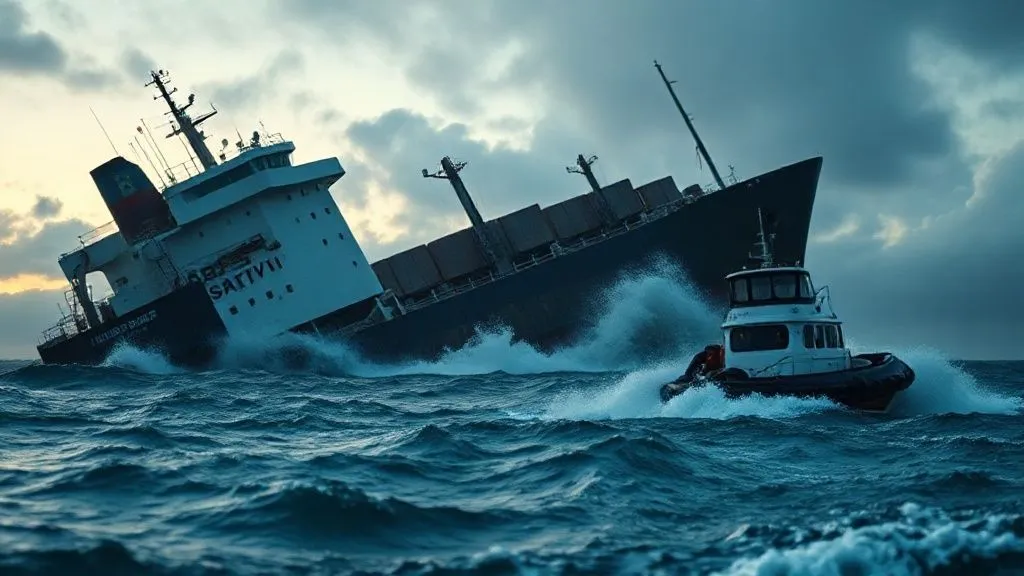
For over 25 years in the intricate world of maritime law, I've witnessed firsthand the chaos and financial devastation that can ensue when a vessel encounters distress at sea. It’s a moment of high stakes, where every decision, or lack thereof, can have profound legal and financial repercussions. I've seen shipowners, cargo interests, and insurers scramble, often making critical errors simply because they lacked a clear understanding of the legal framework governing active salvage operations.
The immediate aftermath of a maritime incident – a grounding, collision, fire, or mechanical breakdown – is fraught with peril. Beyond the obvious physical dangers to the crew and vessel, there's an invisible minefield of legal obligations, contractual nuances, and potential liabilities. Without a precise legal strategy, what begins as an attempt to save a ship can quickly devolve into a protracted and costly legal battle, jeopardizing assets, reputation, and even freedom.
This article isn't just a guide; it's a roadmap forged from decades of experience. I'll walk you through the essential legal steps to take during active vessel salvage operations, offering actionable frameworks, a mini case study, and expert insights to help you navigate these treacherous waters successfully. My goal is to equip you with the knowledge to protect your interests, minimize liabilities, and ensure a legally sound resolution to any salvage scenario.
Immediate Notification and Documentation: The First Legal Imperative
When a vessel is in distress, the clock starts ticking not just for the physical rescue, but for the legal response. The very first legal steps are centered around prompt notification and meticulous documentation. Neglecting these initial actions can severely prejudice your position later.
Notifying Authorities and Insurers
As soon as a salvage situation arises, immediate notification is paramount. Your vessel's master has a duty to notify relevant flag state authorities, coastal state authorities (if within their waters), and, crucially, your insurers. This isn't merely a procedural step; it's often a contractual obligation under your insurance policy. Failure to notify promptly can lead to claims being denied or reduced. I've seen cases where delays of mere hours have been enough for insurers to raise questions about the validity of a claim.
Beyond insurers, it's vital to inform the ship's owner or operator, cargo owners (if known), and any other parties with a vested interest. Transparency, even in crisis, builds trust and ensures all stakeholders are aligned, or at least aware, of the unfolding situation.
Initiating the Salvage Log
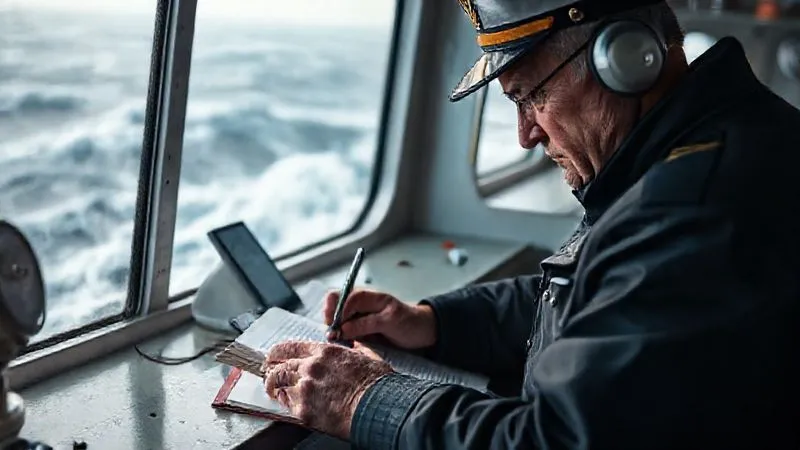
One of the most critical, yet often overlooked, legal steps is the initiation and maintenance of a comprehensive salvage log. This is distinct from the vessel's ordinary logbook and should be a detailed, real-time record of all events related to the casualty and the salvage operation. It serves as an invaluable piece of evidence should disputes arise regarding the necessity of salvage, the extent of services rendered, or the professional conduct of salvors.
Actionable Steps for Your Salvage Log:
- Date and Time Stamp Everything: Record every entry with precise date and time (preferably UTC).
- Record All Communications: Document all radio calls, emails, satellite messages, and verbal exchanges with salvors, authorities, insurers, and company management. Include who was contacted, by whom, and the substance of the communication.
- Detail All Actions Taken: Log every maneuver, every piece of equipment deployed, every attempt to mitigate damage, and every step taken by the vessel's crew and salvors.
- Document Environmental Measures: Record all actions taken to prevent or mitigate pollution, including boom deployments, transfer operations, and reporting to environmental agencies.
- Note Weather Conditions: Continuously record sea state, wind speed and direction, visibility, and any other relevant meteorological data.
- Capture Damage Assessment: Log observations of damage to the vessel and cargo, both before and during salvage operations.
- Witness Statements: Note the names and contact details of any witnesses to key events.
This log acts as your vessel's memory, a factual recounting that can be cross-referenced against other evidence. It's the bedrock of your legal defense or claim.
Understanding Salvage Contracts: LOF and Beyond
Once a professional salvor is engaged, the type of contract governing their services becomes the next crucial legal consideration. The choice of contract, or even the absence of one, profoundly impacts the rights and obligations of all parties.
The "No Cure, No Pay" Principle
At the heart of most maritime salvage is the ancient principle of "no cure, no pay." This means that a salvor is only entitled to a reward if they successfully save the vessel or property from peril. If their efforts are unsuccessful, they receive nothing, regardless of the effort expended. This encourages salvors to take risks but also places a significant burden on them.
However, modern salvage contracts often include provisions that modify this pure "no cure, no pay" principle, particularly concerning environmental protection. This evolution reflects the increasing global emphasis on preventing marine pollution.
Navigating Lloyd's Open Form (LOF)
The Lloyd's Open Form (LOF) is arguably the most widely used and recognized salvage contract globally. It's a simple, standardized agreement, often signed quickly under duress, that incorporates the "no cure, no pay" principle. Its primary advantage is speed and simplicity: salvors can commence operations without lengthy negotiations, knowing that the terms for their remuneration will be determined later, typically through arbitration in London.
"In my experience, the LOF is a double-edged sword. Its genius lies in enabling rapid response, which is crucial in maritime emergencies. However, its simplicity can mask the complexities of the subsequent arbitration process, making expert legal representation indispensable from the outset."
A key feature of LOF is Article 13 of the International Convention on Salvage 1989, which it incorporates. This article outlines the criteria for assessing a salvage award, including the skill and efforts of the salvors, the value of the property salved, the degree of danger, and the promptness of the services. It also includes Article 14, which provides for "Special Compensation" for salvors who prevent or minimize environmental damage, even if they don't fully save the vessel (a modification to "no cure, no pay").
Other Salvage Agreements (e.g., SCOPIC)
While LOF is prevalent, other forms of salvage agreements exist. These can range from bespoke contracts negotiated between parties to other standard forms. A significant development in recent decades is the Special Compensation P&I Club (SCOPIC) clause. This optional clause, often incorporated into LOF, provides a pre-agreed tariff for salvors' services specifically for environmental protection, regardless of the success of the salvage operation. It's designed to incentivize salvors to prioritize environmental protection without the financial risk associated with a pure "no cure, no pay" outcome for pollution prevention efforts.
Understanding these contractual nuances is vital. A general average adjuster or a maritime lawyer can advise on the best form of contract for a given situation, balancing the need for immediate action with the protection of your financial interests.
Appointing Legal Counsel: Your On-Scene Advocate
Engaging specialized legal counsel is not a luxury; it's a necessity during active vessel salvage operations. From the moment distress occurs, legal complexities begin to mount, and having an expert maritime lawyer on your side can be the difference between a controlled resolution and a spiraling disaster.
Why Specialized Maritime Lawyers are Crucial
Maritime law is a highly specialized field, distinct from general commercial law. It involves unique international conventions, national admiralty laws, and specific industry practices. A general practitioner simply won't have the depth of knowledge required to navigate the intricacies of salvage law, maritime liens, pollution liability, or cross-border jurisdictional issues.
An experienced maritime lawyer understands the nuances of salvage contracts, the criteria for salvage awards, and the strategies employed by professional salvors. They can advise on the implications of signing an LOF, the applicability of SCOPIC, and the best course of action to protect your interests regarding vessel and cargo.
Role of Legal Counsel During Operations
Your legal counsel acts as your advocate and guide throughout the entire salvage process. During active operations, their role includes:
- Contract Review: Advising on the terms of any proposed salvage contract, ensuring your rights are protected.
- Liaison: Communicating with salvors, insurers, P&I Clubs, and regulatory authorities on your behalf.
- Evidence Collection: Guiding the vessel's crew on what evidence to collect and how to document events meticulously.
- Liability Management: Advising on potential pollution liabilities and guiding actions to mitigate environmental impact.
- Security Arrangements: Assisting in arranging security for the salvage claim, which is often required before the vessel or cargo can be released.
Case Study: The M/V 'Sea Serpent' Incident
The M/V 'Sea Serpent,' a bulk carrier, suffered a major engine room fire in international waters. The owners, initially hesitant to incur legal fees, attempted to negotiate directly with potential salvors. They were presented with a complex, bespoke salvage agreement that contained clauses heavily favoring the salvors, including a fixed daily rate regardless of success and broad indemnities.
Fortunately, their P&I Club insisted they consult a maritime lawyer. Our firm was engaged. We immediately advised against signing the proposed contract and instead recommended an LOF with a SCOPIC clause, given the potential for significant environmental damage. We then liaised directly with the salvors, negotiating the implementation of the LOF. Throughout the active salvage, we guided the ship's master on detailed log entries and evidence preservation. After the successful salvage, we represented the owners in the LOF arbitration, ensuring that the salvage award was fair and proportionate, ultimately saving the owners millions compared to the terms of the initial proposed contract. This demonstrates the critical value of early legal intervention.
Preserving Evidence and Protecting Rights
The success of any future legal claim or defense hinges on the quality and completeness of the evidence collected during and immediately after the salvage operation. This isn't just about the salvage log; it encompasses a broad spectrum of documentation and physical evidence.
Crucial Evidence for Salvage Claims
Every piece of information, from a casual radio transmission to a detailed engineering report, can become vital. The goal is to paint a clear and undisputed picture of the events leading to the casualty, the peril faced, the efforts of the salvors, and the outcome.
| Evidence Type | Description |
|---|---|
| Vessel Logbooks | Official deck and engine room logs, including salvage log. Critical for timeline and actions. |
| Bridge & Engine Data | VDR (Voyage Data Recorder) data, ECDIS logs, engine telemetry. Provides objective operational data. |
| Communications Records | Transcripts of radio, satellite, email, and phone communications with all parties. |
| Photographs & Videos | Visual records of damage, weather, salvage operations, pollution, crew actions. Date/time stamped. |
| Crew Statements | Detailed statements from master and crew members about events and their actions. |
| Salvage Contract & Agreements | Copies of LOF, SCOPIC, or any other salvage agreements. |
| Cargo Manifests & Documentation | Details of cargo on board, including value and condition. |
| Survey Reports | Pre- and post-salvage surveys of vessel and cargo damage. |
| Weather Data | Official meteorological reports for the casualty area and time. |
| Pollution Response Records | Documentation of all steps taken to prevent/mitigate pollution. |
Avoiding Spoliation of Evidence
Spoliation of evidence, or the intentional or negligent destruction or alteration of evidence, can have severe legal consequences. It can lead to adverse inferences being drawn against the party responsible, or even outright dismissal of claims. It's imperative that all potential evidence is preserved and secured. This includes ensuring that VDR data is downloaded and protected, physical documents are not discarded, and electronic communications are archived.
Actionable Steps for Evidence Preservation:
- Secure VDR Data: As soon as possible after the incident, ensure the VDR data is downloaded and secured by an independent expert. This data is often overwritten after a short period.
- Designate a Documentation Officer: Appoint a specific crew member (or shore personnel) responsible for overseeing all documentation and evidence collection.
- Take High-Resolution Photos/Videos: Use multiple devices if possible, ensuring date and time stamps are enabled. Capture wide shots and close-ups of damage, environmental conditions, and salvage equipment.
- Isolate Relevant Documents: Gather all logbooks, manifests, repair records, and communication logs related to the incident and secure them.
- Interview Key Personnel: Obtain detailed written statements from the master and all relevant crew members as soon as practicable, while memories are fresh.
Managing Environmental Concerns and Pollution Liability
In today's regulatory landscape, environmental protection is paramount. Any salvage operation must proceed with acute awareness of potential pollution risks and the stringent international and national laws governing them. Failure to adequately address these concerns can lead to astronomical fines, criminal charges, and severe reputational damage.
International Conventions and National Laws
A cornerstone of international maritime environmental law is the International Convention for the Prevention of Pollution from Ships (MARPOL), which regulates the discharge of pollutants from vessels. Beyond MARPOL, conventions like the International Convention on Oil Pollution Preparedness, Response and Co-operation (OPRC) 1990 provide a framework for international cooperation in responding to major oil pollution incidents. Nationally, countries often have their own specific legislation, such as the Oil Pollution Act (OPA 90) in the United States, which imposes strict liability for oil spills.
These conventions and laws place significant responsibilities on shipowners to prevent pollution and respond effectively should an incident occur. Salvors, too, have a duty to act with due diligence to prevent or minimize environmental damage. The 'Special Compensation' provisions in salvage contracts (like Article 14 of the 1989 Salvage Convention and the SCOPIC clause) are direct responses to this heightened environmental awareness, incentivizing salvors to prioritize pollution prevention.
Proactive Measures to Mitigate Risk
From a legal and operational standpoint, proactive measures are always preferable to reactive damage control. During an active salvage, this means working closely with salvors to identify and mitigate potential sources of pollution.
- Pollution Prevention Plan: Ensure the vessel has an up-to-date Shipboard Oil Pollution Emergency Plan (SOPEP) or Shipboard Marine Pollution Emergency Plan (SMPEP) and that crew are trained to execute it.
- Containment: Deploying booms, skimmers, and other containment equipment as quickly as possible to prevent the spread of pollutants.
- Transfer Operations: Carefully planning and executing ship-to-ship transfers of fuel or cargo to reduce the risk of further spills.
- Reporting: Immediately reporting any actual or potential pollution to relevant authorities (e.g., coast guard, port state control).
- Expert Consultation: Engaging environmental consultants if the risk of pollution is high, to provide specialized advice and monitoring.
As the International Maritime Organization (IMO) consistently emphasizes, prevention is key. My advice is always to err on the side of caution when it comes to environmental risks. The costs of proactive measures are almost always dwarfed by the potential liabilities of a major pollution incident.
Navigating Jurisdiction and Choice of Law
Understanding which legal system will govern your salvage claim and where any disputes will be heard is a critical legal step. Maritime law is inherently international, and a casualty occurring in international waters or involving vessels of different flags can quickly become a jurisdictional maze.
Admiralty Jurisdiction in Salvage Cases
Most maritime nations have specialized admiralty courts that handle salvage claims. These courts apply specific maritime laws and conventions. The principle is that salvage claims fall under admiralty jurisdiction because they relate directly to maritime commerce and navigation.
However, the specific rules of a particular admiralty court can vary. For instance, the US has a robust body of admiralty law, while countries like the UK largely rely on international conventions incorporated into national law, often with arbitration as the preferred dispute resolution mechanism for LOF cases.
Impact of Contractual Clauses
The choice of law and jurisdiction is often determined by the salvage contract itself. An LOF, for example, stipulates that disputes will be settled by arbitration in London under English law. This provides a level of certainty and predictability, as parties know upfront where and under what rules any disagreements will be resolved.
If no formal contract is signed (a 'pure salvage' scenario), the governing law will typically be determined by the location of the salvage operation or the flag state of the salving vessel, or potentially the forum where the salved property is brought. This can lead to complex legal arguments about the most appropriate jurisdiction, underscoring why a clear contract is always preferable.
It's vital to discuss these implications with your maritime legal counsel early on. They can advise on the pros and cons of different jurisdictions and help you understand the potential legal landscape for any future claims or disputes. For further reading on the intricacies of admiralty jurisdiction, reputable legal resources, such as those published by major maritime law firms or academic institutions, provide detailed insights into specific national laws and international conventions. For example, The Maritime Executive often features articles detailing these legal complexities.
The Salvage Award: Understanding Entitlement and Calculation
The ultimate goal for a professional salvor is a fair and equitable salvage award. For the vessel owner and cargo interests, understanding how this award is determined is crucial for anticipating costs and negotiating settlements. The calculation of a salvage award is not an exact science but is guided by specific principles and factors.
Factors Influencing a Salvage Award
Article 13 of the International Convention on Salvage 1989, which is incorporated into LOF and many other contracts, provides the primary criteria for assessing a salvage award. These factors are considered holistically by arbitrators or courts:
| Factor | Description |
|---|---|
| Skill and Efforts of the Salvors | The expertise, efficiency, and bravery displayed by the salvors. |
| Degree of Danger | The severity of the peril to the salved vessel, property, and environment. |
| Value of Property Salved | The assessed value of the vessel and cargo after the salvage operation. |
| Promptness of Services | How quickly the salvors responded and commenced operations. |
| Time & Expenses | The amount of time spent and expenses reasonably incurred by the salvors. |
| Losses & Liabilities | Risks run by salvors and their equipment, and any liabilities incurred. |
| Environmental Protection | The skill and efforts in preventing or minimizing environmental damage. |
| Availability of Tugs/Equipment | The state of readiness and efficiency of the salvor's equipment. |
It's important to note that the total salvage award cannot exceed the value of the property salved. This cap ensures that the owner is not penalized beyond the benefit received from the salvage.
Security for Salvage Claims (e.g., LOF Salvage Security)
Before the salved vessel and cargo can be released from the salvor's possession, security for the salvage claim must be provided. Under LOF, this typically involves the owner of the salved property (vessel and cargo) providing a guarantee, usually from their P&I Club or an approved financial institution, to cover the potential salvage award plus interest and costs. The amount of security is often a point of negotiation, and your legal counsel will play a vital role in ensuring it is reasonable and proportionate.
The provision of security is a critical legal step because without it, the salvors have a maritime lien on the salved property and can arrest the vessel or cargo to enforce their claim. Delays in providing security can lead to significant demurrage charges and further financial losses.
Post-Salvage Operations: Liens, Release, and Dispute Resolution
Even after the vessel is safely in port, the legal process is far from over. The post-salvage phase involves navigating maritime liens, securing the release of the vessel and cargo, and, if necessary, engaging in dispute resolution.
Maritime Liens for Salvage
Under maritime law, a salvor acquires a maritime lien on the salved property (vessel and cargo) for the value of their services. This lien is a powerful legal tool that allows the salvor to arrest the vessel or cargo if security is not provided or if there's a dispute over the salvage award. Maritime liens generally 'travel with the ship,' meaning they can be enforced even if the vessel is sold to a new owner.
Understanding the nature and priority of this lien is crucial. Salvage liens typically rank very high among maritime liens, often taking precedence over mortgages and other claims, reflecting the fundamental importance of saving property at sea.
Vessel Release and Cargo Delivery
Once adequate security for the salvage claim has been provided, the salvors are obliged to release the vessel and cargo. This often involves coordination between the vessel owners, cargo owners, their respective insurers, and legal teams. A 'release letter' or similar document will be issued, confirming that the property is free from the salvor's claim, subject to the security provided.
It's important to ensure that all parties agree on the terms of release and that the vessel and cargo are inspected for any further damage that may have occurred during the salvage operation before full release is granted.
Arbitration vs. Litigation
If the parties cannot agree on the amount of the salvage award, the dispute will proceed to a formal resolution process. For LOF cases, this is almost always arbitration in London. The Lloyd's Salvage Arbitration Branch oversees this process, appointing experienced maritime arbitrators to hear the case and determine a fair award based on the evidence presented and the Article 13 factors.
In other salvage scenarios, or if the contract specifies, the dispute might go to litigation in an admiralty court. Both arbitration and litigation require meticulous preparation, presentation of evidence, and expert legal arguments. Your maritime lawyer will guide you through this process, representing your interests vigorously to achieve the most favorable outcome.
I've seen countless cases where a well-managed post-salvage phase, even in contentious circumstances, led to a pragmatic and cost-effective resolution. It's about strategic negotiation and, when necessary, robust advocacy.
Frequently Asked Questions (FAQ)
What if no salvage contract is signed before services begin? If no formal contract is signed, the situation is considered 'pure salvage' or 'salvage ex contractu.' The salvor is still entitled to a salvage award under general maritime law, provided their services were voluntary, successful, and rendered to property in peril. The award will be determined by a court or arbitrator based on the principles of the 1989 Salvage Convention and relevant national laws. It's often more complex and less predictable than contractual salvage.
Can a non-professional salvor claim an award? Yes, absolutely. The law of salvage applies to any person who voluntarily saves maritime property from peril, whether they are a professional salvor or not. The key elements are voluntariness (no pre-existing duty to assist), peril (real and apprehended danger), and success (or at least partial success leading to environmental benefit). Even a passing yacht or fishing vessel can be entitled to a salvage award if they render successful assistance.
What are the environmental liabilities for the vessel owner during salvage? The vessel owner retains primary liability for pollution caused by their vessel, even during a salvage operation. International conventions like CLC (Civil Liability Convention) and national laws impose strict liability. While salvors have a duty to prevent pollution, their actions do not absolve the owner of their ultimate responsibility. This is why having a robust pollution prevention plan and careful oversight of salvage operations is critical.
How quickly must a salvage claim be filed? Under Article 23 of the 1989 Salvage Convention, a salvage claim is generally time-barred after two years from the date on which the salvage operations are terminated. This is a strict limitation period, and failure to bring a claim within this window can result in the loss of the right to claim an award. However, national laws may have slight variations or exceptions, so it's always best to consult with legal counsel promptly.
What exactly is the SCOPIC clause and why is it important? The Special Compensation P&I Club (SCOPIC) clause is an optional provision often incorporated into the Lloyd's Open Form (LOF) salvage contract. It modifies the 'no cure, no pay' principle by guaranteeing salvors a fixed daily rate for their efforts in preventing or minimizing environmental damage, even if the main salvage operation is unsuccessful. It's important because it incentivizes salvors to prioritize environmental protection without facing undue financial risk, thereby reducing the likelihood of major pollution incidents.
Key Takeaways and Final Thoughts
Navigating active vessel salvage operations is a complex dance between urgent action and meticulous legal compliance. The stakes are incredibly high, involving not just significant financial assets but also human lives and environmental integrity. Having guided countless clients through these turbulent waters, I can unequivocally state that preparation and immediate, expert legal engagement are your most powerful allies.
- Act Quickly, Document Meticulously: The first hours are critical for both physical rescue and legal preparedness.
- Understand Your Contract: Whether LOF or another agreement, know its implications.
- Engage Specialized Counsel Early: A maritime lawyer is not an expense but an investment in protecting your interests.
- Preserve All Evidence: Every piece of information can be crucial in a future dispute.
- Prioritize Environmental Protection: Legal and financial liabilities for pollution are immense.
- Know Your Jurisdictional Landscape: Understand where and how disputes will be resolved.
- Prepare for Post-Salvage Negotiations: The salvage award and release process require careful management.
The maritime world is unforgiving, but with the right legal framework and expert guidance, you can transform a potential catastrophe into a manageable challenge. Don't wait for disaster to strike to understand your legal standing. Be proactive, be prepared, and always prioritize sound legal counsel to safeguard your vessel, your cargo, and your future.
Recommended Reading
- Chapter 7 Fraudulent Transfers: 7 Steps to Identify & Challenge
- 7 Legal Strategies: Enforcing DRM Against Global Online Piracy
- Unveiling the Hidden Depths: What Are the Legal Aspects of Maritime Cyber Security?
- Parent Demands Adult Student FERPA Records? 7 Steps for Compliance
- 7 Proven Strategies: Protecting Your Business from Key Employee Deportation Appeal

Comments
Leave a comment below. Your email will not be published. Required fields marked with *