


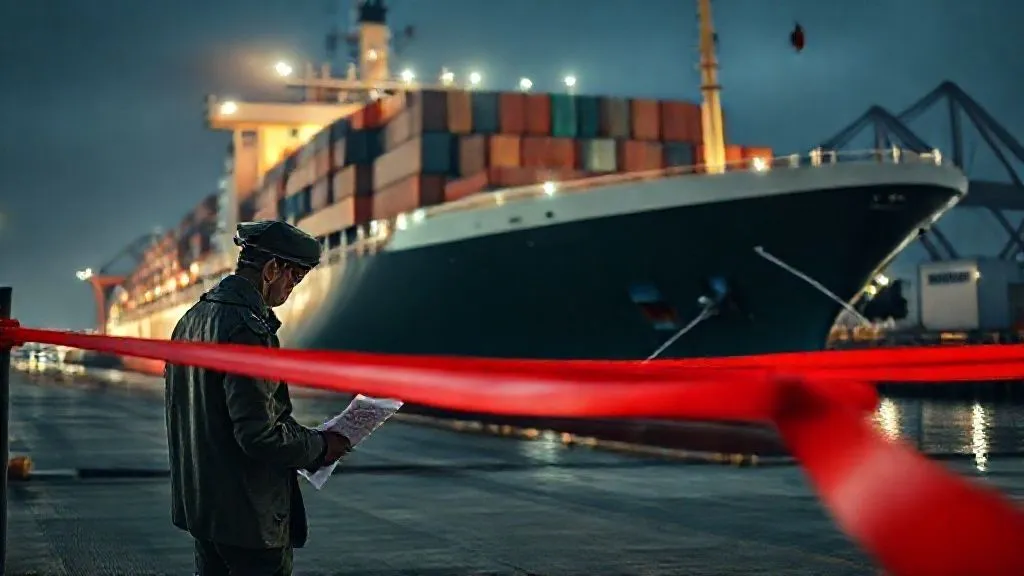
What to do when your ship is detained for port violations?
For over three decades navigating the complex currents of maritime law, I’ve witnessed the profound distress and substantial operational disruptions caused by ship detentions. The moment a vessel is flagged for port violations, a palpable tension grips the crew, the owners, and the operators – it's an immediate crisis with far-reaching implications, and I've seen countless companies caught off guard, making critical mistakes in those initial, chaotic hours. The financial, reputational, and operational nightmare that ensues can be devastating.
The immediate aftermath of a port violation detention is often characterized by confusion, escalating costs, and a looming threat to reputation. You're facing not just significant financial penalties, but potential delays, cargo damage, charter party breaches, and a significant dent in your operational efficiency, all while under intense scrutiny from port state control (PSC) authorities. The pain point is clear: a lack of a clear, actionable roadmap when the unexpected happens can turn a manageable incident into a full-blown catastrophe.
This guide is born from my years in the trenches, representing shipowners and operators globally. I'm here to provide you with a definitive, expert-backed framework, outlining precisely what to do when your ship is detained for port violations. We'll delve into immediate response protocols, legal navigation strategies, financial mitigation, and crucial preventative measures, equipping you with the knowledge to safeguard your assets and ensure a swift, compliant resolution. My aim is to empower you to navigate these turbulent waters with confidence and competence.
1. Immediate Action: Securing the Scene and Notifying Key Stakeholders
When a port state control officer issues a detention order, the clock starts ticking. The speed and accuracy of your initial response can significantly influence the outcome. I've seen situations where delays of even a few hours compounded problems unnecessarily, leading to prolonged detentions and higher costs.
First Hours: What to Prioritize
Your primary objective is to secure the vessel, prevent further violations, and gather all pertinent information. This isn't just about compliance; it's about building a robust defense. Ensure the crew understands the situation and their roles.
- Confirm the Detention Grounds: Obtain a clear, written statement from the PSC officer detailing the exact reasons for detention, citing specific regulations or conventions violated. Do not assume; get it in writing.
- Preserve Evidence: Document the vessel's condition, the alleged deficiencies, and the surrounding circumstances with photographs, videos, and detailed logbook entries. This evidence will be crucial later.
- Ensure Crew Safety and Welfare: Verify that all crew members are safe and aware of the situation. Their welfare remains paramount throughout the detention period.
- Cease Operations (if required): Comply immediately with any orders to cease cargo operations, bunkering, or other activities that could exacerbate the situation or create new violations.
"In the immediate aftermath of a detention, panic is your worst enemy. A calm, methodical approach, guided by a pre-established protocol, is your greatest asset."
Who to Inform and How
Effective communication is paramount. Silence or vague communication can breed distrust and escalate concerns among stakeholders. I always advise a clear, concise, and factual approach.
- Company Management/Designated Person Ashore (DPA): This is your first call. They need full details to activate the company's emergency response plan.
- Flag State Administration: Your vessel's flag state must be informed promptly, as they have an interest in their registered vessels' compliance and may offer support.
- Protection & Indemnity (P&I) Club: Your P&I Club provides essential insurance coverage and can offer invaluable advice, legal assistance, and financial guarantees. Contact them immediately.
- Charterers and Cargo Owners: Keep them informed about the detention and potential delays. Transparency here can help manage expectations and mitigate claims.
- Port Agent: Your local agent is critical for logistical support, communication with port authorities, and securing necessary resources.
- Classification Society: If deficiencies relate to structural integrity or certified equipment, your classification society needs to be informed.
2. Understanding the Grounds for Detention: Your Legal Compass
Understanding the precise legal and technical grounds for detention is the bedrock of your response strategy. Without this clarity, any corrective action or legal challenge will be built on shaky ground. I've observed that many operators fail here, treating all violations as generic, rather than specific legal infringements.
Common Port State Control (PSC) Violations
PSC inspections are rigorous, focusing on compliance with major international conventions. Detentions often stem from deficiencies related to:
- Safety of Navigation: Malfunctioning navigation equipment, outdated charts, inadequate bridge procedures.
- Life Saving Appliances (LSA): Defective lifeboats, rafts, or associated equipment, expired pyrotechnics, inadequate drills.
- Fire Fighting Appliances (FFA): Non-operational fire pumps, expired extinguishers, blocked escape routes.
- Pollution Prevention (MARPOL): Oil record book discrepancies, illegal discharges, non-compliant sewage treatment plants, inadequate garbage management.
- Crew Working & Living Conditions (MLC): Issues with wages, food, accommodation, medical care, or working hours.
- Structural Integrity: Corrosion, hull damage, or deficiencies affecting seaworthiness.
- Certificates and Documentation: Expired certificates, missing manuals, or falsified records.
Gathering Evidence and Documentation
This is a crucial step that cannot be overstated. Every claim made by PSC, and every action you take, needs supporting documentation. I always advise clients to think like a legal team from the outset.
- Photographic & Video Evidence: Document the exact condition of the alleged deficiency before any repairs or changes are made. Also, photograph any compliant aspects that might refute the PSC's claims.
- Logbook Entries: Ensure all relevant logbooks (deck, engine, oil record, garbage) are meticulously updated and reflect the vessel's operational status and any actions taken.
- Maintenance Records: Provide detailed records of maintenance, repairs, and inspections related to the deficient items. This demonstrates a proactive approach to safety.
- Crew Statements: Obtain factual statements from crew members directly involved or those with relevant knowledge.
- Certificates and Manuals: Have all valid statutory and class certificates, as well as relevant manuals and plans, readily available for review.
The thoroughness of your documentation will directly impact your ability to challenge unjust detentions or mitigate penalties. It's your primary line of defense.

3. Engaging Expert Maritime Legal Counsel: Non-Negotiable Support
I've seen countless operators attempt to navigate the legal labyrinth of a detention alone, often resulting in prolonged detentions, exorbitant fines, and significant reputational damage. This is where specialized maritime legal counsel becomes not just an option, but a non-negotiable imperative. The complexities of international maritime law, varying port state regulations, and the nuances of PSC procedures demand expertise that general legal practitioners simply do not possess.
Why a Specialist is Crucial
A maritime law specialist brings a unique set of skills and knowledge to the table:
- Deep Regulatory Knowledge: They understand the intricacies of SOLAS, MARPOL, MLC, STCW, and other conventions, as well as specific regional and national port regulations.
- Experience with PSC Regimes: They are familiar with the specific operating procedures of various PSC MOUs (e.g., Paris MoU, Tokyo MoU, USCG) and can anticipate their actions.
- Negotiation Expertise: They can effectively negotiate with port authorities, surveyors, and other parties to clarify violations, challenge findings, and potentially reduce fines.
- Expedited Release: Their involvement can often accelerate the release process by ensuring all legal and procedural requirements are met promptly and correctly.
- Protection of Rights: They ensure your vessel and crew's legal rights are protected throughout the inspection and detention process.
- Strategic Advice: They provide strategic guidance on remediation, communication, and potential appeals, minimizing long-term impact.
Selecting the Right Legal Team
Choosing the right legal partner is as critical as any operational decision. Look for firms with a proven track record in maritime contentious work and specific experience in ship detentions. Consider their global reach, especially if your fleet operates internationally.
| Aspect | Benefit of Specialist Counsel | Risk of General Counsel |
|---|---|---|
| Expertise | Deep knowledge of international and local maritime law, PSC regimes (e.g., Paris MoU, Tokyo MoU), and port-specific regulations. Understanding of nuances in flag state vs. port state jurisdiction. | Limited understanding of specific maritime regulations, leading to misinterpretations, slower response times, and potentially incorrect advice. |
| Response Time | 24/7 availability and rapid deployment of legal teams to the port, critical for immediate intervention and evidence collection. Established relationships with port authorities and surveyors. | May not have immediate availability or the necessary contacts, causing delays that exacerbate detention costs and duration. |
| Negotiation & Appeals | Experience in negotiating with port state control officials, appealing detention orders, and challenging fines effectively. Knowledge of precedents and successful strategies. | Lack of specific negotiation experience in maritime contexts, potentially leading to higher fines or inability to overturn unjust detentions. |
| Cost Efficiency (Long-Term) | While seemingly higher upfront, specialist counsel often minimizes overall costs by securing faster releases, reducing fines, and preventing future incidents through expert advice. Protects long-term operational integrity. | Prolonged detentions, higher fines, and potential reputational damage due to inadequate legal strategy can result in significantly higher long-term costs. |
4. Navigating the Inspection and Remediation Process
Once detained, your focus shifts to rectification. This isn't just about fixing the problem; it's about demonstrating a clear, unwavering commitment to compliance. How you manage the follow-up inspections and implement corrective actions will dictate the speed of your vessel's release.
Cooperating with Authorities While Protecting Interests
Cooperation is key, but it must be informed. While you must comply with lawful orders, you also have the right to protect your interests. Your legal counsel should guide this delicate balance.
- Maintain Professionalism: Always interact respectfully with PSC officers, even when under stress. Avoid confrontation.
- Understand the Scope: Clarify the exact scope of further inspections. PSC may expand their focus if initial findings suggest systemic issues.
- Right to Presence: You typically have the right for a company representative, or your lawyer, to be present during all inspections and surveys related to the detention.
- Document Everything: Continue to document all interactions, inspection findings, and the progress of remedial actions.
Developing a Corrective Action Plan (CAP)
A well-structured Corrective Action Plan (CAP) is your roadmap to release. It must be specific, timely, and verifiable. From my experience, a vague CAP is often rejected, leading to further delays.
- Identify Root Causes: Don't just fix the symptom; determine why the deficiency occurred in the first place. Was it a training issue, a maintenance lapse, or a procedural flaw?
- Define Specific Actions: Clearly outline the steps to rectify each identified deficiency. For example, instead of 'repair lifeboat,' specify 'replace corroded davit cables with certified parts, lubricate winches, and conduct load test.'
- Assign Responsibilities: Designate specific individuals or departments responsible for each action.
- Set Realistic Timelines: Provide a timeline for completion of each action. Be realistic but aim for efficiency.
- Verification Process: Detail how the corrective actions will be verified and by whom (e.g., class surveyor, internal auditor, PSC follow-up).
- Preventative Measures: Include steps to prevent recurrence, such as updated procedures, additional crew training, or enhanced maintenance schedules.
Submit your CAP to the PSC authorities promptly. Be prepared to discuss and potentially adjust it based on their feedback. A proactive and comprehensive CAP demonstrates your commitment to safety and compliance, often facilitating a quicker release.

5. Financial Implications and Mitigation Strategies
The financial burden of a ship detention can be staggering. Beyond the immediate fines and repair costs, you face demurrage, loss of earnings, potential cargo claims, and escalating port charges. Understanding these costs and having a strategy to mitigate them is vital for the financial health of your operation. I've guided clients through complex financial negotiations that have saved millions.
Understanding Fines, Penalties, and Costs
The costs associated with a detention are multi-faceted:
- Direct Fines and Penalties: These are imposed by port state authorities for specific violations. The amount varies widely depending on the severity, the jurisdiction, and past compliance history.
- Repair and Remediation Costs: Expenses incurred for rectifying the deficiencies, including parts, labor, and surveyor fees.
- Port Dues and Charges: These continue to accrue during detention, including pilotage, tug services, berth fees, and waste disposal.
- Demurrage and Loss of Earnings: Significant losses due to delays in cargo delivery and the inability of the vessel to earn freight.
- Cargo Claims: Potential claims from charterers or cargo owners for delayed delivery or damage.
- Legal Fees: Costs associated with engaging maritime legal counsel.
- P&I Club Costs: While your P&I Club provides coverage, there may be deductibles or uncovered expenses.
- Reputational Damage: While not directly financial, this can lead to future loss of contracts and increased insurance premiums.
The International Maritime Organization (IMO) provides a framework for safety and environmental standards, and violations often trigger strict financial penalties. Understanding which convention was violated is the first step in assessing potential fines.
Negotiating and Appealing Penalties
Never accept a penalty without thoroughly understanding its basis and exploring all avenues for negotiation or appeal. Many fines are negotiable, especially when a clear, robust corrective action plan is presented.
"Never accept a penalty without thoroughly understanding its basis and exploring all avenues for negotiation or appeal. Many fines are negotiable, especially when a clear, robust corrective action plan is presented."
- Legal Representation: Your maritime lawyer is your strongest asset here. They can assess the legality of the fine, identify grounds for appeal, and lead negotiations.
- Evidence of Remediation: A completed and verified CAP, along with strong documentation, demonstrates your commitment to compliance and can be a powerful negotiating tool.
- Financial Guarantees: Your P&I Club can often provide financial guarantees (Letters of Undertaking) to secure the vessel's release while fines are disputed or appealed, preventing further operational delays.
- Appeal Process: Be aware of the strict deadlines and procedural requirements for appealing detention orders or fines. Missing a deadline can forfeit your right to appeal.
Proactive engagement with your P&I Club and legal team is crucial for mitigating the financial fallout. Their expertise in handling such cases can significantly reduce the overall cost burden and protect your company's bottom line.
6. Communication and Reputation Management During Detention
In today's interconnected world, news travels fast. A ship detention, even for minor violations, can quickly become public knowledge, impacting your company's reputation and relationships with stakeholders. Effective communication is not just about informing; it's about controlling the narrative and preserving trust. I've seen reputations shattered by poor crisis communication and saved by transparency and proactive engagement.
Managing Stakeholder Expectations
A detention impacts everyone from your crew to your shareholders. Clear, consistent, and factual communication is essential to manage their expectations and maintain confidence.
- Internal Communication: Keep your own team (shore staff, other vessels) fully informed. They need to understand the situation to answer queries and support the detained vessel.
- Charterers and Cargo Owners: Provide regular, factual updates on the detention status, estimated release time, and any impact on cargo delivery. Be prepared to discuss contractual implications.
- Insurers (P&I, H&M): Maintain open lines of communication with your insurance providers. They are key partners in resolving the crisis.
- Port Authorities and Regulators: Ensure all formal communications with authorities are accurate, timely, and consistent with your legal strategy.
Preserving Your Company's Image
Your reputation is one of your most valuable assets. A detention can cast a shadow on your entire fleet's safety and compliance record. Strategic communication can turn a potential crisis into an opportunity to demonstrate resilience and integrity.
- Transparency (within limits): While you don't need to broadcast every detail, a general statement acknowledging the detention and outlining your commitment to resolving it can be effective. Avoid defensiveness.
- Focus on Solutions: Emphasize the corrective actions being taken and your dedication to continuous improvement. Show that you are actively addressing the problem.
- Consistency: Ensure all external communications are consistent across all channels and stakeholders. Contradictory messages erode trust.
- Designated Spokesperson: Appoint a single, well-briefed spokesperson for all external inquiries to ensure message control.
Case Study: The 'MV Resilient Spirit' Incident
The MV Resilient Spirit, a bulk carrier, was detained in a major European port due to discrepancies in its oil record book and minor safety equipment deficiencies. Initial panic led the operator to issue a vague, defensive statement to media and clients, which only fueled speculation and concern. However, under the guidance of experienced maritime counsel, they swiftly shifted strategy. They issued a transparent statement acknowledging the detention, outlining the immediate corrective actions being taken, and committing to a full internal review. They proactively communicated with charterers and insurers, providing regular, factual updates. This approach, though initially difficult, rebuilt trust. The vessel was released within 72 hours, and while fines were levied, the company's reputation for integrity and proactive problem-solving remained intact, ultimately minimizing long-term financial and contractual damage. This demonstrates the profound impact of strategic communication during a crisis, transforming a potential long-term reputational hit into a testament to their crisis management capabilities.
7. Post-Detention Review: Preventing Future Incidents
Getting your ship released is a victory, but the work isn't over. The most valuable outcome of a detention is the opportunity to learn and implement robust preventative measures. As an expert, I always emphasize that a detention should be a catalyst for systemic improvement, not just a one-off problem to be solved. This proactive approach is key to long-term operational resilience and avoiding future instances of what to do when your ship is detained for port violations.
Conducting a Root Cause Analysis
A thorough Root Cause Analysis (RCA) is essential. It's not enough to know what went wrong; you need to understand why it went wrong.
- Gather Data: Collect all reports, logs, crew statements, and inspection findings related to the detention.
- Identify Contributing Factors: Look beyond the immediate deficiency. Were there issues with training, maintenance schedules, procedural adherence, or equipment failure?
- Use Analytical Tools: Employ techniques like the '5 Whys' or fishbone diagrams to drill down to the underlying causes. For example, if a fire extinguisher was uncharged, why was it uncharged? (Maintenance oversight) Why was there a maintenance oversight? (Lack of clear schedule) Why was there no clear schedule? (Management system flaw).
- Involve All Levels: Engage crew members, technical superintendents, safety officers, and management in the RCA process. Their diverse perspectives are invaluable.
Implementing Enhanced Compliance Protocols
Based on the RCA, develop and implement enhanced protocols to prevent recurrence. This demonstrates a commitment to continuous improvement, which is highly regarded by port authorities and insurers.
- Update Safety Management System (SMS): Revise procedures, checklists, and manuals to address identified weaknesses.
- Targeted Training: Provide specific training to crew members and shore staff on the areas where deficiencies were found. Focus on practical application and familiarization.
- Enhanced Maintenance Schedules: Adjust planned maintenance systems to ensure critical equipment is regularly inspected and serviced.
- Internal Audit Program: Strengthen your internal audit program to include more frequent and focused inspections on high-risk areas identified during the detention.
- Pre-Port Checks: Implement rigorous pre-arrival checks for all vessels, focusing on common PSC inspection points, especially for ports with stringent regimes.
- Share Lessons Learned: Disseminate the lessons learned from the detention across your entire fleet and shore organization to prevent similar incidents.
The Paris MoU and Tokyo MoU publish annual reports detailing common deficiencies and detention trends. Regularly reviewing these reports can provide invaluable insights for enhancing your compliance protocols and proactively preventing future issues.

8. The Human Element: Supporting Crew During Stressful Times
Amidst the legal battles, financial pressures, and operational disruptions, it’s easy to overlook the profound impact a ship detention has on the crew. They are at the sharp end of the crisis, facing daily scrutiny, uncertainty, and often, blame. As an industry veteran, I’ve always advocated for prioritizing crew welfare during these challenging periods, recognizing that their well-being is intrinsically linked to the vessel's swift and safe release.
Crew Welfare and Legal Rights
The crew's physical and mental health can deteriorate rapidly during a detention. It is paramount to provide them with support and ensure their rights are upheld.
- Communication and Reassurance: Keep the crew informed about the situation, what steps are being taken, and the expected timeline. Address rumors and provide factual updates to reduce anxiety.
- Access to Necessities: Ensure continued access to adequate food, fresh water, medical supplies, and comfortable living conditions.
- Shore Leave (if permissible): If port regulations allow and it's safe to do so, facilitate shore leave to alleviate stress and provide a break from the confined environment.
- Legal Representation: Inform the crew of their rights and ensure they have access to legal counsel if individual allegations are made against them. Your legal team should also be accessible to them.
- Protection from Harassment: Ensure they are not subjected to undue pressure or harassment from authorities or even internal company representatives.
The International Transport Workers' Federation (ITF) offers resources and support for seafarers' rights and welfare, and they can be a valuable point of contact if crew welfare issues arise.
Psychological Impact and Support Systems
The psychological toll of detention can be significant. Isolation, uncertainty, and the feeling of being trapped can lead to stress, anxiety, and even depression among seafarers.
- Mental Health Support: Make available resources for mental health support, whether through company programs, P&I Club initiatives, or external helplines.
- Family Communication: Facilitate regular communication with their families. Knowing their loved ones are informed and that support is available can greatly reduce stress.
- Recreational Activities: Encourage and facilitate recreational activities on board to boost morale and provide distractions.
- Post-Detention Debriefing: After the vessel's release, conduct a debriefing with the crew, not to assign blame, but to gather feedback, address concerns, and offer support.
A crew that feels supported and respected is more likely to remain resilient and cooperative, which is invaluable during the challenging period of a detention. Investing in their welfare is not just ethical; it's a strategic imperative for a swift and smooth resolution.

Frequently Asked Questions (FAQ)
Q: How long can a ship typically be detained for port violations? A: The duration of detention varies significantly based on the severity of the violation, the port state's specific regulations, the efficiency of the corrective actions, and the responsiveness of the shipowner/operator. Minor deficiencies might lead to a few hours or a day of detention, while severe structural issues, environmental violations, or major safety breaches can result in weeks or even months of detention, especially if dry-docking or extensive repairs are required. Legal and administrative processes also contribute to the timeline, making prompt action and expert legal engagement critical to minimize the period of detention.
Q: Can a ship be detained for violations committed by a previous owner? A: Yes, in certain circumstances, a vessel can be detained for violations that occurred under previous ownership, particularly if the deficiencies are structural, environmental, or affect the vessel's seaworthiness and were not rectified by the new owner. Port State Control (PSC) inspections focus on the current condition and compliance of the vessel, regardless of its ownership history. The new owner would typically bear the immediate responsibility for remediation and release. However, depending on the sale and purchase agreement, the new owner may have recourse options against the previous owner for such undisclosed or unrectified deficiencies.
Q: What role do P&I Clubs play in ship detentions? A: Protection and Indemnity (P&I) Clubs play a crucial role. They provide insurance coverage for third-party liabilities, which can include fines for port violations, pollution incidents, and crew welfare costs arising from detention. Upon notification of a detention, your P&I Club should be among the first contacted. They can offer invaluable guidance, connect you with local legal correspondents, and provide financial guarantees (Letters of Undertaking) to port authorities. These guarantees can often expedite the vessel's release, especially in cases where financial security is required for fines or potential claims, thereby preventing further costly delays.
Q: Is it possible to appeal a detention order or the imposed fines? A: Absolutely, yes. Most port state control regimes have a formal appeal process for both detention orders and imposed fines. However, the success of an appeal heavily relies on the strength of your evidence, the clarity and verification of your corrective actions, and the expertise of your legal representation. It's vital to have a comprehensive understanding of the specific regulations violated, photographic evidence of remediation, and a well-articulated legal argument. Appeals must typically be lodged within strict deadlines, making prompt engagement with experienced maritime legal experts essential to build a compelling case.
Q: How can I proactively prevent ship detentions? A: Proactive prevention is always more cost-effective than reactive crisis management. This involves rigorous adherence to international conventions (SOLAS, MARPOL, MLC), flag state requirements, and port state control regulations. Key strategies include: maintaining a robust Safety Management System (SMS), conducting regular internal audits and inspections (including pre-PSC checks), investing in continuous crew training and familiarization, ensuring all certifications are current and valid, and proactively addressing even minor deficiencies before they escalate. Regular engagement with your P&I Club and maritime consultants for compliance checks can also significantly reduce risk by identifying potential issues early.
Key Takeaways and Final Thoughts
- Act Swiftly and Systematically: The initial hours post-detention are critical. Follow a pre-defined protocol for notifications, evidence gathering, and initial assessments. Your immediate response sets the tone for the entire resolution process.
- Engage Expert Legal Counsel Immediately: Specialized maritime lawyers are indispensable for navigating complex regulations, negotiating effectively with authorities, challenging unjust findings, and protecting your vessel's and company's interests. This is not an area for generalists.
- Understand the Violations Thoroughly: A clear and precise grasp of the exact legal and technical grounds for detention is fundamental to formulating an effective and compliant corrective action plan. Document everything meticulously.
- Prioritize Remediation and Documentation: Demonstrate a clear and verifiable commitment to compliance through prompt, well-executed, and thoroughly documented corrective actions. A robust Corrective Action Plan (CAP) is your ticket to release.
- Manage Financial and Reputational Impact: Strategically communicate with all stakeholders – crew, charterers, insurers, and the public. Explore all avenues for fine negotiation and appeal with expert guidance to mitigate financial fallout and preserve your company's image.
- Learn and Adapt: Use every detention as a profound learning opportunity. Conduct a thorough Root Cause Analysis (RCA) and implement enhanced safety management systems and compliance protocols to prevent future incidents.
- Support Your Crew: Remember the human element. Provide comprehensive welfare support, ensure their rights are protected, and maintain open communication to mitigate the psychological impact of detention.
Facing a ship detention is undoubtedly one of the most stressful and challenging experiences in maritime operations. However, with the right knowledge, immediate and systematic action, expert support, and an unwavering commitment to continuous improvement, you can transform a potential disaster into a managed incident. My experience has taught me that preparedness, proactive engagement, and a focus on detail are your strongest defenses against the complexities of port violations. Equip yourself with this framework, and you'll not only resolve the current crisis but also build a more resilient, compliant, and ultimately, safer operation for the future. The seas are unpredictable, but your response doesn't have to be.
Recommended Reading
- 7 Strategies to Mitigate Legal Risks of Resource Extraction in Protected Areas
- Product Safety Defect Injury? 7 Steps to Justice & Recovery
- Fired for Discrimination Report? 7 Crucial Steps You Must Take Now
- Secure Black Box Data: Your 7-Step Guide to Commercial Truck Crash Evidence
- 5 Steps to Discharge Business Debts with Personal Guarantees


Comments
Leave a comment below. Your email will not be published. Required fields marked with *